
Affiliate Disclosure:As an Amazon Associate, I earn from qualifying purchases. Learn more
Having nausea on planes, boats, or long car rides can turn any adventure into a miserable experience. Motion sickness occurs when your eyes, inner ear, and body send conflicting signals to your brain about movement. The good news is that seasoned travelers have discovered many ways to prevent or alleviate these uncomfortable symptoms, from simple seating tips to scientifically effective remedies.
1. Choose the most stable seat

Where you sit makes a huge difference when motion sickness strikes. In planes, sit above the wings, where turbulence is less intense. Ships wobble less in the center sections of the lower decks, so aim for those spots.
The trains offer the smoothest ride when you face forward, near the front. In cars, take the wheel yourself or claim the shotgun up front.
These strategic positions reduce the amount of movement your body experiences and help your senses stay in sync. Frequent travelers swear by this simple tip because it tackles the problem before symptoms even appear.
2. Fix your eyes on a fixed point (hello, horizon)

Looking at that distant skyline does wonders for calming a churning stomach. Your eyes need a stable reference point to match what your inner ear is feeling. When you focus on something far away and still, it helps resolve the sensory confusion that’s causing your nausea.
Avoid books and phones on bumpy rides: they make things worse. Rest your head against the seat to minimize movement.
This old sailor’s trick reduces the conflict between what you see and what you feel. Many travelers find relief within minutes of fixing their gaze on a stable, distant object through the window.
3. Breathe, don’t prepare
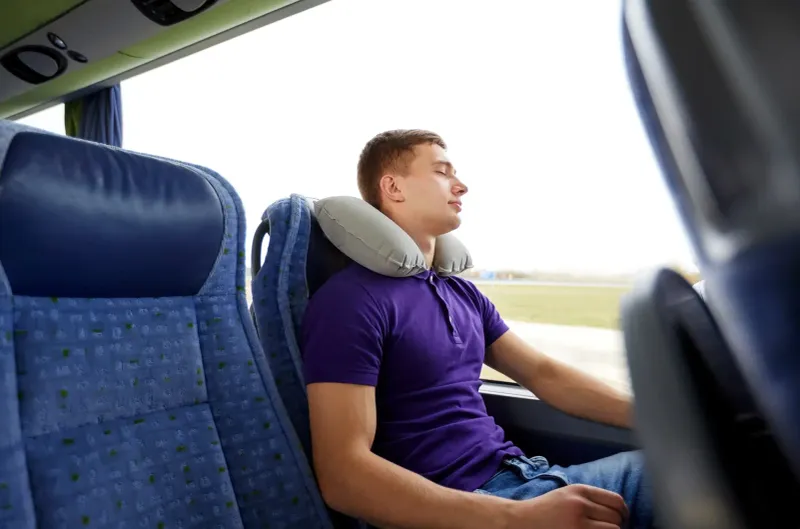
Tensing up when you feel sick only makes things worse. Laboratory studies show that slow, deliberate breathing can reduce the symptoms of motion sickness by half, or about as effective as some medications, minus the side effects of drowsiness.
Practice your breathing technique before your trip so it becomes second nature. Inhale slowly through your nose for four counts, hold briefly, then exhale slowly through your mouth.
This approach calms your nervous system and gives you something productive to focus on besides your upset stomach. Seasoned travelers often combine breathing exercises with other remedies for maximum relief.
4. Minimize head movements (or recline/lie down)
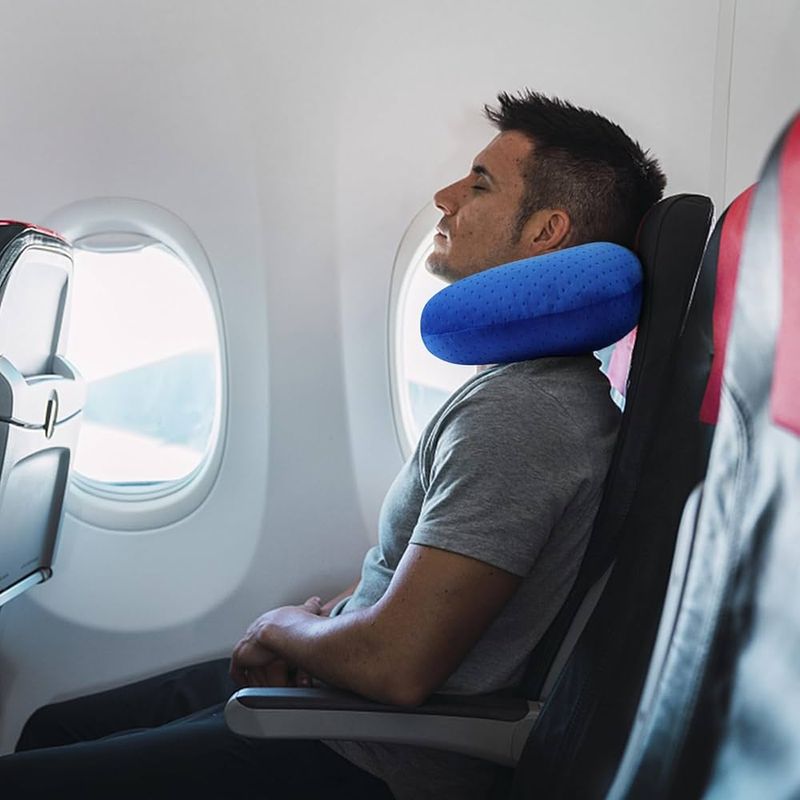
Every time your head spins, it sends new confusing signals to your brain. Keeping your noggin as still as possible gives your body fewer mixed messages to process. Sit back in your seat or lie flat if you can.
Try moving with the vehicle instead of fighting against it: lean into corners as the car turns or rock gently with the rhythm of the ship. Think of it as riding the waves rather than resisting them.
By aligning your body with the forces around you, everything feels more natural and less disorienting.
5. Ventilate and avoid strong odors
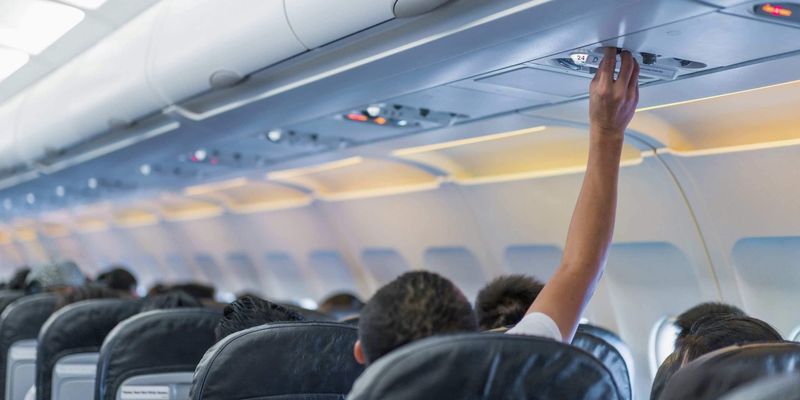
Cool air on your face can be surprisingly powerful against nausea. Point this overhead vent directly at you or open a car window to circulate the air. Stuffy, stagnant environments quickly worsen symptoms.
Strong smells – perfume, diesel fumes, spicy foods – can trigger or intensify nausea even if you normally tolerate them well. Your sense of smell is directly connected to the nausea centers of your brain.
Veteran travelers always look for good ventilation and staying away from overwhelming odors. This simple environmental adjustment costs nothing and helps almost everyone feel at least a little better.
6. Eat light, avoid alcohol
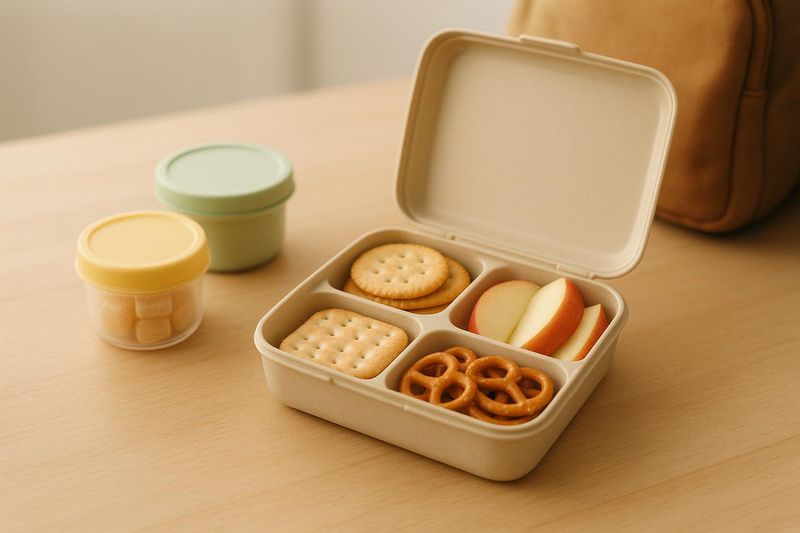
What happens in your stomach before and during the trip really matters. Heavy, fatty, or very spicy meals give your digestive system extra work when it’s already struggling to move. Alcohol may seem relaxing, but it actually makes nausea and dizziness worse.
Plain crackers or toast with a little water work great: they calm your stomach without overwhelming it. A light snack is better than traveling on a completely empty stomach, which can backfire.
Think bland and boring for your pre-trip menu. Experienced travelers know that saving fancy meals for after arrival helps keep their stomachs calm during the trip itself.
7. Ginger (capsules/tea/chew): modest help for some

This ancient remedy has survived for good reason, although the scientific evidence remains somewhat mixed. Several research trials suggest that ginger actually relieves nausea in many people, and that it is safe for most people to try. The active compounds in ginger seem to naturally calm your stomach.
Take 500 to 1,000 milligrams in capsule form or sip ginger tea about 30 to 60 minutes before your trip begins. Ginger chews also work if you prefer something tasty.
Results vary from person to person: some travelers swear by it while others notice little difference. It is worth experimenting because side effects are rare.
8. P6 Acupressure Bracelets (Sea-Band and similar)
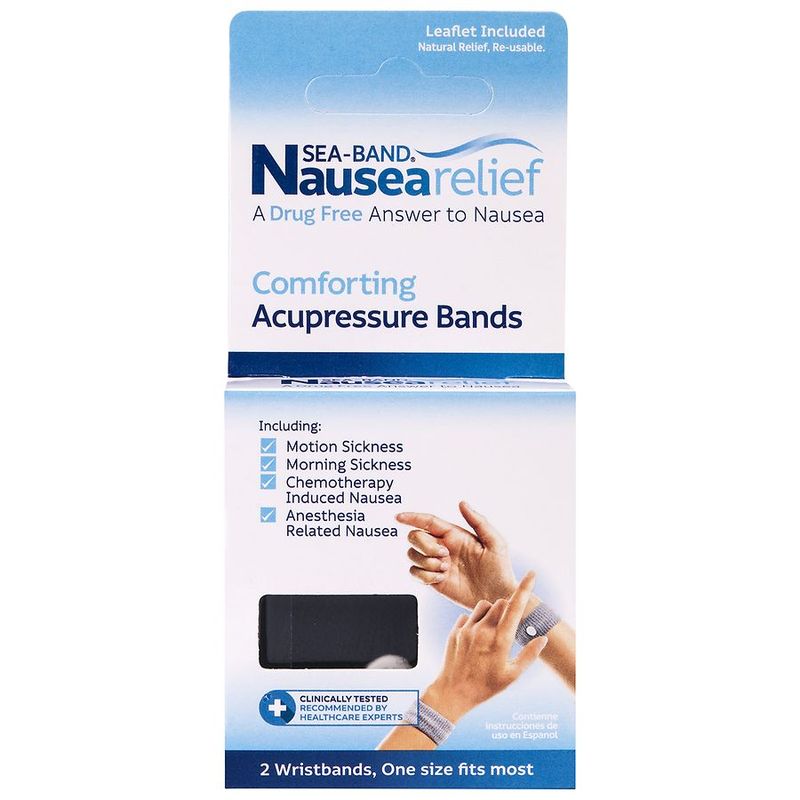
These stretchy bands press on a specific spot on the inside of your wrist called the Neiguan point, which traditional medicine associates with relieving nausea. The FDA regulates these devices as acupressure tools to manage nausea, although scientific results vary widely.
Some travelers find them incredibly useful while others don’t feel any difference. They contain no drugs, are reusable and have no side effects, making them worth a try.
Place the plastic stud about three finger widths from the crease of your wrist between the two visible tendons. Many cruisers and frequent sailors keep these bands in their travel kit as a frontline defense.
9. Scopolamine transdermal patch (Rx) — long trips/cruises
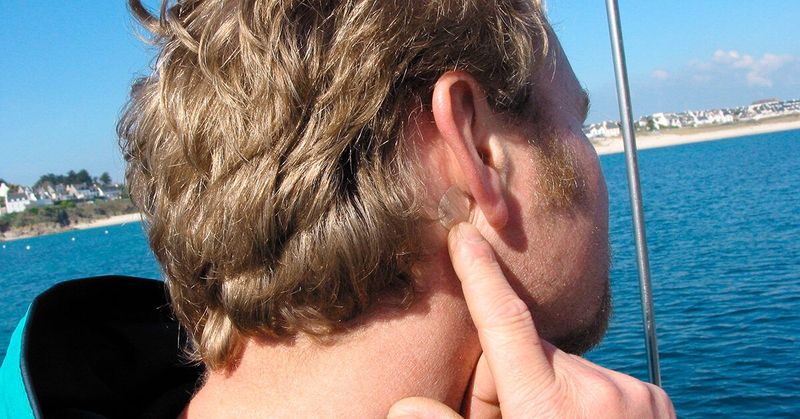
For extended trips like multi-day cruises, this prescription patch delivers medication consistently through your skin. Stick it behind your ear several hours before departure and a patch continues to work for up to 72 hours straight.
Common side effects include dry mouth and mild drowsiness, so plan accordingly. People with certain eye conditions like glaucoma or urinary problems should avoid scopolamine.
Talk to your doctor to see if this option is right for your medical history and travel plans. Cruise veterans often rely on these patches because they eliminate the need to remember to take pills multiple times a day while on vacation.
10. First generation antihistamines (OTC): meclizine or dimenhydrinate
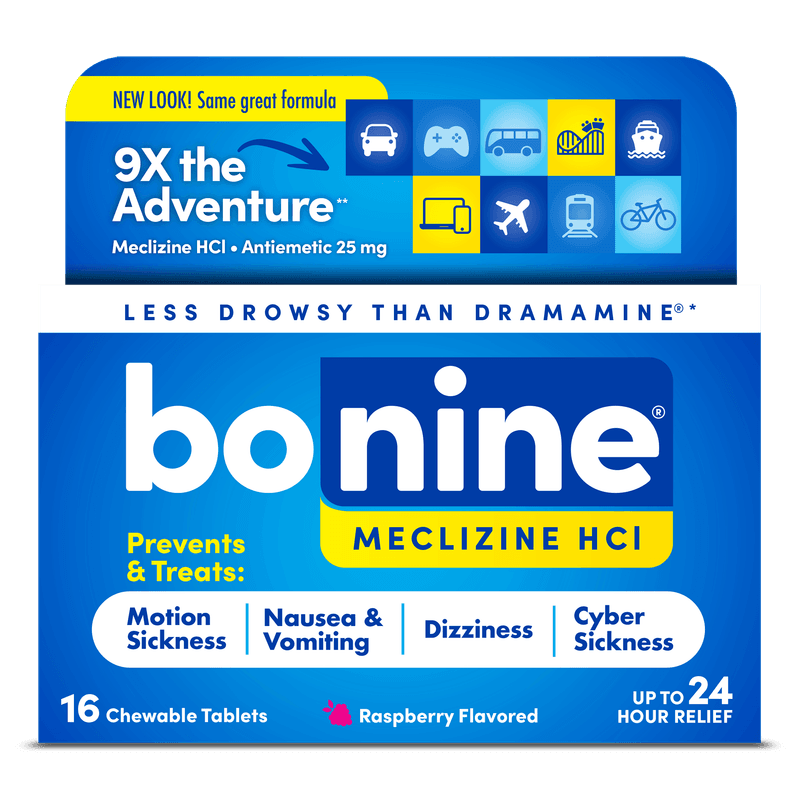
These drugstore staples have helped countless travelers for decades. Take one 30 to 60 minutes before your trip begins for best results. Both medications work reliably, but they cause drowsiness in most people.
Meclizine tends to be less sedative and its effects last longer, although it is not recommended for children under the age of twelve. Dimenhydrinate works in young children when dosed correctly: check the label carefully.
Sleepiness can actually be a bonus on night flights or long journeys without you being behind the wheel. Many travelers consider the tradeoff to be worth it for effective symptom prevention.
11. Promethazine (Rx): for short, intense trips
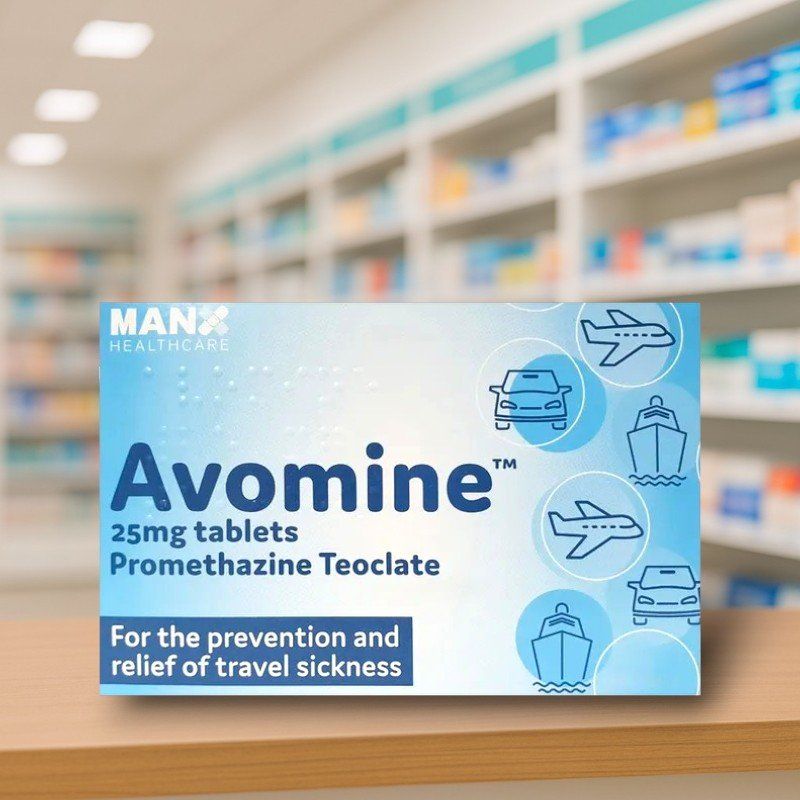
When other remedies fail and you’re faced with truly brutal motion sickness, promethazine brings out the big guns. This prescription medication is extremely effective in stopping nausea and vomiting. The trap? It is also extremely sedative.
Most people feel quite drowsy after taking it, so reserve this option for situations where remaining alert is not necessary. Never use it if you are driving or otherwise operating normally.
Doctors typically prescribe promethazine for shorter trips where its powerful effects warrant severe drowsiness. Discuss timing and dosage carefully with your healthcare professional before using this powerful medication.
12. Train your brain (habituation)
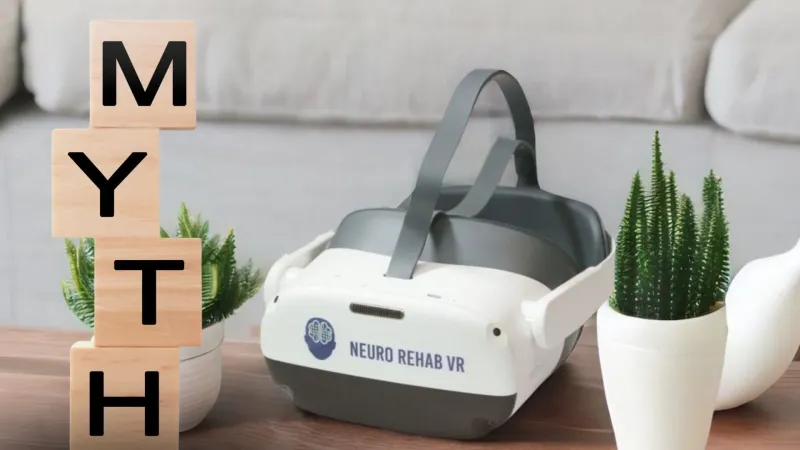
Here’s something surprising: Gradually exposing yourself to movement works better than any medication for long-term relief. Your brain can learn to adapt and stop panicking in the face of conflicting movement signals, but this process requires patience and repeated practice.
Start with short exposures to whatever triggers your symptoms, then slowly increase the duration over weeks or months. Virtual reality simulators and special exercises can speed up training.
This approach requires real commitment and will be of no use for tomorrow’s journey. However, travelers who undergo addiction therapy often find that their symptoms improve significantly or even disappear completely over time.
13. FDA-approved neuromodulation bracelets (e.g., Reliefband)
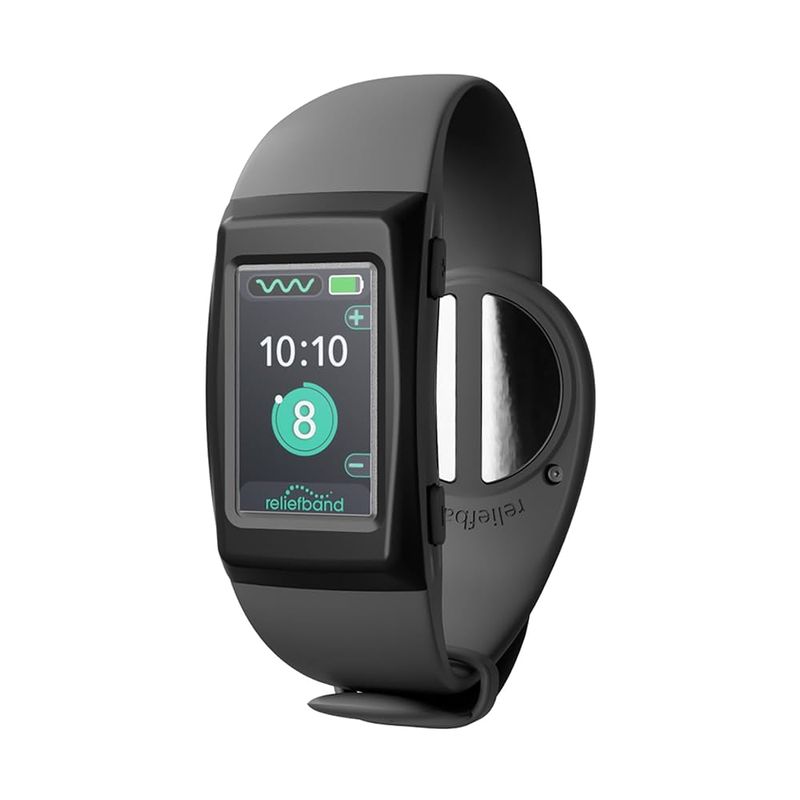
Technology addresses old pressure points with these battery-powered devices. Unlike simple acupressure bands, these gadgets deliver gentle electrical pulses to stimulate your median nerve at the P6 location of the wrist. The FDA has approved them specifically for nausea and vomiting due to motion sickness.
Actual results vary greatly from person to person: some travelers report significant relief while others notice minimal effects. The devices are adjustable so you can find the intensity that suits you.
Carefully follow the manufacturer’s instructions for proper placement and adjustments. Many frequent travelers appreciate having a reusable, drug-free, and drowsy-free option.