
Affiliate Disclosure:As an Amazon Associate, I earn from qualifying purchases. Learn more
Getting outside and exploring nature on foot can transform your weekends and improve your physical health. Hiking offers fresh air, beautiful scenery, and a chance to disconnect from screens while reconnecting with the natural world. Whether you’re planning a short hike or dreaming of mountain adventures, knowing the basics will help you stay safe, comfortable, and eager to return for more outdoor experiences.
1. Start with short, easy trails

Your first few hikes should feel doable rather than strenuous. Choose trails shorter than three miles with minimal elevation gain so your muscles and lungs can adapt gradually.
Websites like AllTrails allow you to filter by difficulty level, making it easy to find beginner-friendly trails near you. Reading recent reviews helps you understand current trail conditions and what to expect.
Building your confidence on easier routes prepares you mentally and physically for more difficult adventures later.
2. Check the weather forecast
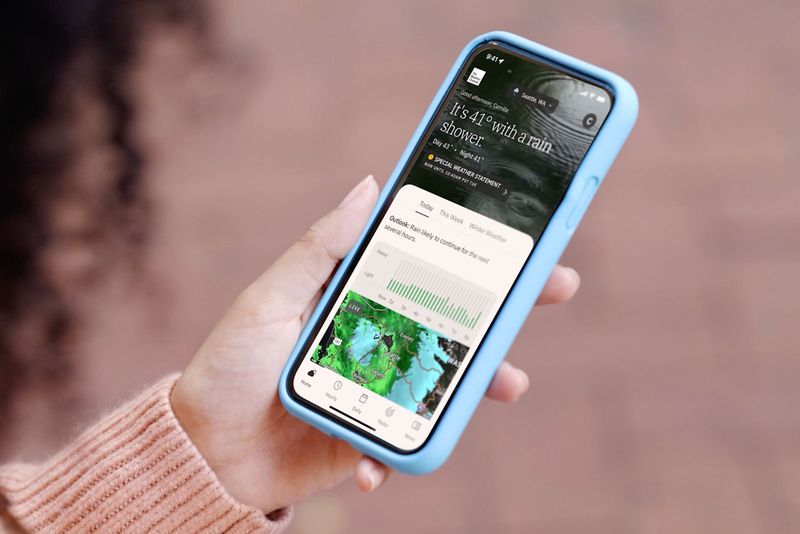
The weather can change quickly, especially in mountainous areas, turning a pleasant hike into a risky situation. Always check the forecast the day before and again the morning of your trip.
Rain makes trails muddy and slippery, while unexpected thunderstorms bring the risk of lightning. Wind chill at higher elevations can cause temperatures to drop significantly, even on sunny days.
Pack extra layers and rain protection based on what the forecast predicts, and don’t hesitate to postpone if conditions look harsh.
3. Wear appropriate shoes
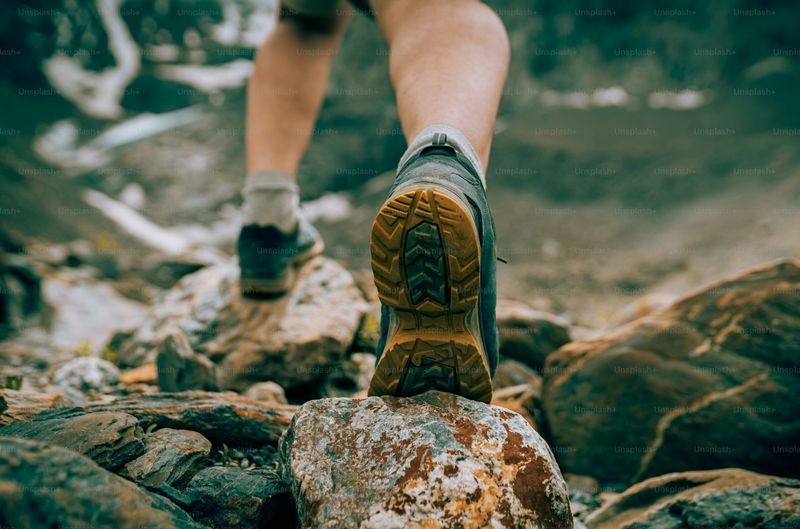
Nothing ruins a hike faster than painful blisters or twisted ankles from poor footwear. Invest in hiking boots or trail shoes with strong ankle support and deep treads for better traction.
Visit an outdoor store where staff can measure your feet and recommend options suited to your hiking style. Wear your new shoes around the house and on short walks for at least a week before tackling longer trails.
Well-broken-in shoes avoid hot spots and keep your feet stable on uneven terrain.
4. Dress in layers
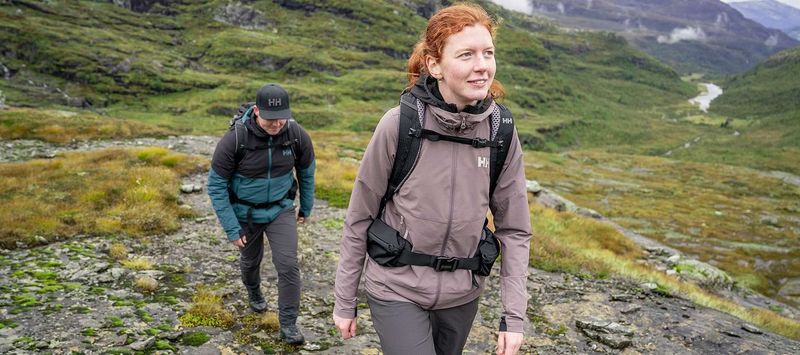
Temperature changes occur constantly during hikes as you ascend, descend, or move between sun and shade. Layering puts you in control of your comfort by allowing you to add or remove clothing as needed.
Start with a moisture-wicking base layer made from synthetic fabric or merino wool that wicks sweat away from your skin. Add an insulating fleece or down midlayer, then top it off with a waterproof jacket.
Avoid cotton altogether as it traps moisture and leaves you cold and clammy when you stop moving.
5. Bring plenty of water and snacks
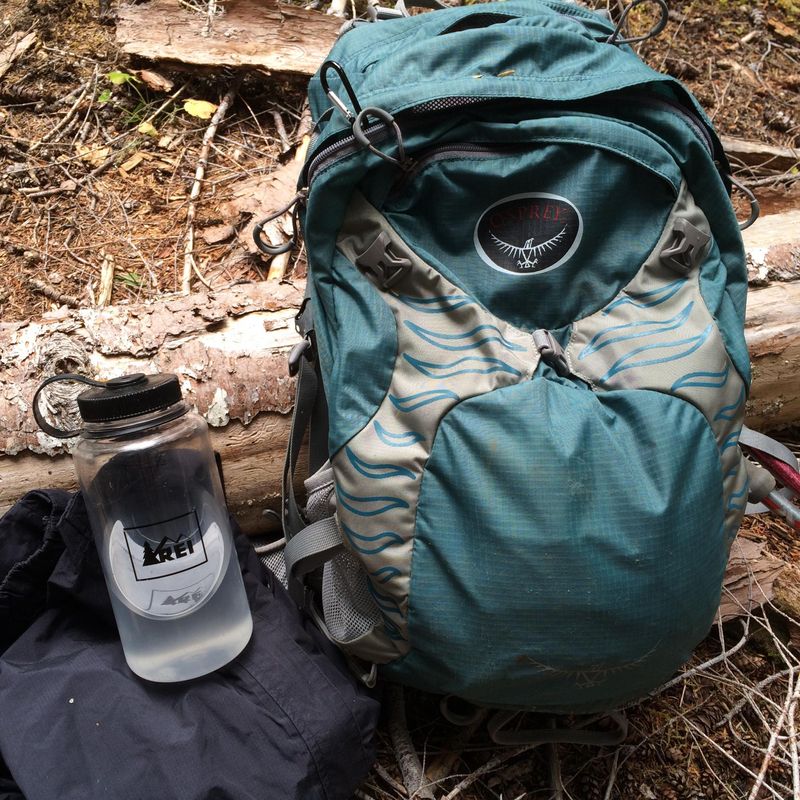
Dehydration happens quietly, causing headaches, fatigue, and poor decision-making before you realize what’s happening. Plan to drink at least half a liter of water per hour, or more if temperatures soar or you’re working hard.
Carry extra water beyond what you think you’ll need as a safety buffer. Pack high-calorie snacks like nuts, dried fruit, granola bars, or jerky to keep your energy levels up throughout the hike.
Eating small amounts regularly is better to wait until you are hungry and exhausted.
6. Use a comfortable backpack
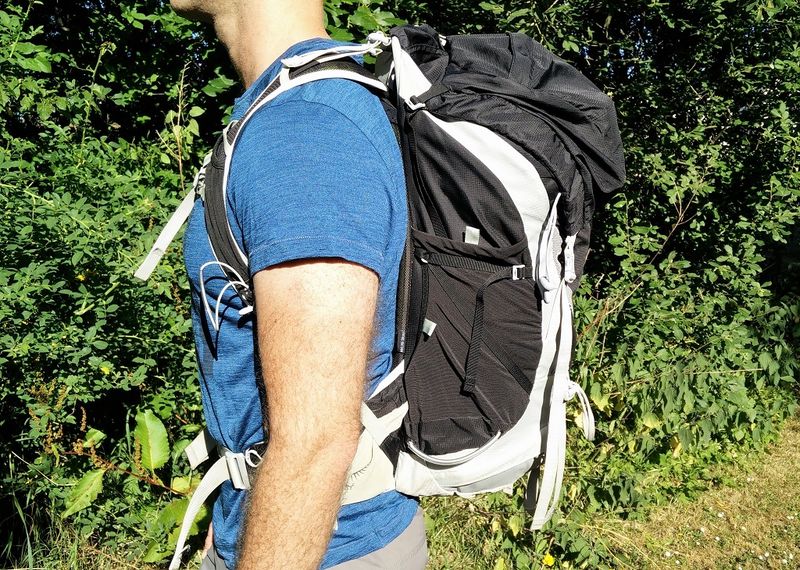
Carrying everything in your hands or in a shoulder bag quickly becomes uncomfortable and unbalanced. A proper backpack with padded shoulder straps and a hip belt distributes weight across your hips instead of straining your shoulders.
Look for bags between 15 and 25 liters for day hikes, which provide enough space without encouraging overpacking. Adjust all straps so the bag fits snugly against your back without bouncing or swinging.
Side water bottle pockets and easy-access compartments make it easy to grab essentials without constantly stopping.
7. Learn basic trail etiquette
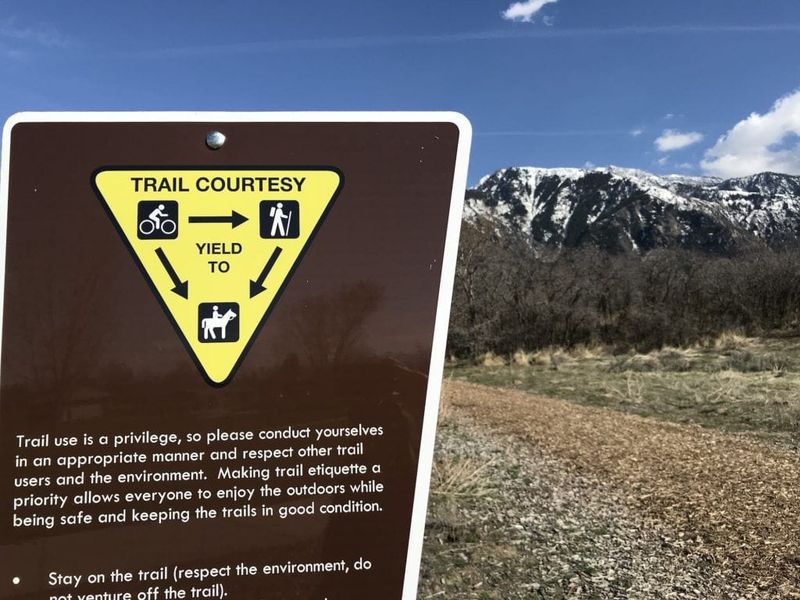
Respect for other hikers and the environment helps keep trails pleasant for everyone and protect fragile ecosystems. Always yield to people going uphill, because they work harder and losing momentum is frustrating.
Stay on marked trails rather than cutting switchbacks, which causes erosion and damages plant life. Pack out any trash you bring, including orange peels and banana peels which take months to decompose.
Keep dogs on leashes if necessary and keep noise levels reasonable so others can enjoy the sounds of nature.
8. Know your limits and pace yourself
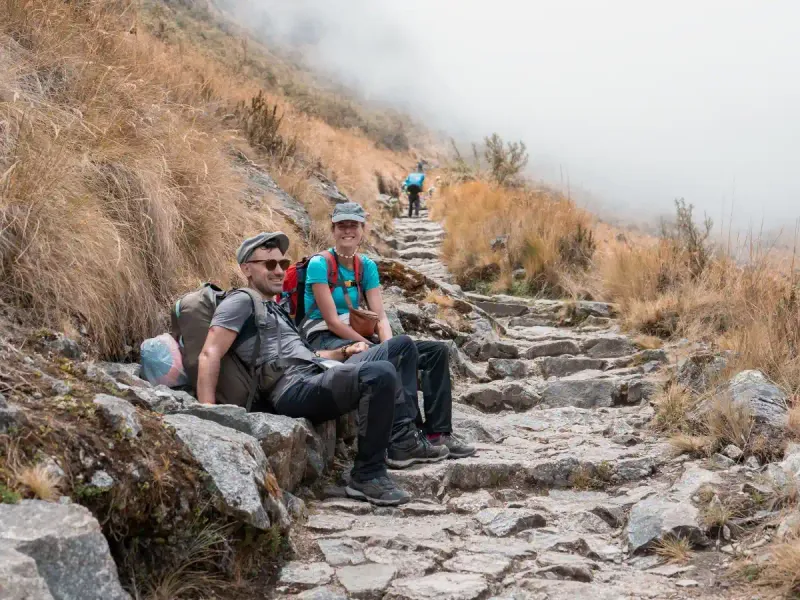
Charging forward like you’re running only leads to exhaustion, injury, or the need to be rescued before reaching your destination. Start at a conversational pace where you can speak without getting out of breath.
Take short breaks every 30 to 45 minutes to drink water, eat snacks, and let your heart rate stabilize. Listen to your body’s signals about fatigue, pain, or dizziness rather than ignoring warning signs.
Starting your hike early gives you plenty of daylight and eliminates the pressure of running back before dark.
9. Carry a simple first aid kit
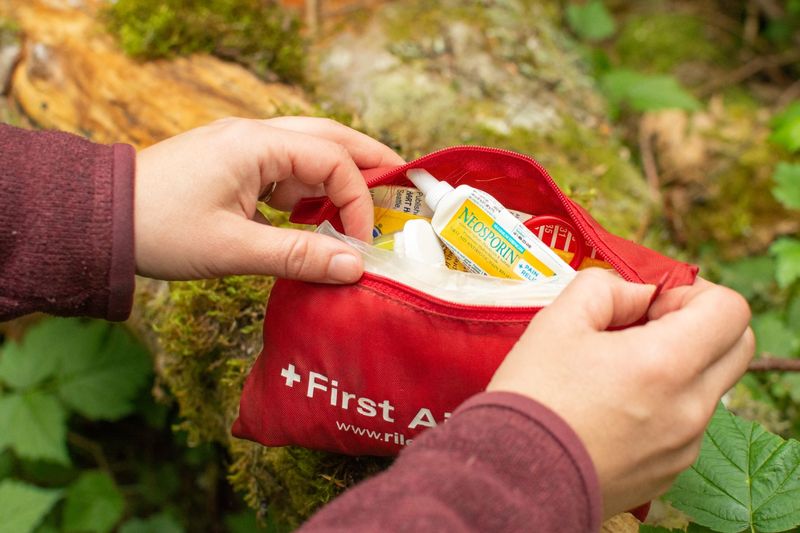
Minor injuries like blisters, scrapes, or insect bites occur frequently on the trails, but they don’t have to end your hike. A basic first aid kit weighs next to nothing and solves the most common problems you’ll encounter.
Include adhesive bandages of various sizes, blister treatment patches, antiseptic wipes, pain relievers like ibuprofen, and any personal medications you need. Add tweezers for splinters and a rubber band for sprains.
Knowing how to use each item before emergencies arise makes you confident and prepared rather than panicked.
10. Bring navigation tools even if you have a phone
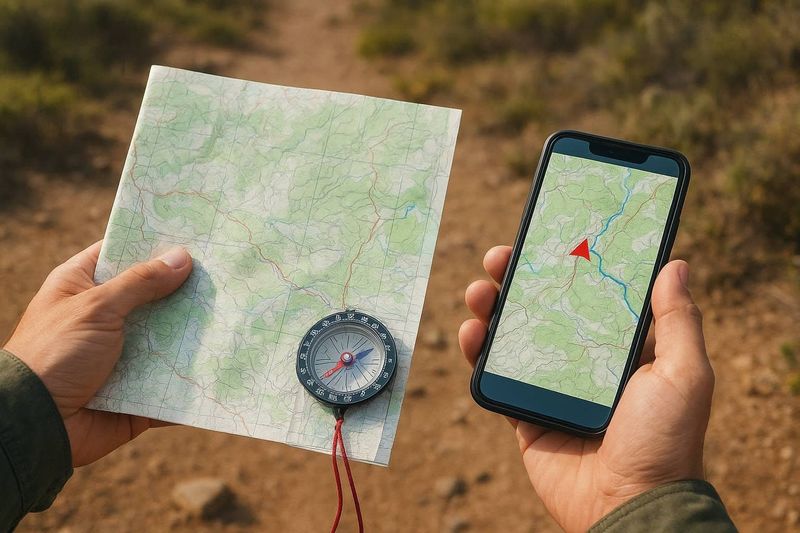
Cellular service disappears quickly once you leave populated areas, and phone batteries drain more quickly in cold weather or while searching for signals. Download offline maps through apps like AllTrails or Gaia GPS before you leave home so you can navigate service-free.
Carry a printed map and basic compass as a backup, as they never run out of power or break. Learning to read topographical maps and use a compass takes practice but provides reliable navigation skills.
Having multiple navigation options prevents you from getting lost and increases your confidence in exploring new trails.
11. Tell someone about your plan
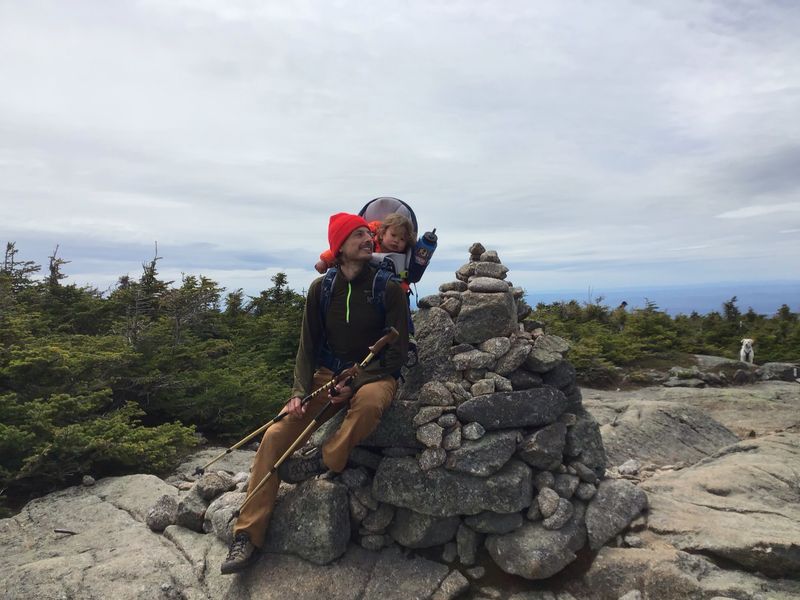
This simple habit could save your life if something goes wrong and you can’t call for help yourself. Before you leave, text or tell a trusted friend or family member exactly what trail you’re hiking and when you plan to return.
Include the trailhead name, parking area, and your planned route so rescuers know where to look if necessary. Agree to check in once you’re safely back so they know not to worry.
Even experienced hikers follow this rule, because accidents, weather changes and unexpected delays happen to everyone.