Affiliate Disclosure:As an Amazon Associate, I earn from qualifying purchases. Learn more
When it comes to travel photography, light is your best tool. The right lighting can transform an ordinary snapshot into a stunning memory. From the golden glow of sunrise to the cool tones of dusk, here are the best lighting tips to help you capture breathtaking photos throughout the day.
1. Embrace the golden hour

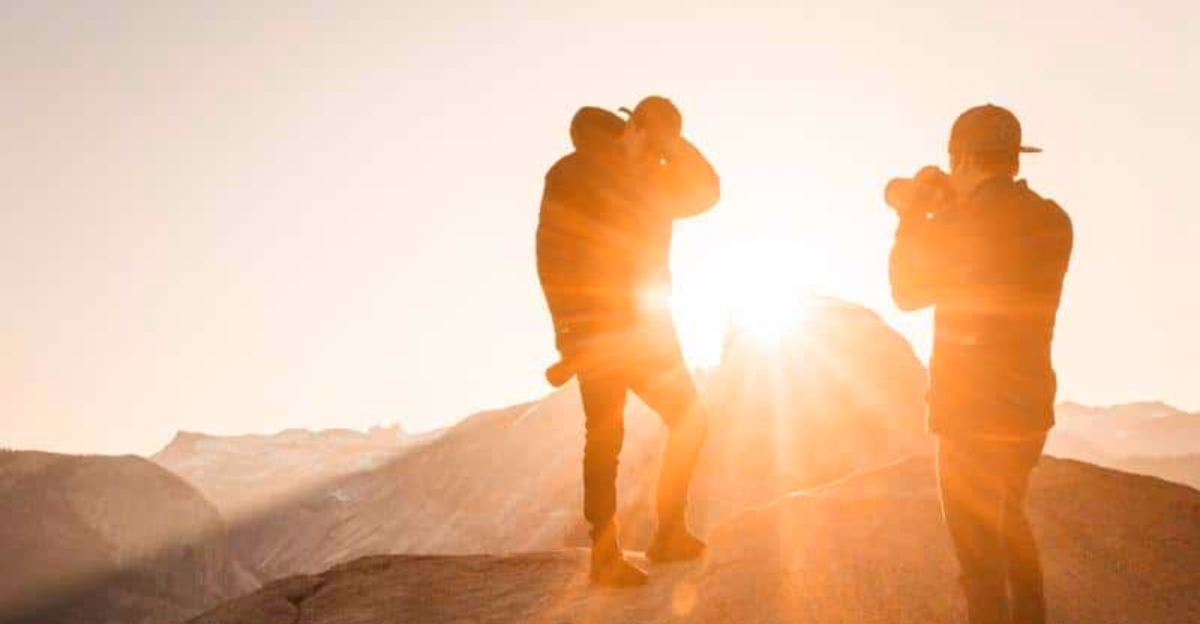
As the sun kisses the horizon, the world transforms into a painter’s canvas. Known as the golden hour, this time just after sunrise and before sunset offers light that is both soft and warm. This magical glow enhances colors and envelops subjects in a flattering luminance.
Whether capturing a wide field or a playful portrait, this light can transform ordinary scenes into cinematic wonders. Yet timing is crucial; the golden hour is fleeting, requiring preparation on the part of photographers eager to capture the moment. The tranquility and vibrancy make it a favorite of seasoned photographers.
2. Use the blue hour for drama

Just before the world wakes up and after it falls asleep, there comes a time when the sky takes on a deep, moody blue: the blue hour. This brief period provides a mystical backdrop, perfect for capturing the drama of cityscapes or the serene beauty of nature. Buildings shine against the azure sky and bodies of water reflect this ethereal color, creating harmonious reflections.
The contrast between artificial lights and natural blue can be fascinating. Perfect for creating atmospheric photos, blue hour transforms mundane scenes into extraordinary views. Now is the time to experiment with long exposures and capture the mysterious allure of dusk.
3. Avoid intense midday light

Midday can make us squint, but it can also fade colors and create harsh shadows in photographs. Midday light is direct and intense, often flattening subjects, making photography difficult. However, this doesn’t mean photographers have to put away their equipment.
Instead, look for shaded areas or use a polarizing filter to manage reflections and glare. Consider subjects that benefit from high contrast, like dramatic architecture or vibrant street scenes. By using creative techniques, photographers can harness the power of the midday sun to capture mesmerizing images. Taking on the challenge can lead to stunning results under the blazing sun.
4. Take advantage of highlights and shadows

When the sun is overhead and the shadows are sharp, reflections become allies in the world of photography. Midday may not be conducive to portraits, but it provides a playground for shadow play and reflections.
These elements add depth and intrigue to compositions, transforming simple scenes into dynamic visuals. Reflections in water, glass or polished surfaces can provide symmetry and balance. By embracing the interplay of light and shadow, photographers can create images rich in texture and contrast.
5. Play with the backlight

Backlighting can be a game-changer, casting subjects in a new light – literally. When the sun is placed behind a subject, it creates captivating silhouettes and halos.
This technique highlights contours and shapes, providing an artistic touch to photographs. Although backlighting can be difficult due to potential lens flare, the results are often worth the effort. The contrast between the dark subject and the light background can add drama and mystery to an image, perfect for artistic expressions.
6. Make the most of covered days

Cloudy days may seem boring, but they are a natural diffuser for photographers. Clouds act like a giant softbox, diffusing light evenly and eliminating harsh shadows. This creates ideal conditions for capturing delicate details. Lush landscapes come alive under diffused light, revealing vibrant greens and intricate textures. Even bustling markets or narrow streets can be captured in detail with uniform lighting. Every cloud truly has a glimmer of hope, transforming perceived sadness into photographic opportunity.
7. Chase Twilight for atmosphere

As day fades into night, dusk paints the world in layers of light and shadow. Streetlights come to life, neon signs glow, and the sky changes from vibrant hues to deep navy blue. This time is perfect for capturing the unique blend of natural and artificial lights. Twilight offers balance, showcasing the character and charm of the destinations. The interplay of fading daylight and emerging artificial lights creates a cinematic atmosphere, perfect for storytelling through travel photography.
8. Use artificial light wisely

When the sun dips below the horizon, it’s time for the artificial lights to shine. Street lights, lanterns, and even flashlights can illuminate subjects, adding an enchanting glow to nighttime photographs. With long exposures, the glow of city lights or a starry sky can be captured in stunning detail. The key is to balance artificial light with ambient conditions, creating harmony in your compositions. Nighttime offers a different palette of colors and moods, inviting creativity and experimentation in photography.
9. Pay attention to direction

The direction of light can radically change the impression of an image. Front lighting clearly captures details, while side lighting adds depth and reveals textures. Imagine a mountain range at sunrise, where side lighting accentuates the rugged terrain and casts dramatic long shadows. Backlighting, on the other hand, can create striking silhouettes.
Understanding how light direction interacts with subjects helps create compelling compositions. Photographers should experiment with different angles to discover how the light highlights their subjects. Observing the direction of light allows for dynamic storytelling, highlighting the essence and mood of a place.
10. Adapt and be flexible

Travel photography requires spontaneity and adaptability. Lighting conditions are unpredictable and flexibility is essential to capturing stunning images. Imagine yourself strolling down a busy street at sunset, each moment offering a different play of light and shadow. Photographers must be prepared to adjust settings and angles to exploit the changing light of the day. Early mornings can feature serene lighting, while afternoons offer dynamic contrasts. By remaining open to the ever-changing light, photographers can document the unique stories of their travels. Adaptability ensures that no moment of beauty is missed, capturing the essence of each destination.