Affiliate Disclosure:As an Amazon Associate, I earn from qualifying purchases. Learn more
Planning your next camping adventure? Your trusty old tent may not be as reliable as you think. Years of use, exposure to the elements and changing safety standards can turn your shelter into a liability. Before you head out into the wilderness, check for these crucial warning signs that indicate it’s time for an upgrade.
1. Waterproofing deteriorates over time
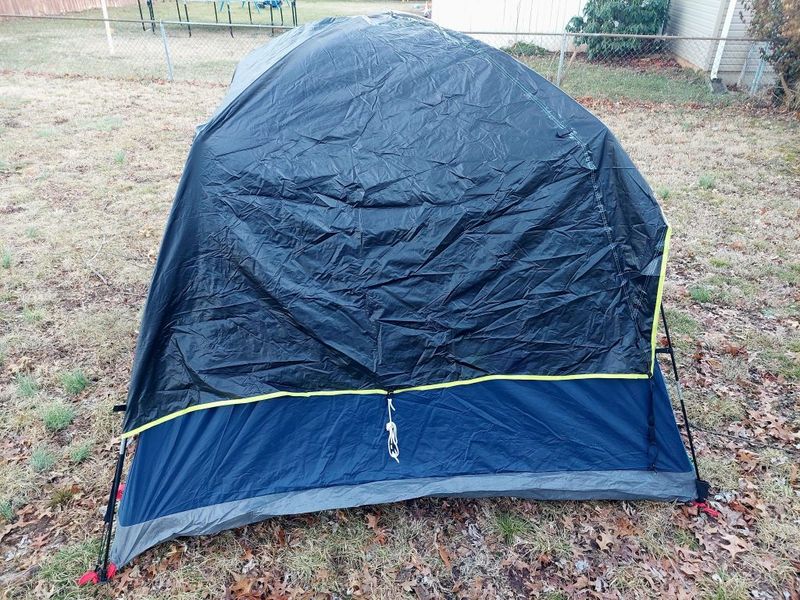
Rain doesn’t wait for opportune moments during camping trips. Older tents lose their waterproof coating after years of exposure, leaving you vulnerable in a storm.
Cracked seams and peeling rainproof materials mean water seeps inside, soaking your gear and ruining your sleep. Modern tents feature advanced PU coated fabrics and sealed seam technology that keeps moisture out much more effectively than older models.
2. UV rays weaken tent materials

Sunlight acts as a slow poison to tent fabrics. Years of UV exposure make materials brittle and prone to unexpected tearing, especially during installation or in windy conditions.
What once seemed solid now tears easily under normal stress. Today’s tents use UV-resistant polyester and nylon blends specifically designed to withstand intense sun exposure without degrading, ensuring your shelter remains intact throughout your adventures.
3. Tent poles become unreliable
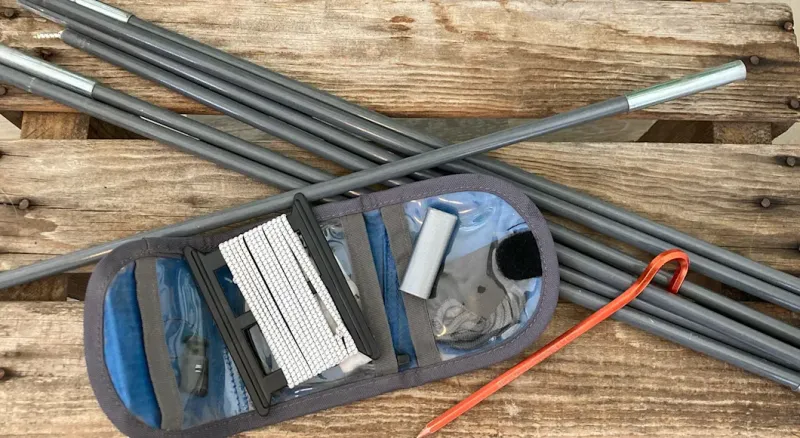
Nothing ruins a camping trip faster than poles that break when you need shelter the most. Aluminum and fiberglass poles develop metal fatigue over time, creating weak spots that break under pressure.
Tiny cracks grow larger with each configuration, making catastrophic failure inevitable. Current tent designs feature carbon-reinforced poles and improved hub systems that distribute tension more evenly, preventing sudden breakages during critical moments.
4. Fire safety standards have evolved
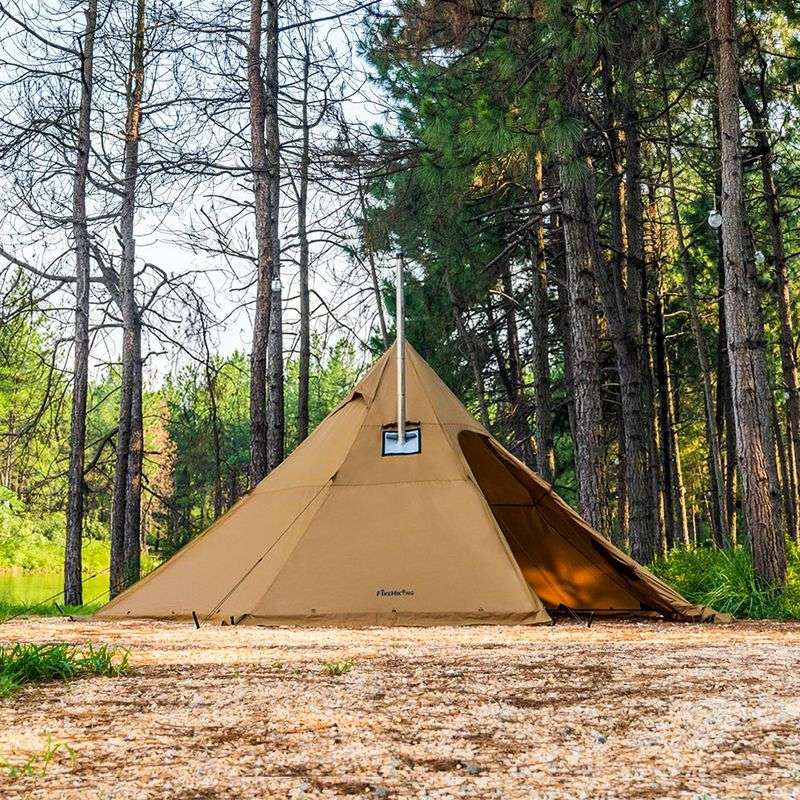
Campfire safety takes on new meaning with outdated tent materials. Many older tents do not meet current fire-retardant standards, putting campers at unnecessary risk near open flames.
Newer models balance flame resistance with a reduction in toxic chemicals, creating safer environments without harmful coatings. Updated safety regulations ensure better protection while maintaining breathability and comfort for modern outdoor enthusiasts seeking peace of mind.
5. Poor ventilation creates humidity problems
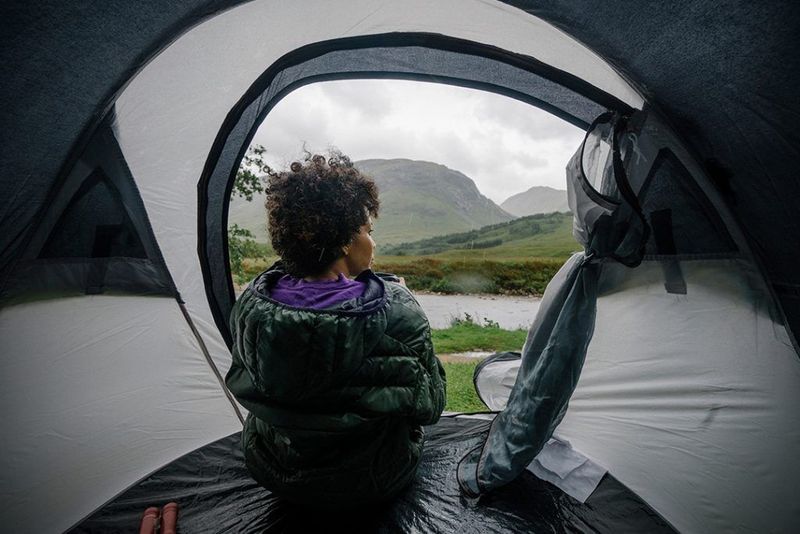
Waking up in a soggy tent isn’t just uncomfortable, it’s unhealthy. Older models don’t have proper air circulation systems, which traps moisture inside and creates condensation nightmares.
Limited mesh panels and inadequate vents turn your shelter into a damp greenhouse. Modern tents incorporate cross-ventilation systems and strategic mesh placement that keep air moving, reducing condensation and maintaining comfortable sleeping conditions throughout the night.
6. Zippers and hardware deteriorate
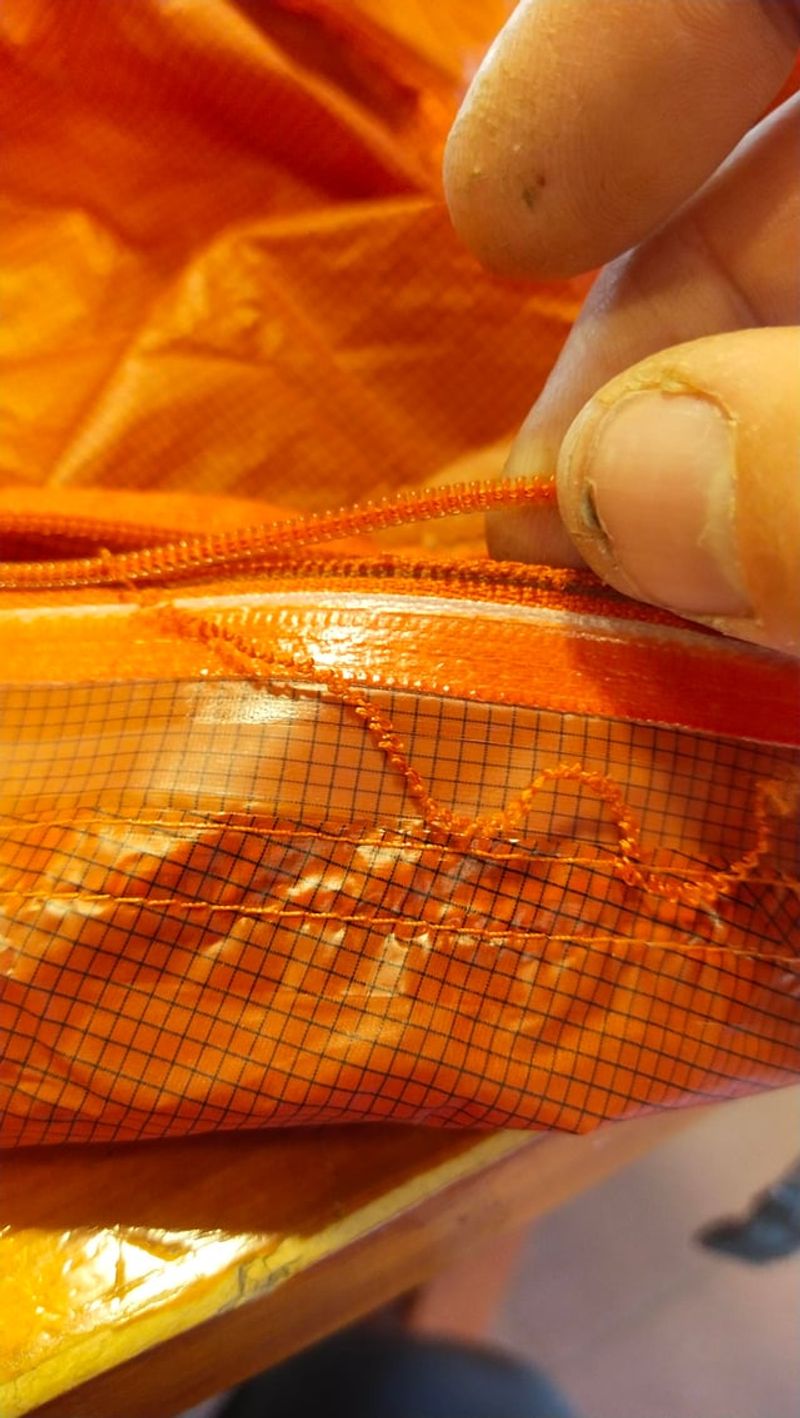
Stuck zippers turn simple entry into the tent into a frustrating struggle. Hardware components wear out faster than fabric, leaving you stuck inside or unable to properly secure your shelter.
Corroded toggles and split sliders compromise your tent’s basic functions when you need them most. Today’s tents feature heavy-duty YKK zippers and reinforced hardware designed for thousands of cycles without failure.
7. Weight and setup efficiency matter more
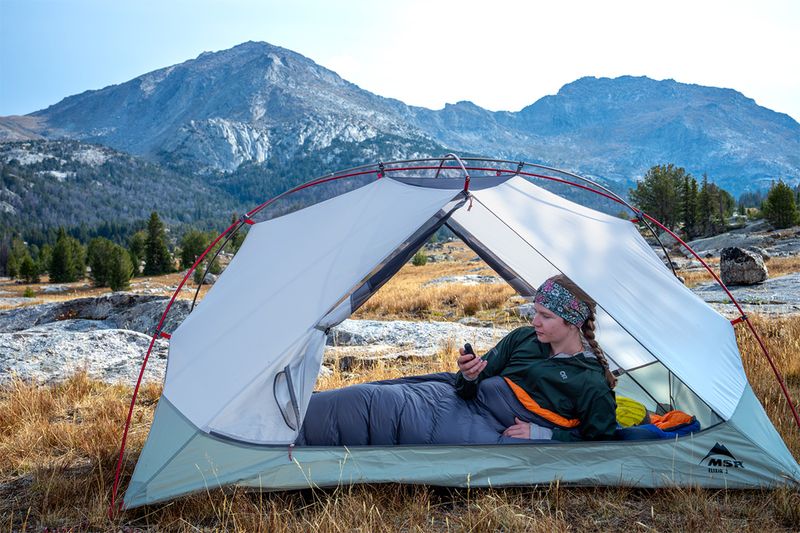
This heavy tent that collects dust weighs down your entire camping experience. Older models use outdated materials and bulky designs that make transportation and installation unnecessarily difficult.
Modern engineering is creating alternatives that are lighter and stronger, smaller and faster. Quick installation mechanisms and folding hub systems mean less time struggling with complicated assembly and more time enjoying the outdoors with family and friends.