
Affiliate Disclosure:As an Amazon Associate, I earn from qualifying purchases. Learn more
Shopping in America can be an adventure full of incredible deals and unique finds. From huge malls to charming local boutiques, the United States offers shopping experiences you won’t find anywhere else. However, navigating American retail culture comes with its own set of rules and customs that may surprise international visitors. Knowing these insider tips will help you shop smarter, save money, and avoid common tourist mistakes during your visit.
1. Master the art of mall shopping

Malls represent America’s love affair with discount designer goods, offering name-brand items at prices that can be 30 to 70 percent lower than traditional retail stores. Popular destinations like Woodbury Common in New York or Desert Hills in California are home to hundreds of stores under one roof.
Smart shoppers arrive early on weekdays to avoid crowds and bring comfortable walking shoes as these resorts are huge. Many outlets offer additional coupons at their customer service centers, and some brands offer exclusive outlet-only products.
Remember that outlet stores often carry stock from previous seasons, so don’t expect the latest releases.
2. Navigate Sales Tax Like a Local

Unlike many countries where tax is included in the price, U.S. stores add sales tax at checkout, which can shock unprepared visitors. Tax rates vary widely by location — from zero percent in Oregon and Montana to more than 10 percent in some California cities.
This means that a $100 item could actually cost $108 or more depending on where you shop. Always allow an extra 8-10% for taxes when planning purchases, especially for big-ticket items like electronics or jewelry.
Some states offer tax-free shopping weekends before school starts, usually in August, making it a great time to buy clothes.
3. Plan your visit for maximum savings
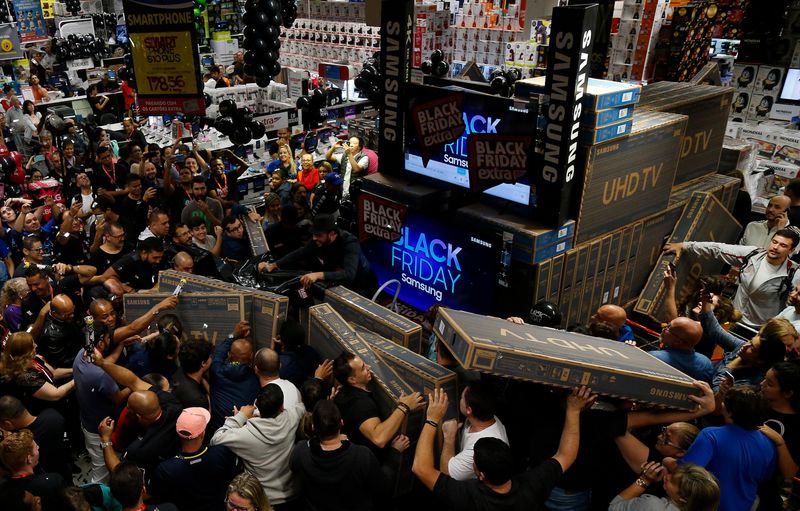
American retail follows predictable sales cycles that savvy shoppers exploit for maximum savings. Black Friday after Thanksgiving kicks off the biggest shopping event of the year, with discounts reaching 50-80% off regular prices.
Memorial Day and Labor Day weekends offer great deals on summer and transitional clothing, while January clearance sales help retailers move winter inventory. Back to school in August brings sales of electronics and clothing.
Cyber Monday focuses on online deals, perfect for items you can ship to your home. Planning your trip during these big sale periods can literally save you hundreds of dollars on the same purchases.
4. Pack smartly for shopping success
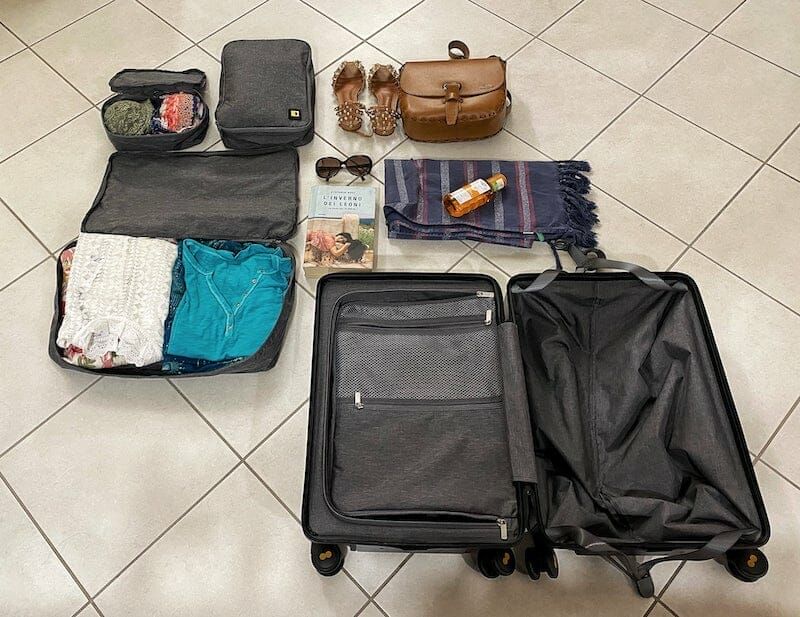
Experienced shopping tourists know that preparation makes the difference between a successful ride and baggage problems at the airport. Pack light when you arrive, leaving plenty of room in your luggage for purchases, or bring a collapsible duffel bag for extra capacity.
Many visitors buy extra luggage during their trip at discount stores like TJ Maxx or Marshall’s, where quality suitcases cost less than airline overweight fees. Consider shipping larger items to your home via the postal service or UPS stores found in most malls.
Wear comfortable shoes and dress in layers, as American stores often run air conditioning year-round.
5. Unlock hidden discounts with loyalty programs

U.S. retailers compete fiercely for customer loyalty through free membership programs that offer exclusive discounts, early access to sales and special coupons. Big chains like Target, Macy’s and Kohl’s offer immediate savings just for signing up, often 10-20% off your first purchase.
Many programs are free and can be activated instantly on your smartphone, making them perfect for tourists. Some stores like Costco require paid memberships but offer wholesale pricing that can save money on electronics, clothing and souvenirs.
Download the store’s apps before your trip to access mobile-only deals and digital coupons that stack with sale prices.
6. Explore beyond the mall experience

While mega-malls get the attention, America’s most unique shopping treasures are hidden in local markets, vintage boutiques, and artisan shops that reflect regional character. Cities like Portland, Austin, and Charleston offer artisan goods, vintage clothing, and locally made goods that can’t be found anywhere else.
Farmers’ markets offer authentic local foods, crafts, and souvenirs while supporting small businesses. Small town antique districts often yield amazing finds at a fraction of big city prices.
Thrift stores run by charities like Goodwill or the Salvation Army offer incredible deals on everything from designer clothing to unique Americana, perfect for budget-conscious travelers looking for authentic pieces.
7. Main Return Policies and Payment Methods

U.S. stores pride themselves on customer-friendly return policies, but the rules vary widely from retailer to retailer. Keep all receipts and original packaging, especially for electronics or final sale items that may have stricter return deadlines.
Major credit cards work everywhere, but inform your bank of your trip to avoid blocked transactions. Contactless payments like Apple Pay or Google Pay are widely accepted and often faster than traditional cards.
Some stores offer prices comparable to their competitors, so research prices beforehand. International visitors should understand that returns after leaving the country can be complicated, and it is therefore essential to carry out careful consideration before purchasing expensive items.