
Affiliate Disclosure:As an Amazon Associate, I earn from qualifying purchases. Learn more
Walking through foreign streets opens your eyes to incredible sights, sounds and smells. But sometimes the most surprising discoveries happen at ground level. From ancient traditions to creative survival gear, the shoes people wear all over the world can tell incredible stories about culture, climate, and creativity that no guidebook ever mentions.
1. Wooden clogs in the Netherlands
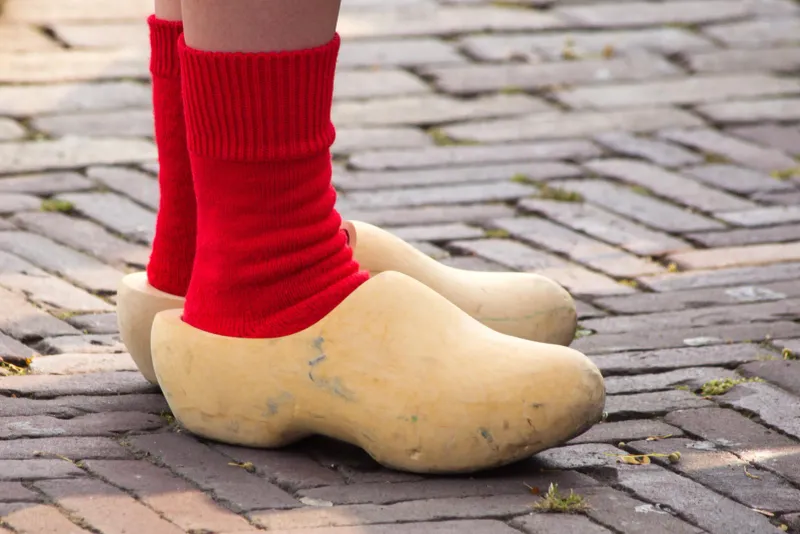
Strolling the cobbled streets, Dutch clogs are not museum pieces but living history. These wooden clogs have protected farmers’ feet from wet fields and sharp tools for centuries.
Modern Dutch people still wear them when gardening or taking quick trips outside. The hollow wood design keeps feet surprisingly comfortable and dry.
Hearing this distinctive wooden tap-tap-tap echoing through the narrow streets of Amsterdam instantly connects you to generations of Dutch tradition.
2. Grass sandals in Japan
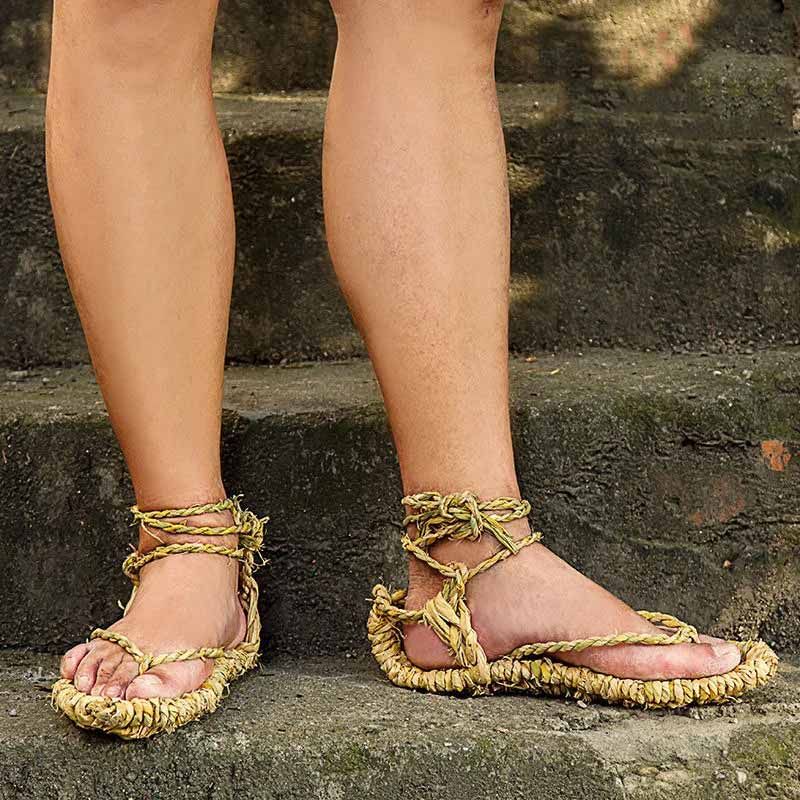
The monks who walk silently around the temple grounds often wear waraji, sandals woven entirely from rice straw. These ancient shoes once carried samurai warriors across battlefields.
The rough straw provides surprising grip on wet temple stones and wooden walkways. Festival-goers sometimes choose them to honor ancient customs during traditional celebrations.
Watching someone tie the rope’s intricate ties reveals skills passed down through countless generations of Japanese artisans.
3. Felt boots in Russia
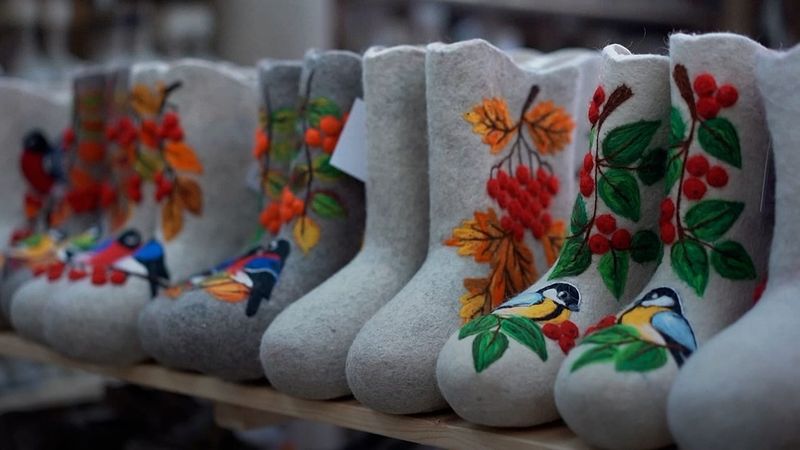
Siberian winters demand serious footwear, and valenki provide unparalleled warmth. These thick felt boots look bulky but keep toes warm in minus forty weather.
Grandmothers often decorate them with brightly colored embroidered flowers and geometric patterns. Felted wool naturally repels moisture while trapping body heat inside.
Spotting someone striding confidently through deep snow in these bulky boots shows you’ve found a true cold survivor.
4. Sharp Mojari in India
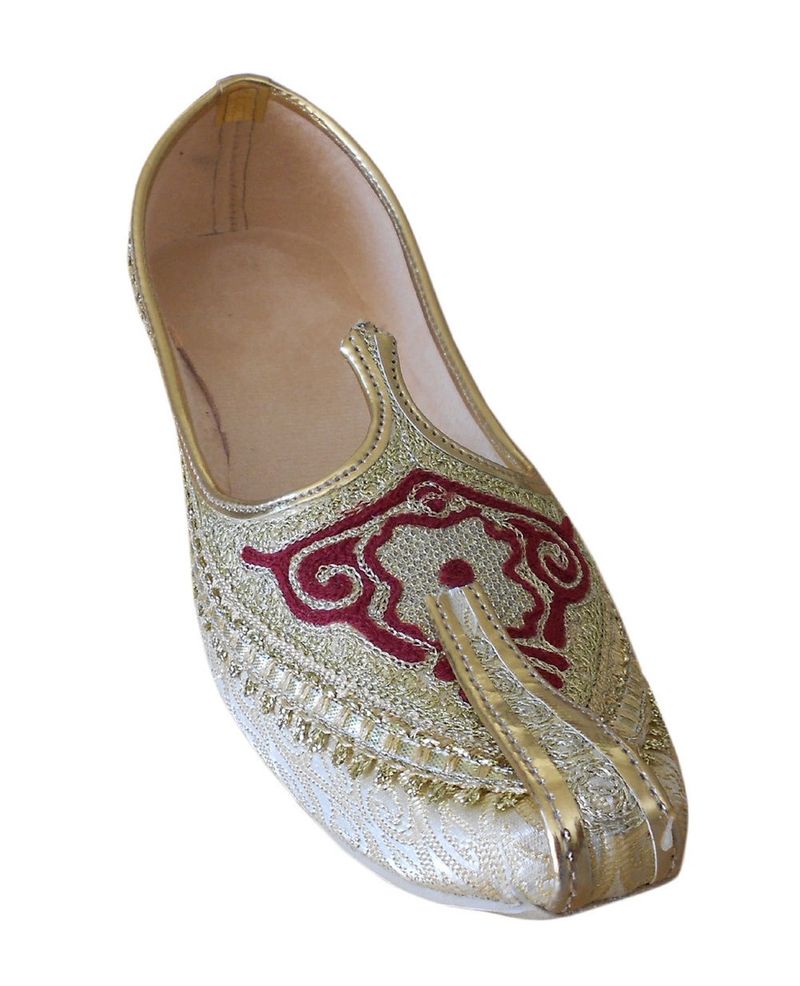
Wedding celebrations explode with color, especially when the bride and groom wear mojari with dramatically curled toes. Skilled artisans hand-stitch each pair with soft leather and gold-tone threads.
The sharp tips are believed to ward off evil spirits while the intricate beads tell family stories. Different regions create unique toe patterns and curves.
Watching the dancers gyrate in these ornate shoes during festival performances shows how beauty and tradition merge in daily Indian life.
5. Chopines Platform in Venice
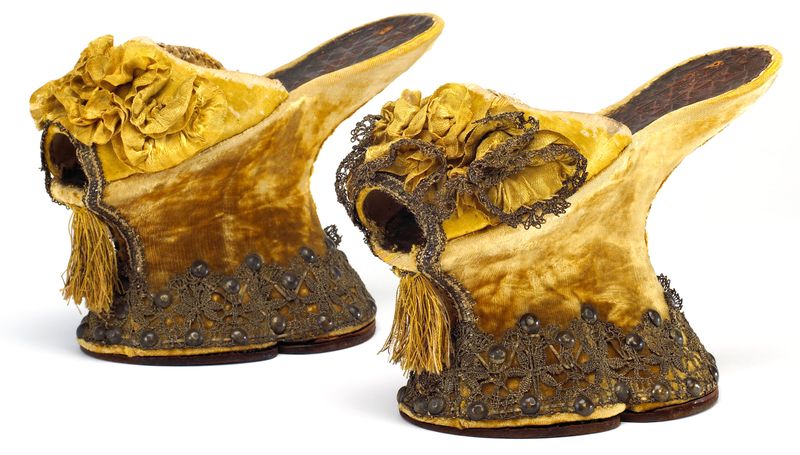
Noble women of the Renaissance once towered in pints that reached nearly twenty inches in height, making today’s platform shoes tiny. These wooden stilts protected expensive dresses from muddy streets.
Venice museums sometimes display original pairs alongside historical paintings. Some cultural festivals feature artists recreating the wobbly, dignified walk these shoes require.
Imagining daily life balanced on such extreme platforms shows how fashion and practicality created truly unusual solutions in historic Venice.
6. Alpaca wool slippers in Peru
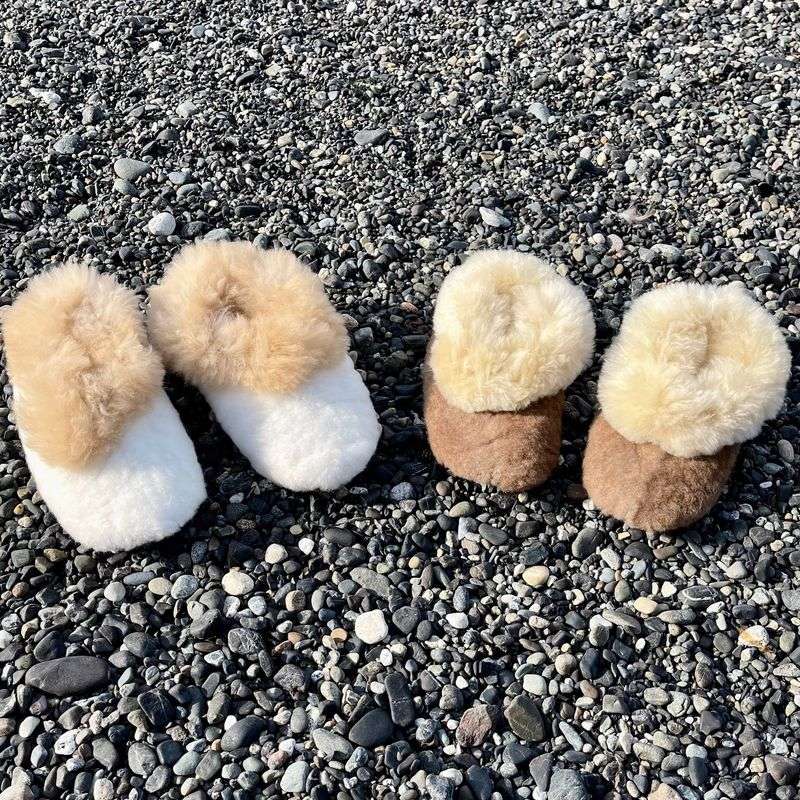
Mountain markets are full of hand-knitted slippers with adorable alpaca faces and rainbow colors. Local artisans spend days creating each pair using wool from their own herds.
Natural fibers perfectly regulate temperature, keeping feet warm during cool Andean evenings. Tourists often buy several pairs for their family back home.
Slipping on these cozy treasures after hiking Machu Picchu is like receiving a warm hug from Peruvian mountain culture itself.
7. Flip-flops made from tires in Africa

Ingenious artisans are transforming discarded truck tires into incredibly durable sandals that last longer than expensive imported shoes. Sharp knives and skillful hands create comfortable soles from scrap rubber.
These eco-friendly sandals cost a fraction of store-bought alternatives while still providing excellent traction. Different treads create unique patterns on each pair.
Witnessing this brilliant recycling innovation shows how creativity and necessity combine to solve problems in remarkable ways.
8. Cowboy boots in unexpected places
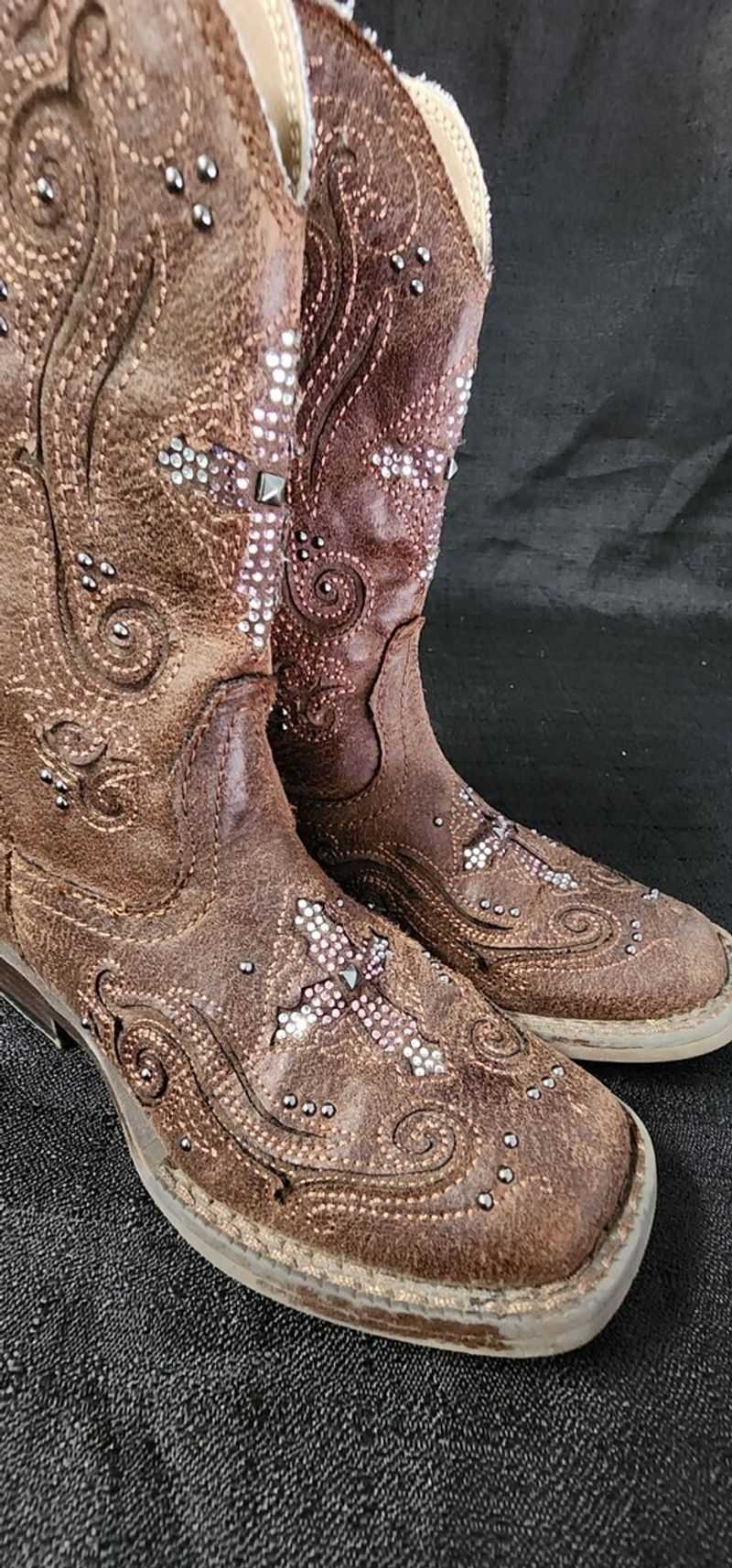
Tokyo fashionistas strut in rhinestone-covered cowboy boots that would make Texas ranchers jealous. These are not work boots but high fashion pieces mixing oriental and western styles.
Argentine gauchos prefer practical leather versions for actual riding. Mexican charros choose elaborate designs with silver details for special celebrations.
Finding cowboy boots in surprising places around the world proves how American Western culture has galloped far beyond its original borders.
9. Maasai beaded sandals in Kenya
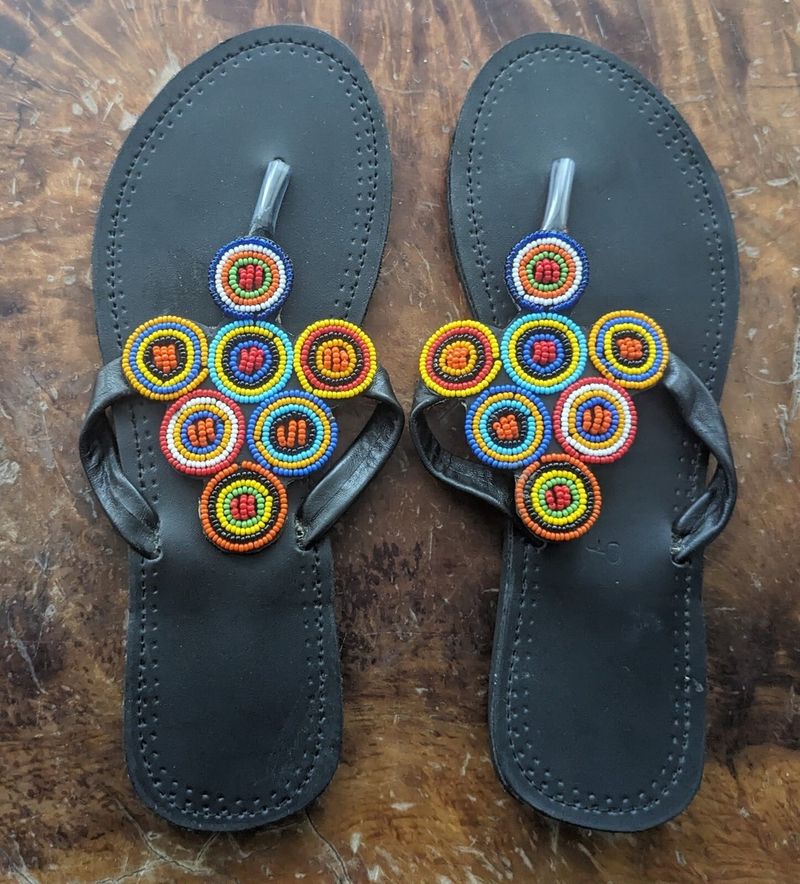
Maasai artisans transform simple leather into traveling art using thousands of tiny, colorful beads arranged in traditional patterns. Each drawing tells stories about family, age and social status.
Geometric patterns use colors with specific meanings in Maasai culture. Red symbolizes courage, while blue represents the sky and energy.
Purchasing these handcrafted sandals directly supports Maasai communities while bringing home a piece of authentic East African artistic heritage.
10. Snowshoe Sandals in Alaska

Alaskan ingenuity creates hybrid shoes combining regular shoes with mini snowshoe frames for walking in deep powder. These contraptions look odd but work wonders for survival.
Locals attach lightweight frames to existing boots using simple straps and buckles. The large surface area distributes weight, preventing dangerous falls in the snow.
Seeing someone confidently navigate frozen landscapes in these improvised shoes demonstrates how harsh environments inspire creative survival solutions.