
Affiliate Disclosure:As an Amazon Associate, I earn from qualifying purchases. Learn more
Travel credit cards can save you hundreds or even thousands of dollars on your next trip. Smart card holders know that these plastic rectangles offer more than just reward points. From sneaky ways to trigger insurance coverage to maximizing transfer bonuses, these proven strategies help you squeeze every drop of value from your cards.
1. Schedule big bills to earn welcome bonuses
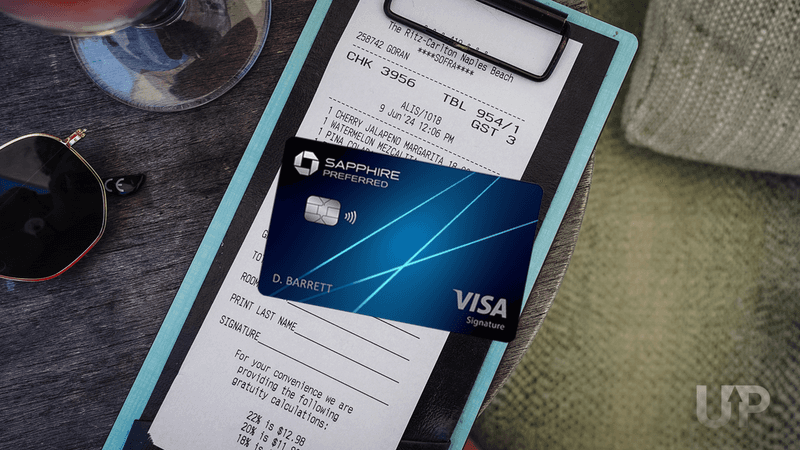
Smart spenders know that timing is everything when chasing sign-up bonuses. Large expenses like paying taxes can help you reach spending thresholds faster than waiting for regular purchases.
The IRS accepts credit card payments through third-party processors, although they charge fees of approximately 1.75% to 1.85%. Before swiping, calculate whether the welcome bonus value exceeds the processing fee.
For example, if you have to spend $4,000 for a 60,000 point bonus worth $600, paying a $70 fee on taxes makes financial sense. Always check current processing fees before committing to this strategy.
2. Master transferable points with partner airlines
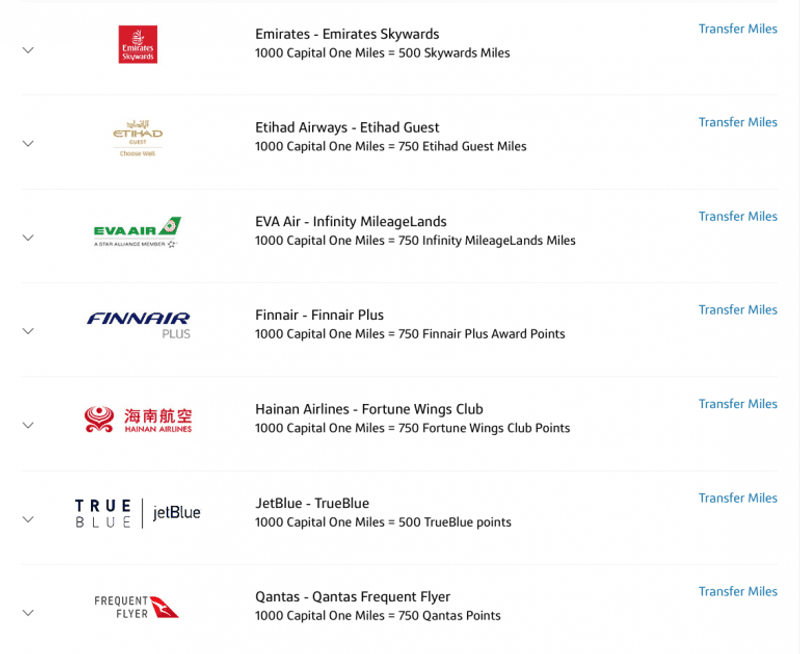
Flexible points programs like Chase Ultimate Rewards and Amex Membership Rewards unlock significant travel value through partner transfers. Instead of being cashed out at fixed rates, these points often extend further when transferred to airline programs.
Check your card issuer’s list of transfer partners regularly as relationships and ratios change. Some transfers happen instantly while others take days, so plan urgent bookings accordingly.
Transferring 50,000 points to the right partner airline could net you a business class ticket worth $3,000, for $500 in cash back. Research rewards charts before transferring to maximize the value of your points.
3. Hunt down limited-time transfer bonuses
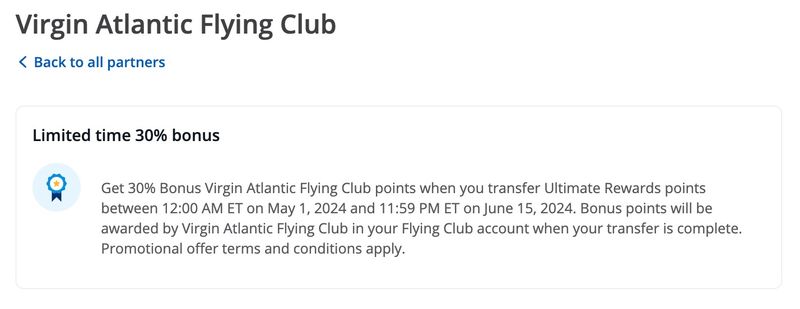
Transfer bonuses are like finding money in your sofa cushions, but better. Credit card companies regularly offer 20-40% bonus miles when you transfer points to specific partner airlines during promotional periods.
These limited-time offers can significantly reduce the points needed to earn award tickets. A 40% bonus means your 50,000 points become 70,000 miles in the airline’s program.
Bookmark transfer bonus tracking websites and sign up to receive alerts from your card issuers. These promotions often only last a few weeks and can disappear without warning, so act quickly when valuable bonuses appear.
4. Book through travel portals when the math works

Card issuers’ travel portals sometimes offer great places to earn or redeem points. Many cards award bonus points for portal bookings, while others increase redemption values above standard rates.
Portal rates change frequently, so always compare current winning multipliers and redemption values before booking. What worked last year may not be the best deal today.
Some portals have historically offered point values of 1.25x to 1.5x for certain cards, but the programs are constantly evolving. Check your card’s current portal benefits and compare total costs with booking direct or through other channels before committing.
5. Trigger travel protection on award tickets

Here’s a sneaky tip that eludes most travelers: paying even small portions of award tickets with covered cards can activate travel protections. That $50 in taxes and fees could unlock hundreds of coverages in the event of a delay.
When flights are delayed beyond your card threshold (often more than 12 hours or overnight), you may receive reimbursement for meals and hotel up to policy limits.
Read your card’s travel delay coverage carefully, as rules vary between issuers. Some require the full cost of the trip to be charged to the card, while others activate protection with any portion paid. This small detail can save your vacation budget in case of bad weather.
6. Avoid rental car insurance with primary coverage

Rental car counters offer costly collision waivers, but cards with primary coverage allow you to decline these add-ons with confidence. Primary coverage means your card pays first, protecting your car insurance rates.
Secondary coverage first requires reporting to your personal auto insurer, which could increase your rates. Primary coverage handles claims directly without involving your regular car insurance.
Always check that your card offers primary (not secondary) rental coverage and follow the rules to the letter. Pay for the rental with the covered card and formally decline the agency’s insurance to activate the protection. An error may void coverage altogether.
7. Eliminate Foreign Fees and Foreign Exchange Tips

Foreign transaction fees quietly drain 1-3% of every international purchase. Cards with no foreign transaction fees allow you to instantly save money abroad, making them indispensable travel companions.
Payment terminals often offer to charge in US dollars instead of the local currency through dynamic currency conversion. This convenience costs more because conversion rates are typically lower than those of your card network.
Always choose to pay in local currency and let your card network handle the conversion. This simple choice can save 3-5% on every transaction when traveling internationally, which is a significant savings.
8. Stack rewards through shopping portals

Double dip rewards are perfectly legal and profitable when done right. Shopping portals and airline dining programs award bonus miles on top of your credit card’s regular earn rate.
Before making purchases, click through airline shopping portals or link your card to dining programs. You will earn portal bonuses as well as regular card rewards on the same transaction.
Amex cardholders can even ask Rakuten to pay in Membership Rewards points instead of cash back. This stacking strategy works for online purchases, restaurant visits, and many everyday purchases, multiplying your earning potential without additional expenses.
9. Use 24-hour rules for flight repricing

Department of Transportation rules give you some leeway after booking flights. Airlines must allow free cancellation within 24 hours of purchase for flights departing seven or more days later.
This rule applies to most U.S. carriers and foreign airlines selling tickets in America. Some airlines offer fare holds instead of free cancellation, giving you 24 hours to decide without payment.
Use this window to correct booking errors, add companions, or rebook if prices drop. The 24-hour rule has saved countless travelers from costly change fees and booking regrets, making it one of the most valuable protections for consumers.
10. Get Reimbursement for Expedited Security Programs
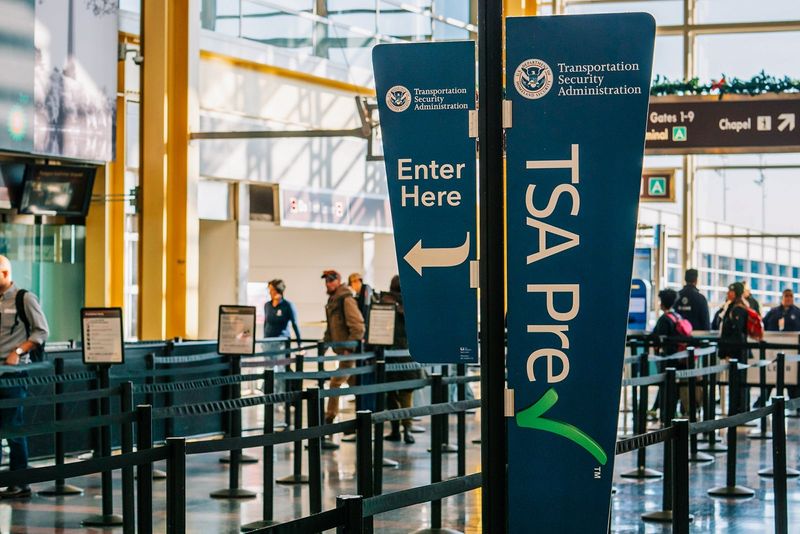
TSA PreCheck and Global Entry fees disappear when your travel card foots the bill. Many cards automatically reimburse the application fee when you pay with the covered card.
PreCheck costs vary by registration provider, while Global Entry costs $120 for five years of expedited airport and border processing. The time saving alone justifies these programs aimed at frequent travelers.
Visit your card’s benefits page for automatic statement credit procedures. Some cards require registration through specific links, while others reimburse all eligible charges. These programs pay for themselves quickly thanks to reduced airport stress and shorter lines.
11. Pool household points for bigger rewards

Family teamwork amplifies credit card rewards when programs allow points pooling. Members of a household can often combine their points to reach award thresholds more quickly or book from the account offering the best redemption rates.
Chase Ultimate Rewards allows family points transfers between some cards, while other programs have different rules and restrictions. Always follow each issuer’s specific guidelines to avoid account penalties.
Pooling works especially well for expensive awards like international business class tickets. Instead of waiting years to accumulate enough points individually, families can combine their resources and take turns enjoying reward redemptions together.