
Affiliate Disclosure:As an Amazon Associate, I earn from qualifying purchases. Learn more
Traveling the world and collecting memories through souvenirs is one of life’s greatest pleasures. However, bringing these treasures home can quickly turn into a nightmare if you don’t know the rules. Smart travelers understand that a little preparation can save them from hefty fines, confiscated items and embarrassing delays at customs. Follow these essential guidelines to ensure your precious memories return home safely in your suitcase.
1. Know your tax-free spending limits

Each traveler enjoys an $800 duty-free return to the United States, but this privilege is subject to specific rules. You can only use this exemption once every 31 days, so frequent travelers should plan accordingly.
Families traveling together benefit from a major advantage: they can combine their individual exemptions on a single customs declaration form. That means a family of four could bring in $3,200 worth of goods without paying any extra fees.
Keep all your receipts organized and calculate totals before reaching customs to avoid any surprises at the border.
2. Prepare for overage fees beyond your limit

Have you exceeded your $800 exemption? Customs will charge duty on the entire amount over your limit, not just a percentage. A purchase of $900 means you will pay duty on the entire $100 excess.
Different countries have different duty rates depending on where the items were manufactured and what type of products they are. Luxury goods are often subject to higher customs duty rates than everyday items.
Before you shop, research typical customs duty rates for the items you’re considering. Sometimes paying a little more to ship items home separately can actually save money compared to paying customs duties.
3. Main rules for importing alcohol and tobacco
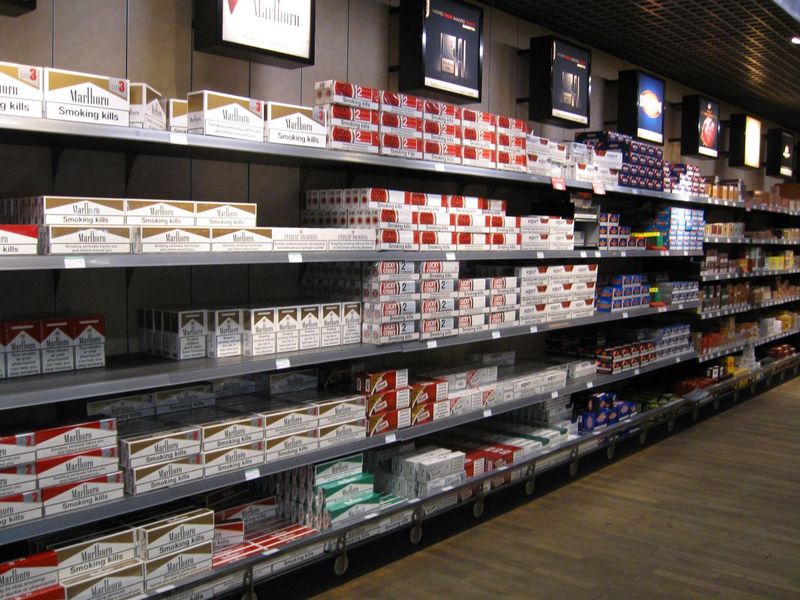
Adults aged 21 and over can bring in exactly one liter of alcohol duty-free, as well as 200 cigarettes and 100 cigars. These limits are strictly enforced regardless of where you purchased the items.
Exceeding these amounts results in additional customs fees, which can be surprisingly expensive. Some travelers find it cheaper to enjoy these products during their trip rather than paying import fees.
Remember that some states have their own additional restrictions on alcohol imports, so check the local laws of your final destination before making any purchases.
4. Take advantage of exemptions for household items

Items for daily personal use such as clothing, linens, kitchenware, and home decorations are generally eligible for duty-free treatment, regardless of their value. The main requirement is to prove that these items are for personal use and not for resale.
Customs officials can usually differentiate between personal purchases and commercial quantities. Buying a beautiful tablecloth is clearly personal; Buying twenty of the same sets off red flags.
Keep items in reasonable quantities and be prepared to explain their intended use if questioned. Personal gifts for family members also generally qualify for this exemption.
5. Navigate Food Import Restrictions Carefully
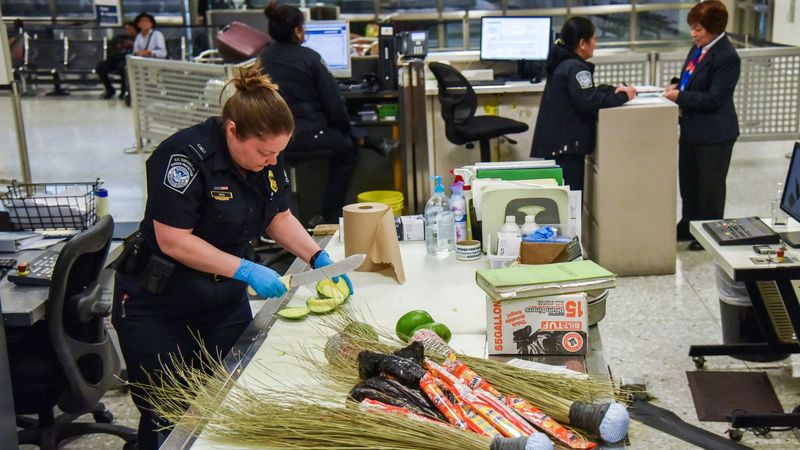
Packaged and processed foods like chocolates, specialty oils, dried herbs and condiments generally pass through customs without issue. However, fresh produce, meats and dairy products are strictly prohibited in order to prevent agricultural pests and diseases.
Even duty-free purchases at the airport can be confiscated if they contain restricted ingredients. That expensive truffle cheese you bought at the airport might not pass agricultural inspection.
Always declare food products on your customs form and look for specific restrictions on the items you are considering. When in doubt, choose commercially packaged products over fresh or homemade foods.
6. Pack liquids correctly for air travel
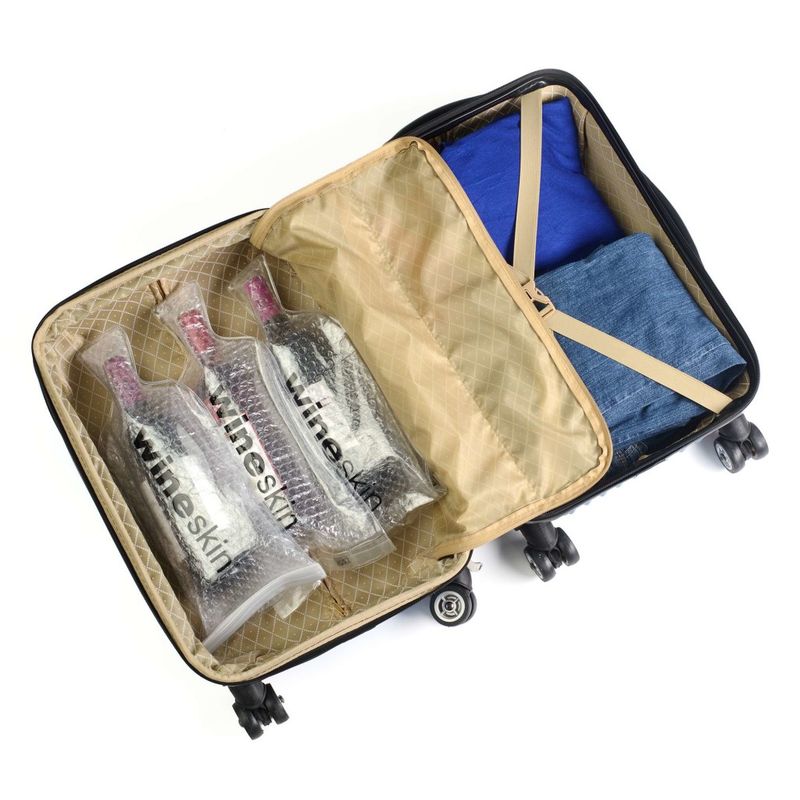
Wine, cooking oils, honey and other liquid souvenirs must be placed in checked baggage due to carry-on liquid restrictions. The only exception is duty-free purchases made after security checks, which are delivered in special sealed bags.
Wrap all liquid items carefully in plastic bags and pad them well to avoid messy spills that could damage your other belongings. Consider purchasing wine shipping boxes or protective sleeves.
Some travelers prefer to ship liquid items home separately rather than risk damaging the contents of their luggage. This also saves weight in your suitcase for other purchases.
7. Consider Shipping When You Buy Too Much
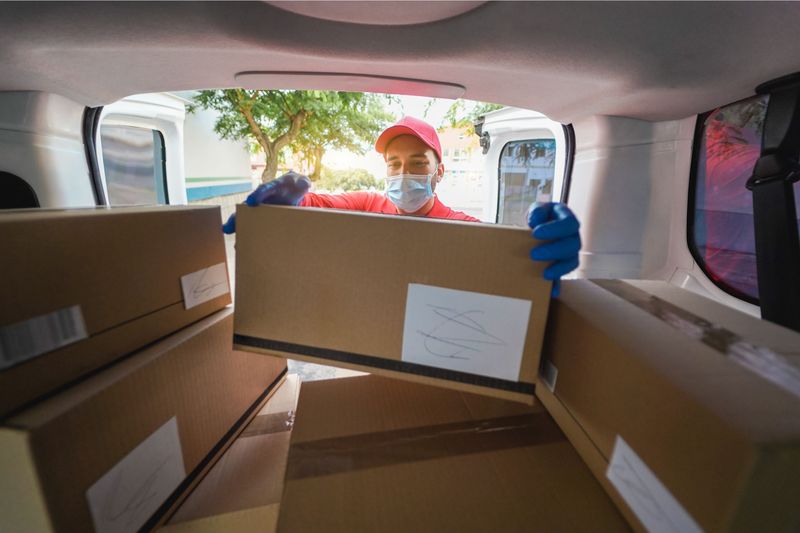
When your suitcase is bursting at the seams, sending items home becomes an attractive option. From European countries, you can send one package per day worth up to $200 duty free.
Packages worth more than $200 are taxed on their full value, not just the excess amount. This differs from personal exemptions where only excess amounts are taxed.
Shipping costs vary greatly by country and shipping method. Sometimes the convenience and weight savings justify the expense, especially when you consider airline overweight fees.
8. Keep customs declarations simple
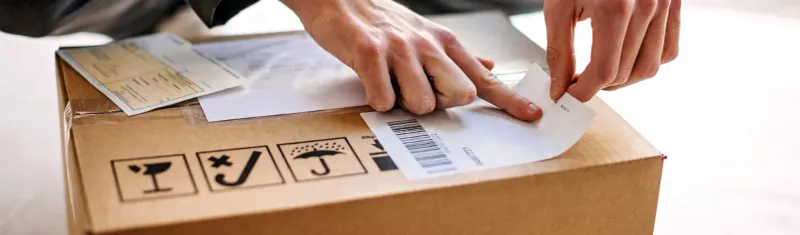
When filling out shipping forms or customs declarations, simple descriptions work best. Write “Souvenirs, Books, Clothing – $100” rather than detailed brand names or specific product descriptions.
Overly detailed descriptions can trigger additional inspections and delays. Customs officials care more about general categories and values than specific brand information.
Avoid mentioning luxury brand names or using terms that might suggest commercial activity. Keep your language simple and honest while remaining sufficiently vague on specific details.
9. Manage Alcohol, Perfume, and Tobacco Shipments Wisely
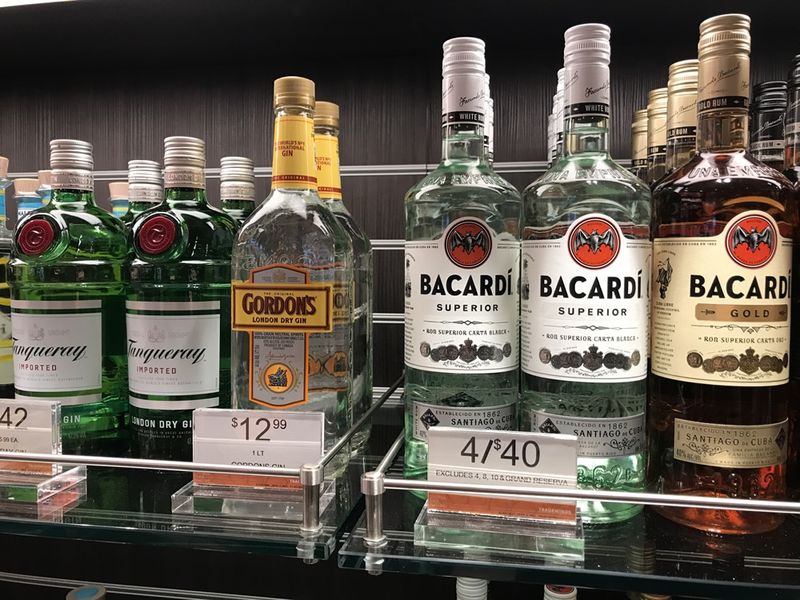
Alcohol, perfume, and tobacco products sent through the mail are subject to duties on any package valued over $5, making shipping these items often more expensive than transporting them within your personal limits.
Carrying these items in your luggage within legal limits is generally more economical than shipping them separately. Weigh both options before deciding.
Some countries have additional restrictions on international shipping of these products. Research the destination country’s rules before attempting to ship, as some postal services will not accept these items at all.
10. Choose your shipping method strategically

Regular postal services offer reliability and reasonable prices, but expect delivery times of up to six weeks. Private couriers like DHL, UPS and FedEx offer faster service but charge higher prices.
Look for local shipping quirks that could save you time and money. For example, the Italian Vatican Post has gained a reputation for being faster and more reliable than the traditional Italian postal system.
Consider your timeline and budget when choosing shipping methods. Sometimes it makes sense to pay extra for speed, especially for fragile or valuable items that require careful handling.