Affiliate Disclosure:
As an Amazon Associate, I earn from qualifying purchases. Learn more
Professional photographers know that good equipment can make the difference between a great photo and a legendary one. Sony’s full-frame cameras have quietly become the secret weapon behind countless award-winning images in wildlife, sports and landscape photography. From National Geographic honors to the World Sports Photography Awards, these mirrorless wonders prove that cutting-edge technology and creative vision go hand in hand.
1. Sony Alpha 1 (a1)
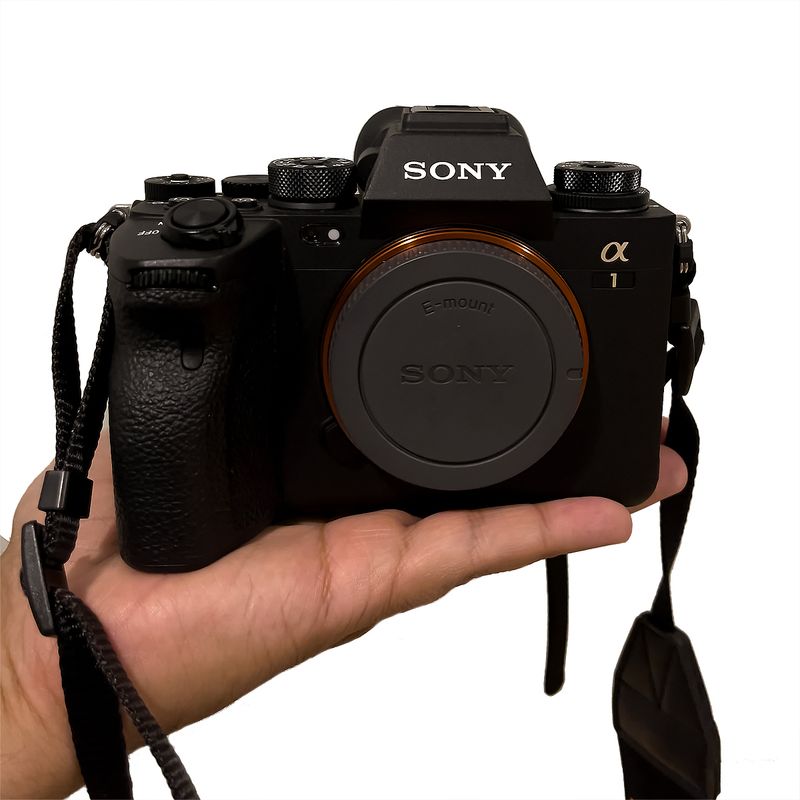
When Karthik Subramaniam captured two bald eagles locked in a dogfight, he trusted Alpha 1 to freeze every feather and claw. Its image won the top spot in National Geographic’s 2023 Images of the Year, proving the camera’s elite status. Paired with a GM 600mm f/4 lens, the a1 delivers the speed and precision needed for split-second wildlife drama.
What makes this body special? A 50-megapixel stacked sensor fires occlusion-free bursts while sticky autofocus locks on to birds’ eyes, even in chaotic flight. Professional wildlife shooters depend on its blazing playback speed to capture decisive moments that disappear in the blink of an eye. It’s no wonder it dominates lists of award-winning gear around the world.
2. Sony a7R IV
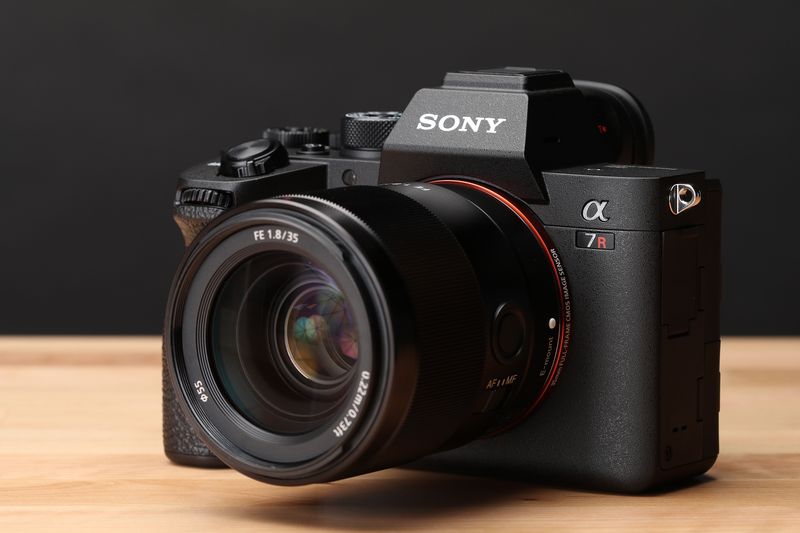
“When Worlds Collide” by Patricia Homonylo stunned the 2024 Bird Photographer of the Year award judges, taking home overall winner honors. She shot it with an a7R IV and a 16-35mm f/2.8 GM II lens, demonstrating the camera’s versatility beyond telephoto. Ryan Stalker also chose this model for his 2024 British Wildlife Photographer of the Year winner, ‘Ocean Drifter’, capturing underwater magic with a 28-60mm lens.
Resolution is king here. The 61-megapixel sensor preserves the complex textures of feathers, debris fields, and aquatic details that smaller sensors crush to mush. High dynamic range means you can extract shadow detail and tame highlights in post-production, perfect for large prints that reveal every pixel of your hard-earned composition.
3.Sony a9II
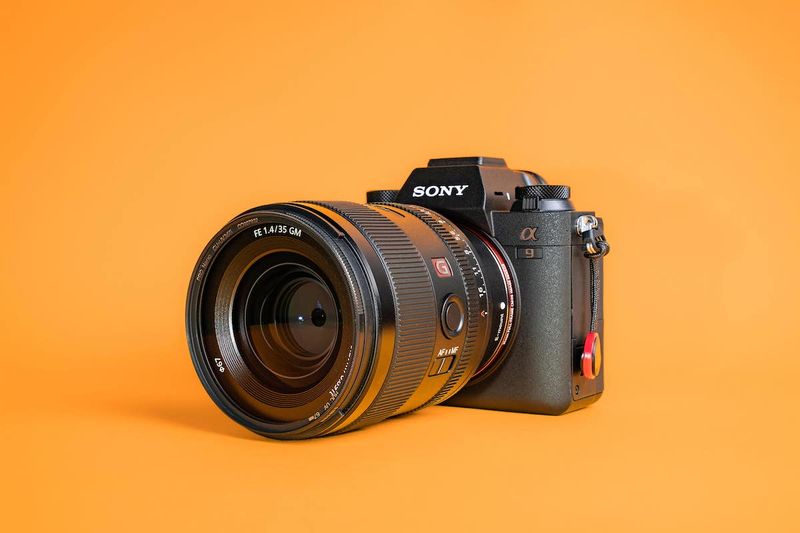
At the 2024 World Sports Photography Awards, the overall Silver winner relied on an a9 II paired with a 70-200mm f/2.8 GM to get the shot. Wins in the baseball and equestrian categories also featured this workhorse, cementing its reputation among action photographers. Editors love it because it delivers clean files under brutal deadline pressure.
Designed specifically for elite sports, the 24-megapixel stacked sensor prioritizes speed over resolution. Near-instant autofocus and automatic exposure tracking follow athletes through unpredictable movements, while deep buffers swallow hundreds of frames without choking. If your mission demands split-second timing and rock-solid reliability, this camera speaks your language. Professionals trust it to work when there are no second chances.
4.Sony a7IV
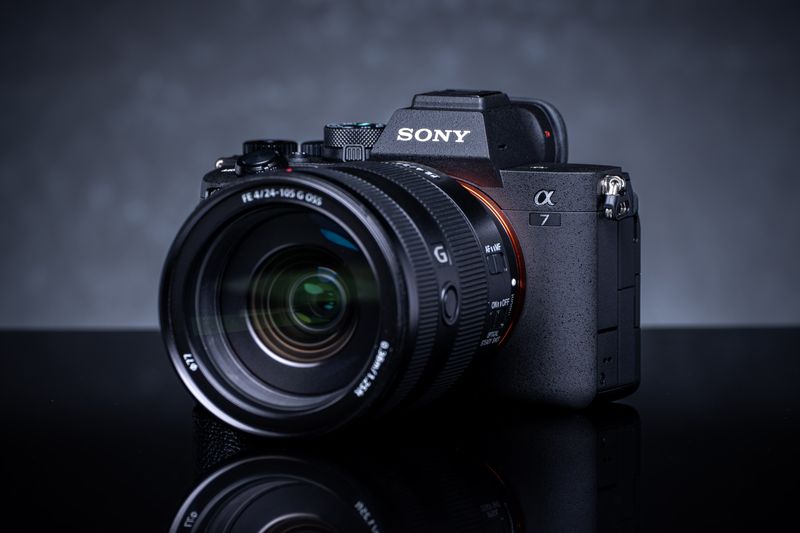
Urban and extreme sports demand a different kind of versatility, which is why the winner of the 2024 World Sports Photography Awards in this category chose an a7 IV with a 50mm macro lens. This combination balances sharpness, speed and creative flexibility in tight and unpredictable environments. Photographers love its versatile nature for mixed assignments ranging from action to intimate features.
A 33-megapixel sensor hits the sweet spot between resolution and file size, while autofocus and color science handle everything from skatepark grain to portrait warmth. You won’t need to switch bodies when your brief changes during filming. Smart photographers appreciate a reliable system that scales without compromise, making this camera a favorite among photojournalists and commercial professionals.
5. Sony Alpha 1 (a1) – Dance of Eagles
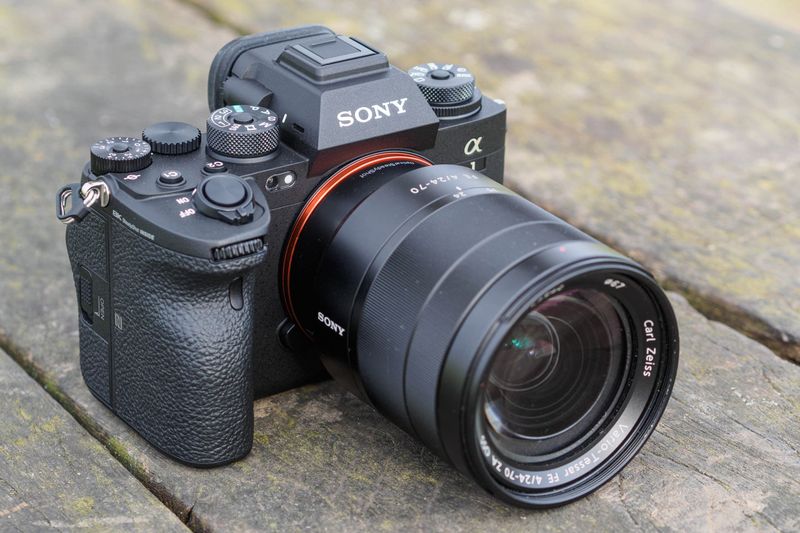
Karthik Subramaniam’s “Dance of the Eagles” didn’t just win: it took home the grand prize for National Geographic’s Photo of the Year. Sony’s behind-the-scenes featurette confirmed every detail: an Alpha 1 body, a GM 600mm f/4 lens, and EXIF data that reveals the camera’s raw power. This image instantly became an icon, celebrated around the world for its drama and technical perfection.
Why does the a1 continue to appear on winners’ podiums? Its stacked sensor eliminates rolling shutter, so fast-moving wings remain sharp instead of distorted. Blackout-free shooting means you never lose sight of your subject in the middle of a burst. For photographers seeking unique moments in wildlife, this camera removes technical barriers and lets artistry shine through every image.
6. Sony a7 III
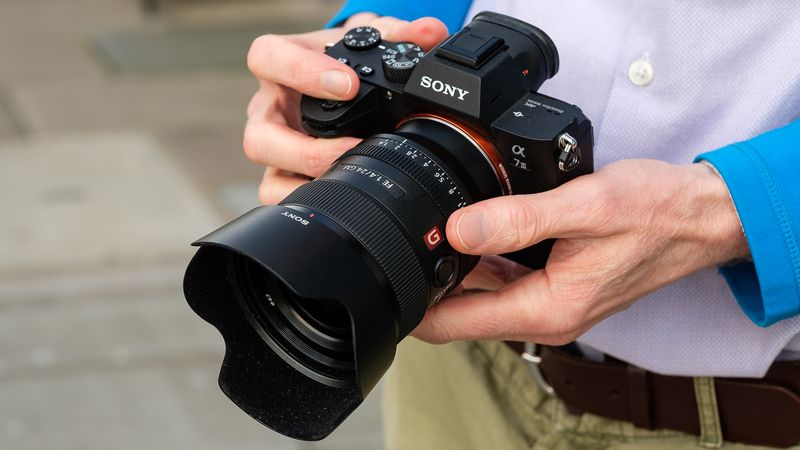
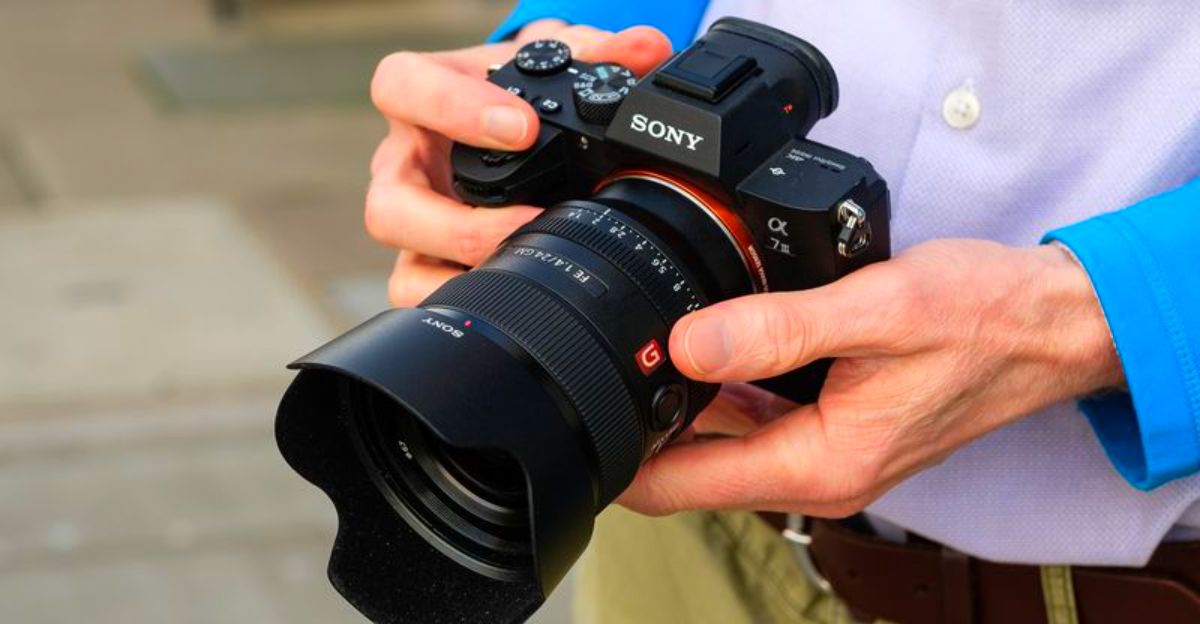
An independent analysis of the Astronomy Photographer of the Year shortlists revealed a surprising champion: the a7 III appeared more often than any other camera among the winners and top-ranked entries. The prestigious Royal Observatory Greenwich competition has seen countless astrophotographers trust this model to capture the cosmos. Its popularity proves that cutting-edge technologies are not always necessary when the fundamentals are strong.
Balanced performances explain his domination. Good low-light capability, reliable autofocus, and excellent battery life matter more than megapixel bragging rights when you’re shooting all night under desert skies. Astrophotographers value reliability and clean high ISO files over flashy features. Sometimes the best tool is simply the one that works every time, delivering consistent results without drama or compromise.