
Affiliate Disclosure:
As an Amazon Associate, I earn from qualifying purchases. Learn more
Smartphones have come a long way, but dedicated travel cameras still offer sharper images, better zoom, and controls that make capturing memories easier and more fun. Whether you’re exploring bustling city streets or hiking mountain trails, the right camera can turn ordinary snapshots into stunning memories. This list highlights ten standout options that outperform phones in image quality, versatility, and creative potential.
Fujifilm X100VI
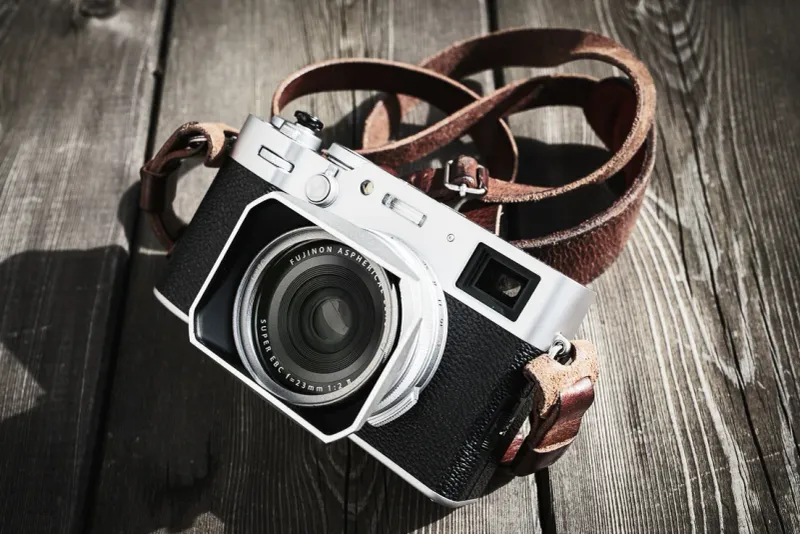
Compact power plants can’t get any better than this. The Fujifilm X100VI features a 40-megapixel APS-C sensor paired with a bright f/2 fixed lens, delivering sharp, vibrant photos that rival much larger cameras. Built-in stabilization keeps shots steady even when you’re on the move, while film simulation modes add an artistic touch straight from the camera.
TechRadar and The Cotswold Photographer both rate it as one of the best compacts for traveling in 2025. Its retro design turns heads and the image quality speaks for itself. Keep in mind that the fixed lens means no optical zoom: you’ll have to move closer or reframe later, which can feel limiting in some situations.
Sony RX100 VII
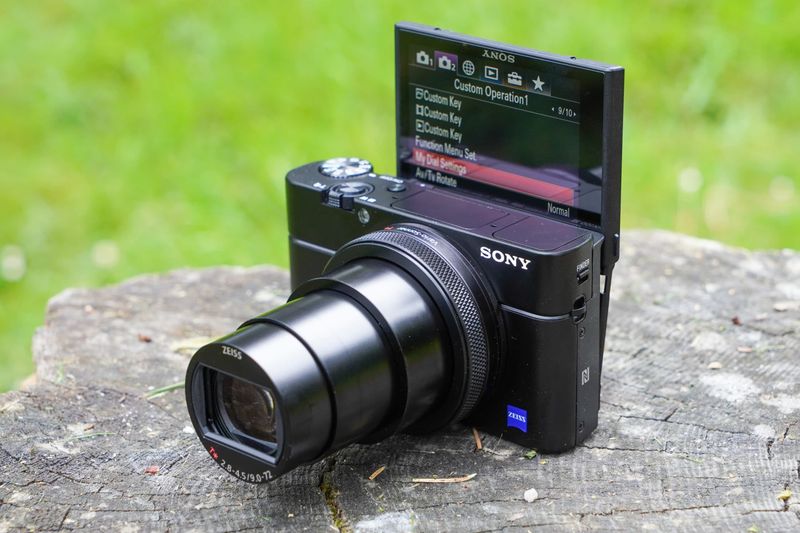
RTINGS crowned it the “Best Compact Travel Camera Tested” and it’s easy to see why. A versatile 24-200mm equivalent zoom lens covers everything from vast landscapes to distant details, while autofocus with real-time tracking locks on to subjects with impressive speed. It fits in a jacket pocket while offering pro-level features like 4K HDR video and a built-in ND filter.
Battery life can drain quickly during intensive shooting sessions, so it’s a good idea to carry a spare. The 1-inch sensor also struggles more in low light than larger APS-C or full-frame options, but for daytime adventures and portability, few cameras match its balance.
OM OM-5 II system
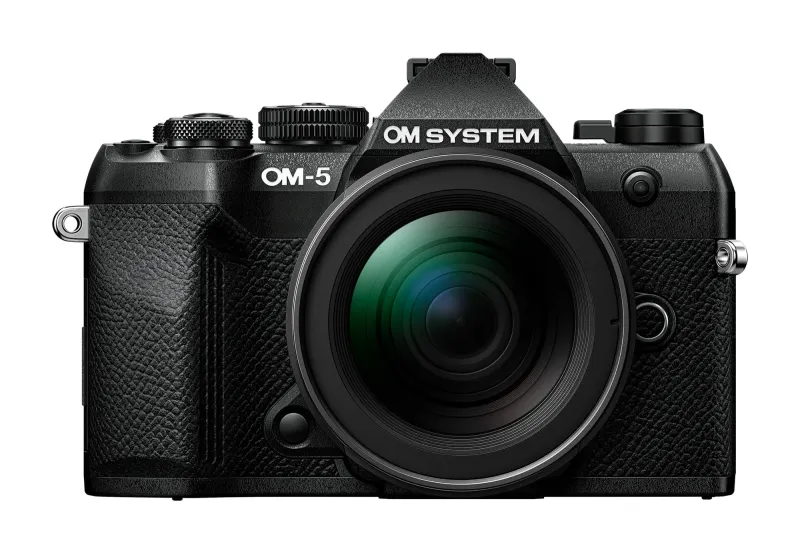
Built for adventure, the OM-5 II resists dust, splashes and shocks with its waterproof body. TechRadar touts its portability and stabilization as a top travel pick, and the built-in 5-axis stabilization really shines when shooting handheld in difficult conditions. Live ND filters and computational photography features add creative possibilities without additional equipment.
The Micro Four Thirds sensors provide excellent results in good light, but can’t quite match full-frame performance when darkness falls. The lens selection is wide, but some telephoto options add noticeable weight. Still, for travelers who prioritize durability and compact size, this camera fits the bill.
Ricoh GR III / GR IIIx
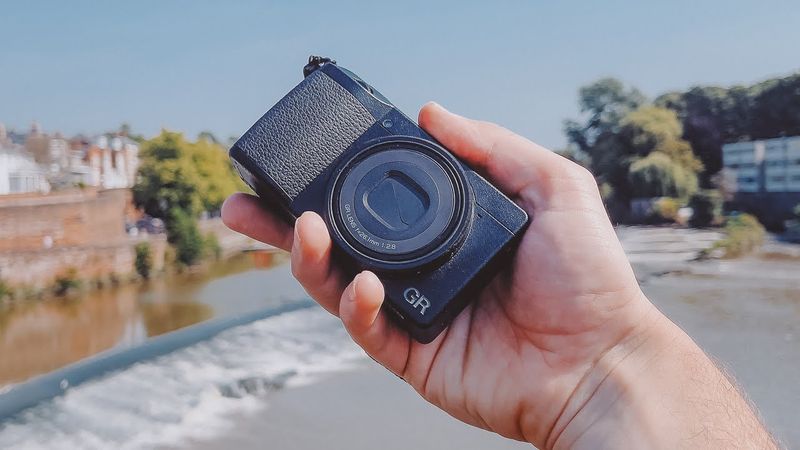
Slip it into your jeans pocket and forget about it until the perfect moment arrives. The Ricoh GR III combines a large APS-C sensor with a truly pocket-sized body, earning it praise from the Cotswold photographer as an ideal travel companion. Image quality rivals much larger cameras, and the fixed 28mm lens (or 40mm on the IIIx) encourages creative composition.
The lack of zoom means you’re committed to shooting with a prime lens, which requires some adjustment if you’re used to the versatility. Battery life is modest, and the lack of a viewfinder on most versions might bother some. Yet for street photography and candid shots, few cameras disappear so easily while delivering such impressive results.
Nikon Z fc
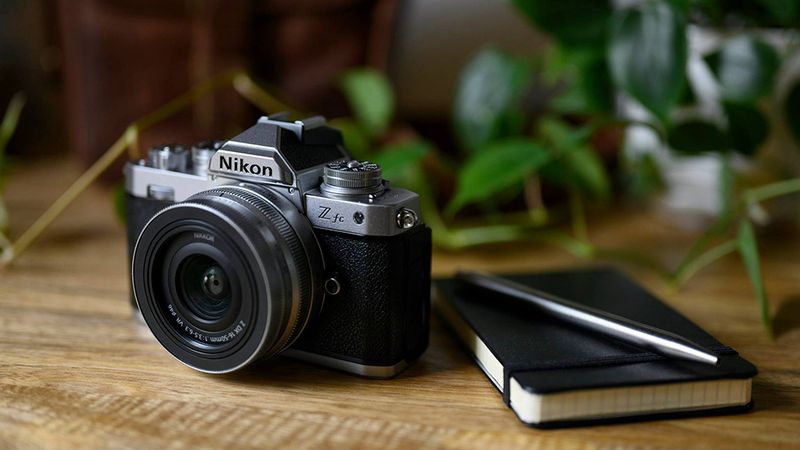
Nostalgia meets modern technology in this eye-catching mirrorless case. TechRadar includes the Z fc in its list of travel cameras, and one look at it explains why: the vintage dials and classic styling make photography an art form again. Underneath the retro exterior, you’ll find a 20.9-megapixel APS-C sensor, fast autofocus, and excellent video capabilities that satisfy both amateurs and serious shooters.
Carrying extra lenses adds bulk, which slightly detracts from the compact appeal. The retro grip, while beautiful, lacks the deep contours that some photographers prefer for extended shooting. Still, if you value aesthetics and performance, the Z fc offers a delicious blend that stands out in any crowd.
Sony a7CR
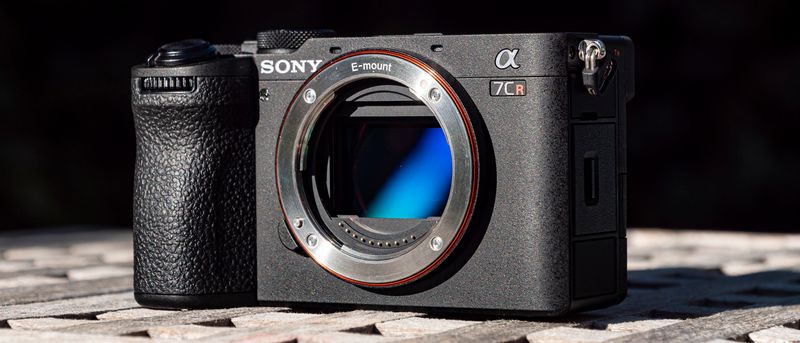
Full-frame image quality in a surprisingly small package: that’s the magic trick of the a7CR. DPReview ranks it among the best cameras for traveling in 2025, praising its excellent image quality and compact dimensions for a full-frame body. Low-light performance impresses, colors pop, and the 61-megapixel sensor captures the details that make large prints sing.
Choosing lenses carefully becomes essential to maintaining portability, as pairing them with thick glass negates the compact advantage. Full-frame systems also come with a higher price, both for the body and compatible lenses. The autofocus works well, but you’ll need to balance cost and weight when building your travel kit around this capable camera.
Fujifilm X-T50 + 16-50mm Kit
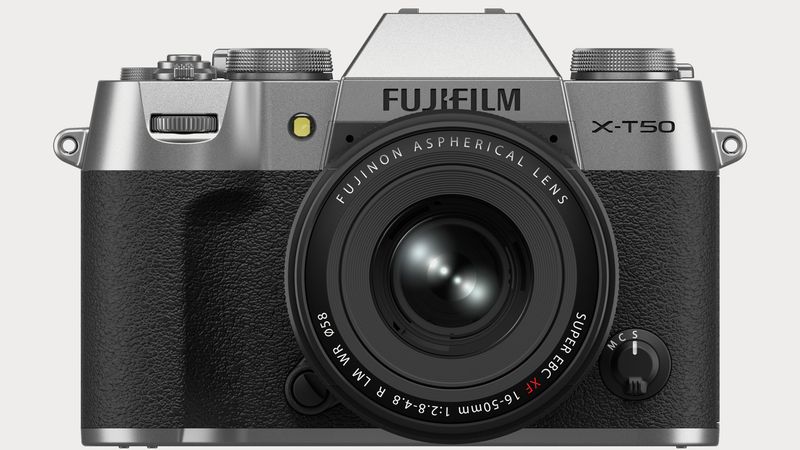
DPReview recommends this kit as a great travel setup, and it’s hard to argue with this combination. The X-T50 body offers Fujifilm’s famous color science and film simulations, while the 16-50mm kit lens provides a useful zoom range without excessive bulk. It’s a balanced option for travelers who want flexibility without carrying multiple lenses or a huge camera bag.
This kit lens, while convenient, sacrifices speed compared to faster primes: low-light situations may require higher ISOs or slower shutter speeds. The setup remains bulkier than fixed-lens compacts, so it won’t disappear in a pocket. Still, for those looking for a versatile mirrorless system that doesn’t overwhelm, this kit strikes a happy medium.
Leica Q3 / Leica Q3 43
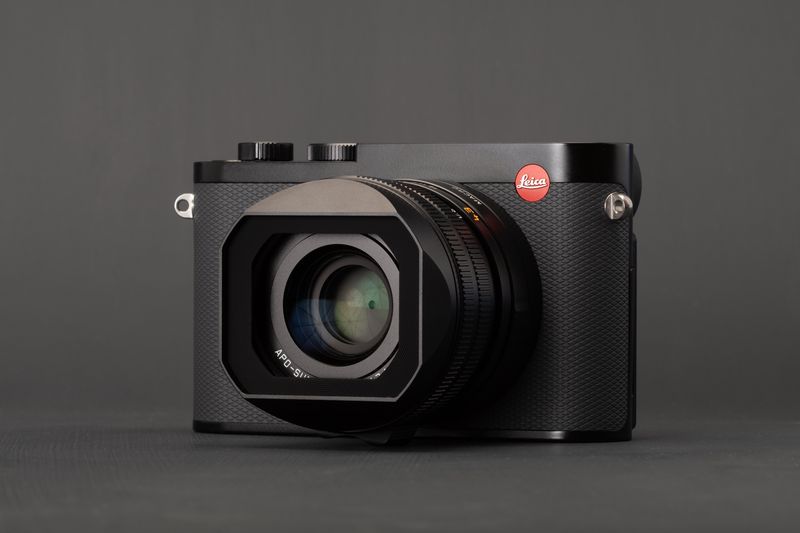
Luxury and performance converge in this rare breed: a full-frame compact with a fixed lens. The Leica Q3 43 features a stunning 60-megapixel sensor and premium optics that produce images with a distinctive look that few cameras can match. Build quality is exceptional in hand, and the fixed 43mm lens (or 28mm on the standard Q3) provides sharpness and character that justifies the high price.
That price is steep, though: This camera costs a lot more than most travel options. The fixed lens limits compositional flexibility and the body has some weight despite its compact classification. For photographers who value image quality and craftsmanship above all else, the Q3 represents the pinnacle of portable luxury.
Panasonic Lumix Travel Zoom Compacts (TZ/ZS Series)
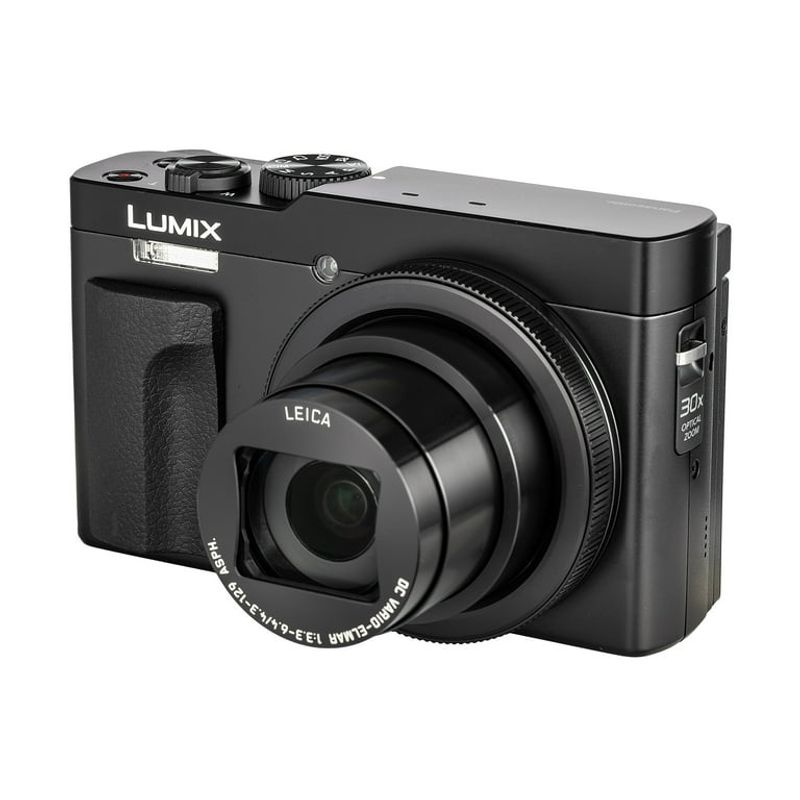
Sometimes you need zoom, lots of it, without the bulk of interchangeable lenses. TechRadar’s list of travel cameras includes these superzoom compacts for exactly this reason. The TZ/ZS series offers impressive zoom ranges in pocket-sized housings, making them ideal for wildlife, distant landmarks, or any situation where getting physically close is not possible.
Smaller sensors mean image quality suffers in low light compared to larger sensor cameras, and extreme zoom settings can introduce softness or distortion. These are trade-offs for the convenience of having 20x, 30x or even more zoom range in a single compact body. For travelers who value versatility over ultimate image quality, these cameras offer remarkable flexibility at reasonable prices.
Canon PowerShot G7 X Series
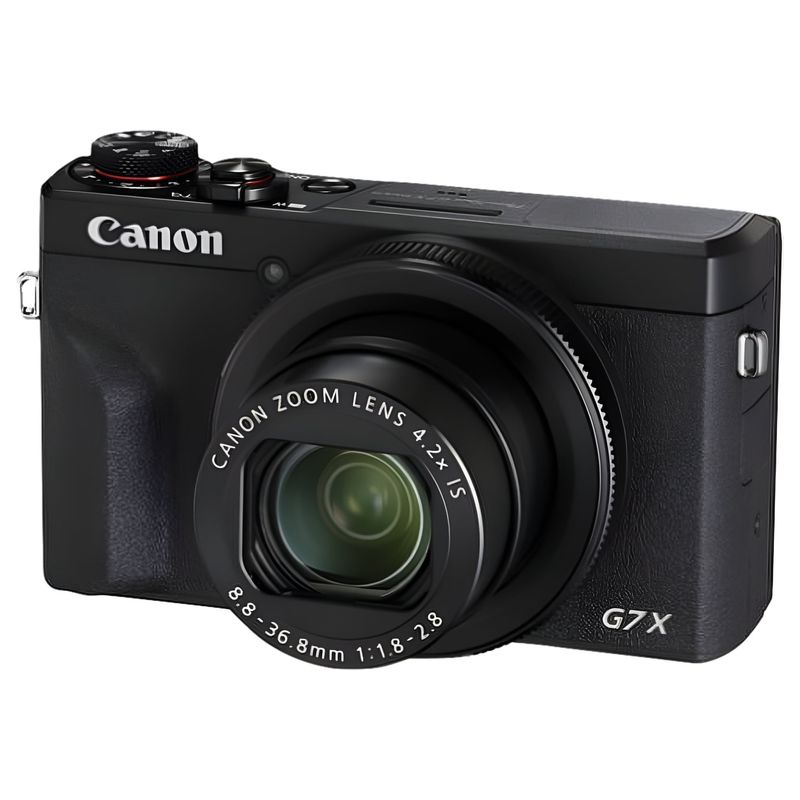
Balance is this camera’s calling card: it doesn’t excel in any particular area, but performs admirably across the board. 9Meters ranks it among the best travel compacts for 2025, thanks to its 1-inch sensor, decent zoom range, and user-friendly interface. It’s a reliable companion that fits easily into a bag and produces satisfying results without a steep learning curve.
Sensor size limits performance in difficult lighting compared to larger sensors, and older models may lag behind in stabilization or video features. Battery life is adequate but not exceptional. Nevertheless, for travelers looking for a simple and efficient compact without breaking the bank or weighing down their luggage, the G7 X series remains a solid and reliable choice.