
Flying should be exciting, not stressful. Yet a small mistake on your boarding pass can turn your dream vacation into a nightmare at the gate. From mismatched names to expired documents, these common mistakes catch thousands of travelers off guard each year and most are completely avoidable.
1. Your name doesn’t exactly match your ID
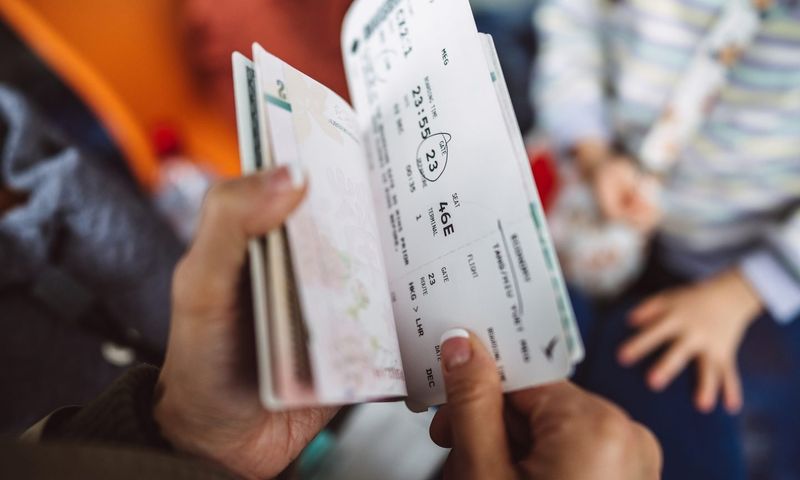
A small typo can halt your journey before it begins. Airlines follow TSA’s Secure Flight rules, which require that every letter on your boarding pass perfectly match your government-issued ID: middle name, initials, hyphens, etc.
A nickname, missing middle name, or misspelled last name will raise red flags at security. The agent may refuse to let you board, forcing you to scramble to rebook.
Before booking, check your airline profile and compare it to your driver’s license or passport. Update your loyalty account with your full legal name. If you notice an error after check-in, contact the airline immediately and reprint your pass with the corrected details.
2. You show up without a REAL ID (US domestic)
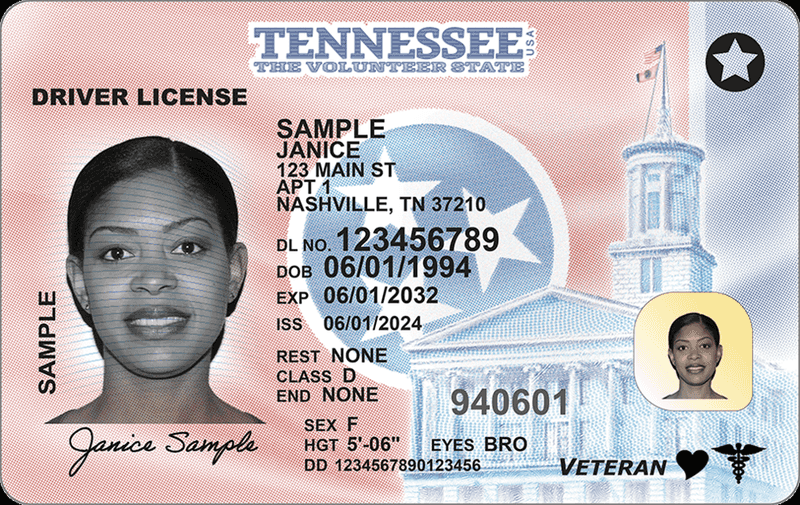
May 7, 2025 changed everything for domestic travelers. TSA now enforces REAL ID requirements nationwide, meaning adults eighteen and older must present a compliant permit or other approved identification, such as a passport, at each checkpoint.
Non-compliant licenses can trigger an additional check or an outright refusal at security, even if your boarding pass looks perfect. Look for the star symbol in the corner of your ID card; no stars generally means non-compliant.
Check the TSA’s official list of acceptable IDs before your trip. If your license is not REAL ID ready, carry your passport with you instead. Renewing your ID card in advance avoids last-minute panic at the gate.
3. You miss airline check-in and boarding deadlines
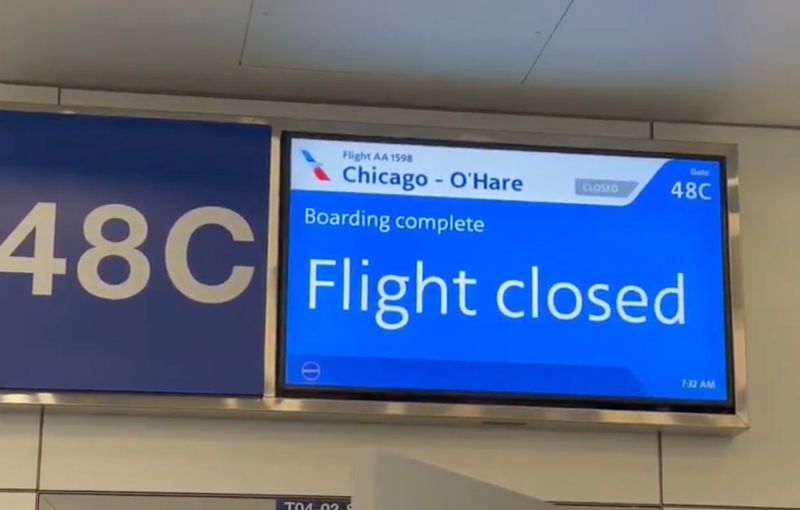
Airlines do not change their schedules for anyone. Delta closes the boarding gate fifteen minutes before departure; United now requires home check-in forty-five minutes in advance. If you miss this window, your boarding pass will become worthless paper.
Carriers publish these deadlines to keep flights on schedule, and gate agents have no flexibility once the time runs out. Even premium ticket holders are left behind if they arrive late.
Look for your airline’s specific denominations based on your route and the size of your airport. Allow a cushion: two hours for domestic flights, three for international flights. Traffic jams and long security lines won’t wait, so you shouldn’t wait either.
4. You rely solely on a mobile pass, then your phone turns off
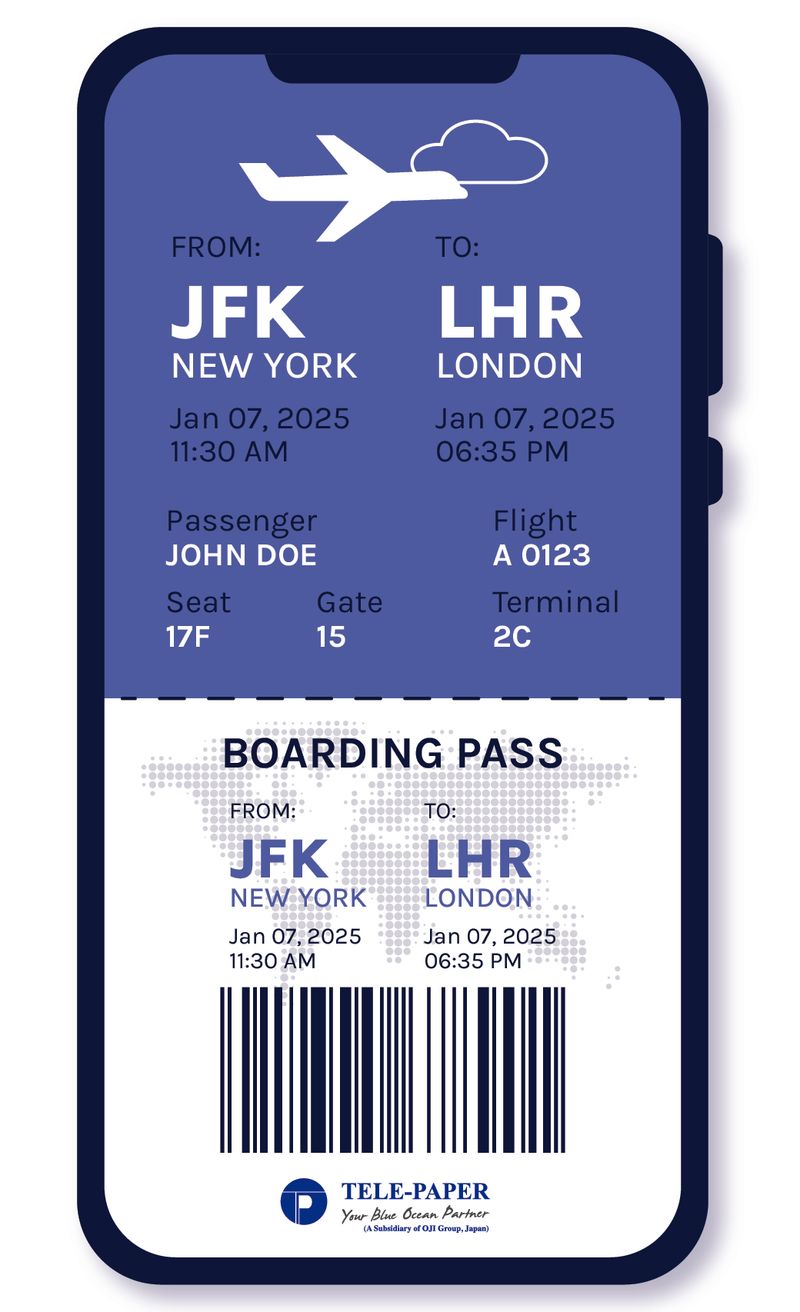
Mobile boarding passes stay in your phone wallet, until your battery reaches zero percent. App issues, weak airport Wi-Fi, and scanner outages can all leave you stranded at security or the boarding gate, frantically searching for a charger.
The travel experts at Travel + Leisure recommend carrying a paper backup for precisely this reason. Although American Airlines confirms the reliability of mobile pass scanning, the technology is not foolproof.
Download your pass to Apple Wallet or Google Pay, then print a copy at home or pick one up at an airport kiosk. That extra sheet of paper weighs nothing but can save your entire trip when technology fails you.
5. You post your boarding pass online (or throw it away intact)
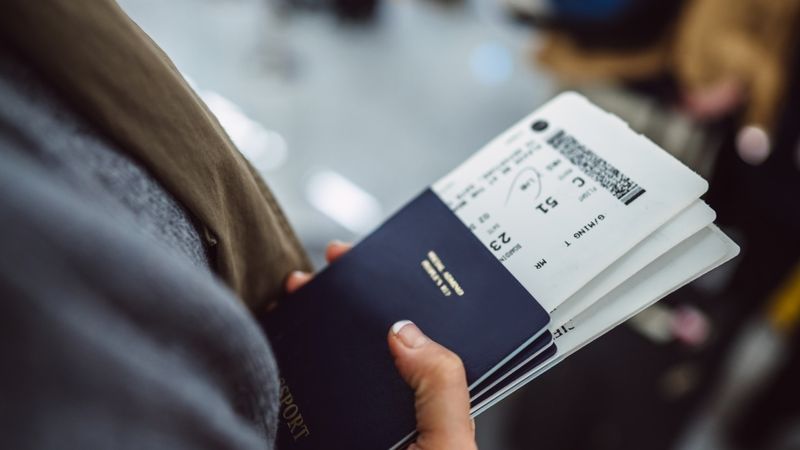
That Instagram photo of your boarding pass may seem innocuous, but the barcode hides a goldmine of personal data. Security researchers have repeatedly demonstrated how easy it is to decode booking references, frequent flyer numbers and travel details from a single scan.
Identity thieves and hackers monitor social media for precisely these posts. Once they have your information, they can access your reservation, change seats or even cancel flights.
Treat your boarding pass like a credit card statement. Never share photos online and shred hard copies before throwing them away. A few seconds of caution protects weeks of planning from digital criminals.
6. Your TSA PreCheck never appears on the pass
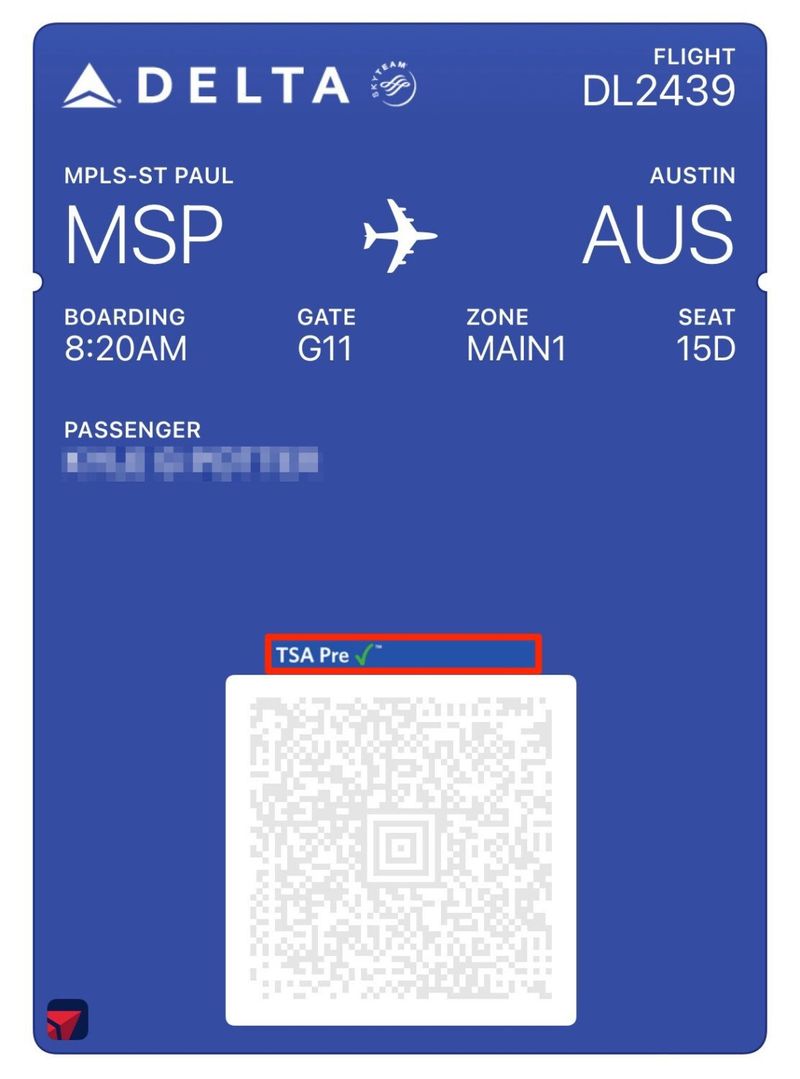
You paid for PreCheck, but your boarding pass sends you to the usual security snake line. The culprit? Your Known Traveler Number is not linked to this specific reservation, or your name and date of birth do not exactly match TSA records.
Without that PreCheck indicator printed on your pass, officers will wave you over for a standard check: shoes off, laptop out, belt unbuckled. All that membership money wasted on one trip.
Add your KTN to your airline loyalty profile before booking a ticket. Double-check the spelling and date of birth that matches your PreCheck application. If you add it after check-in, reissue your boarding pass so the magic words appear.
7. You assume that a printed/screenshot pass never becomes expired
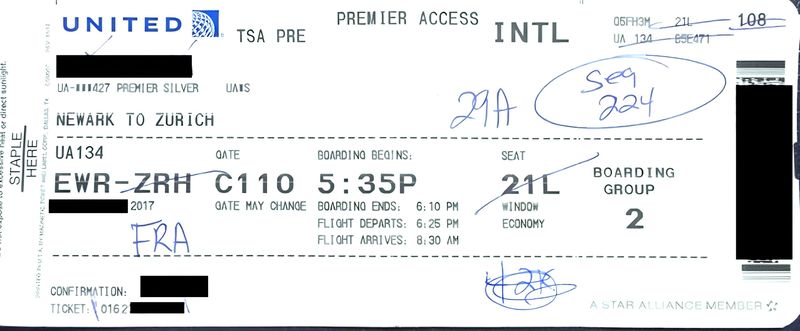
The boarding pass you printed yesterday may already be outdated. Any changes to your reservation (reassigning seats, changing doors, or adding your PreCheck number) may invalidate older versions, even if the barcode is still scanned at first glance.
American Airlines explicitly warns passengers to obtain a new pass after updating their known traveler number. Relying on outdated screenshots or crumpled printouts creates security confusion and delays at the gate.
Every time you change anything in your reservation, re-download the pass to your phone wallet or reprint it at an airport kiosk. Always use the most recent version to avoid surprises when scanning.
8. You think a boarding pass guarantees entry when a visa/ESTA is required
A boarding pass in hand does not equate to permission to enter a foreign country. U.S. visa-waiver travelers must obtain ESTA authorization before departure, and eligibility is determined only when you land, not when you check-in.
Airlines check travel documents during check-in, but they are not immigration agents. Missing or expired ESTA, visa or eTA approvals may result in denied boarding, even with a valid ticket and pass.
Research entry requirements for each destination weeks before your flight. Apply for ESTA, visas or electronic travel authorizations early and confirm approval status before heading to the airport. Your boarding pass opens the plane door, not the border.
9. You ignore the passport validity rules linked to your pass
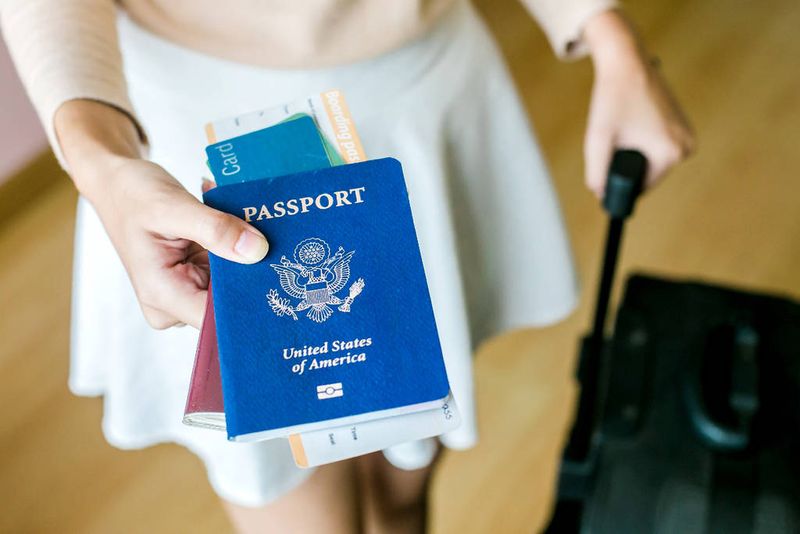
Many countries won’t let you board if your passport expires too soon, even if it’s technically valid for your travel dates. The famous “six-month rule” requires passports to remain valid for six months after your stay, although some countries exempt American travelers.
Customs and Border Protection publishes a detailed list of countries and their specific validity requirements. Check-in agents will prevent you from boarding if your passport does not follow the destination’s rules, effectively turning your boarding pass into useless paper.
Check your destination’s passport validity requirements months in advance. Renew early if you cut it close. Don’t assume that your boarding pass alone gets you on the plane: your passport’s expiration date is just as important.
10. You cut it too close to the gate time printed on your pass
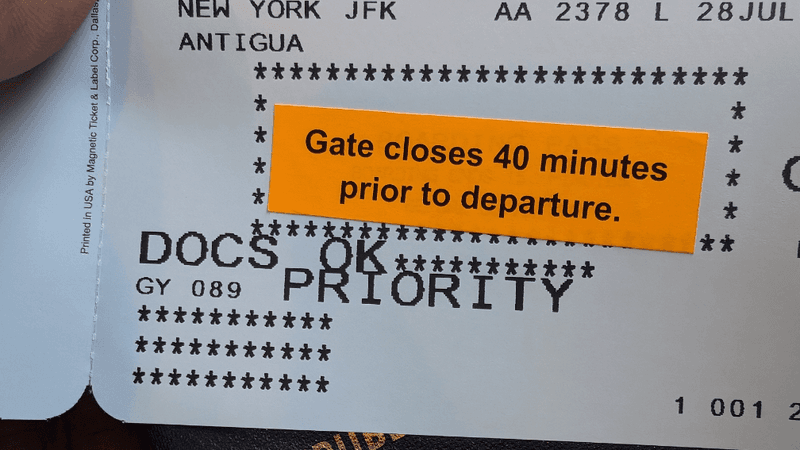
Door times are not suggestions, they are deadlines. Delta requires passengers to show up at the gate fifteen minutes before departure, and some airports require arrival even earlier. Walk by the printed boarding time and you may find the gate already closed.
Large airports add another level of complexity: Passages through concourses can take ten minutes or more, and unexpected gate changes occur constantly. Cutting it closely leaves no room for error.
Plan to reach your gate well before the designated time, especially in sprawling hubs like Atlanta or Denver. Consider security expectations, restroom stops, and distances between terminals. Early arrival beats sprinting through the halls every day.