
Carrying a heavy pack can turn an exciting adventure into a grueling trail, but ultralight backpacking offers a smarter path forward. By carefully choosing lighter gear and ditching unnecessary items, hikers can move faster, feel less tired, and fully enjoy the wilderness. Whether you’re planning a weekend getaway or a multi-week trip, these proven strategies will help you shed pounds from your pack without sacrificing safety or comfort.
1. Understand Base Weight as a Starting Point
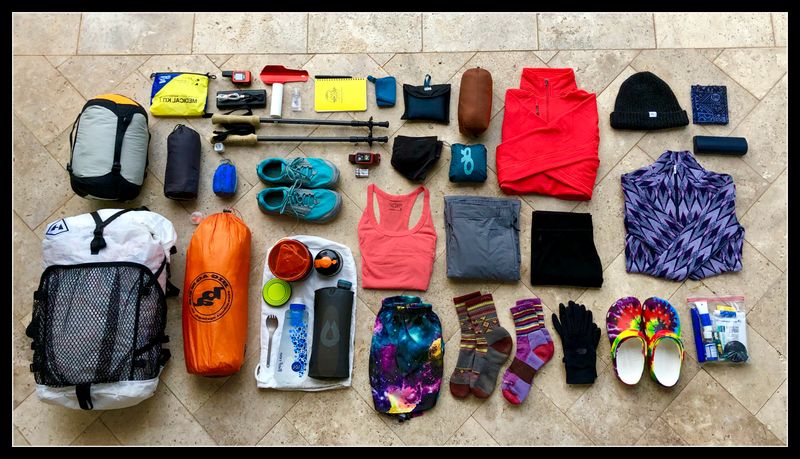
Base weight refers to everything in your bag except food, water, and fuel. This number becomes your personal benchmark for measuring progress toward an ultralight setup. Many experienced hikers target a base weight of less than 10 pounds, although your ideal number depends on the terrain and season.
Knowing your base weight helps you identify which items add the most weight. Weigh each piece of equipment individually and record it in a spreadsheet or app. Once you see the numbers, you’ll quickly spot the most serious offenders who are worth replacing or eliminating.
This measure turns packing into a science, giving you clear goals to achieve during your ultralight trip.
2. Tackle the Big Three First for Maximum Impact
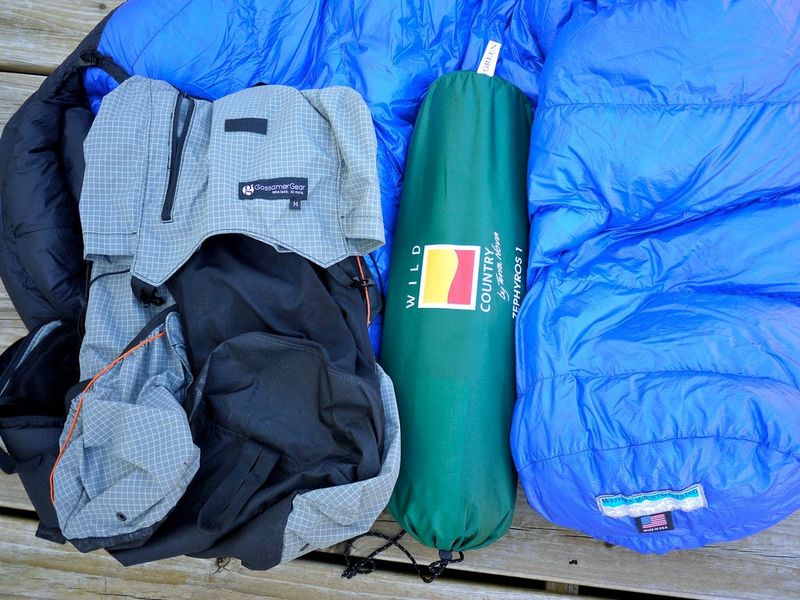
Your shelter, sleeping system, and backpack together make up what hikers call the Big Three. These items typically make up the majority of your base weight, making them your best opportunity for dramatic improvement. Swapping a five-pound tent for a two-pound tarp shelter instantly shaves three pounds off your load.
Sleep systems include your sleeping bag or comforter as well as your sleeping pad. Choosing a down comforter instead of a traditional mummy bag can save a pound or more. Likewise, replacing a heavy internal frame pack with a simplified ultralight version significantly reduces weight.
Start your weight reduction journey here rather than obsessing over small items like toothbrush handles.
3. Why down insulation wins the weight battle
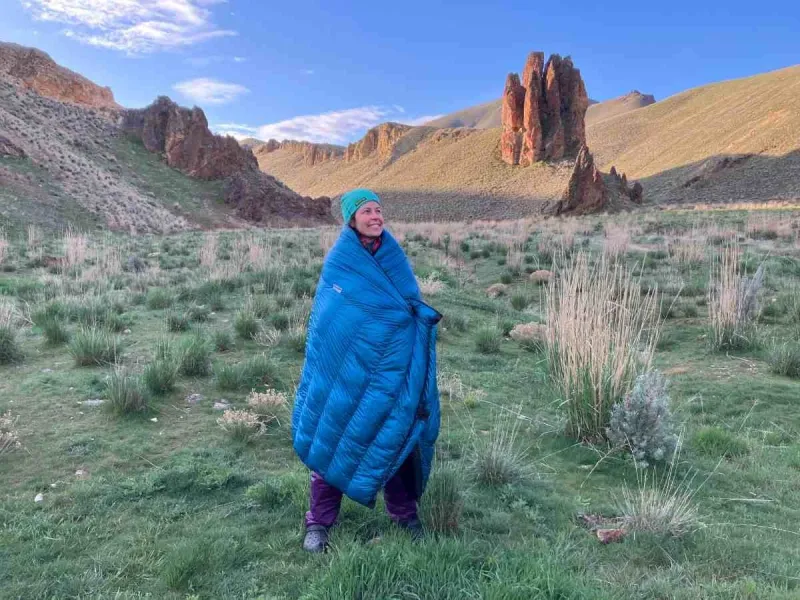
Down feathers create tiny air pockets that trap heat while weighing remarkably little. This high warmth-to-weight ratio makes down the preferred insulation choice for ultralight enthusiasts. A quality down sleeping bag or comforter compresses into a package smaller than a water bottle while keeping you warm on cold nights.
Modern down often comes with water-resistant treatments that help it perform better in humid conditions. The main disadvantage remains its vulnerability when soaked: wet down quickly loses its insulating power. Pair your down gear with reliable waterproof stuff sacks and rain protection to avoid problems.
For most three-season conditions, treated down hands down outperforms synthetic insulation in terms of weight.
4. Alternative shelters that abandon traditional tents
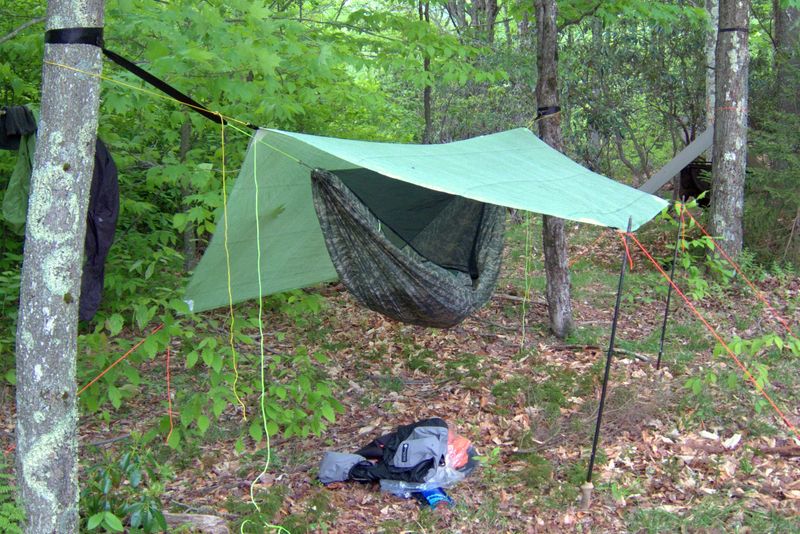
Double-walled tents offer comfort and protection, but carry weight that many ultralight backpackers refuse to pay for. Tarps combined with insect netting provide excellent coverage while weighing a fraction of conventional tents. Some adventurers opt for even lighter bivouac bags, waterproof covers that slip over your sleeping bag.
Hammock systems with built-in mosquito nets and rain flies create another viable option, especially in areas where flat terrain is limited. Each alternative requires learning new configuration skills and accepting different compromises in comfort and weather protection.
Test out these lighter shelter styles on short trips before committing to longer adventures in harsh conditions.
5. Mattresses that balance comfort and ounces
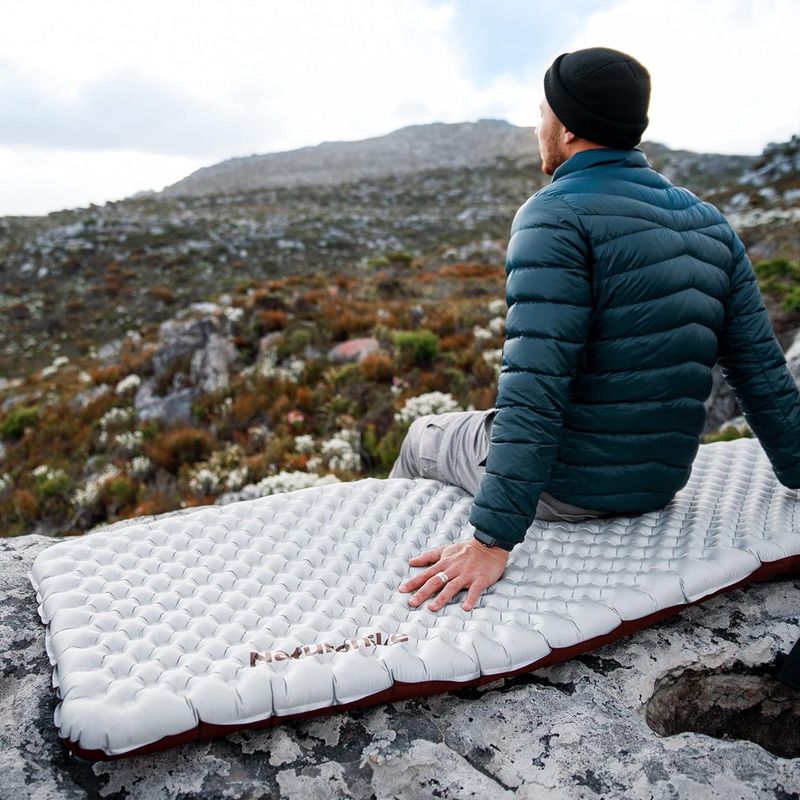
Modern air cushions provide surprising comfort while keeping weight incredibly low. These inflatable mattresses use advanced materials to provide cushioning and insulation without the bulk of older self-inflating models. Torso-length versions reduce weight even more by covering only your shoulders down to your hips.
Some ultralight purists prefer thin, closed-cell foam pads that won’t puncture or fail. You can cut the foam pads to custom lengths or use your backpack under your legs for extra insulation. The right choice depends on the comfort you need to sleep well.
Cold sleepers should pay attention to R-values to ensure adequate insulation from the cold ground below them.
6. Smart strategies for managing food, water and fuel
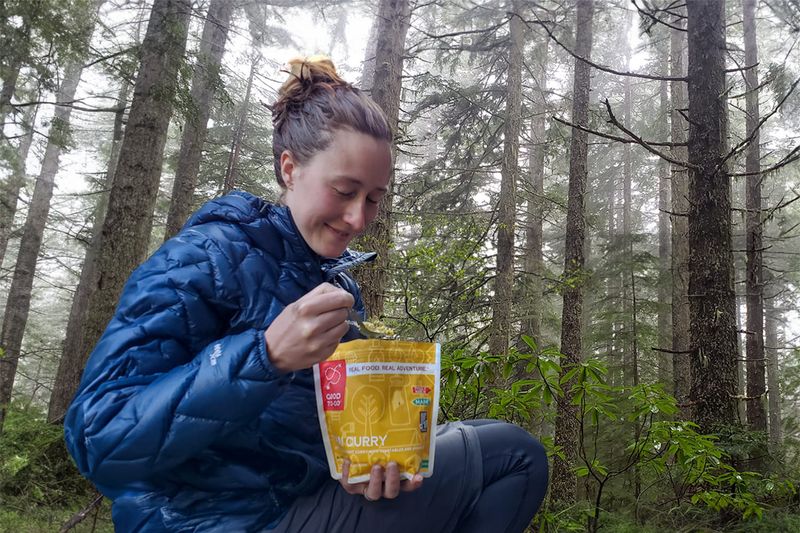
After you’ve optimized your gear, consumables become the heaviest item in your pack. Water weighs about two pounds per gallon, so carrying gallons quickly becomes impractical. Study your route to identify reliable water sources where you can refill frequently rather than carrying days at a time.
High-calorie dehydrated foods contain maximum energy in minimum weight and volume. Soaking meals cold in a lightweight jar completely eliminates the need for a stove and fuel, although some hikers prefer the morale of hot dinners. Repackaging store-bought meals in thin plastic bags eliminates unnecessary cardboard and weight from containers.
Balance your nutritional needs with weight reality by carefully planning each day’s menu before your trip.
7. Versatile equipment philosophy reduces redundancy
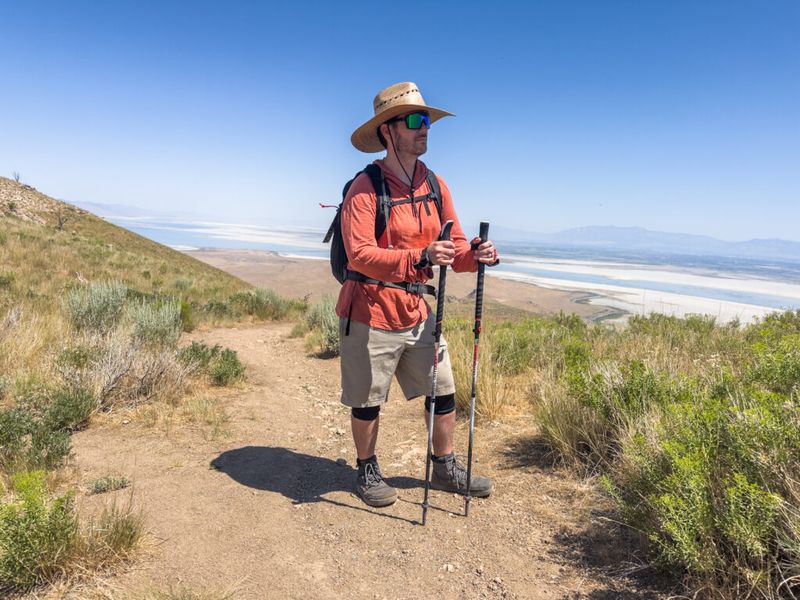
Carrying five items when two would do the same job makes no sense in ultralight thinking. Trekking poles that double as tent poles eliminate the need for separate shelter supports, instantly saving several ounces. Your rain jacket also serves as wind protection, eliminating the need for a dedicated windbreaker.
Layers of clothing worn during the day can supplement the warmth of your sleeping bag at night instead of packing a heavier bag. A bandana works as a washcloth, towel, potholder, or pre-filter for cloudy water sources. Creative hikers are constantly discovering new ways to make gear double or triple.
Before adding an item, ask yourself if anything already in your pack could handle this job adequately.
8. Weigh everything and question every element
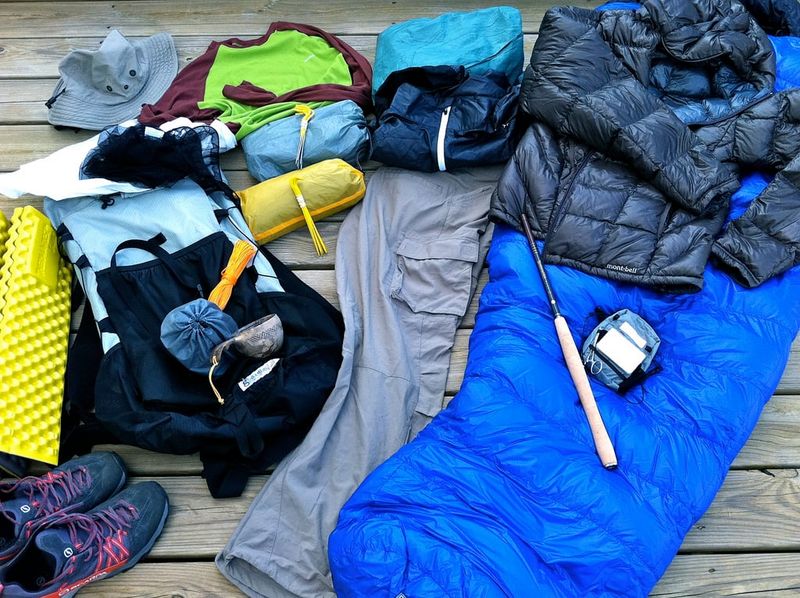
You can’t manage what you don’t measure, which is why serious ultralight hikers weigh every piece of gear. Digital kitchen scales accurate to the tenth of an ounce reveal surprising truths about your equipment. That storage bag you thought was light could weigh twice as much as a simple plastic bag.
Recording weights in a spreadsheet allows you to sort items from heaviest to lightest, immediately indicating where to focus your efforts. After each trip, examine the items you actually used versus those that remained untouched. Unused equipment represents wasted weight that should stay at home next time.
This methodical approach transforms the habit of packing into intentional decision-making based on real data and experience.
9. Recognize the trade-offs of switching to ultralight
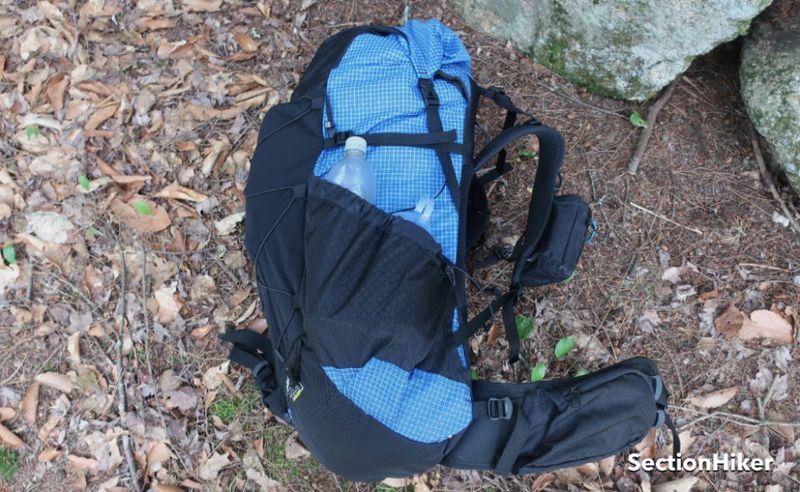
Lighter materials generally mean thinner fabrics that tear or wear out more quickly than thicker alternatives. An ultralight tent made from delicate nylon requires more careful handling than a sturdy canvas shelter. You’ll need to decide whether weight savings justify more frequent equipment replacement or field repairs.
Too little weight can compromise comfort or safety margins in the event of unexpected weather conditions. Ultralight equipment often costs significantly more than conventional options because manufacturers use specialized materials and expensive construction techniques. Budget constraints could slow down your transition to lighter equipment.
Finding your personal balance between weight, durability, comfort and cost requires experimentation and an honest self-assessment of your priorities.
10. Start gradually with Shakedown hikes
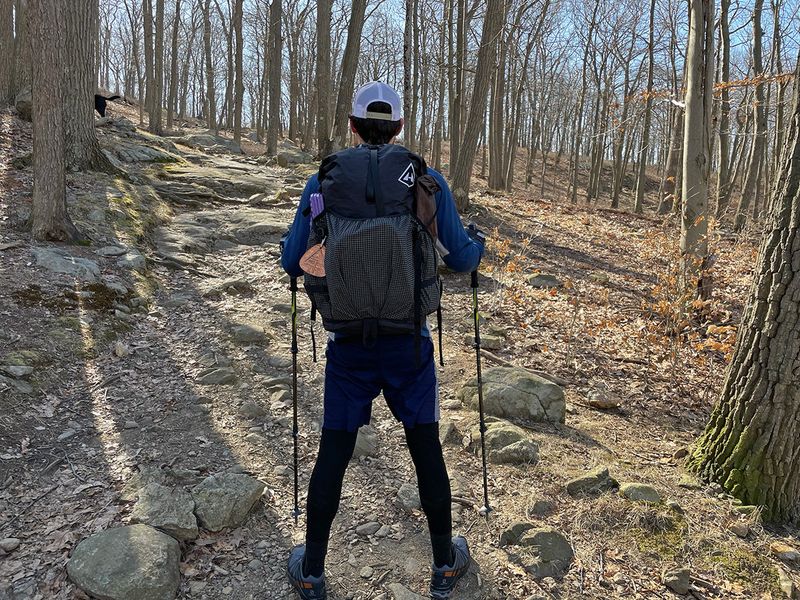
Jumping straight into a week-long ultralight expedition with untested gear is likely to be disastrous. Short overnight trips or even day hikes with your full pack loaded allow you to uncover problems in a low-stakes environment. You may find that your new minimalist sleep system is making you shiver or that your lighter shoes are causing blisters on your feet.
These shakedown adventures reveal the compromises you can live with and those that exceed your personal comfort threshold. Adjust your gear list based on real-world feedback rather than internet opinions or gear reviews. Each ride builds your confidence and refines your system.
Gradual progression avoids miserable experiences that might sour you on an ultralight hike before giving it a fair chance.