
Hiking takes you to some beautiful places, but being prepared makes all the difference between a great adventure and a difficult situation. The right pocket gear can solve problems, keep you safe, and help you enjoy the trail more. These compact tools won’t weigh you down, but they provide great value when you need them most.
1. Satellite Communicator for Off-Grid Security
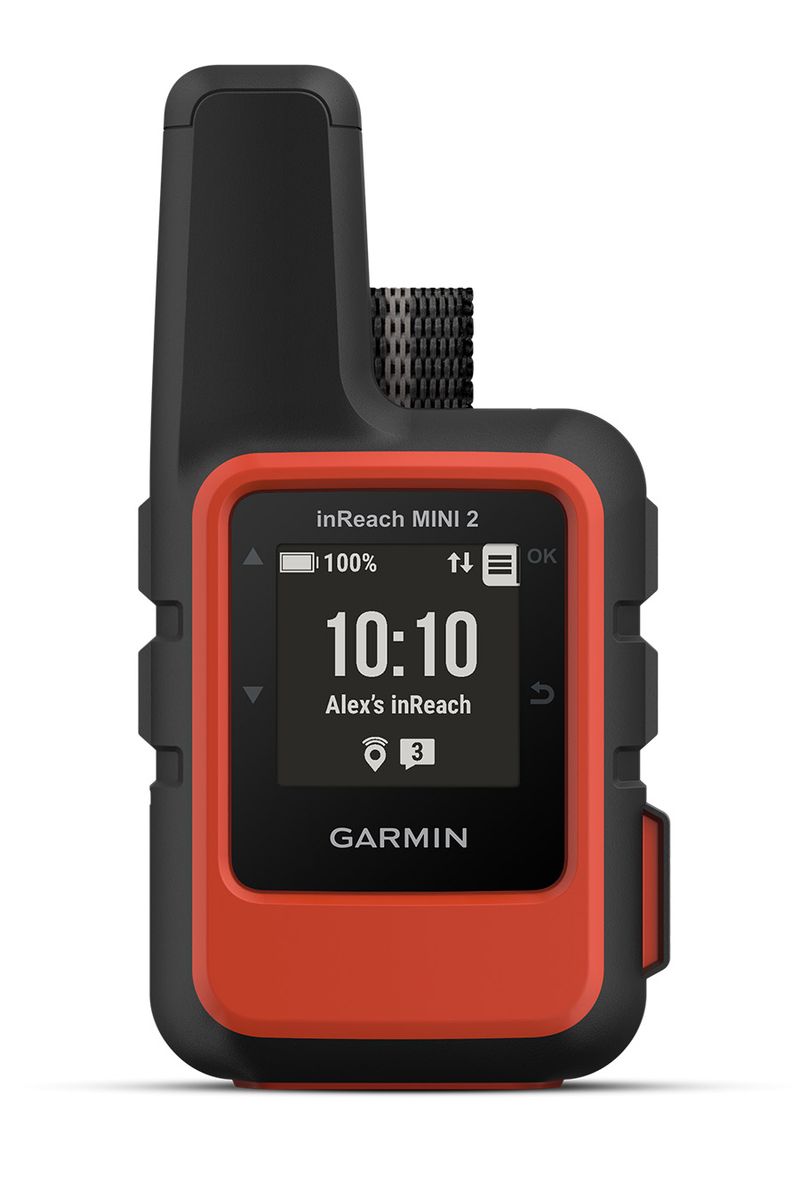
When cell towers disappear behind mountain ridges, a compact satellite communicator like the Garmin inReach Mini 2 becomes your lifeline. It sends two-way messages and emergency SOS signals via satellite networks that operate anywhere on Earth. Guides who lead serious backcountry trips consider this equipment essential.
Your smartphone may be smart, but it’s useless in remote terrain without a signal. This gadget doesn’t rely on towers or Wi-Fi.
Attach it to your hip belt or an exterior strap where you can quickly grab it in an emergency. Keep it charged and test it before heading out into the wild.
2. Compact multi-tool or pocket tool
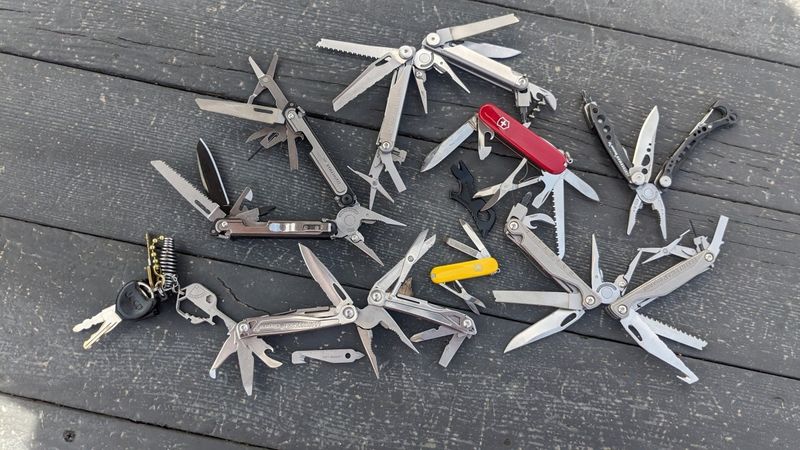
Picture this: You’re miles from the trailhead when a backpack buckle breaks or a tent pole needs adjusting. A lightweight multi-tool that fits in your pocket handles small repairs, food preparation and equipment adjustments without adding bulk. Articles about everyday carry gear for hikers always emphasize this element.
This saves you from awkward moments when something breaks and help is hours away. Look for models under 100 grams that include tools you’ll actually use.
Avoid fancy extras you don’t need. Stick it on your bag strap or in an easy-access pocket so it’s there when problems arise.
3. Compact headlamp or rechargeable lamp
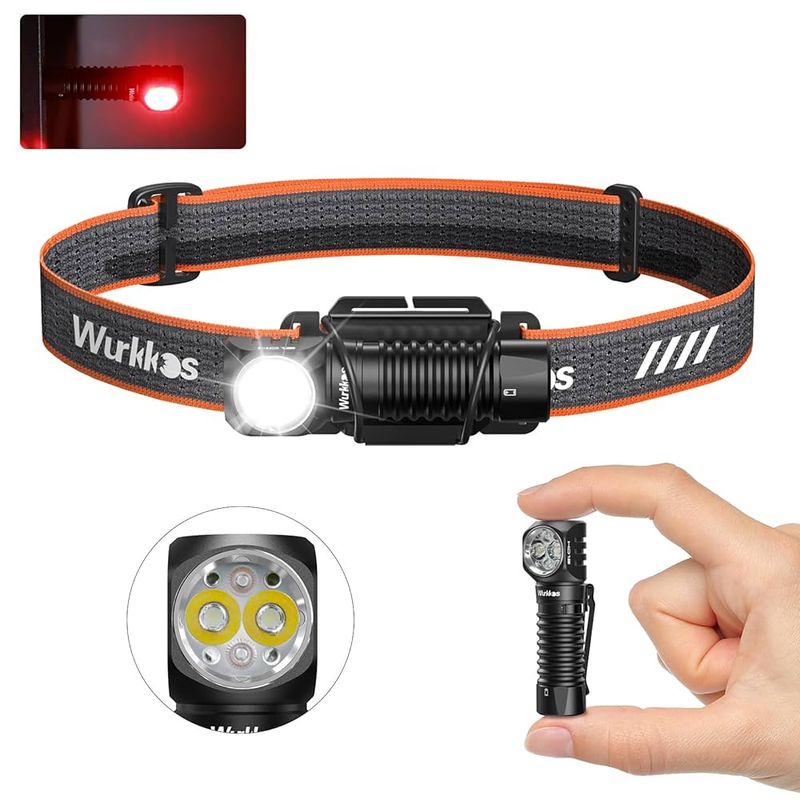
Even day hikers sometimes return after sunset or must set up camp in fading light. A compact headlamp keeps your hands free when you hit the trails, adjust your gear, or cook dinner. Reviews of cool hiking gadgets consistently cite headlamps as must-haves.
Early morning starts, unexpected delays and emergency situations all benefit from reliable lighting. Choose one with USB charging capability so you don’t have to search for batteries on the trail.
Red light mode helps preserve your night vision when you need to consult a map without dazzling you. Keep it in the top pocket of your bag for quick access.
4. Mini water filter or purifying straw
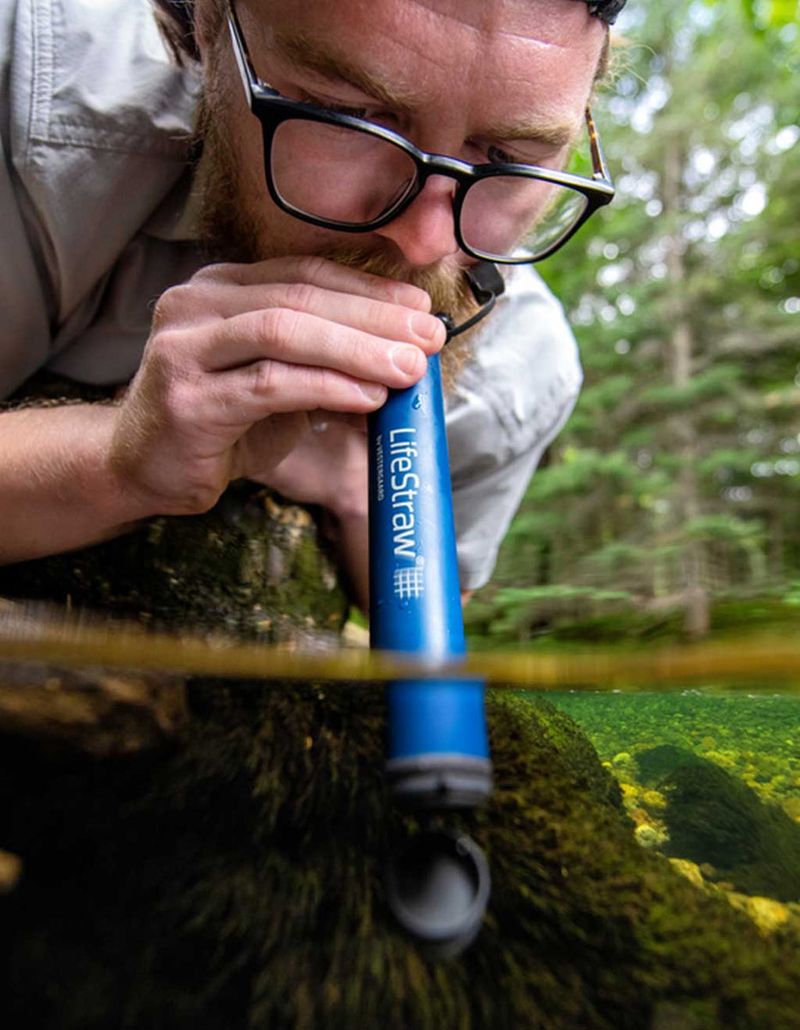
Trails don’t always have clean water sources when you need it most. A portable microfilter or purifying straw allows you to safely drink from the streams and lakes you encounter along the way. Equipment guides highlight these lightweight filters as very useful items that take up minimal space.
Staying hydrated is essential for hiking performance and safety. Access to clean water prevents illnesses that could ruin your trip or create dangerous situations.
Stash one in a side pocket where you can grab it quickly rather than burying it in the bottom of your bag. Test it at home before your hike to find out how it works.
5. Mini solar/power bank charger
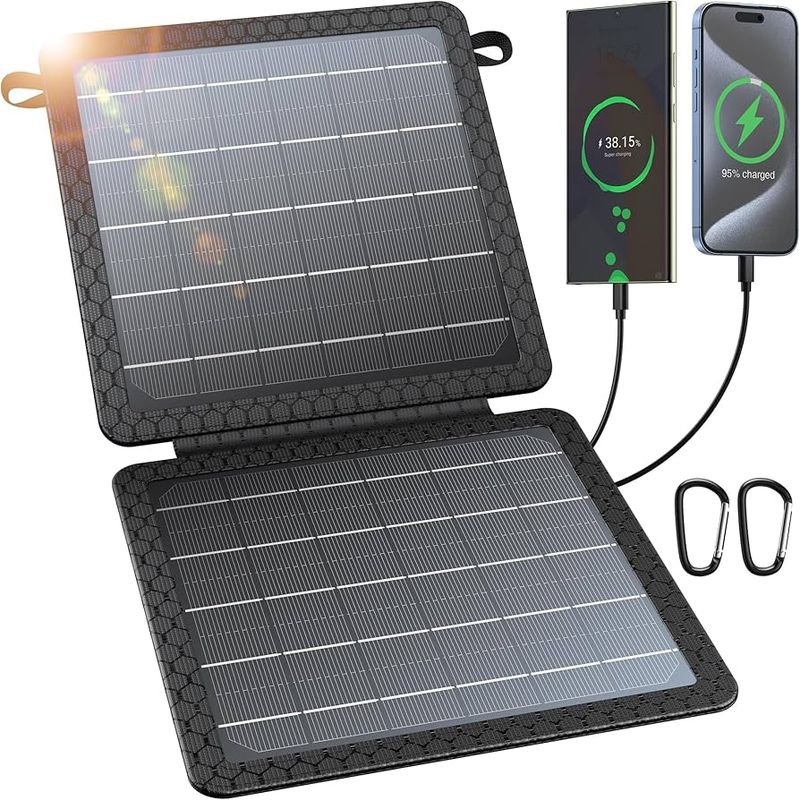
Your phone, GPS, and camera all need electricity, but there are no power outlets on the mountain trails. A small solar charger or rugged power bank is appearing in almost every 2025 gadget aimed at outdoor enthusiasts. Dead electronics can leave you stranded without navigation or contact capability in an emergency.
Look for power banks with a capacity of around 10,000 mAh or foldable solar panels that fit in your bag. Rugged, weather-resistant models handle the bumps and moisture of life on the trail better than regular chargers.
Charge it fully before leaving the house and top it off as much as possible. Attach solar panels to the outside of your pack while hiking to capture sunlight.
6. Emergency whistle or compact survival tool
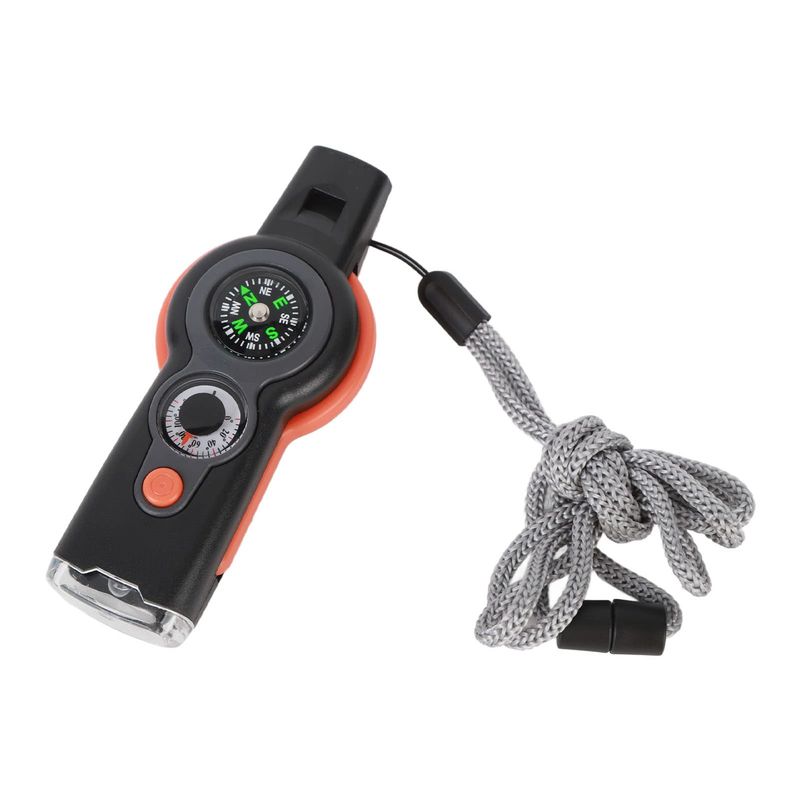
A powerful emergency whistle or survival tool combined with a fire starter, whistle and signal mirror weighs next to nothing but offers enormous value. Many must-have gear lists include this little item because it can save your life. If you are injured, lost, or separated from your group, a whistle goes further than a scream.
Your voice fades after a few minutes of screaming. This is not the case with a whistle.
Attach it to your chest strap or somewhere accessible even if you are injured and on the ground. Choose bright colors that rescuers can easily spot. Practice the universal distress signal: three short sounds.
7. Compact compass/GPS watch
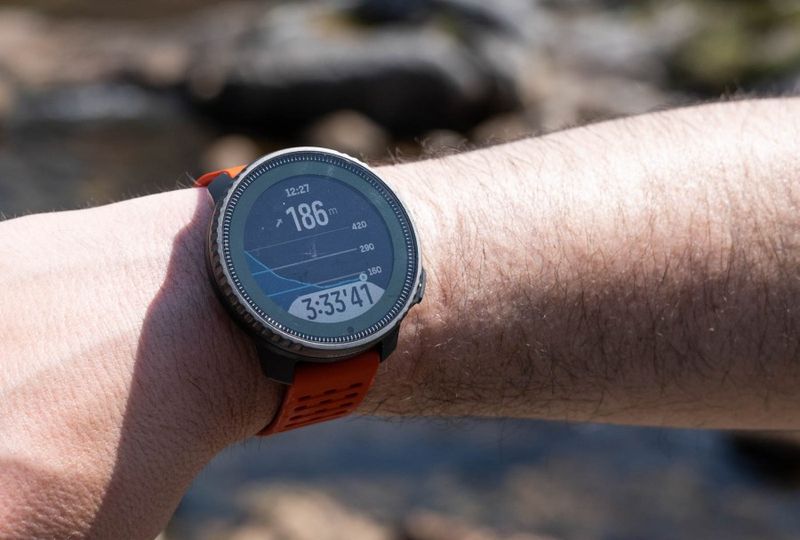
Smartphones have GPS, but they break down in bad weather, run out of battery, or break when dropped on rocks. Dedicated rugged GPS devices or compact compasses provide reliable navigation whatever the conditions. Tech hiking guides promote these tools as essential backups.
Getting lost quickly turns a fun hike into a dangerous situation. Reliable navigation tools prevent this problem before it starts.
Learn how to use your device before you get tired, stressed or in bad weather. Practice at home and on easy trails. Keep backup batteries if your device needs them, and always carry a paper map, too.
8. Lightweight emergency blanket or heat-reflective bivvy
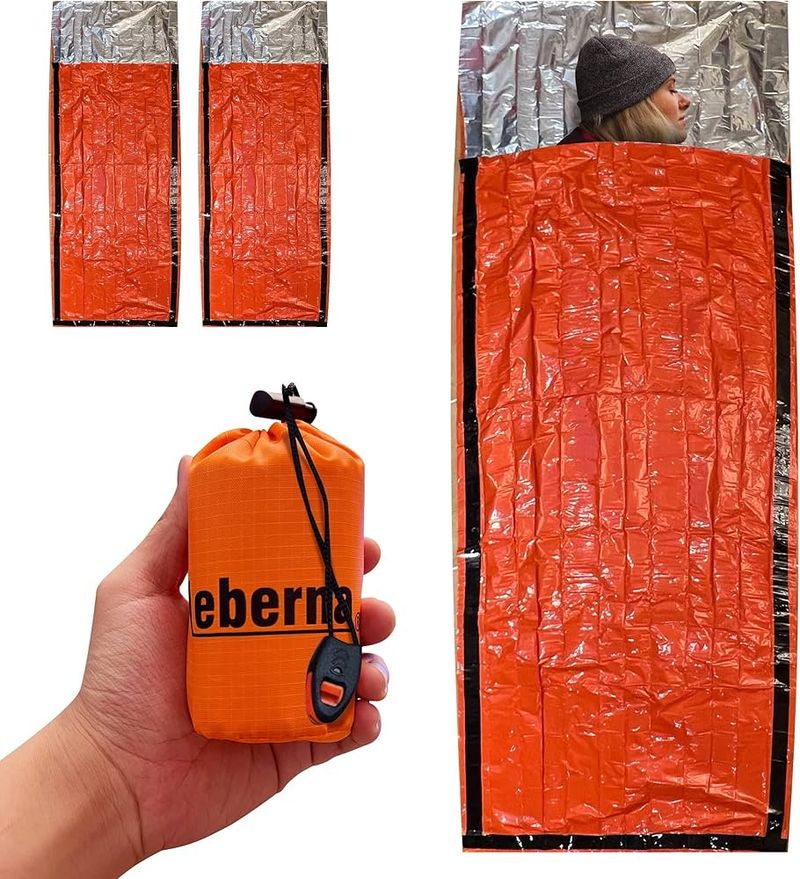
Small, lightweight heat-reflecting blankets or bivvy bags pack down to the size of a fist but provide vital warmth when things go wrong. Frequent gear lists mention these tiny lifesavers, because unexpected cold, injury, or a delayed return can put you at risk of hypothermia. The weather changes quickly in the mountains, and what started out as a warm day can become dangerously cold.
Body heat is valuable when you spend the night outside. These blankets return up to 90% to you.
Keep one near the top of your bag, not buried where you’d have trouble reaching it in an emergency. Check it from time to time for tears or holes.
9. Pocket First Aid/Repair Kit
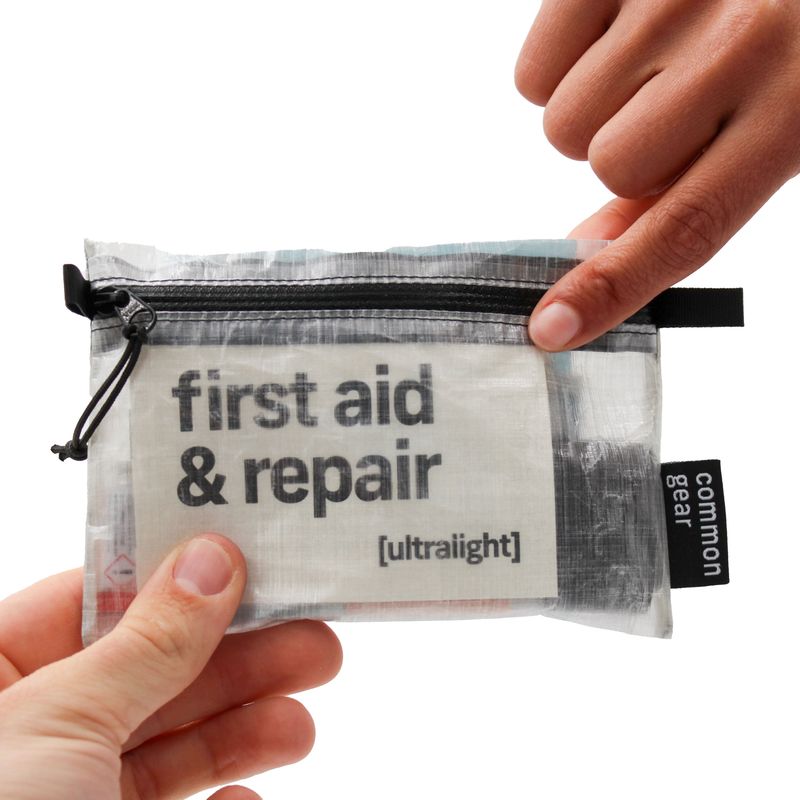
A small pouch containing the essentials (adhesive bandages, blister packs, equipment repair tape, safety pins, maybe a small knife) fits easily into any bag. Some gadget lists call it the mini-kit you can’t go hiking without, because minor problems become major delays if left untreated. Blisters, cuts and broken equipment happen on the trails.
Being able to resolve issues quickly allows you to move forward safely. A blister treated early does not become an infection. A torn strap repaired with duct tape doesn’t force you to carry gear in an awkward manner.
Fill and check your kit before each hike. Keep it in an accessible pocket, not buried deeply. Customize it according to your specific needs and length of trip.
10. Compact hiking pole or folding tool
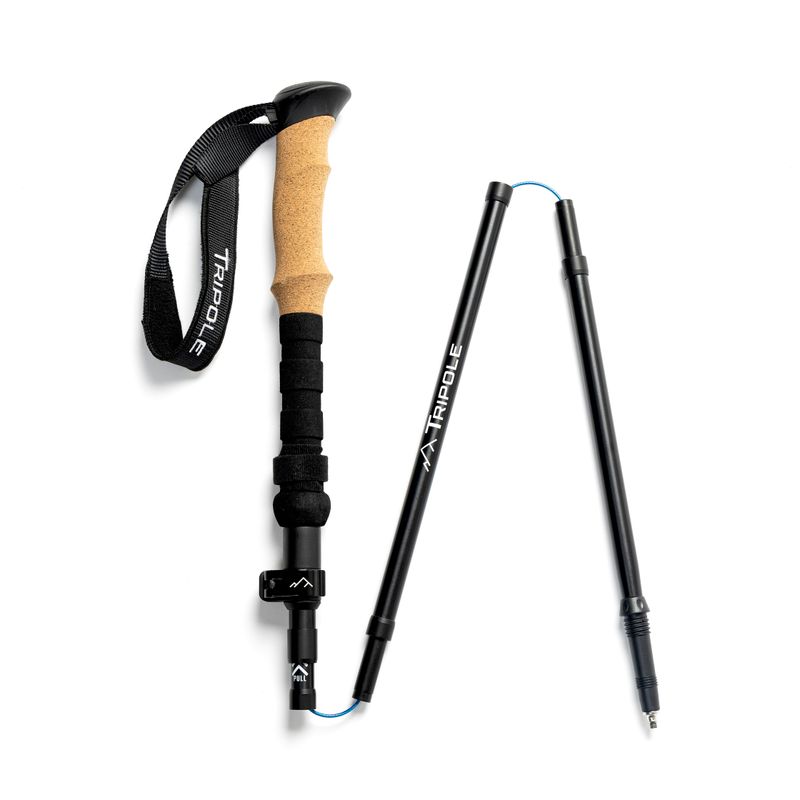
While hiking poles aren’t tiny, ultra-compact models fold up enough to fit in your bag until you need them. These show up in gear reviews as gadgets that let you walk farther with less fatigue. Support on uneven terrain increases safety and reduces strain on your knees, especially when going downhill.
Rocky trails, stream crossings and steep slopes become easier with the support of poles. They help you maintain balance when carrying a heavy bag.
If you don’t want to carry large poles all the time, consider folding ones that you can deploy when the terrain gets difficult. Look for models with comfortable handles and adjustable lengths.