
Planning your next flight? Airlines have become stricter about what you can bring in 2025. Safety updates and security concerns have led to new restrictions on popular travel items that might surprise you. Knowing these rules in advance can save you time, money and the frustration of having your belongings confiscated at the airport.
1. Smart water bottles with built-in electronics
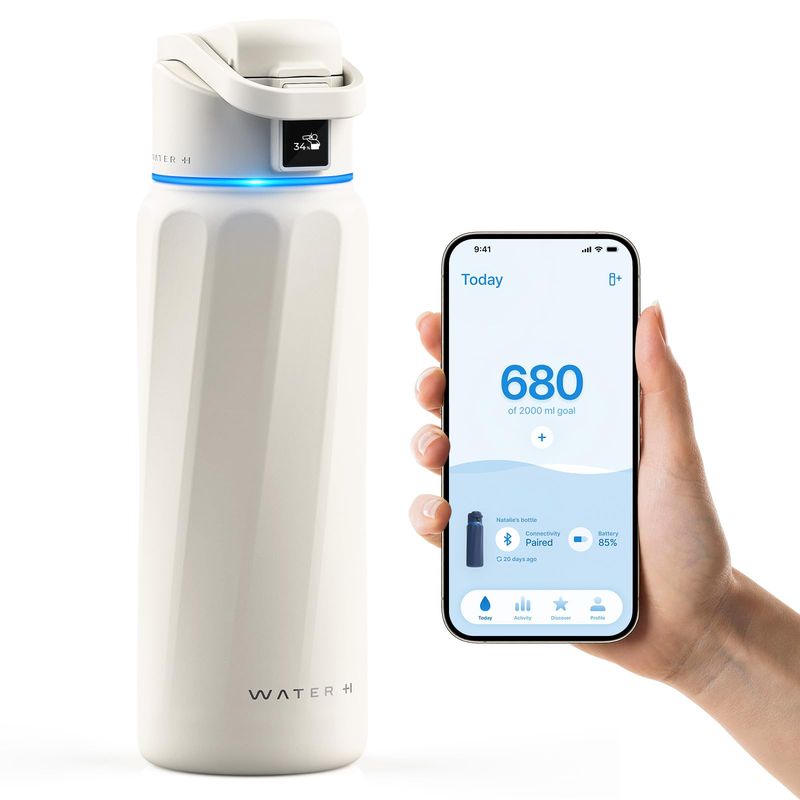
Your high-tech water bottle may seem harmless, but airlines are now reporting these gadgets at security checkpoints. Bottles with Bluetooth connectivity, temperature sensors, or wireless charging features contain built-in batteries and complex wiring systems.
Safety officials are concerned that these electronic devices could interfere with aircraft systems or pose fire hazards. Many travelers have reported delays and confiscations when transporting these bottles.
Instead, carry a regular bottle of water to avoid headaches at the door.
2. Gas Cartridge Powered Hairdressing Tools
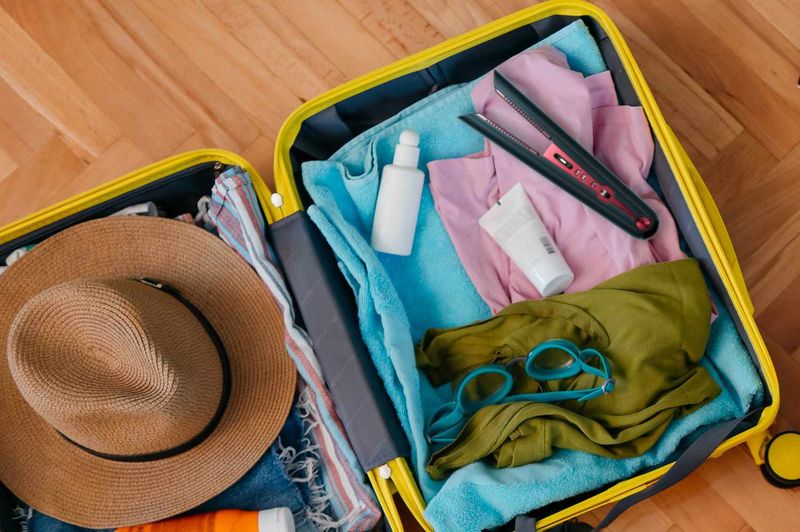
Butane-powered curling irons and flat irons have become a major headache for airline staff. These tools use pressurized gas canisters which create serious fire hazards during flight.
Recent TSA updates from August 2025 specifically ban these hair styling tools in checked baggage. Even if the canister appears empty, residual gas can expand at high altitudes and potentially ignite.
Airlines prefer that you bring electric versions that plug into wall outlets rather than gas-powered alternatives.
3. Power banks in checked baggage
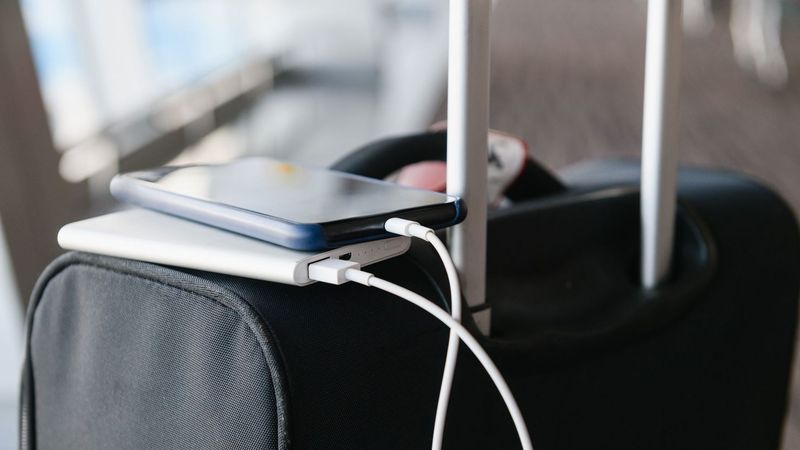
Airlines absolutely hate it when passengers pack external batteries in their checked bags. These lithium-ion devices can overheat and catch fire in the cargo hold, where crew members cannot reach them.
Major carriers like Southwest and Vietjet now require all power banks to remain in carry-on bags. Some airlines even require you to keep them under the seat in front of you during takeoff and landing.
Always carry your portable chargers in your personal bag, never in checked suitcases.
4. Smart luggage with non-removable batteries
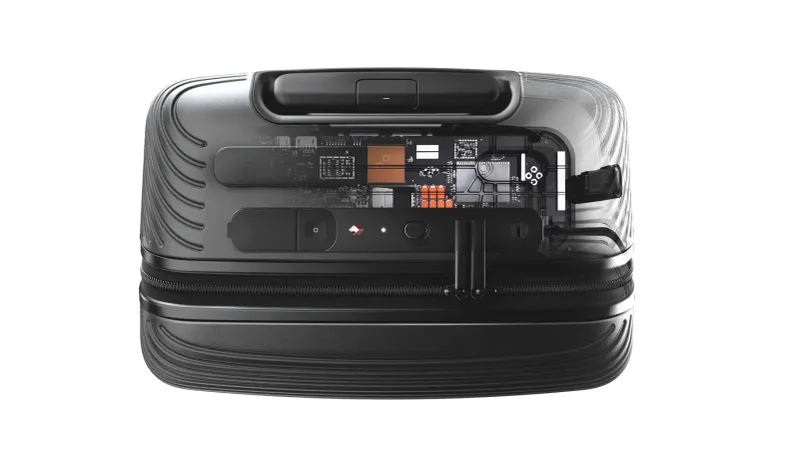
That expensive smart suitcase with GPS tracking might not pass security. Airlines are specifically targeting luggage with built-in batteries that cannot be removed by passengers.
The problem arises when the batteries malfunction during flight and crew members cannot access them for safety reasons. Most airlines now require all electronic luggage to have easily removable batteries.
Before traveling, check whether the batteries in your suitcase can be removed and carried separately in your personal bag.
5. Some Bluetooth tracking devices
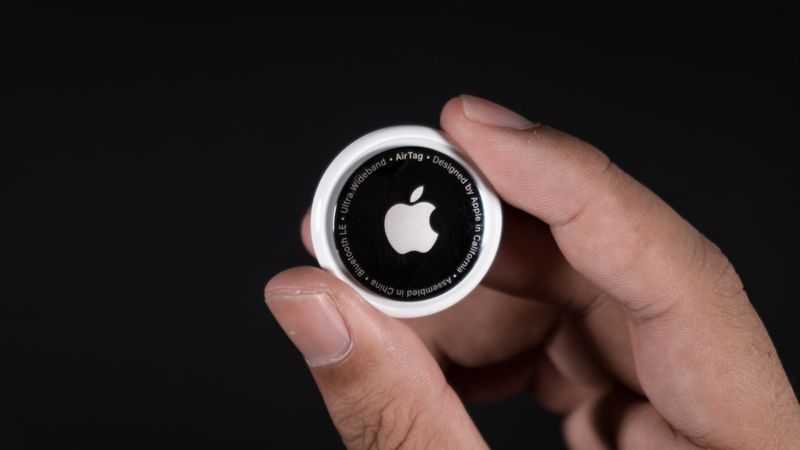
AirTags and similar Bluetooth trackers face new restrictions on international flights. Some carriers are concerned that these devices will interfere with aircraft navigation and communications systems.
While domestic flights often allow it, international airlines have started banning real-time tracking devices in checked baggage. Constant signal transmission concerns flight crews who must monitor for any electronic interference.
Check with your airline before packing tracking devices, especially for international travel where rules vary widely.
6. Liquids over 100 ml in hand luggage

The 3-1-1 rule remains airlines’ enemy number one when it comes to passenger compliance. Security officers still confiscate thousands of oversized liquid containers daily from travelers who forget this fundamental restriction.
Each container of liquid should be 100ml or less and fit into a liter-sized clear bag. Larger bottles, even if they are mostly empty, will be thrown away at security checkpoints.
Airlines waste time and money dealing with these violations, making oversized liquids their most hated carry-on bags.
7. Hoverboards and electric scooters
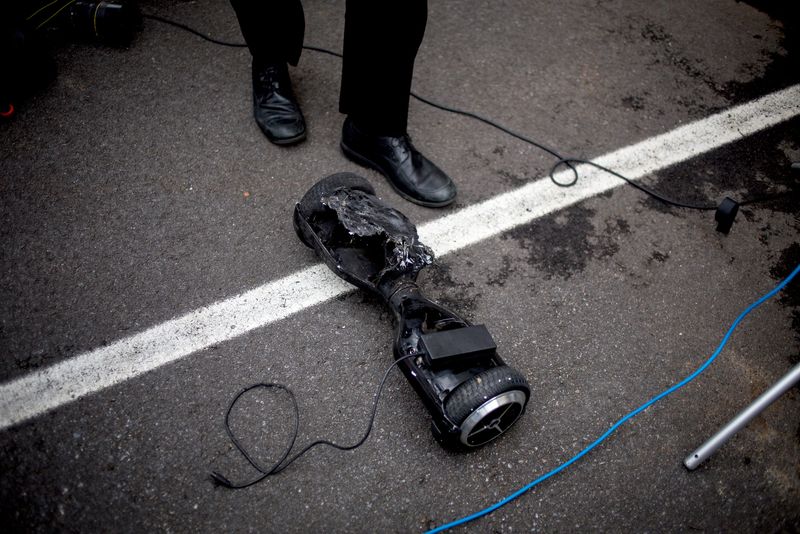
These trendy transportation devices contain huge lithium batteries that exceed most airline safety limits. The combination of large battery capacity and the potential for overheating makes them extremely dangerous in aircraft cargo holds.
Most models are prohibited in carry-on and checked baggage due to their size, weight and fire risk. Airlines have faced several battery-related incidents involving these devices.
Leave your hoverboard at home and rent one at your destination instead of risking confiscation.
8. High-strength alcohol above 140

That bottle of special rum or moonshine from your last vacation can’t come home with you. Airlines prohibit any alcoholic drink over 140% (70% alcohol content) in hand and checked baggage.
These highly flammable liquids pose serious fire hazards during flight and can ignite from static electricity or heat sources. Even small bottles of high-proof spirits will be immediately confiscated.
Stick to regular wine or beer purchases that meet acceptable alcohol percentage limits.
9. Large lithium batteries exceeding watt-hour limits
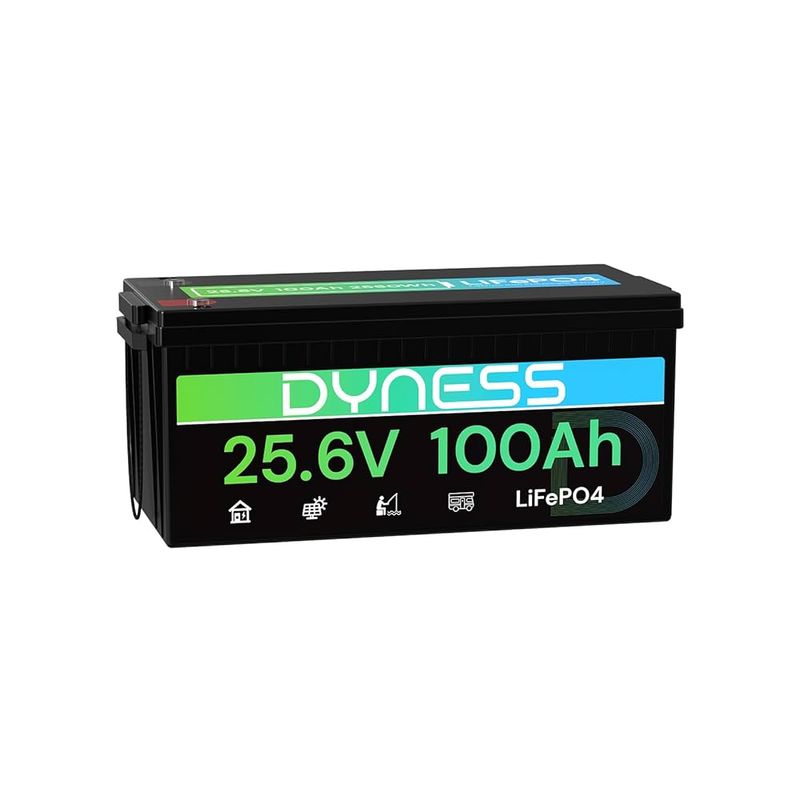
Professional photographers and drone operators often carry powerful batteries that exceed airline watt-hour restrictions. Most operators limit lithium batteries to 100 watt hours without special authorization.
Batteries between 100 and 160 watt hours require airline approval, while anything larger is completely banned. These oversized power sources present significant fire risks that airlines cannot safely manage during flight.
Always check your battery specifications and get written approval from your airline before packing professional grade electrical equipment.
10. Compressed gas cylinders and cartridges
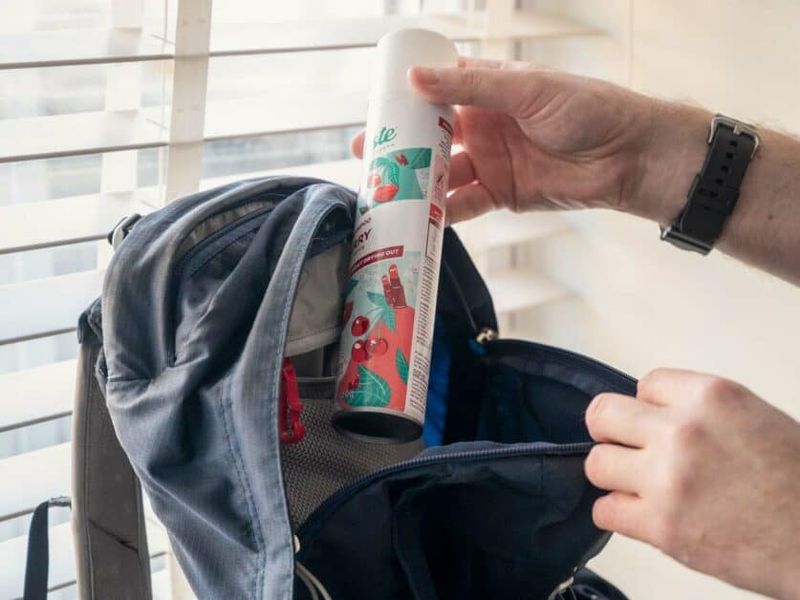
Small CO2 cartridges for beauty gadgets and camping gear are creating big problems for airline security teams. Even tiny pressurized cylinders can explode at high altitudes, where cabin pressure changes dramatically.
Unless they are completely depressurized and certified empty by professionals, airlines will completely refuse these items. Beauty foggers, camping stoves and inflatable device cartridges are all subject to this strict ban.
Purchase replacement parts at your destination rather than risk confiscation of expensive equipment and possible security violations.