
The next year promises exciting changes in the way we explore the world. From smart technology that plans your perfect getaway to quieter travel seasons that save money and stress, 2026 is shaping up to be a year of new possibilities. Whether you’re dreaming of overnight train adventures, looking for budget-friendly alternatives to popular spots, or planning trips around your favorite concerts and shows, these emerging trends offer something for every type of traveler.
1. Let AI co-plan your trip
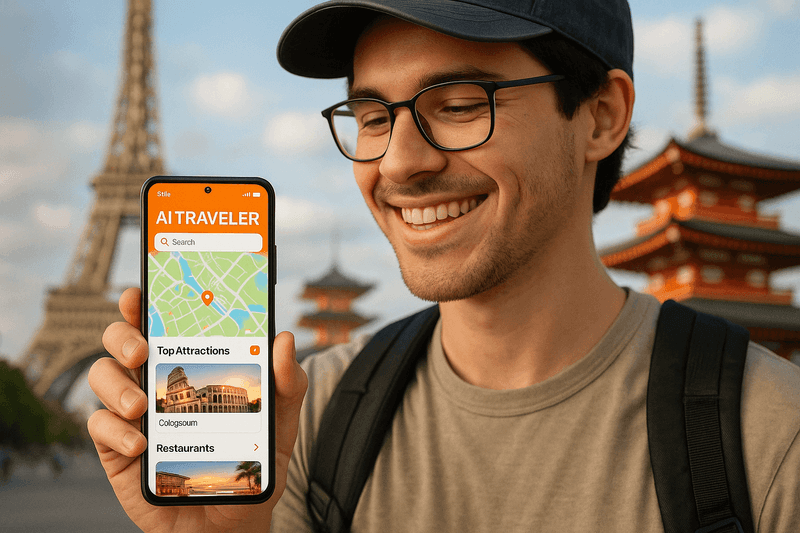
Artificial intelligence is quickly becoming your new travel companion. More than 18% of young adults in the UK now use tools like ChatGPT to plan their adventures, and this number has doubled in just one year.
Google Flights recently rolled out an AI feature called “Flight Deals” that lets you describe the vibe you want (think “weekend at the beach”) and finds real deals that match your mood. Currently available in the US, Canada, and India, this beta tool makes finding deals feel less like work and more like chatting with a friend.
Companies like MakeMyTrip are also partnering with tech giants to create smarter booking assistants. Planning your next trip could soon mean describing your dream vacation and letting AI handle the details.
2. Move into shoulder season

Forget summer crowds and stifling heat. Travelers discover the magic of travel in the spring and fall, when destinations are less frenetic and prices drop significantly. HomeToGo reports strong demand for shoulder season bookings that extend through 2026, and UK travelers in particular are moving their plans from September to November.
Extreme temperatures have kept many people away from the traditional July and August holidays. Instead, they find that late September or April offers the best time: comfortable weather, lower hotel rates, and attractions you can actually enjoy without worrying about tourist crowds.
Europe becomes particularly attractive during these quieter months. Your wallet will thank you, and so will your stress levels.
3. Rail trains and sleeper trains: boom… with churn

Night trains are experiencing a renaissance across Europe. New routes continue to be launched and old ones get a modern makeover with better cabins and amenities. Night trains offer a double benefit: you save a hotel night while still covering some serious terrain in your sleep.
Here’s the thing: some routes won’t last forever. Subsidized services such as the Paris-Vienna and Paris-Berlin lines will end in December 2025, so the network will continue to evolve. Overall growth is real, but you’ll need to remain flexible about which routes you operate from year to year.
Book popular Nightjet routes early and consider combining a long night train trip with a short flight to balance convenience and adventure. Early bookings lock in the best sleeper cabins.
4. Destination Dupes and Value-Driven Choices

Why pay higher prices for crowded hotspots when equally amazing alternatives exist nearby? Smart travelers are embracing “dupe destinations,” affordable alternatives to famous places that offer similar experiences without the high price tag or tourist rush.
Skyscanner’s 2026 trends highlight emerging destinations like Salerno, which just opened a new airport and offers the vibe of the Amalfi Coast at a fraction of the price. Flight prices to destinations like Cologne and Goa have fallen dramatically, making them suddenly attractive options. Expedia confirms that this value-seeking behavior has real sustainability.
Swap Dubrovnik for Rijeka or skip Paris for Lyon when plane ticket deals line up. You will experience authentic local culture while keeping your budget intact.
5. Set-jetting is not over

That magnificent villa from your favorite series? People book trips there. According to Expedia data, more than half of all travelers have researched or planned a vacation based on places they spotted on screen.
Streaming movies and series continue to spark serious travel lust. When a new season drops or a blockbuster hits theaters, some destinations experience immediate booking spikes. This trend shows no signs of slowing down as studios continue to produce visually stunning content set in real locations.
Take advantage of this by planning themed walks around town related to the show you’re currently obsessed with. Many destinations now offer official filming location tours, complete with behind-the-scenes stories that bring your favorite scenes to life in person.
6. Concerts (live events) are becoming common
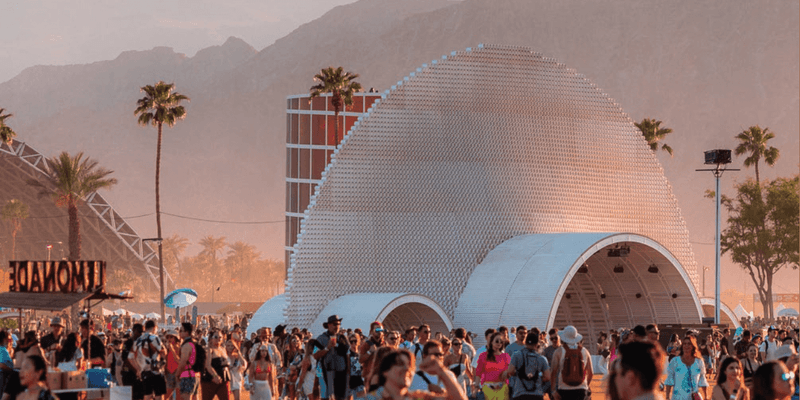
Concerts and festivals are no longer just entertainment: they’re the main reason people book entire trips. Music tourism has exploded, with travelers planning city breaks specifically around tour dates and mega-events rather than traditional sightseeing visits.
Industry data shows a sharp increase in event travel bookings. Fans cross borders and oceans to see their favorite artists live, transforming what was once a local night into an international adventure. Sports championships and cultural festivals generate similar patterns.
Build your next getaway around a concert or festival date and book accommodation near the venue as soon as tickets drop. Hotels fill up quickly when major events are happening in town, so planning early is essential.
7. Visas for digital nomads continue to spread

Countries around the world are rolling out the welcome mat for remote workers. New Zealand recently relaxed its stay requirements and Slovenia launched a digital nomad visa in November 2025. More than 40 destinations now offer special programs designed for people who work from anywhere.
Competition for long-term visitors is intensifying as governments recognize the economic benefits of hosting professionals remotely. Rules and requirements vary widely: some countries require proof of income, others require health insurance, and processing times differ significantly.
Before you pack your bags, compare programs carefully using updated summaries. Tax implications, visa duration and renewal policies matter just as much as the destination’s beaches or mountains. Do your homework to find the best solution.
8. Leisure stabilizes and develops
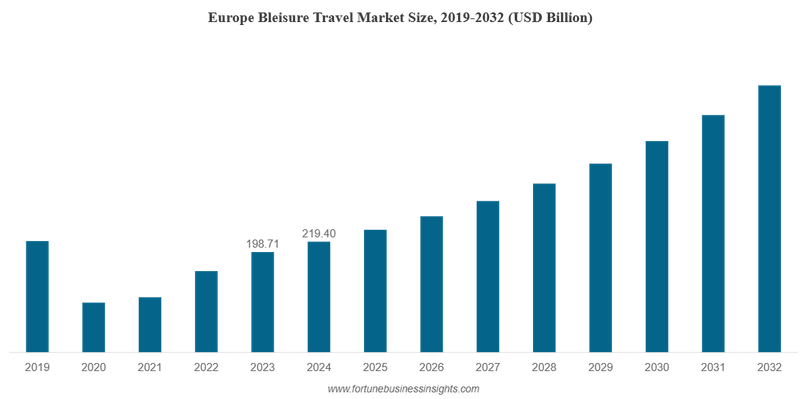
Mixing business trips and vacation days – “bleisure” – has gone from a simple pleasure to a common practice. Business travel costs are stabilizing through 2026 after years of volatility, and companies are increasingly supporting employees who spend personal time on business travel.
Adding two extra nights to a conference stay makes financial sense for both workers and employers when costs balance out. You’re already paying for the flight, so why not explore the destination properly? Recent data shows that strong leisure participation will continue through 2025 and beyond.
Check your company’s travel policy: Many now explicitly allow mixed travel if you’re transparent about costs. That boring conference town might be hiding amazing restaurants, museums, or nature just waiting for your weekend exploration.
9. Desire for sustainability versus budgetary reality

Everyone wants to travel greener, until they see the cost. The latest research from the World Travel & Tourism Council confirms a stubborn gap between saying and doing: travelers express strong environmental concerns but ultimately choose based on cost and convenience when booking.
However, there is good news. Expect clearer ecolabels and more “green by default” options in 2026 as the industry responds to consumer demand. Airlines, hotels and booking platforms are working to make it easier to identify and select sustainable choices.
You can reduce the impact without breaking the bank. Choose trains over planes when possible, book energy-efficient accommodation, and travel in shoulder seasons when pressure from overtourism eases. Small choices add up in big ways.
10. Biometrics and digital identity are speeding up airports
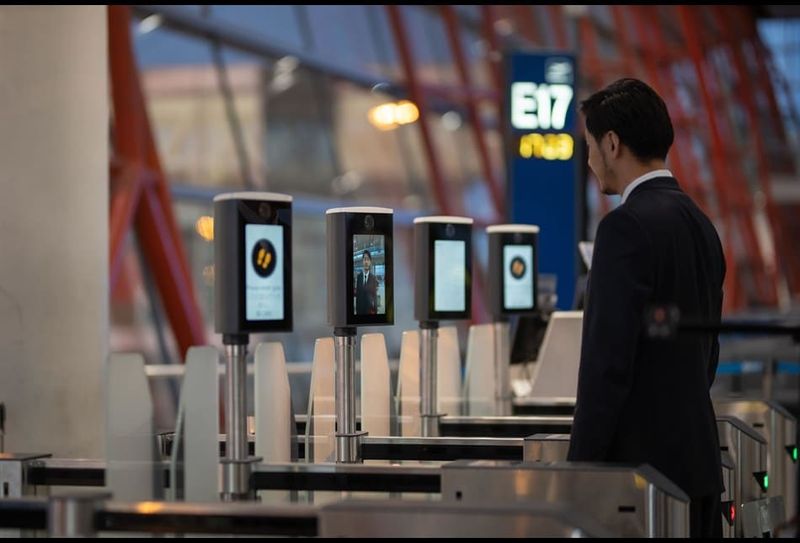
Say goodbye to searching for documents at every checkpoint. Biometric technology is transforming airports into faster, smoother experiences. IATA’s One ID initiative, which uses face scanners instead of repeated passport checks, is gaining momentum around the world.
Industry leaders are pushing for the rapid adoption of documentless workflows that meet international standards. More and more airports are installing facial scanning checkpoints and automated bag drops that recognize you instantly. The goal is smooth movement from curb to door using only your face.
Enroll in airline or airport biometric programs wherever they are offered. Keep your physical passport handy during the transition period, as it will take time to fully achieve full interoperability between countries and carriers.
11. The stay is the destination

Hotels are no longer just places to sleep between two tourist marathons. The accommodations themselves become the main attraction, with travelers choosing properties for their immersive design, local character and shared moments.
Booking.com and Accenture highlight this shift, particularly in India, but the trend reflects the global appetite for experience-driven accommodation. People want unique, authentic stays, not interchangeable chains. Budget-conscious travelers particularly appreciate properties that offer both Instagram appeal and true local flavor.
Look for forward-thinking, locally-run accommodations and plan fewer external activities. Spend time enjoying rooftop bars, cooking classes, spa treatments or simply relaxing in beautiful spaces. Sometimes the best vacation memories happen without leaving your hotel.