
Affiliate Disclosure:As an Amazon Associate, I earn from qualifying purchases. Learn more
Choosing the right hiking clothing can make or break your outdoor adventure. Whether you’re hiking in the summer heat, fall rain, or winter snow, your clothing should keep you comfortable, dry, and protected from the elements. This guide walks you through the essential pieces of hiking gear that will come in handy no matter what season you’re hiking the trail.
1. Merino wool or synthetic base layers
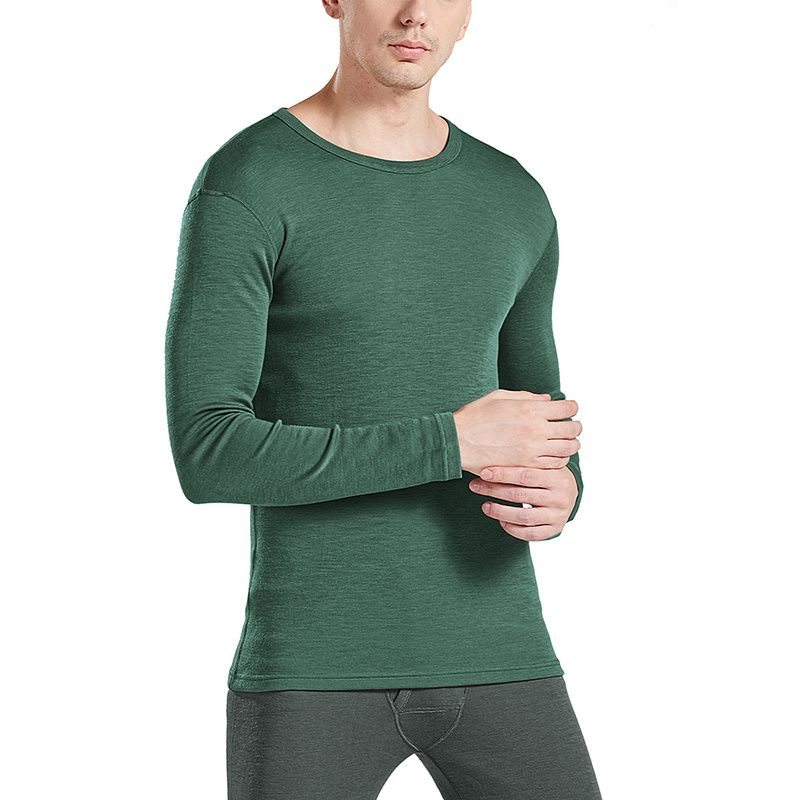
Your base layer sits directly on your skin and plays a crucial role in moisture management. Merino wool and high-performance synthetics excel at wicking away sweat to keep you dry throughout your hike.
During the summer months, lightweight versions provide breathability without overheating. When temperatures drop in winter or shoulder seasons, mid- or heavy-weight options retain heat while wicking moisture away from your body.
Cotton should be avoided at all costs because it absorbs moisture and leaves you cold and clammy once you stop moving on the trail.
2. Lightweight Long Sleeve Hiking Shirt (UPF Protection)
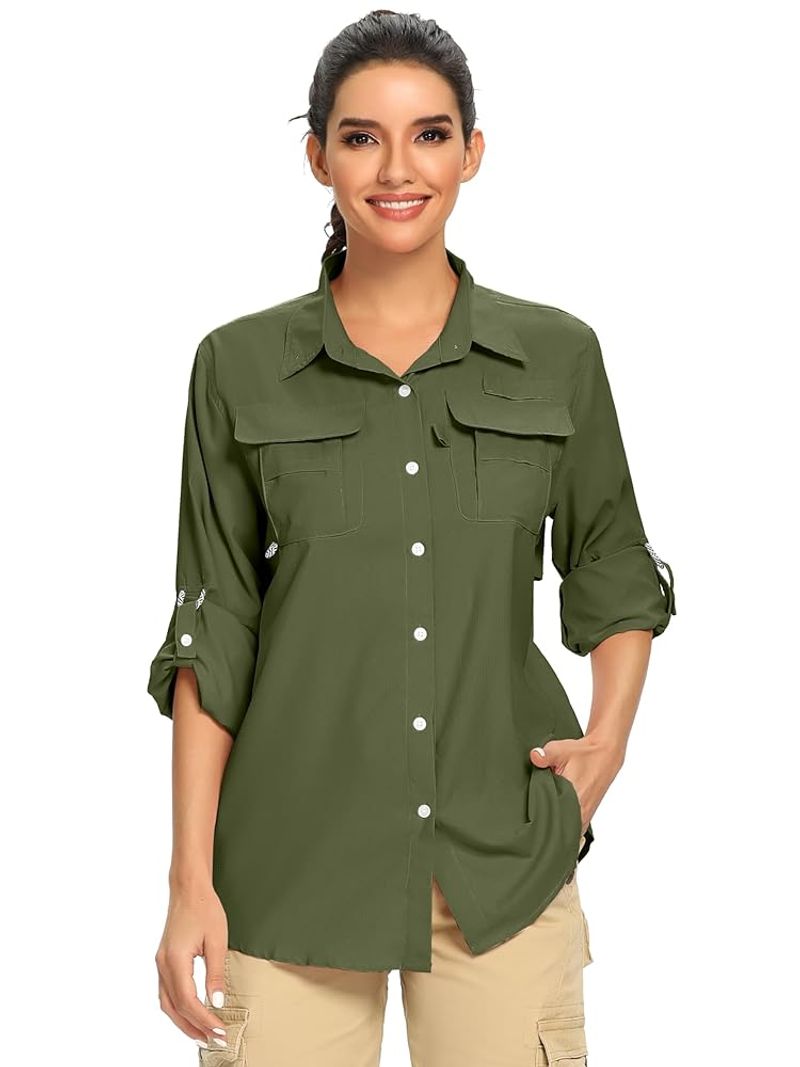
A breathable, long-sleeve shirt acts as your shield against the sun’s rays, pesky insects, and irritating brush along the trail. Built-in UPF protection blocks harmful UV rays while ventilation panels allow air to circulate over your skin.
Hot summer days call for these shirts because they keep you cool rather than sleeveless while preventing sunburn. As the seasons get cooler, they layer beautifully over your base layer for added warmth.
Look for features like rolled up sleeves and chest pockets that add versatility to your hiking wardrobe.
3. Insulating middle layer (fleece or synthetic jacket)
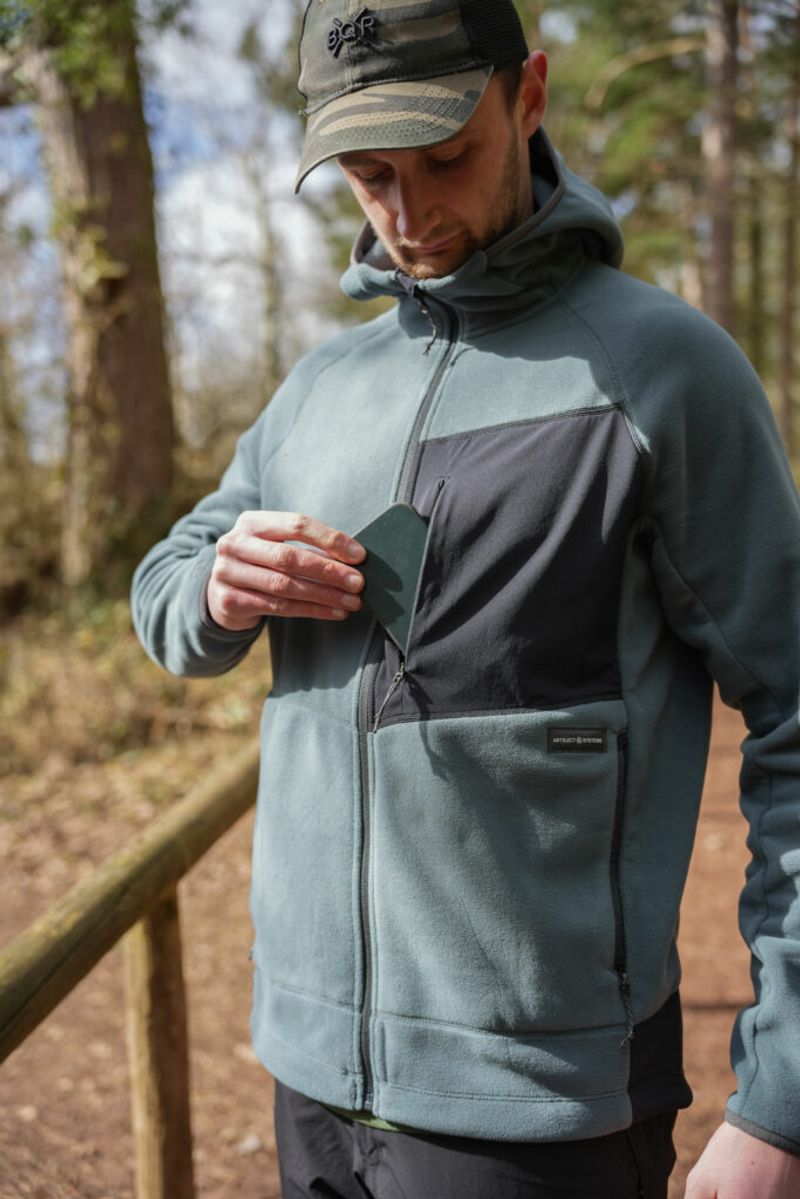
Mid layers retain body heat when temperatures drop or wind picks up unexpectedly on exposed ridges. A lightweight fleece or synthetic jacket holds up well to spring and fall conditions, while winter calls for a heavier fleece or synthetic down jacket.
Even during summer adventures, experienced hikers carry one in their bag to insure against sudden weather changes at higher altitudes. The beauty of midlayers is their packability and quick-drying properties.
Synthetic insulation continues to perform even when wet, making it a reliable choice for unpredictable mountain weather all year round.
4. Waterproof and windproof outer shell
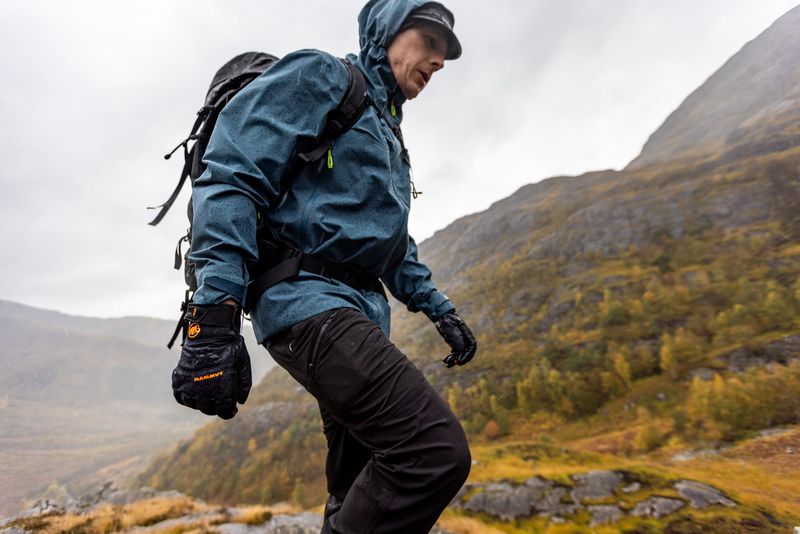
Your outer layer is the main defense against the wind, rain and snow that nature throws at you. Modern hardshells and softshells offer an impressive balance between breathability and weather protection.
Wet seasons or mountain conditions demand a 3-layer waterproof shell with sealed seams and adjustable hoods. Summer hikers can get by with a packable rain jacket that weighs only a few ounces but provides emergency protection.
Quality shells feature underarm zippers and adjustable cuffs that allow you to release heat as you climb steep sections while still maintaining protection from the elements.
5. Waterproof or windproof pants
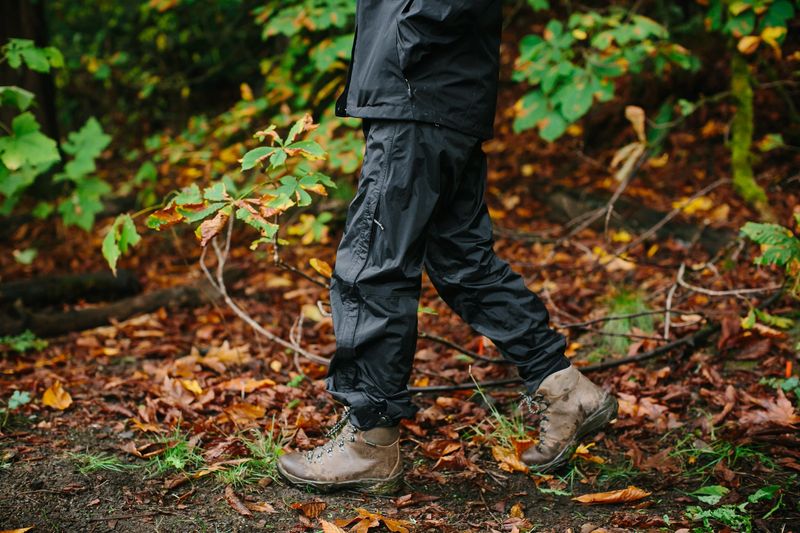
Waterproof rain pants or hiking pants protect your legs when storms roll in or trails turn into muddy streams. It is essential equipment for wet seasons and high altitude routes where the weather changes quickly.
In dry weather, you can skip the waterproof layer and opt for lightweight hiking pants or convertibles that convert into shorts. Many hikers carry packable rain pants that store in a small pouch until needed.
Side zippers make it easy to slip them on over boots without removing your shoes when unexpected showers appear on the horizon.
6. Hiking pants, convertible pants or shorts
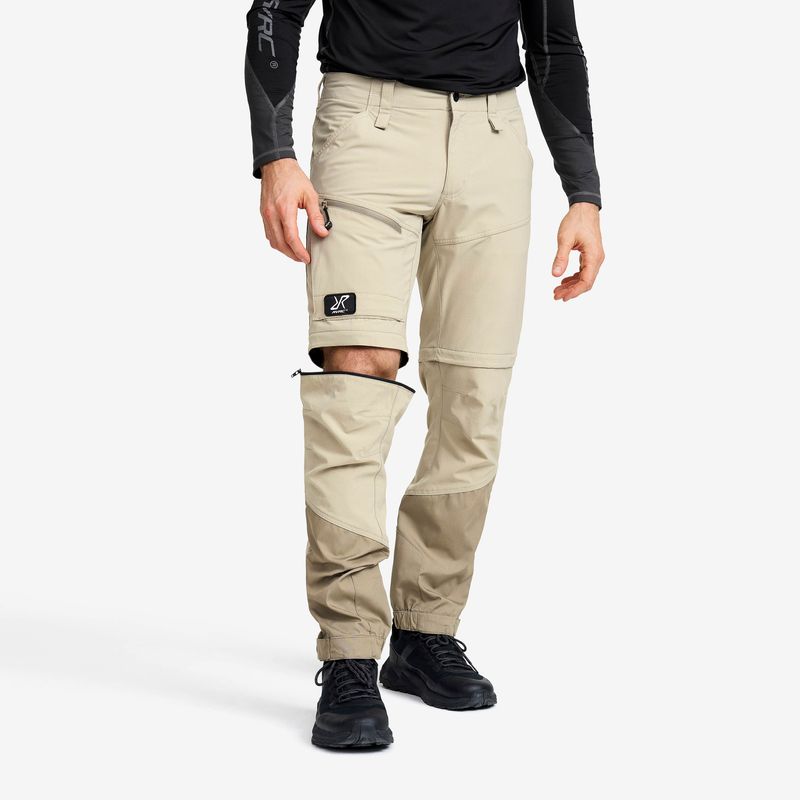
Durable socks are the foundation of your hiking outfit. Quick-drying, stretchy fabrics move naturally with your stride and resist abrasion from rocks and branches along the trail.
Summer conditions favor breathable shorts or convertible pants that adapt to temperature changes throughout the day. Cooler temperatures or insect-rich areas require long pants to protect against bites and scratches.
Features like reinforced knees, multiple pockets and articulated cuts improve comfort during long days on challenging terrain in all seasons.
7. Hiking boots or trail shoes
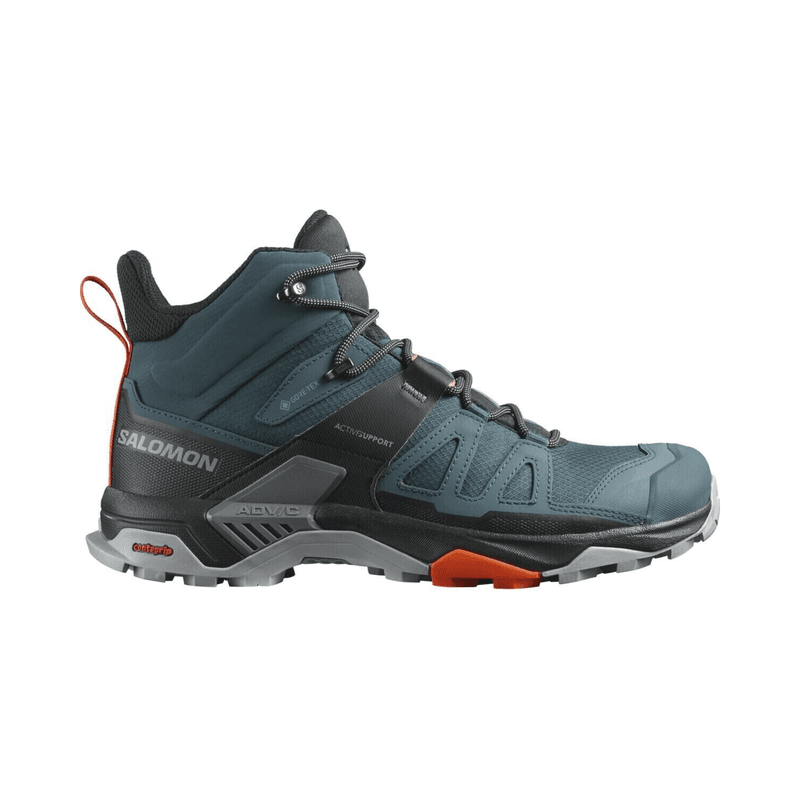
Your feet carry you mile after mile, so investing in quality shoes pays dividends in comfort and injury prevention. Waterproof boots excel on muddy, snowy or wet trails where protection from moisture is most important.
Breathable trail shoes or low-top hiking shoes dominate in dry, hot conditions where lighter weight reduces fatigue. A good fit is absolutely essential: boots should be immediately comfortable and allow room for the toes to move.
Always change into new shoes on shorter walks before committing to a long hike to avoid painful blisters and hot spots.
8. Wool or synthetic hiking socks
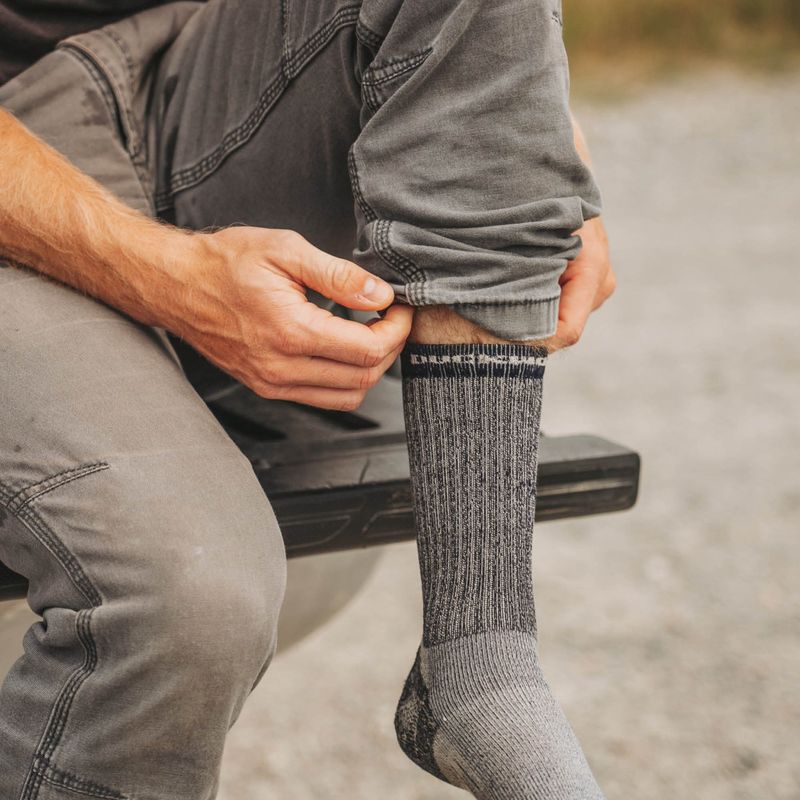
Quality socks prevent blisters, manage moisture, and add crucial insulation between your feet and your boots. Lighter, thinner socks work best in summer, when breathability takes precedence over warmth.
Winter hiking requires thicker pairs with extra cushioning that traps heat without creating pressure points. Smart hikers always have a spare pair in their bag, as wet feet lead to discomfort and potential injury in cold weather.
Merino wool naturally resists odor and regulates temperature, while synthetic blends dry faster and often cost less without sacrificing too much performance.
9. Hats for the sun and the cold
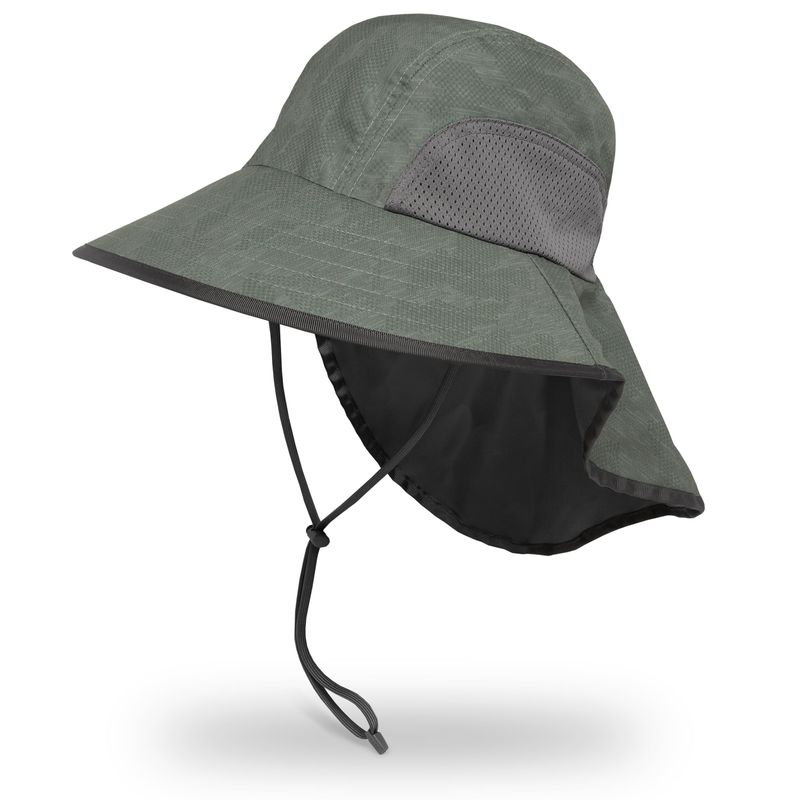
A wide-brimmed hat or cap is essential in summer to protect your face and neck from intense exposure to the sun. Winter conditions require a knit hat or insulated headband that prevents heat from escaping through your head.
Changing your hat depending on the season is one of the easiest ways to regulate body temperature on the trail. Some hikers have several options for adjusting as they move between exposed, sunny sections and shady forest trails.
Look for hats with moisture-wicking sweatbands and adjustable fits that stay in place on windy days at exposed points.
10. Gloves or mittens
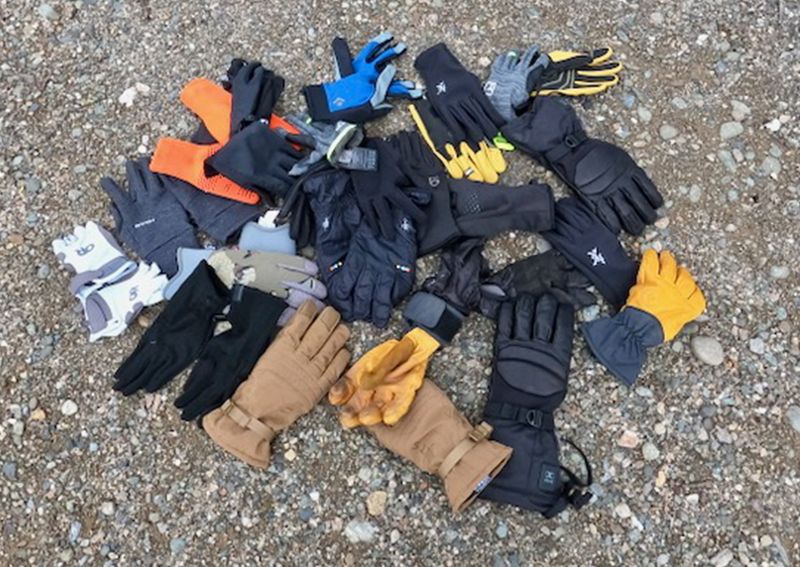
Your hands also need protection, although many hikers neglect this essential piece of equipment. The lightweight gloves withstand spring and fall temperatures while maintaining the dexterity to handle equipment and use hiking poles.
Insulated or waterproof gloves keep fingers warm during winter adventures when frostbite becomes a real concern. Summer hikers can benefit from sun gloves that protect against UV rays without causing overheating.
Consider gloves with touchscreen-compatible fingertips so you can check your phone or GPS without exposing your hands to cold air.
11. Neck Warmer or Buff
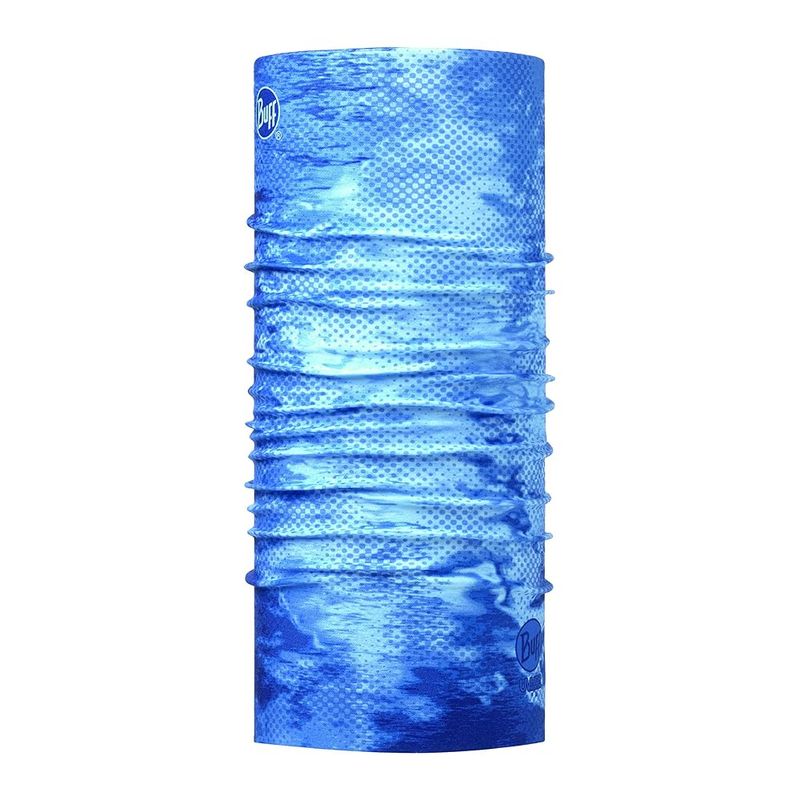
A versatile buff transforms into whatever you need: neck gaiter, headband, face mask or sweatband, depending on the conditions. Winter hiking benefits from its ability to keep the biting wind and frigid air from reaching your neck and face.
Summer use now involves protecting your neck from sunburn or wicking sweat away from your skin during intense climbs. These lightweight tubes take up almost no space in your bag but offer surprising versatility.
Moisture-wicking fabrics keep you comfortable whatever the season, while select versions offer UPF protection and antimicrobial treatments for extended travel.
12. Gaiters or leg covers
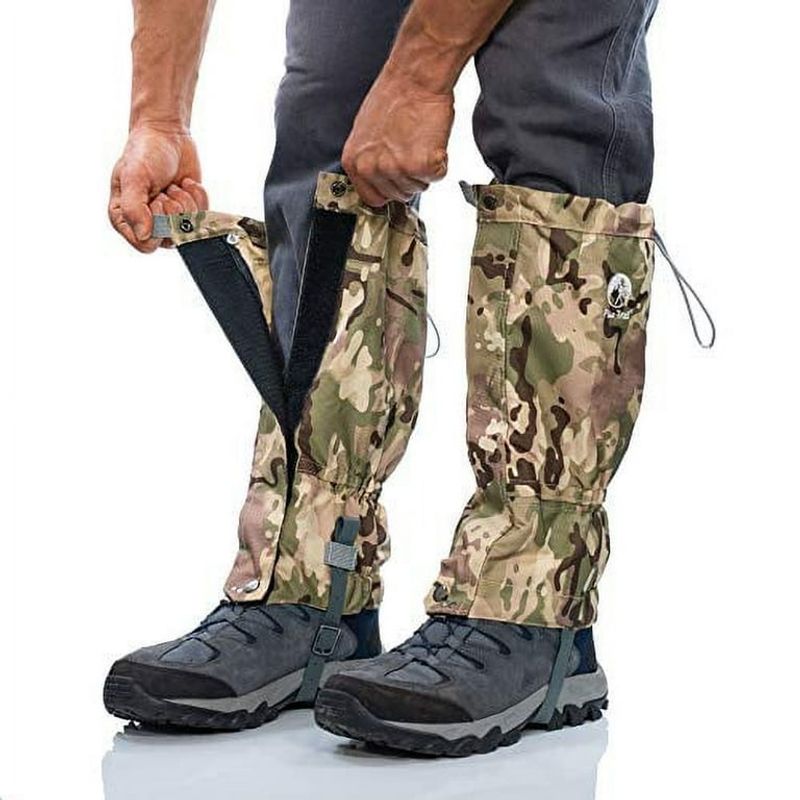
Gaiters seal the gap between your boots and pants, preventing debris, mud or snow from seeping into your shoes. They are especially useful in wet, muddy or snowy conditions, where every step threatens to fill your boots with unwanted material.
The lower legs are also protected from scratches when crossing bushy areas or climbing over rough terrain. Even dry, dusty trails benefit from gaiters that prevent fine particles from getting into your socks.
Low-cut trail gaiters are suitable for summer, while knee-high versions hold up to deep snow and heavy mud during the shoulder seasons of winter and spring.