
Fall transforms hiking trails into breathtaking corridors of gold, purple and amber. However, fall weather brings unique challenges that require smart preparation. Cool mornings can quickly turn into hot afternoons, while shorter days mean less daylight for your adventure.
1. Layered clothing system
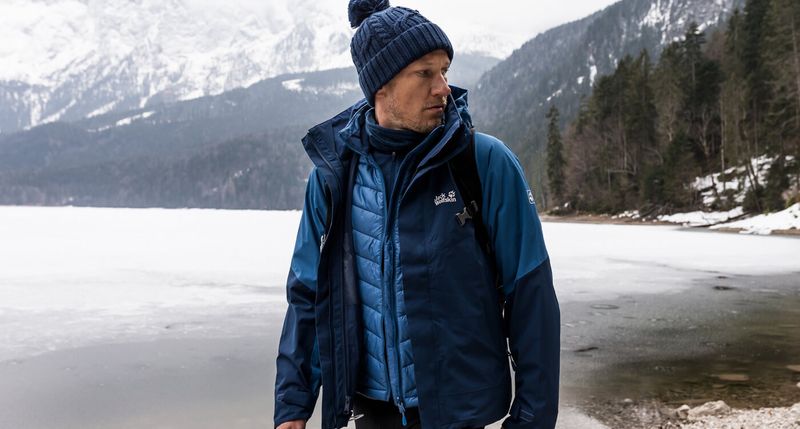
Smart hikers know that fall weather changes faster than a leaf falls from a tree. Your clothes should function like an onion: several thin layers that you can peel off or add as needed.
Start with a moisture-wicking base layer next to your skin. Add an insulating middle layer like fleece or down. Complete it with a windproof outer shell.
This system keeps you comfortable whether you’re climbing a hill in the morning frost or eating lunch in the afternoon sun.
2. Waterproof Hiking Boots
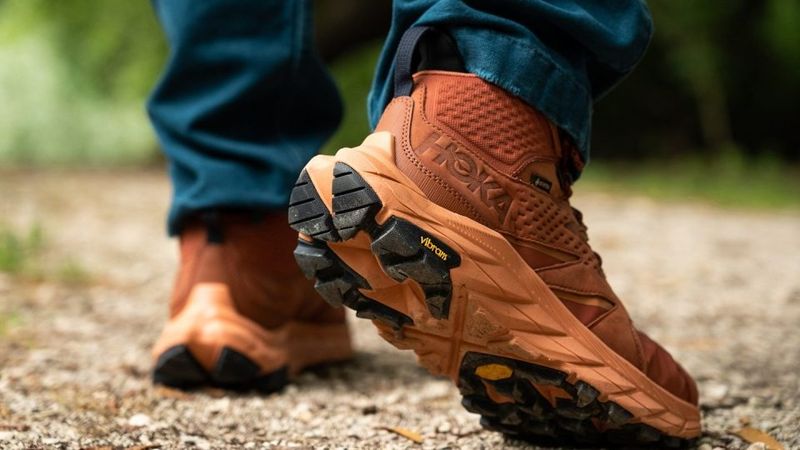
October trails hide surprises under every pile of dead leaves. Wet rocks, muddy areas, and morning dew can turn a pleasant hike into a slippery challenge without proper footwear.
Choose boots with deep treads for traction on wet surfaces. Waterproof materials keep your feet dry when you accidentally step into that hidden puddle.
Good ankle support prevents twisting of the ankles on uneven terrain covered with deceptive piles of leaves.
3. Insulated Water Bottle
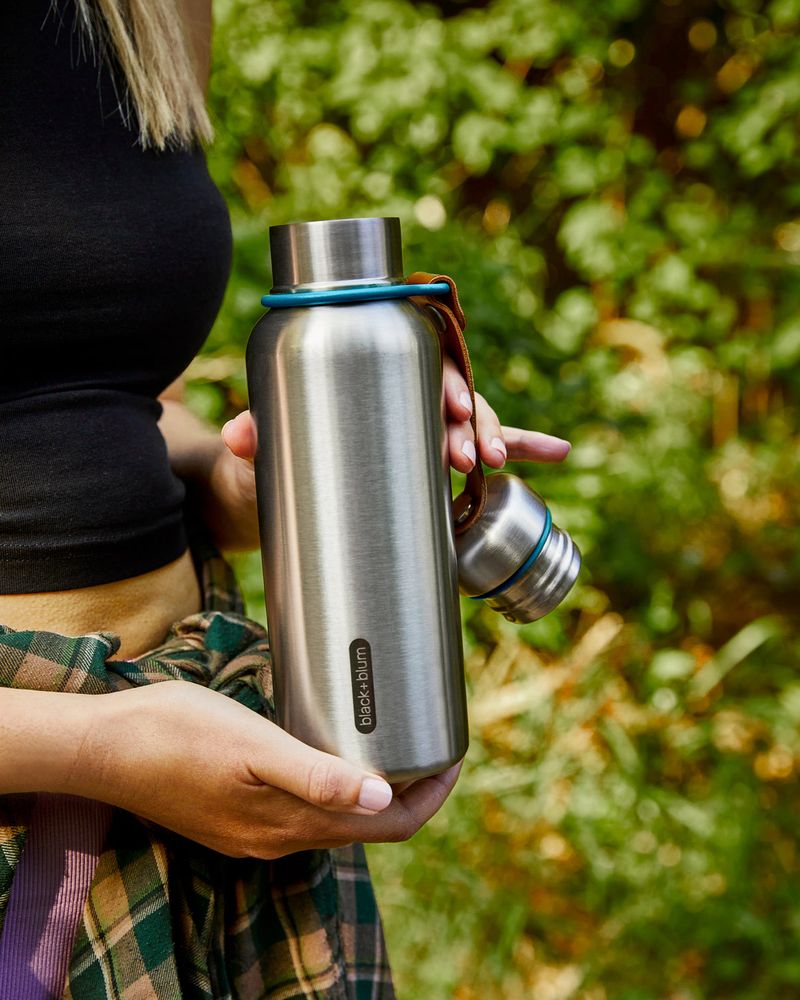
Nothing beats a hot drink when the temperature drops unexpectedly on the trail. Regular water bottles won’t keep your drinks at the right temperature on long fall hikes.
Insulated bottles keep drinks hot for hours, perfect for warming up during rest stops. They also prevent water from freezing on early winter hikes.
Choose stainless steel models that won’t break if dropped on rocky terrain.
4. Headlamp with extra batteries
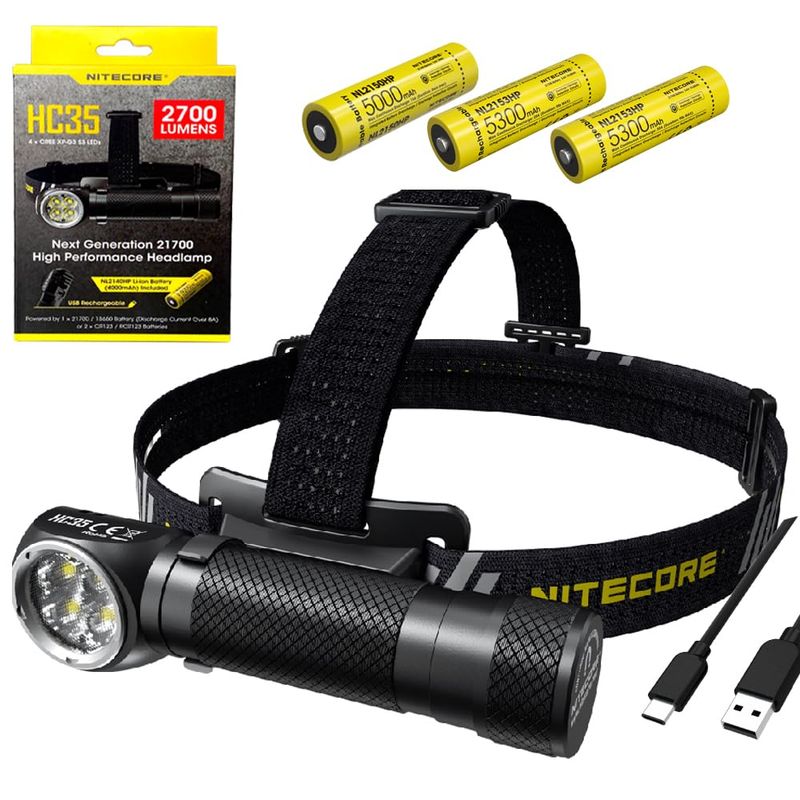
Daylight disappears quickly in the fall, sometimes catching hikers off guard. What starts as a bright morning hike can end in unexpected darkness if you take longer than expected.
Modern LED headlights provide hands-free lighting essential for navigating difficult terrain. Red light settings help preserve your night vision when reading maps.
Always pack spare batteries in a waterproof container – cold weather uses power faster than expected.
5. Warm hat and gloves
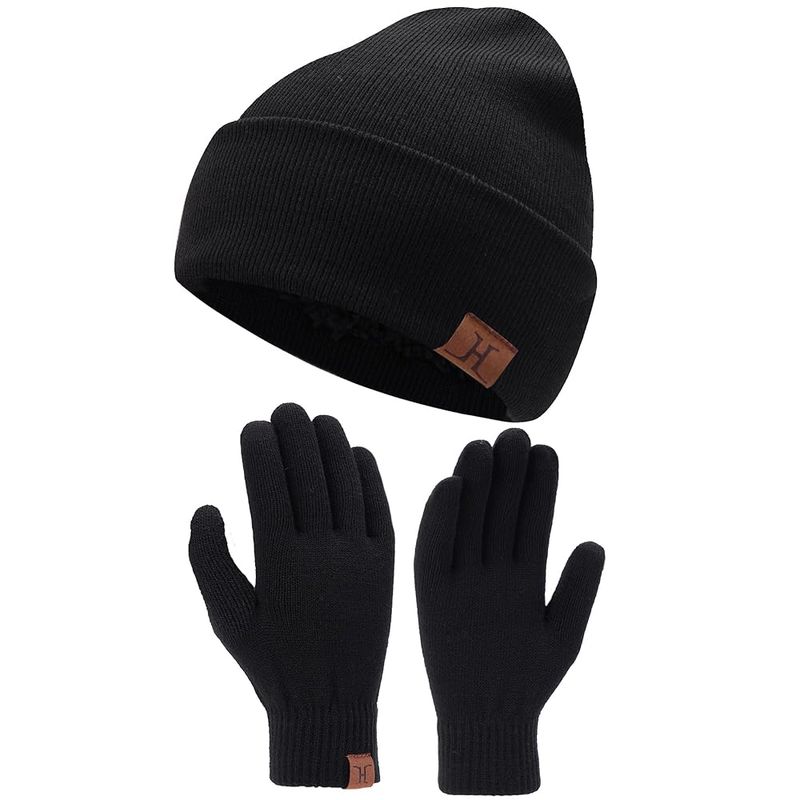
Your body loses heat most quickly through your head and hands, making these accessories crucial for fall comfort. Even mild fall days can turn chilly when the clouds roll in.
Choose materials that stay warm even when damp. Wool and synthetic fabrics work better than cotton, which becomes useless once wet.
Lightweight options are small but make a huge difference in your overall warmth and hiking enjoyment.
6. Trail map and compass
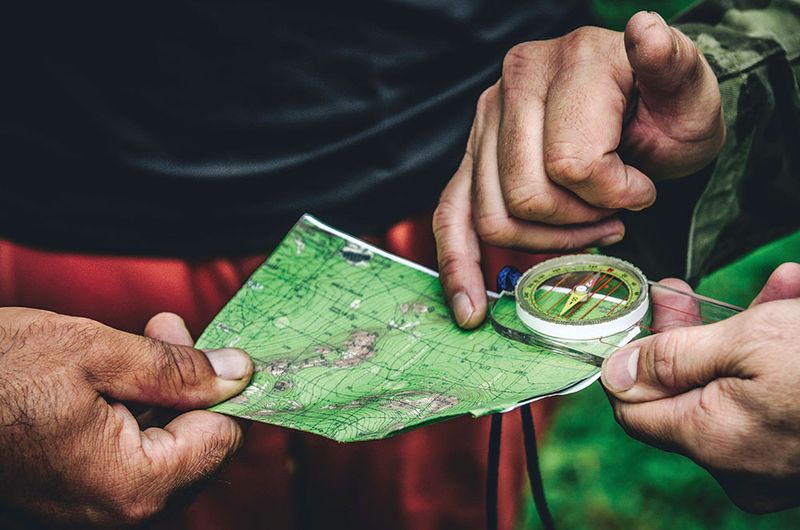
Technology fails when you need it most, especially in cold weather that drains phone batteries. Paper maps and compasses never run out of power or lose signal.
Fall foliage can make familiar trails look completely different, increasing your chances of turning around. Having backup navigation tools provides peace of mind.
Learn basic compass skills before you need them: It’s easier to practice at home than to learn on a confusing trail.
7. First aid kit
Slippery leaves and wet rocks increase the risk of injury on fall trails. A well-stocked first aid kit can handle everything from small cuts to twisted ankles.
Include bandages, painkillers and antiseptic wipes in a waterproof container. Add blister treatment, as new boots or longer hikes often cause foot problems.
Know how to use everything in your kit: Taking a basic first aid course makes you more confident on remote trails.
8. High Energy Snacks

Cool weather makes your body work harder to stay warm, burning more calories than summer hikes. Smart snacking keeps your energy levels stable throughout the day.
Pack nuts, dried fruit, and energy bars that won’t freeze or spoil with temperature changes. Avoid chocolate that melts in hot pockets.
Bring extra food in case your hike takes longer than expected: it’s better to bring too much than to run out of fuel.
9. Hiking poles
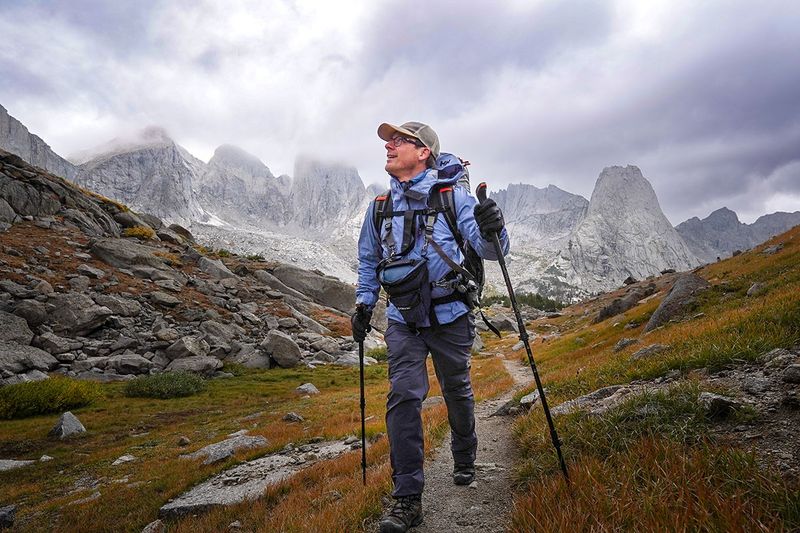
Fallen leaves create nature’s own sliding course on many fall trails. Trekking poles provide additional stability when navigating these difficult conditions.
They reduce strain on your knees during steep descents and help you test an uncertain position before committing your full weight. Adjustable poles are suitable for hikers of different heights.
Look for models with comfortable handles and reliable locking mechanisms that won’t fail when you need support most.
10. Emergency whistle
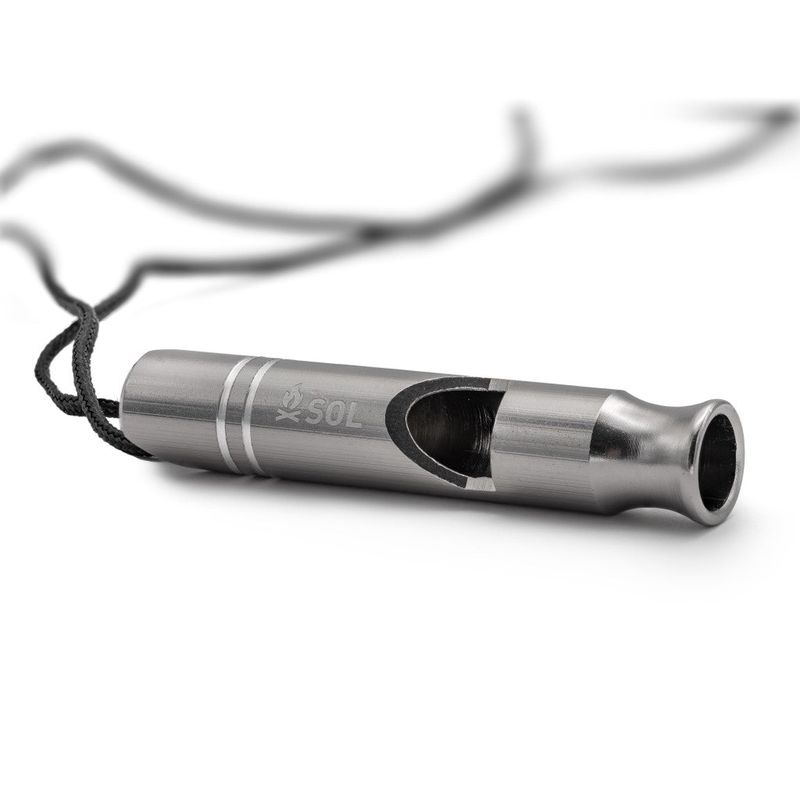
It’s easier to get lost when familiar trails look different under the colorful disguise of fall. An emergency whistle can save your life if you need help.
Three high-pitched explosions constitute the universal distress signal that carries much further than screams. Whistles work even when you’re too tired or injured to shout loudly.
Choose a model without a shell that won’t freeze in cold weather. Attach it to the zipper of your jacket so it’s always within reach.
11. Waterproof rain jacket
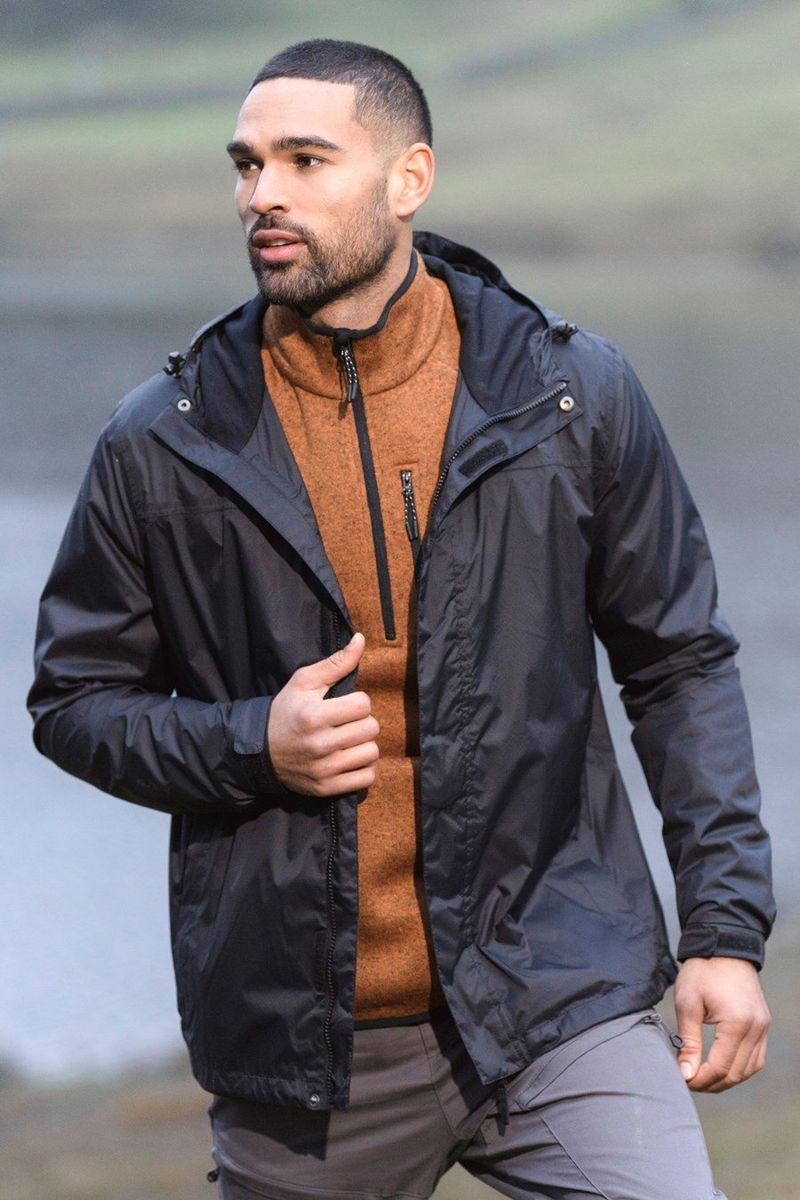
Fall weather changes faster than social media trends, turning sunny mornings into soggy afternoons without warning. A quality rain jacket keeps you dry and comfortable when storms roll in.
Look for waterproof and breathable materials that prevent overheating on climbs. Underarm zippers provide extra ventilation when you’re working hard.
Bright colors increase your visibility to other hikers and hunters during fall seasons when many outdoor activities overlap.
12. Sunglasses and sunscreen
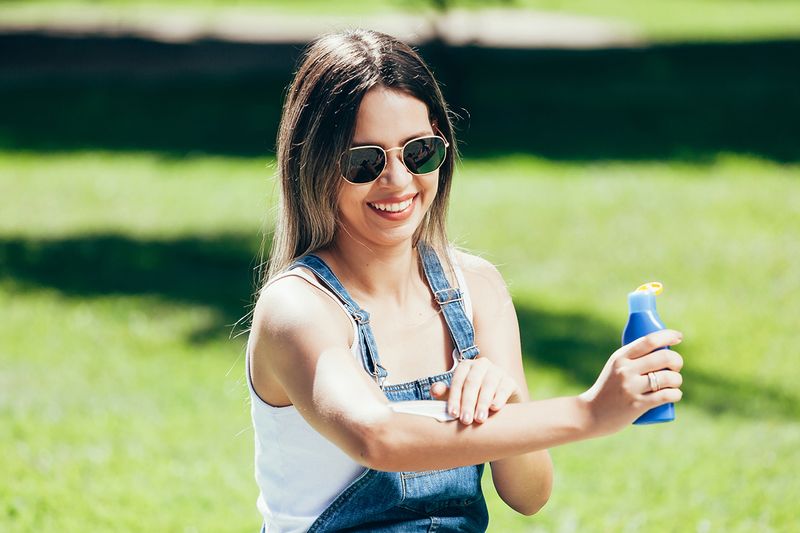
The crisp fall air tempts many hikers to forget about sun protection. UV rays remain powerful even when temperatures drop, especially at higher altitudes.
Sunglasses reduce glare from wet rocks and help you see obstacles on trails more clearly. Choose wraparound styles that also block wind and debris.
Apply sunscreen to exposed skin, especially your face and hands. The sun is lower in autumn, creating different angles that may surprise you.
13. Emergency Space Blanket
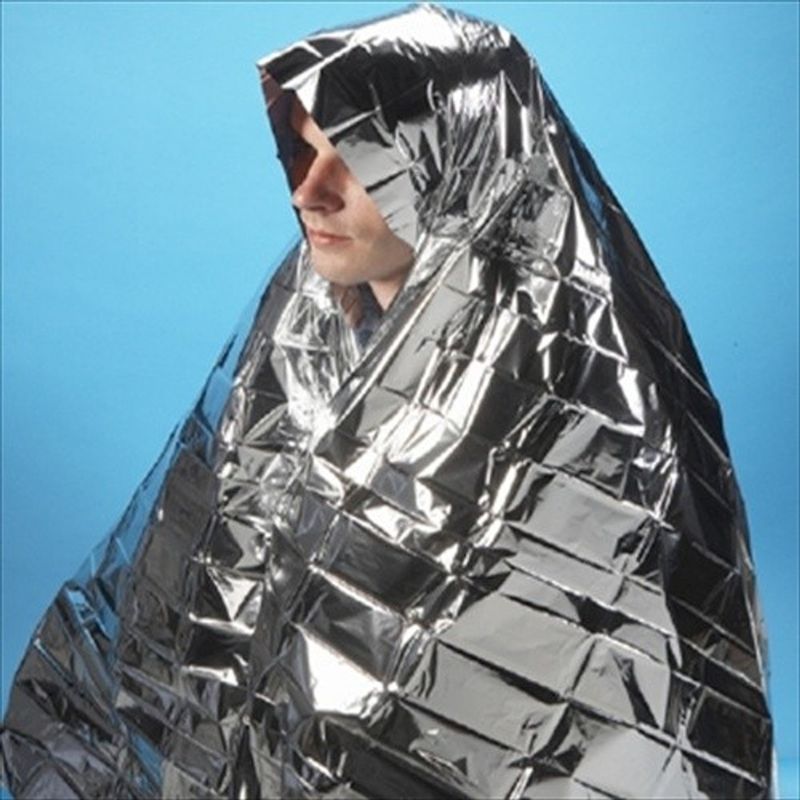
Weighing less than a candy bar, emergency blankets provide life-saving warmth if you’re out longer than expected. Fall temperatures drop quickly after sunset.
These reflective sheets retain up to 90% of your body heat and take up almost no space in your bag. They also function as emergency signaling devices.
Practice deploying one at home – they can be difficult to deploy when you’re cold and stressed in a real emergency situation.