
Affiliate Disclosure:As an Amazon Associate, I earn from qualifying purchases. Learn more
You don’t need to be fluent to make friends across borders: just a few well-chosen words are enough. Whether you’re ordering street food in Bangkok, asking directions in Rome, or toasting new friends in Mexico City, knowing a few local expressions can transform your travel experience. These simple expressions break down barriers, bring smiles and show respect to the people and cultures you encounter. Before you pack your bags (or even book your flight), make sure you master these 15 essential phrases you should learn in every language.
1. Hello / Hi

Opening up with a friendly “Hello” can break the ice like nothing else. It’s an instant bridge, a universal gesture of goodwill.
Learning to say “Hello” not only shows respect, but often leads to a warmer welcome. From a cozy café in Paris to a bustling street in Bangkok, your welcome is your ticket to new experiences.
Every culture imbues its welcome with a unique warmth or enthusiasm, so embrace it. It’s not just a word; it’s a connection.
2. Goodbye

Every meeting has an end and “Goodbye” is the key to a smooth exit. This is not just a parting word; it’s a promise to see each other again.
In different languages, “Goodbye” can be formal or informal, but it always leaves a sweet note. From the cheerful “Adios” in Spanish to the polite “Sayonara” in Japanese, each farewell is a cultural melody.
Saying “Goodbye” in the local language often brings a smile to your face, ensuring that your last impression is as good as your first.
3. Please
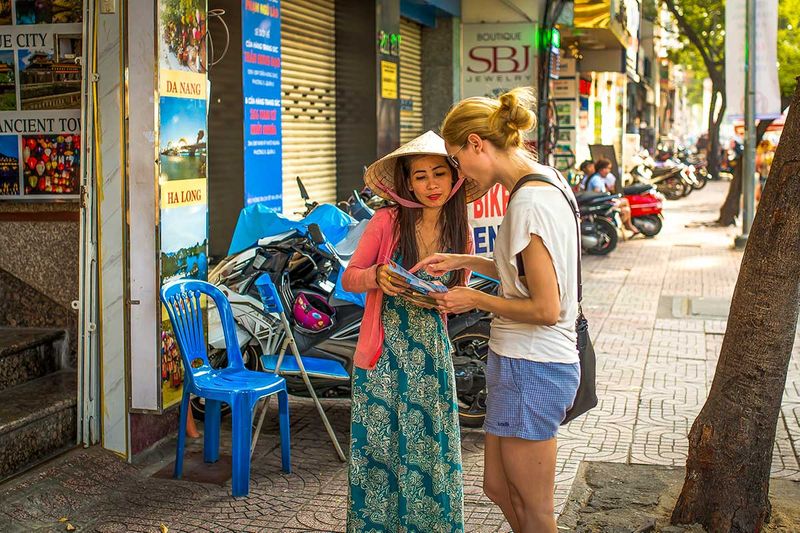
“Please” is a small word with immense power, a magic word that opens doors. It’s endearing, charming and universally loved.
In any language, “please” is the polite touch that turns a request into a request. Whether you’re ordering a meal in Rome or asking directions in Beijing, this word is your passport to politeness.
Mastering “Please” in different languages is more than just a language skill; it’s a cultural currency, a simple but profound way of showing respect.
4. Thank you

“Thank you” is an expression that conveys gratitude beyond borders. These are not just words; it’s a hug of appreciation.
In all languages, “Thank you” is a bridge to hearts. From “Grazie” in Italy to “Arigato” in Japan, this phrase can light up faces and open doors.
Gratitude transcends language barriers, builds connections and leaves lasting impressions. It’s a simple and universal feeling that can transform a fleeting encounter into a meaningful moment.
5. Yes / No

Making life’s choices comes down to “Yes” or “No”.
These words are essential in all languages, facilitating clarity of conversations. Whether deciding on a purchase in a Moroccan souk or confirming a route on a London Underground, “Yes” and “No” are your verbal compasses.
Understanding these simple affirmatives or negatives ensures smooth interactions, allowing you to navigate foreign landscapes with confidence and grace.
6. Excuse me / Sorry

In the heart of a city, a gentle “Excuse me” is the key to politeness.
In any language, “Excuse me” and “Sorry” diffuse tension and promote understanding. Whether you’re sneaking onto a Tokyo subway or excusing yourself in a New York cafe, these phrases make social interactions easier.
These are small gestures that have a big impact, transforming possible misunderstandings into moments of shared humanity. Use them to make your travel easier in crowded places.
7. Do you speak English?

Ask “Do you speak English?” » is a respectful foray into new linguistic terrain.
This phrase is your bridge when language barriers become significant. This shows consideration for the local language, acknowledging the host before switching to your own.
In bustling cities or remote villages, this question is your starting point for meaningful interactions. It’s not just about finding a common language; it is a respectful commitment.
8. I don’t understand
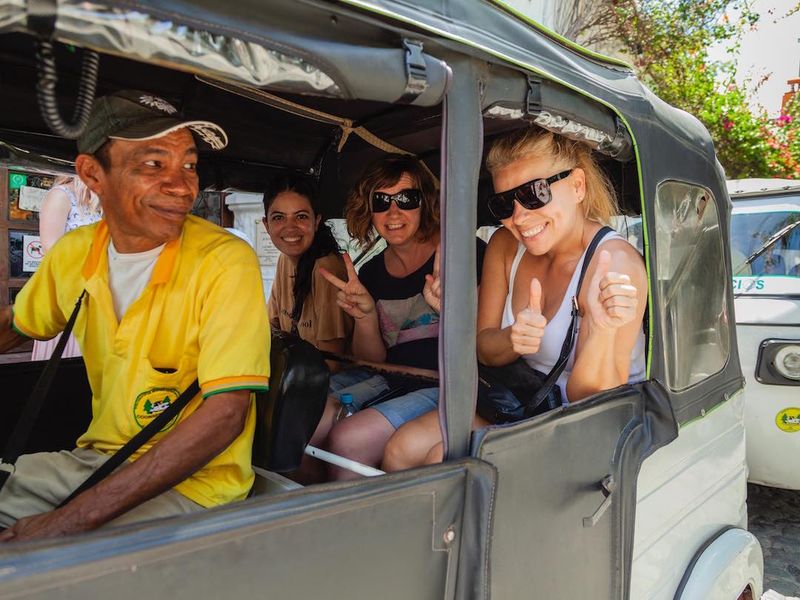
“I don’t understand” is a humble admission accompanied by an invitation for help.
This phrase is your call for patience and clarity. From bustling bazaars to quiet cafes, it encourages others to gently guide you through their linguistic maze.
Accompanied by a hopeful smile, it turns misunderstandings into learning opportunities, fostering kindness and connection. Use it to transform perplexity into moments of complicity.
9. How much does it cost?

Amid the vibrant chaos of a flea market, “How much does it cost?” » becomes your business tool.
This phrase is crucial for travelers exploring markets and shops around the world. It opens dialogues, whether you are negotiating a souvenir in Marrakech or shopping in Bangkok.
Even if the numbers confuse you, it’s a starting point for understanding values and culture. Use it to engage and learn, turning transactions into cultural exchanges.
10. Where is the bathroom?

In the urgency of the trip, “Where are the toilets?” becomes your survival phrase.
This question is your reference in any new environment, ensuring comfort and confidence. From airports to city streets, mastering it means fewer awkward moments.
It’s a universal necessity that transcends language, an essential question wherever your journey takes you. Always have it ready; it’s your faithful co-pilot in every adventure.
11. Help!
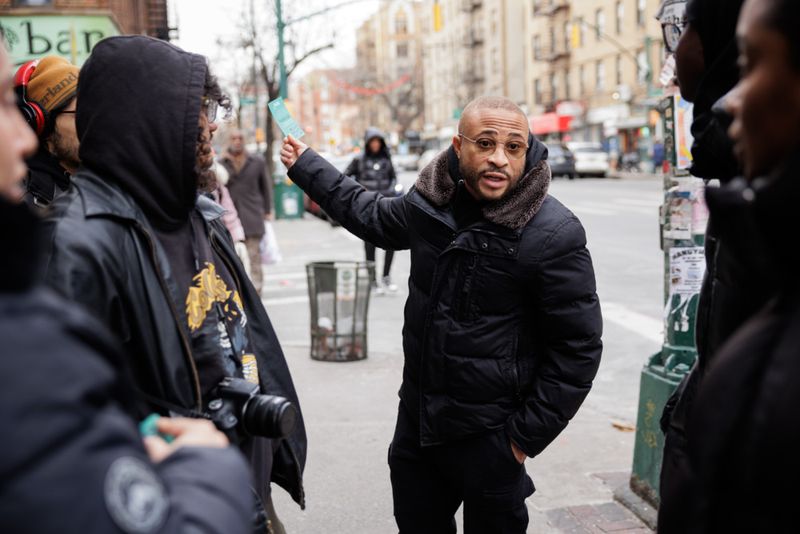
“Help!” is a cry that cuts through language like nothing else.
In an emergency, this word is your lifeline. Whether you’re lost in a foreign city or faced with an unexpected challenge, “Help!” » rallies support and compassion.
It is a simple and urgent call that resonates deeply, transcending linguistic boundaries. Familiarize yourself with its local equivalent and make sure you’re prepared for these unpredictable times.
12. I need a doctor/police

In critical moments, “I Need a Doctor” or “Police” become essential.
These phrases are vital for health and safety, as they provide immediate clarity in an emergency. From allergic reactions to safety concerns, knowing them ensures rapid action.
Familiarize yourself with their local versions before traveling, by memorizing them. It’s about preparation and peace of mind, protecting your trip.
13. I’m lost / Where is…?

“I’m lost” is a phrase that invites guidance and kindness.
This expression accompanies you as you navigate new places, turning strangers into guides. Whether you wander the avenues of Paris or the labyrinthine streets of Tokyo, it opens paths.
It’s a sign of vulnerability that often leads to unexpected friendships and stories. Use it to explore with openness, transforming disorientation into discovery.
14. Well done! / To your health!

“Cheers!” is the joyful crescendo of every gathering.
This phrase is your ticket to camaraderie, a toast to unity and joy. Whether you’re enjoying a pint in a Dublin pub or sharing sake in a Tokyo izakaya, it’s a celebration of connection.
Learn it in all languages for those special moments, where the clinking of glasses connects cultures. It’s more than a word; it is a heartwarming tradition that transcends borders.
15. What is your name? / My name is…

“What is your name?” is the first line of countless stories.
This phrase is your gateway to introductions and connections. Whether you’re meeting new friends at a bustling bazaar or networking at a conference, it builds bridges.
Knowing how to say it in any language turns meetings into memorable exchanges. This is not just an introduction; it is the beginning of understanding and friendship.