
Affiliate Disclosure:
As an Amazon Associate, I earn from qualifying purchases. Learn more
Nothing beats the feeling of fresh air and beautiful views on a hiking trail. But even the most exciting outdoor adventure can quickly turn scary in an emergency. The good news is that most hiking disasters can be avoided with simple planning and smart choices before you even lace up your boots.
1. Get lost in nature
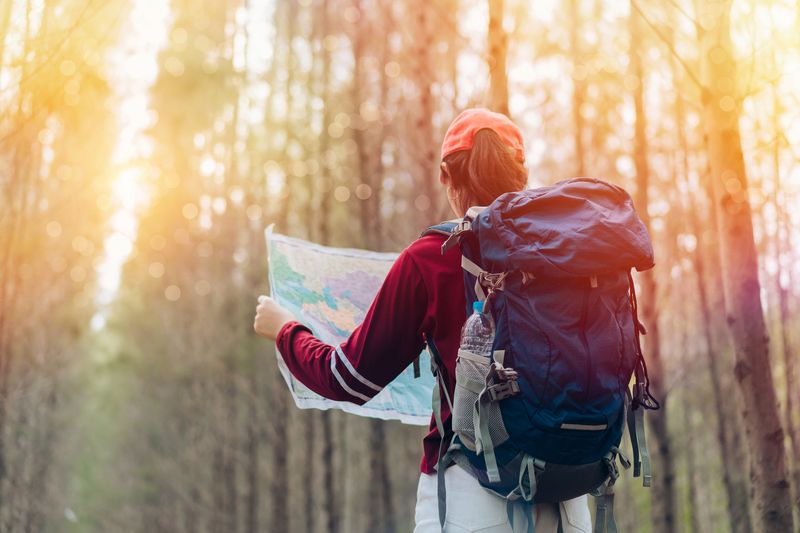
Even a short hike can turn into a nightmare if you stray from the trail or lose your sense of direction. Once the cues fade and the phone signals disappear, panic quickly sets in.
Bring navigation tools like a map, compass, and fully charged GPS device as essentials. Download offline maps before leaving signage areas. Mark your trail mentally or with biodegradable tape if necessary.
Let someone know about your plan by sharing your itinerary and expected return time. Pro tip: Always stay calm if you get lost. Sit, think, observe your surroundings, then take action using the STOP method.
2. Dehydration and heat exhaustion

Long exposure to the sun, especially in summer or at high altitudes, can quickly drain fluids and electrolytes from your body. Signs include dizziness, nausea, and confusion that come on more quickly than you think.
Hydrate early and often by starting to drink water before you feel thirsty. Carry electrolyte tablets or salty snacks along the way. Avoid alcohol and caffeine the day before the hike.
Plan your route in the shade and start early to avoid peak sun hours. Rule of thumb: Drink at least half a liter of water per hour of moderate hiking to stay safe and strong.
3. Sudden weather changes
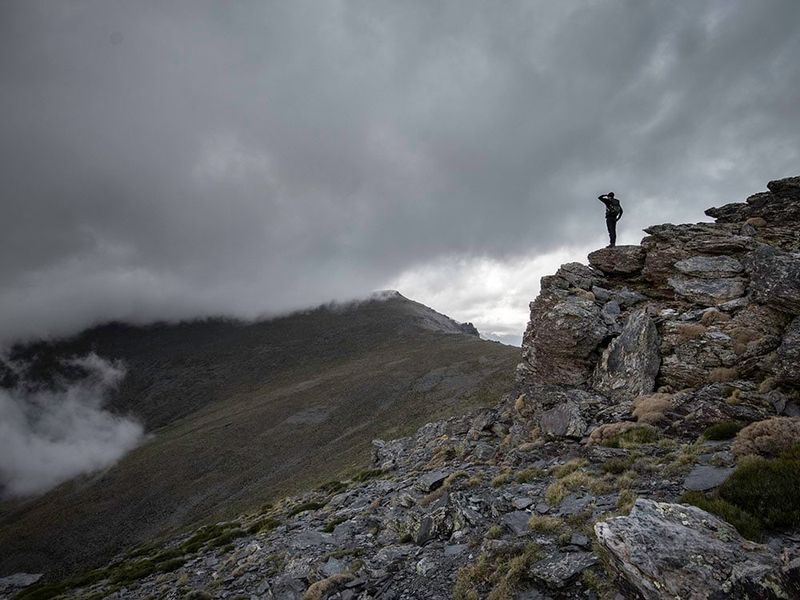
The weather in the mountains can change in a matter of minutes: the sun can turn into a thunderstorm or a freezing wind without warning. Being caught off guard can lead to hypothermia or heat stroke before you realize what’s happening.
Check the forecast for your specific region, not just the nearest city. Pack multiple layers including a lightweight rain jacket and thermal base layer to save your life. Know the warning signs like dark clouds, sudden temperature drops, or wind changes that often precede storms.
Avoid ridgelines and open areas when thunder is near. Bonus Tip: Invest in a lightweight emergency blanket that doesn’t take up space but can save your life.
4. Injuries on the trail
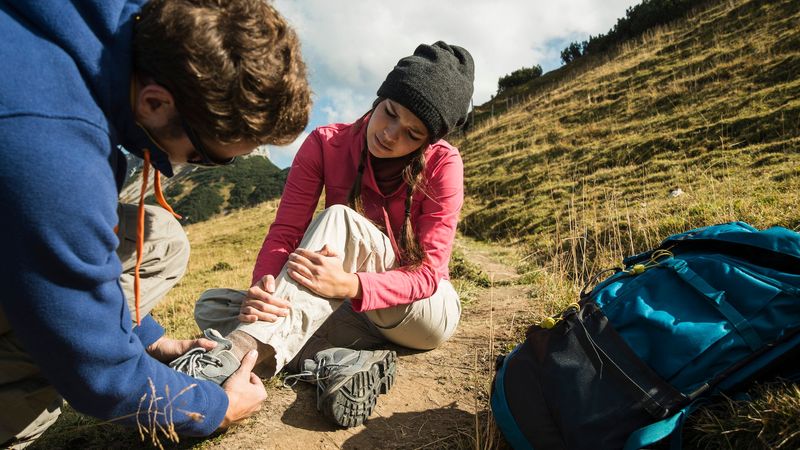
Slips, trips, and falls are some of the most common hiking accidents that catch people off guard. Sprained ankles, blisters, or even minor cuts can quickly escalate when you’re far from medical help and care.
Wear appropriate shoes with ankle support and traction that grip the ground well. Use hiking poles to reduce strain on knees and avoid slipping on uneven terrain. Carry a mini first aid kit with blister packs, bandages and antiseptic wipes.
Stretch before you go hiking to warm up the muscles and prevent tension. Remember: a twisted ankle in civilization is an inconvenience, but on a trail it is a crisis; so prevention is really important.
5. Wildlife Encounters
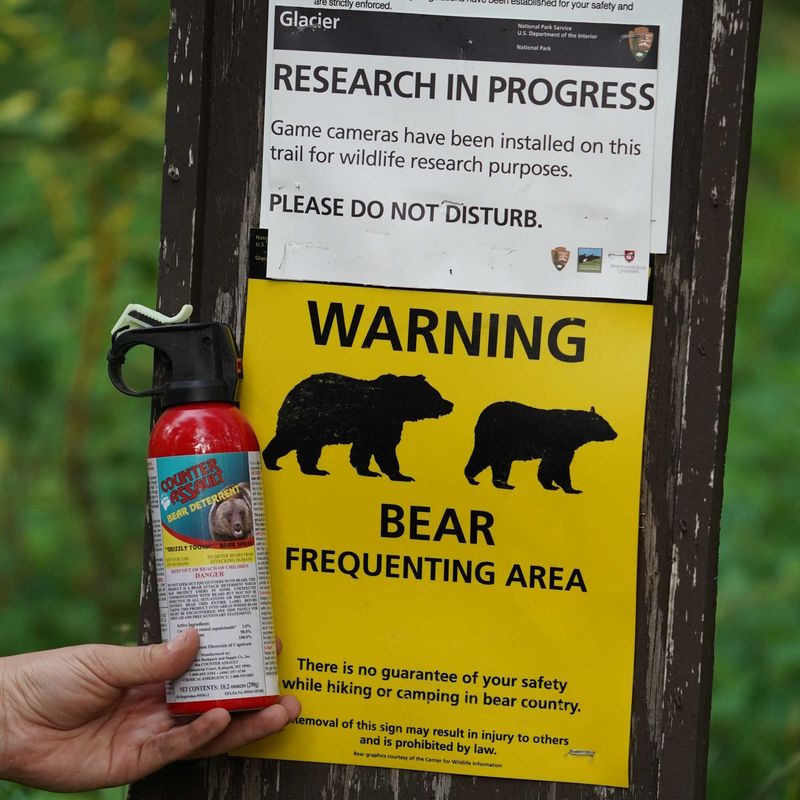
Animals are usually more afraid of you than you are of them, but an aggressive bear, snake, or even deer can quickly become dangerous. One wrong move can turn a peaceful moment into a scary situation.
Make noise while hiking to avoid startling animals hiding nearby. Store food properly and never feed wild animals, no matter how cute they are. Learn basic animal behavior, such as never run away from a bear, but back away slowly.
Carry bear spray or a whistle if you are hiking in known wildlife territory. Bottom line: Respect the natural area because you are visiting their home, after all, and they deserve that courtesy.