Affiliate Disclosure:As an Amazon Associate, I earn from qualifying purchases. Learn more
Heavy, bulky hiking shoes may seem like an obvious choice for outdoor adventures, but they could sabotage your trail experience. Many hikers discover that traditional boots create more problems than they solve. Modern alternatives offer better comfort and performance in most hiking situations.
1. Excessive weight drains your energy
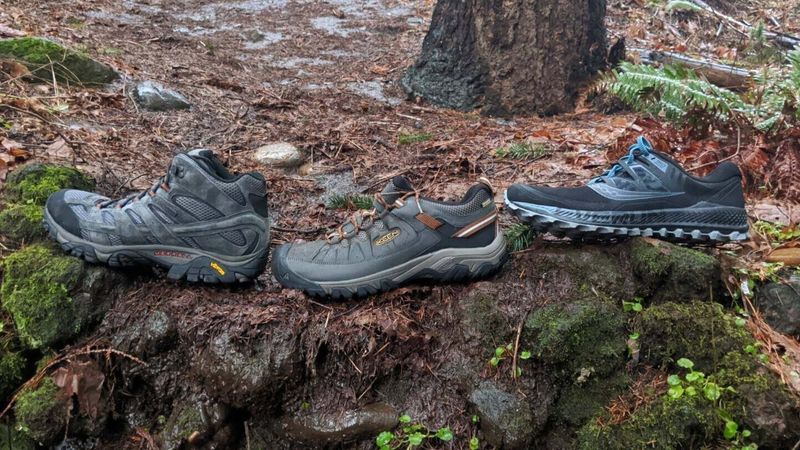
Every ounce on your feet feels like five pounds in your pack after miles on the trail. Traditional hiking shoes often weigh twice as much as modern trail shoes or lightweight alternatives.
Your legs work overtime lifting heavy boots with every step, leaving you exhausted before you reach your destination. Lighter shoes keep you energized and focused on the beauty of nature instead of battling fatigue.
2. Poor ventilation creates swamp feet
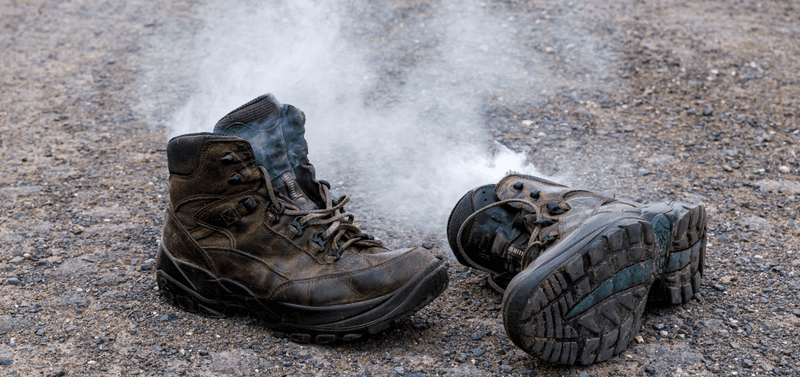
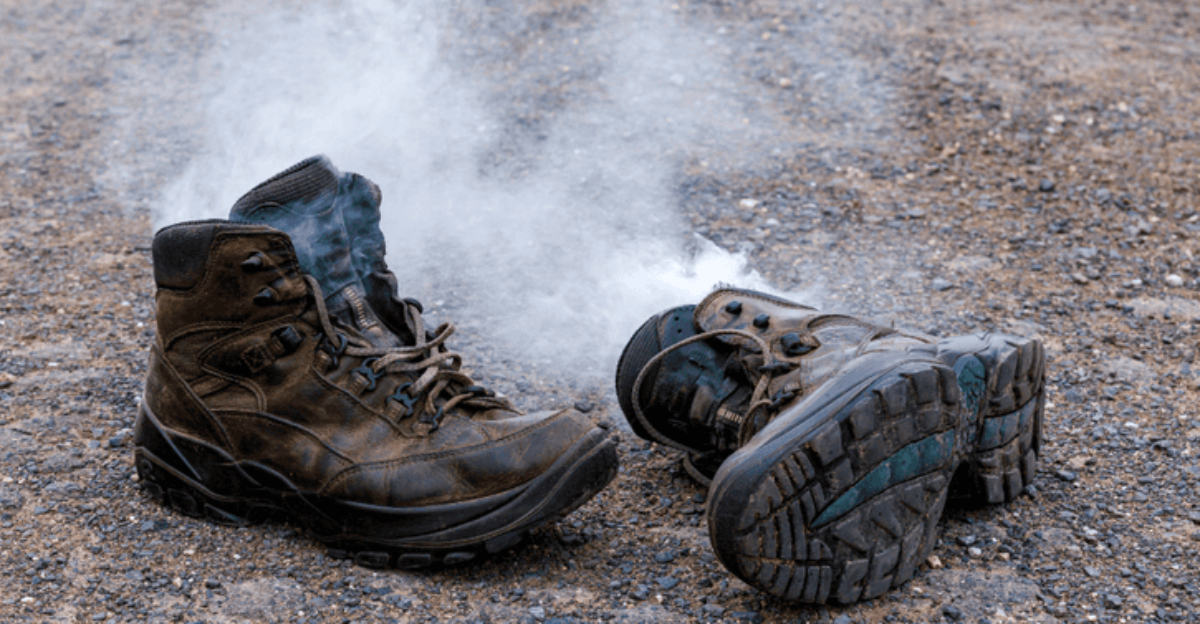
Waterproof boots trap heat and moisture like plastic bags around your feet. Once sweat starts to build up, it has nowhere to escape, creating a damp breeding ground for blisters and odor.
Hot, soggy feet become painful and bothersome on long hikes. Breathable trail shoes allow air circulation, keeping your feet dry and comfortable even during intense climbs or hot-weather adventures.
3. Waterlogged boots stay wet for days
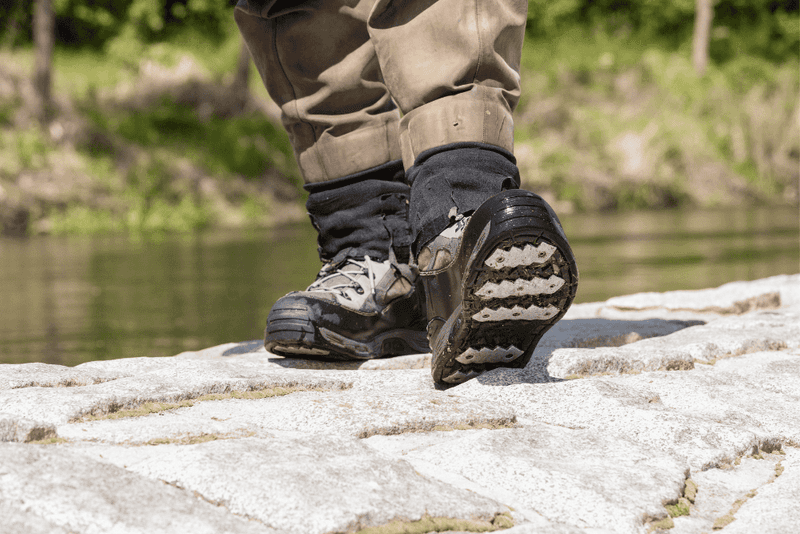
Stream crossings and wet weather turn boots into waterlogged anchors that refuse to dry. The thick leather and multiple layers retain moisture for hours or even days after being soaked.
Wet boots become heavier, colder and more likely to cause painful chafing. Quick-drying trail shoes or sandals shed water quickly, keeping you comfortable and mobile no matter the trail conditions ahead.
4. Rigid design weakens natural movement
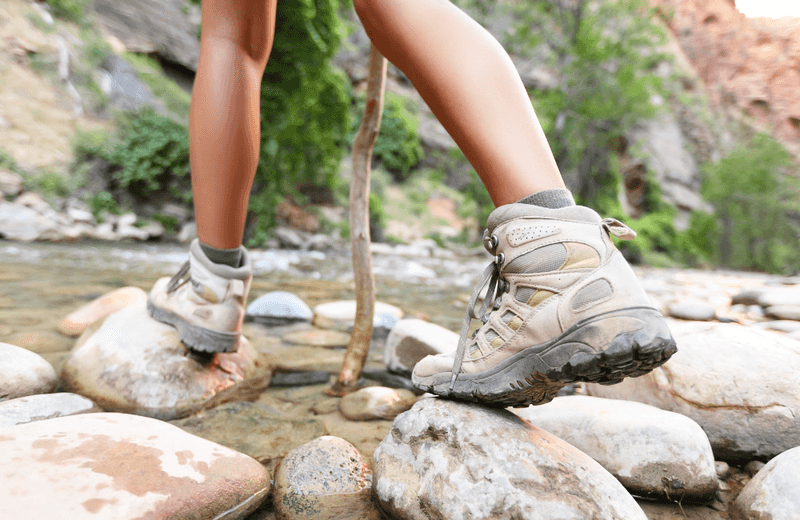
Rigid ankle support may seem protective, but it actually prevents your feet from moving naturally over uneven terrain. Over-designed boots limit the small adjustments your body makes for balance and stability.
Flexible shoes strengthen your foot muscles and improve your natural agility on rocks and roots. Your feet evolved to tackle rugged terrain without bulky armor limiting their incredible adaptability and responsiveness.
5. Bulky size makes packing difficult
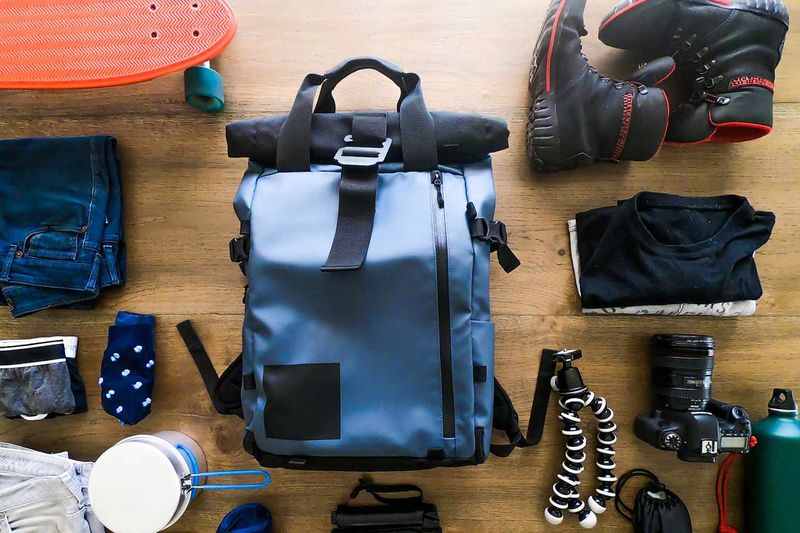
Massive boots eat up valuable backpack space that could hold extra layers of food, gear, or clothing. Their awkward shape makes efficient storage almost impossible on multi-day adventures.
Airlines charge extra for oversized luggage partially filled with large shoes. Compact trail shoes store easily and leave room for the essentials that actually enhance your hiking experience rather than unnecessarily consuming valuable storage space.