Affiliate Disclosure:As an Amazon Associate, I earn from qualifying purchases. Learn more
Plugging your phone into a rental car’s USB port may seem like the easiest way to keep your device powered during a road trip. However, this seemingly innocent act can expose your personal information to serious security risks. Modern rental cars come equipped with sophisticated infotainment systems that do more than just charge your phone. Understanding these hidden dangers can help you protect your privacy and keep your data secure when you travel.
1. Your personal data is automatically copied
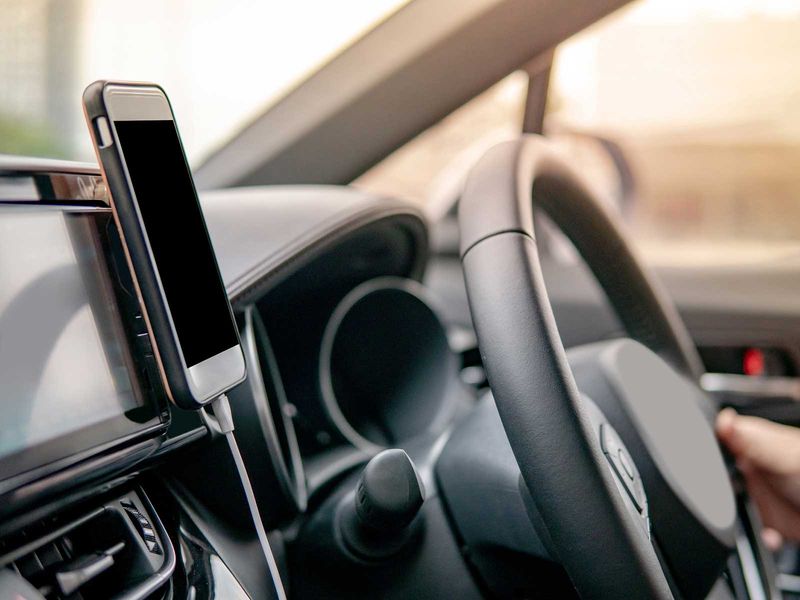
Modern rental cars act like digital sponges when you connect your phone. As soon as you plug it in, the infotainment system starts downloading your contacts, call history and text messages without asking permission.
Some vehicles even copy your photos and music files. Rental companies rarely delete this information between customers, which means strangers could access your private conversations and personal information.
This automatic data transfer happens silently in the background while you simply think about charging your battery.
2. Hackers can install malware through compromised ports
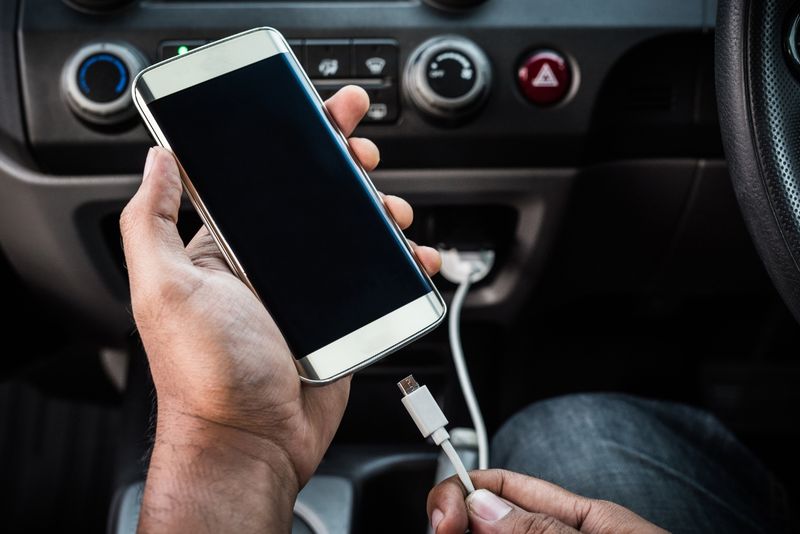
Criminals sometimes tamper with rental car USB ports to install malware on unsuspecting travelers’ devices. This practice, known as “juice jacking,” turns innocent charging stations into digital traps.
Once malware infects your phone, hackers can remotely access your banking apps, steal passwords, and monitor your activities. The infection often goes unnoticed for weeks or months.
Rental cars are particularly vulnerable because they are used by countless strangers and rarely inspected for tampering.
3. Browsing history reveals your private locations
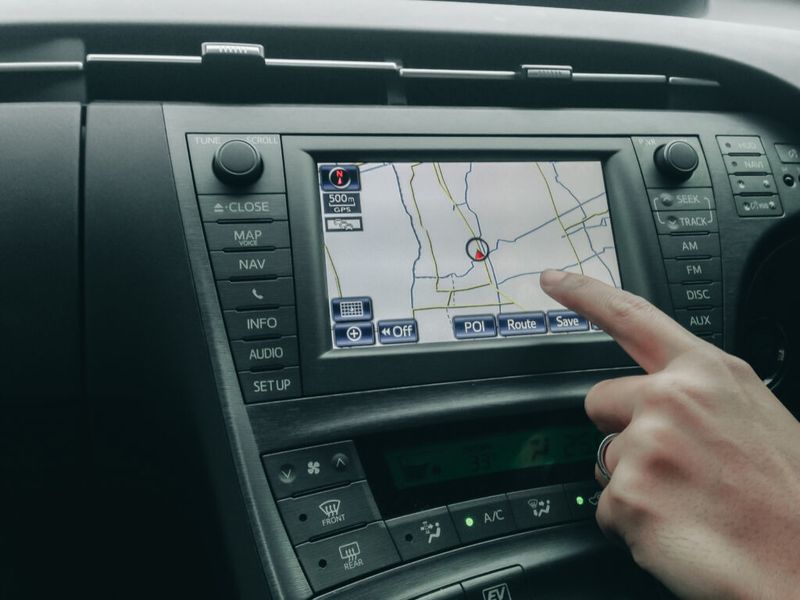
When your phone connects to the car’s system, your GPS history and saved destinations are stored in the vehicle’s memory. This means future renters will be able to see where you have stayed and traveled.
Your home address, hotel location, and frequently visited places become visible to complete strangers. Business travelers face particular risks if their clients’ locations are exposed.
Some rental cars store this navigation data for months, creating a detailed map of your personal movements.
4. Outdated automotive systems create security vulnerabilities
Many rental car fleets use vehicles with outdated infotainment software that hasn’t received security updates in years. These aging systems contain known vulnerabilities that cybercriminals are actively exploiting.
Unlike your regularly updated smartphone, rental cars often run on outdated operating systems with gaping security holes. Connecting to these compromised systems puts your device in immediate danger.
Rental companies prioritize mechanical maintenance over digital security, leaving technological weak points unaddressed for long periods of time.
5. Simple alternatives keep you completely safe
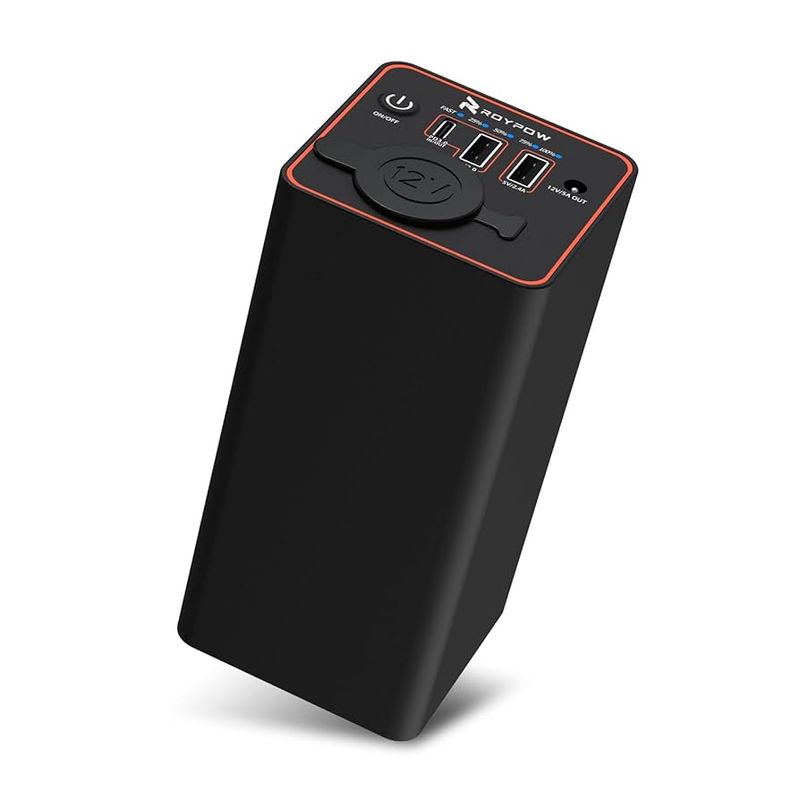
Portable power banks and 12 volt cigarette lighter adapters provide power without any data connection risk. These charging methods keep your information completely isolated from the rental car’s systems.
Power banks offer multiple charges and work anywhere, while cigarette lighter adapters only transfer electricity, never data. Both options cost less than dealing with identity theft or data breaches.
Smart travelers always come up with these safer alternatives rather than playing with their digital privacy and security.