
Remember when smartphones were like science fiction? Technology is evolving rapidly and artificial intelligence is accelerating this pace even further. The next wave of AI-powered gadgets will transform our homes in ways that might seem impossible today. These innovations aren’t just concepts on drawing boards: they are currently in development and could become everyday household items by 2026.
HiDock P1: headphones that transcribe your life
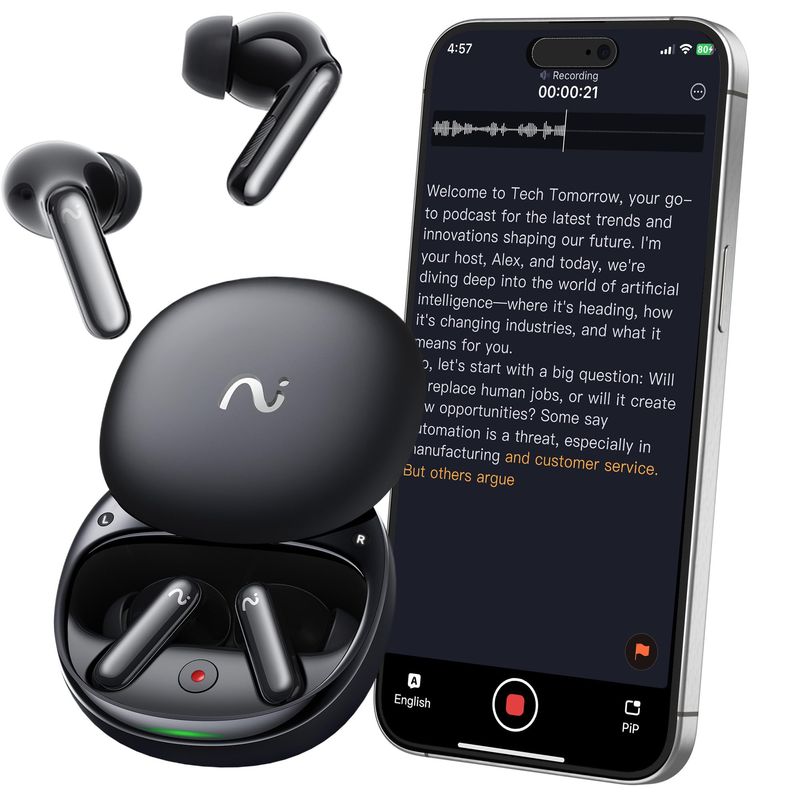
Imagine having a personal secretary in your ears, capturing all the important conversations of your day. HiDock P1 headphones don’t just stream music: they actively listen, transcribe and even summarize conversations in real time. Wandering through a noisy coffee shop but need to capture that brilliant idea? These smart headphones filter out background noise and create searchable text files of everything you hear. They can even instantly translate foreign languages during your trip. Privacy issues exist with constant recording, and battery limitations remain a challenge. Yet, by 2026, these limitations could be resolved, making these headphones indispensable for professionals and students alike.
DJI Flip: the drone that predicts your perfect shot

Filmmakers rejoice! The pocket-sized DJI Flip doesn’t just follow you: it anticipates your movements and automatically frames cinematic shots. Fold it smaller than a smartphone, but it unfolds to capture stunning 4K footage with AI-powered scene recognition. Hike the Grand Canyon? The drone flies in front of you, identifying the most breathtaking views before you even reach them. Its neural processing unit analyzes lighting conditions, subject positioning and background elements to create professional-quality footage without manual controls. Current drone regulations vary by location, but simplified rules expected by 2026 could make these smart flying cameras as common as selfie sticks once were.
Halo Modular Air Duster: the smart tool that transforms
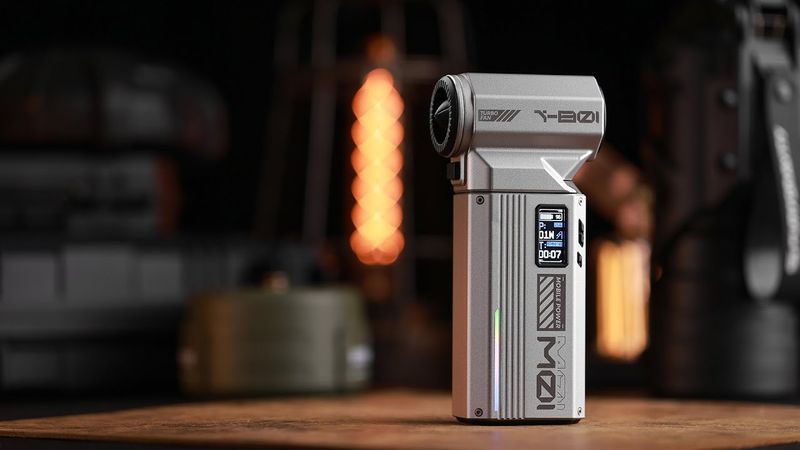
The humble can of compressed air gets a makeover with the Halo Modular Air Duster. Spinning at a mind-blowing 90,000 RPM, this versatile gadget removes dust from your electronic devices with pinpoint precision and surprising power. What makes it revolutionary is its modular design. Need a personal cooling fan during summer? Swap modules. Is your phone battery low? It works as a power bank. Late for a meeting? Quick module change and you get an electric shaver. The high-speed motor raises some safety considerations regarding loose clothing and hair. However, its adaptability makes it the Swiss army knife of the electronic age: a tool fulfilling innumerable functions.
Moonside Star bulb: lighting that reads your emotions
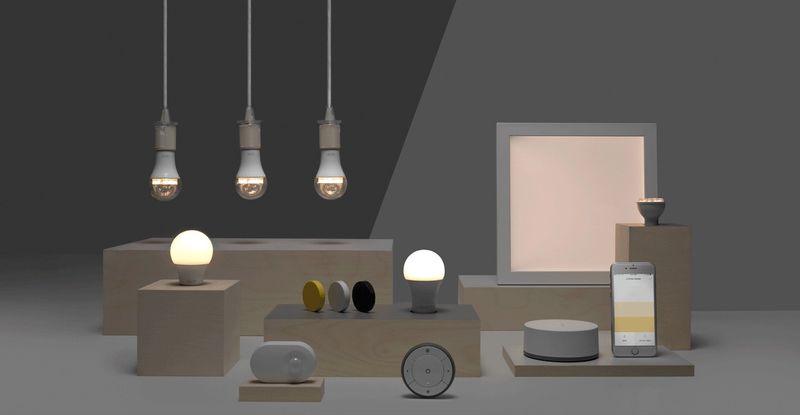
Do you feel stressed after work? Your lighting knows it before you do. The Moonside Star bulb features 96 independently controlled LED zones that adjust based on your emotional state, detected by connected wearable devices and home sensors. Did you have a difficult day? The bulb gradually shifts to soothing blue tones while reducing brightness. Are you having friends over? It creates energetic patterns that subtly enhance social interactions. Are you working on a project? It optimizes concentration with perfect color temperature. Although current mood-sensing technology remains imperfect, advances in emotional AI suggest that these lights could become remarkably accurate by 2026, transforming any room into a responsive environment that supports your psychological well-being throughout the day.
Chill Shark: the AI bath master
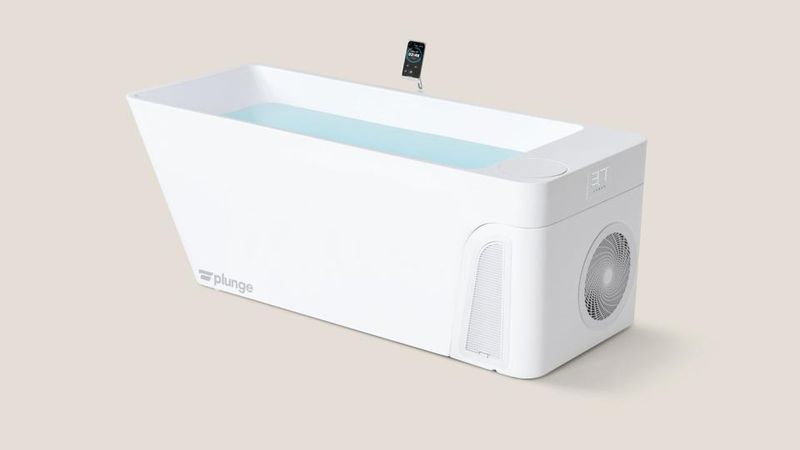
Cold therapy is going mainstream with the Chill Shark, an unassuming device that transforms ordinary bathtubs into precisely temperature-controlled wellness centers. Athletes swear by cold immersion to recover, but maintaining an ideal temperature has always been a challenge. The Chill Shark monitors water conditions through multiple sensors, automatically adjusting the cooling or heating elements to maintain the desired temperature. Its AI learns your preferences over time, suggesting optimal temperatures and durations based on your recovery needs, sleeping habits, and even upcoming weather changes. Safety features prevent electrical hazards, while energy-efficient designs address power consumption concerns. For health enthusiasts, this device could eliminate costly spa visits by 2026.
Circular ring 2: health monitoring in less than a gram
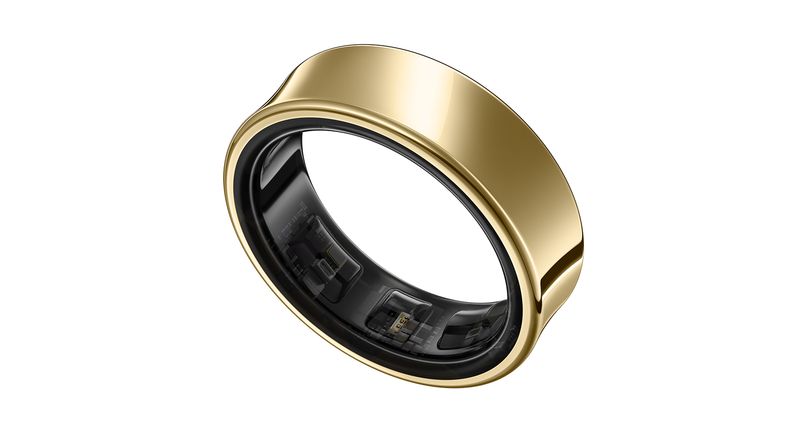
Weighing less than a paperclip, the Circular Ring 2 represents the pinnacle of miniaturization in healthcare technology. This ultralight ring contains an astonishing array of sensors that track everything from sleep quality to blood oxygen levels, without the bulk of traditional wearable devices. Unlike the first smart rings which required daily charging, this wonder works for up to twelve days between charges. Its AI continuously analyzes your biometric data, detecting subtle patterns that could indicate health changes before symptoms appear. The ring’s ability to track stress responses could transform mental health monitoring. While data privacy remains a valid concern, advanced encryption and local processing could address these issues as these rings become commonplace in medicine cabinets across the country.
Dr Cushion: The bed that knows you better than you know yourself
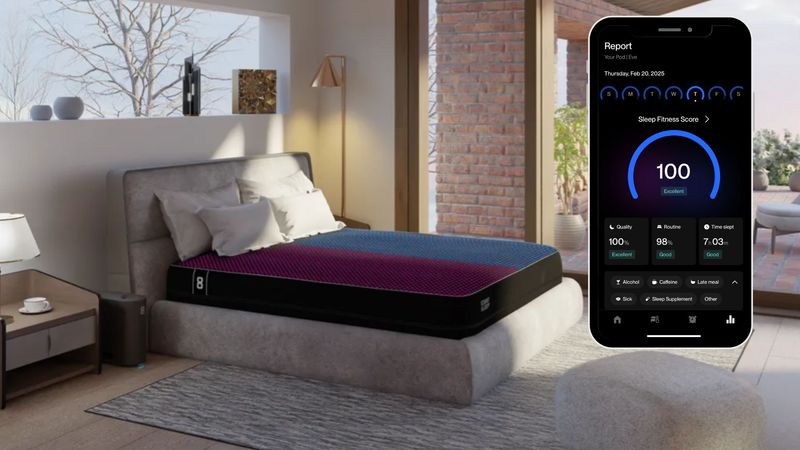
The science of sleep comes to your bedroom with Dr. Cushion, a revolutionary smart mattress system that transforms bedtime into a personalized health experience. Thousands of built-in sensors detect your sleeping posture, breathing patterns, and even minor movements throughout the night. Toss and turn? The mattress responds with gentle massage pulses to guide you into comfort. Is it hot? The cooling elements activate precisely where needed. The system’s AI creates a comprehensive sleep profile, making micro-adjustments to temperature, firmness and position to optimize your rest. Morning reports show exactly how you slept and suggest adjustments to your daytime habits. Although current versions come with a premium price tag, advances in manufacturing could make this technology affordable for average households by 2026.
Maddo dynamic smart blinds: windows with their own mind
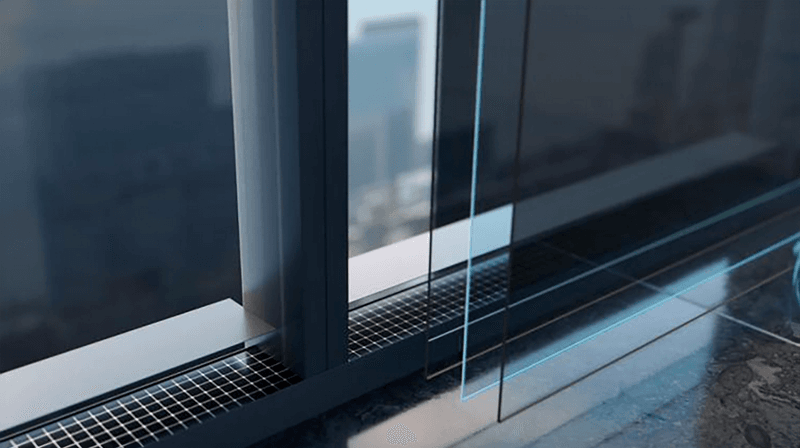
Sunlight comes at 6 a.m. when you wanted to sleep late? Not with Maddo dynamic smart blinds. These solar-powered window coverings operate without wiring or batteries, harvesting energy from the sunlight they control. Much more than just timers, these shades integrate with weather services and home sensors to make smart decisions. Are you expecting a hot afternoon? They will adjust throughout the day to minimize solar gain while maximizing natural light. Working from home? They will reduce glare on your computer screen without you being prompted. The shades even learn your preferences over time, anticipating when you want privacy versus sunlight. Current prototypes show promising durability, suggesting that by 2026 they could become standard parts of energy-efficient homes.