
Affiliate Disclosure:
As an Amazon Associate, I earn from qualifying purchases. Learn more
Taking photos in the desert can be hard on your equipment. Sand seeps everywhere, temperatures soar, and dust seems to find its way into every crack and crevice. But the right camera can handle these harsh conditions while capturing stunning images of these endless dunes and spectacular landscapes.
1.Fujifilm X-T5
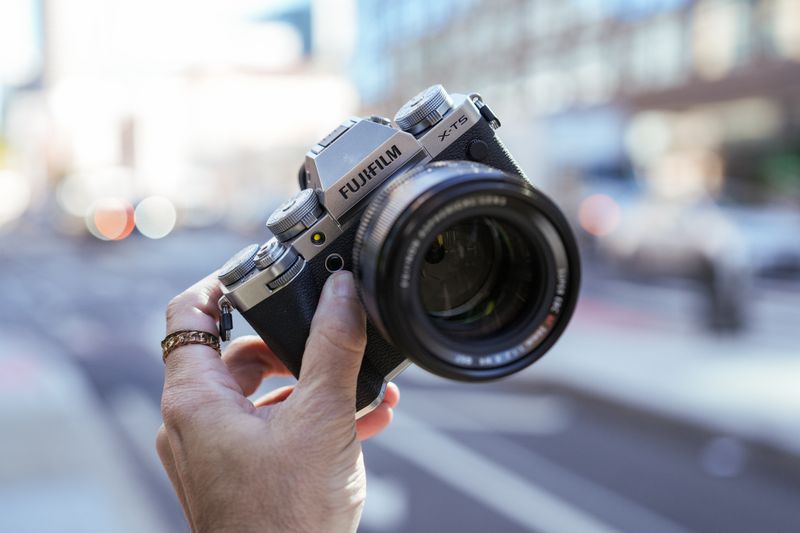
Featuring a powerful 40-megapixel APS-C sensor, this mirrorless marvel captures breathtaking details in panoramic desert views. The fully waterproof body is your shield against infiltration of sand and dust particles that love to damage the equipment.
Travel photographers appreciate the way this camera balances compact size and professional performance. You can walk for hours without feeling weighed down by bulky equipment.
Weather sealing really shines when winds whip up sandstorms around you. Although mirrorless sensors can heat up under prolonged exposure to sunlight, this model handles thermal challenges better than many competitors in its class.
2. Sony Alpha a7 IV
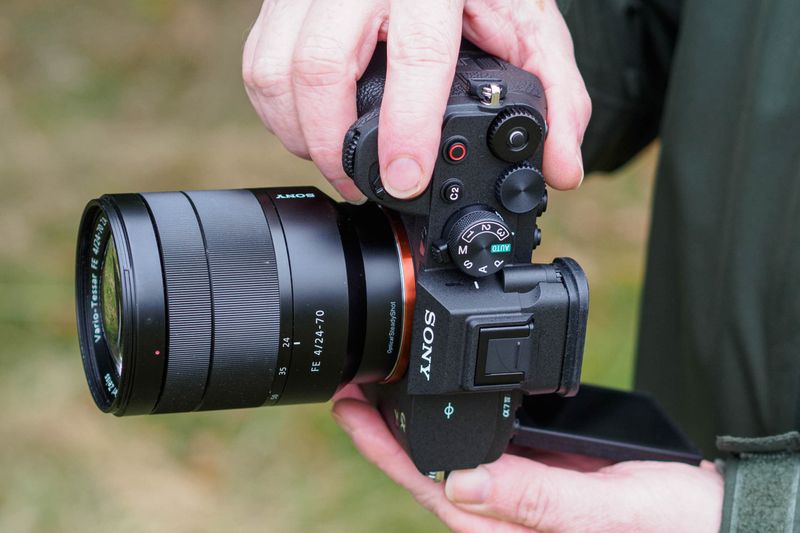
Full-frame excellence meets rock-solid reliability in this hybrid powerhouse. The magnesium alloy chassis provides serious protection when carrying heavier lenses over difficult terrain.
Photographers and videographers appreciate the versatility this camera offers. Class-leading image quality combined with rugged construction to handle whatever the desert throws at you.
Larger full-size bodies mean extra weight in your backpack, something to consider on long hikes. Remember to protect the body from direct midday sun during extended filming, as heat management remains important even with quality construction materials protecting internal components.
3.Nikon Z9
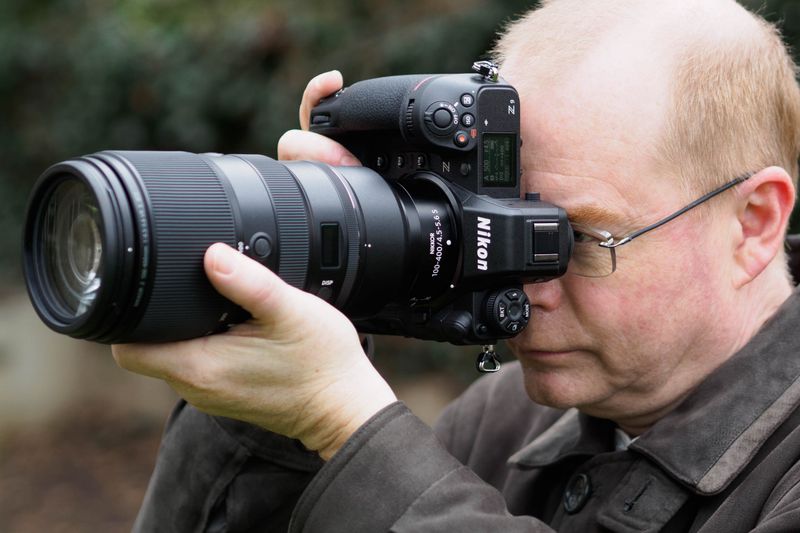
Professional photographers demand equipment that refuses to quit, and this flagship delivers. The 45.7-megapixel full-frame sensor captures incredible detail while rugged weather and dust sealing protects against extreme environments.
Designed specifically for demanding conditions, this camera represents the pinnacle of reliability. Budget and weight constraints disappear when you need absolute professional-level capabilities in harsh desert environments.
The compromises are real, however: this beast is big, heavy and expensive. Videographers especially need cooling strategies when filming in intense heat, as prolonged recording sessions can push thermal limits despite excellent engineering.
4. Canon EOS R6 Mark II
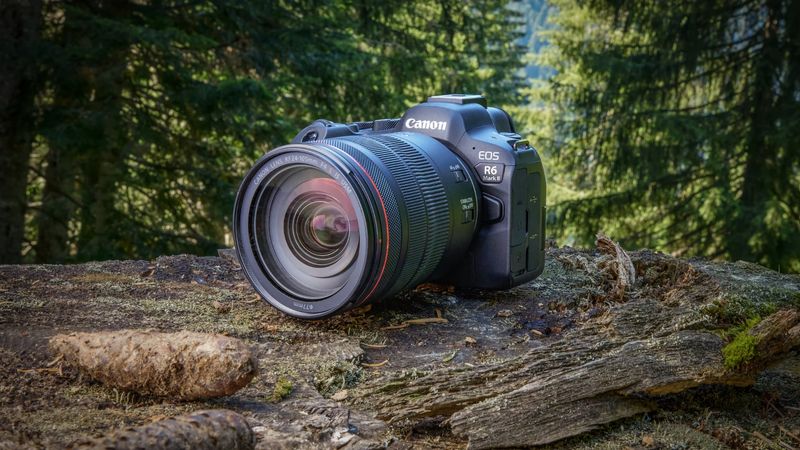
Situated halfway between performance and practicality, this full-size workhorse supports intensive use without breaking the bank. Solid durability features let you avoid the ultra-pro price tag while still getting serious capabilities.
Overall performance shines whether you’re shooting landscapes at dawn or wildlife at dusk. The balance of features makes this camera accessible to enthusiasts and professionals alike.
Battery management becomes crucial during extended desert shoots under unrelenting sun. Like all mirrorless models, heat from the sensor builds up over time, so plan your shooting schedule around the hottest hours when possible.
5. Olympus OM-D E-M5 Mark III
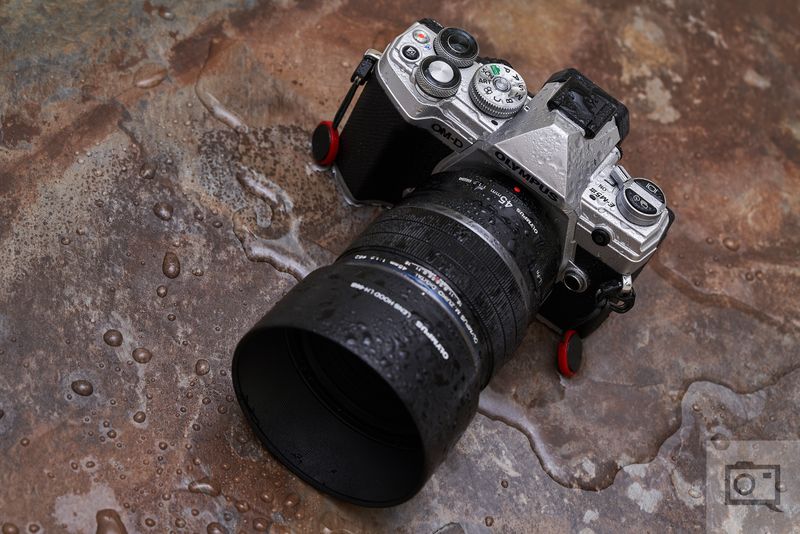
The lightweight design revolutionizes the way you experience desert photography. The 20.4-megapixel Micro Four Thirds sensor and weather-sealed body pack a punch in a surprisingly portable package.
Long hikes in hot terrain become manageable when your camera doesn’t weigh you down. Portability means you’ll carry this equipment to remote locations instead of leaving it behind.
The smaller sensor produces a slightly less dramatic depth of field than full-frame options. However, for landscape photography where sharpness across the entire frame matters most, this system provides more than sufficient quality while protecting beautifully against dust and sand ingress.
6. Pentax K-70
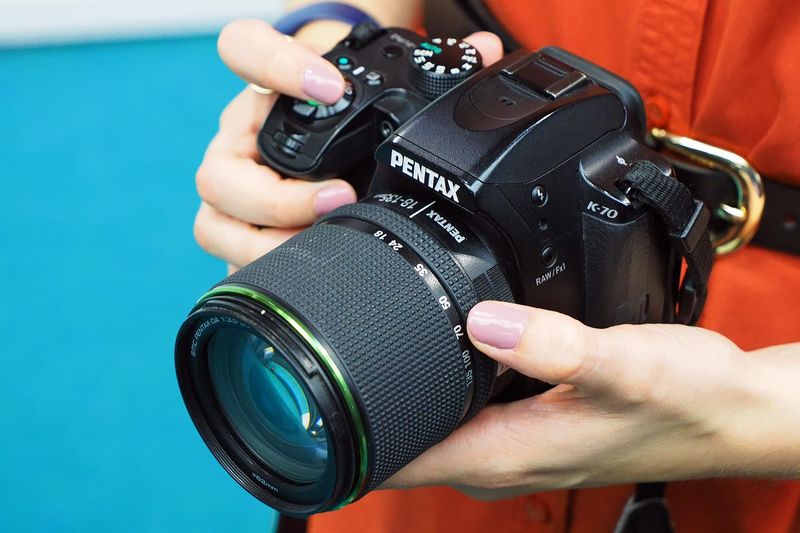
Traditionalists who prefer optical viewfinders will find what they are looking for here. The 24.2-megapixel APS-C sensor combines with strong weather sealing in a classic DSLR body that feels familiar and reliable.
Rugged construction and sealed body-lens combinations create tremendous protection against harsh elements. The chances of overheating decrease compared to some mirrorless alternatives, although thermal issues never completely go away in extreme heat.
DSLR technology means somewhat older features and less compact dimensions than newer mirrorless systems. Lens choice and overall weight require careful consideration, but many photographers appreciate the proven durability of this traditional approach to desert shooting.
7. OM SYSTEM Tough TG-7
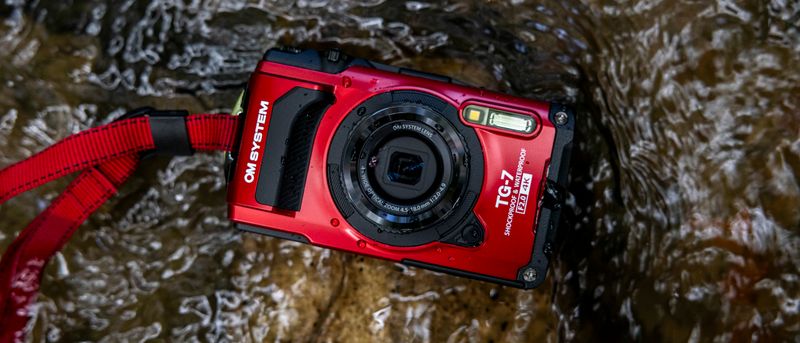
Built like a tank but sized for your pocket, this compact warrior doesn’t care about extreme conditions. Shock, freeze and water resistant construction means you no longer have to worry about equipment damage and you start focusing on taking incredible photos.
Its low-profile design makes it perfect as a primary travel camera or an essential backup camera. Less intimidating than large professional machines, it fits easily into a backpack for spontaneous adventures in the desert.
Tradeoffs include a smaller sensor that produces lower image quality than full-frame options. Limited lens flexibility and depth control limit creative possibilities, but for casual travelers or for backup purposes, this sturdy little camera handles sand and dust infiltration issues brilliantly.
8. SonyAlpha a1
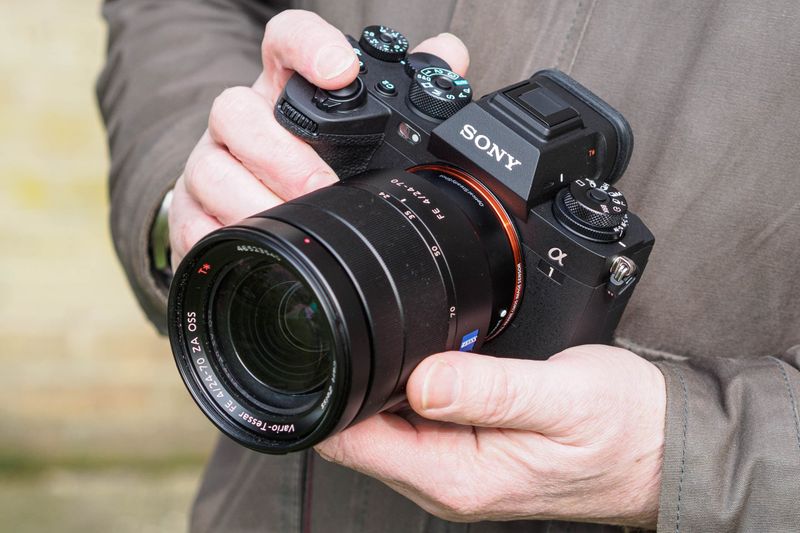
Ultimate performance comes at an ultimate price with this technological masterpiece. The 50.1-megapixel sensor, 30fps continuous shooting, and 8K video capability represent the absolute pinnacle of camera engineering.
High-end photo and video work on isolated desert expeditions demands this level of capability. Whether tracking wildlife or capturing vast landscape panoramas, professional-grade features ensure you’ll never miss the shot.
Serious considerations include the very high price and heavy weight which proves excessive for casual travelers. Heat dissipation and battery management become critical factors during extended desert shoots, requiring careful planning and backup power solutions to maximize this camera’s incredible potential.