
Winter travel brings incredible adventures, but facing soggy jackets, wet gloves, and wet boots can turn your trip into a soggy nightmare. Whether you’re stuck in an unexpected snowstorm or your gear gets soaked from everyday activities, knowing how to deal with wet winter clothing is essential when traveling. Smart travelers use simple tricks to dry their gear quickly and avoid damaging other belongings. These proven methods will keep you comfortable and ready for your next winter adventure.
1. Choose quick-drying fabrics before packing
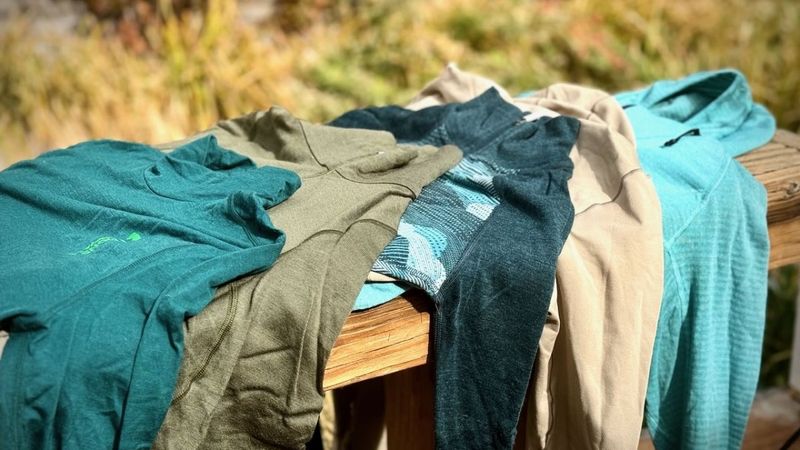
Smart fabric choices make all the difference when winter weather hits unexpectedly. Merino wool absorbs up to 33% of its weight in water while remaining dry against your skin, making it perfect for base layers and socks.
Polyester and nylon materials dry much faster than cotton and do not retain moisture for hours. Pack synthetic blend jackets and pants that wick water quickly and maintain their insulating properties even when wet.
2. Master the towel roll squeeze technique
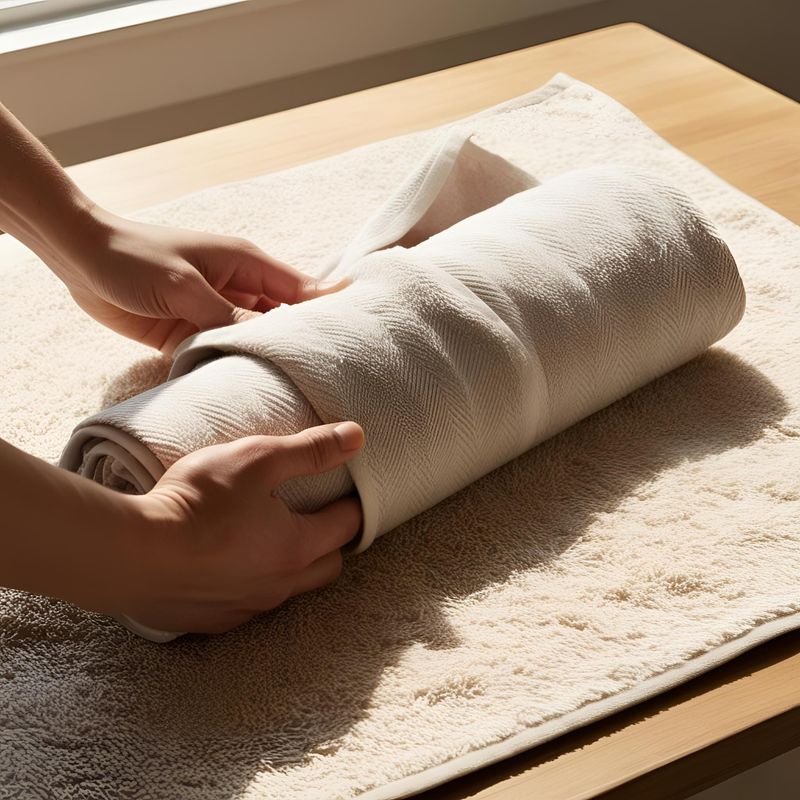
This old-fashioned method works wonders for removing excess water from wet clothes without damaging delicate materials. Lay your soaked item flat on a clean, dry towel and roll it up tightly.
Apply firm pressure by squeezing the rolled towel, effectively wicking away trapped moisture. Repeat with fresh, dry towels until minimal water comes out, significantly reducing the drying time of your winter clothes.
3. Transform your hotel bathroom into a drying station
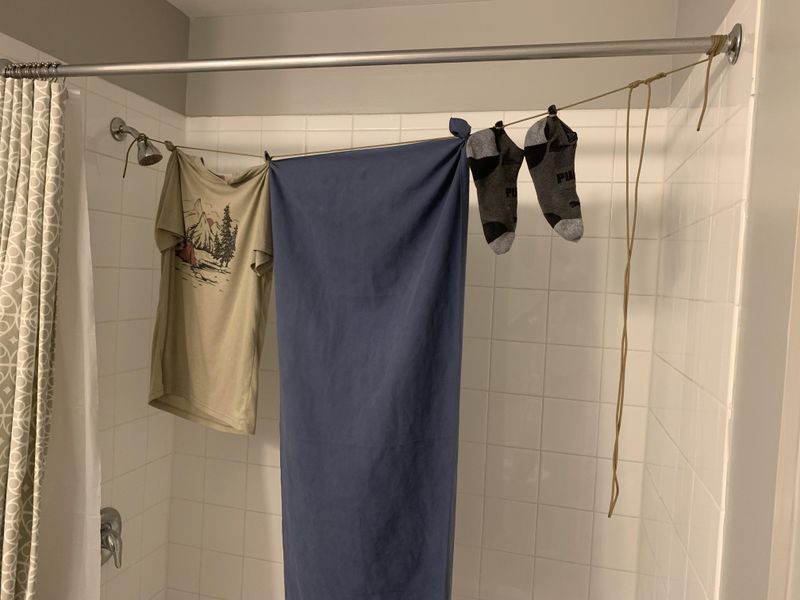
Hotel bathrooms offer perfect conditions for drying wet winter gear with built-in ventilation and hanging options. Hang items on shower rod, towel bars and over the door hooks to maximize air circulation.
Turn on the bathroom fan and leave the door slightly open to create air flow. Residual heat from hot showers also helps speed up the drying process of boots and gloves placed nearby.
4. Use a hair dryer to dry small items
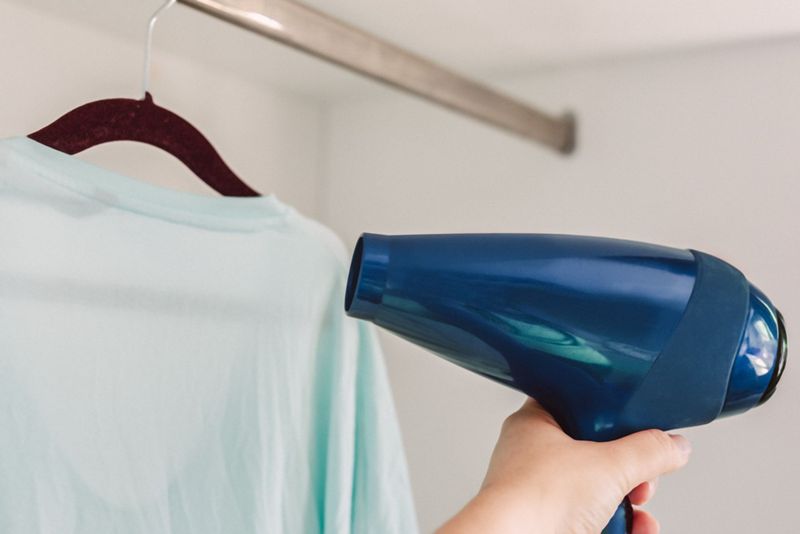
Hotel hair dryers become powerful allies for quickly and efficiently drying gloves, hats and boot interiors. Keep the dryer 6 to 8 inches away from wet items to avoid heat damage to synthetic materials.
Constantly move the dryer in circular motions, focusing on seams and thick areas where moisture tends to accumulate. This method works especially well for preparing boots for the next day’s adventures.
5. Pack waterproof storage bags for wet gear
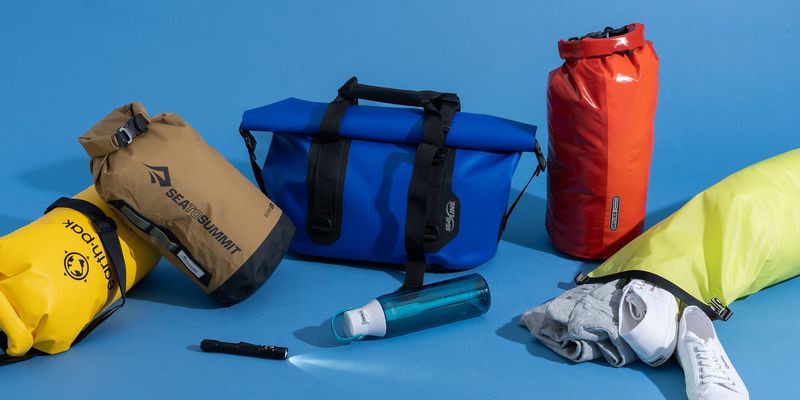
Waterproof laundry bags or large zippered bags prevent wet items from soaking your entire luggage and creating bigger problems. These barriers retain moisture while allowing you to transport wet equipment safely.
Pack multiple sizes to separate different types of wet clothing and equipment. Add a few dryer sheets or silica gel packets inside the bags to absorb extra moisture and prevent unpleasant odors from developing.
6. Create airflow with portable fans or air vents
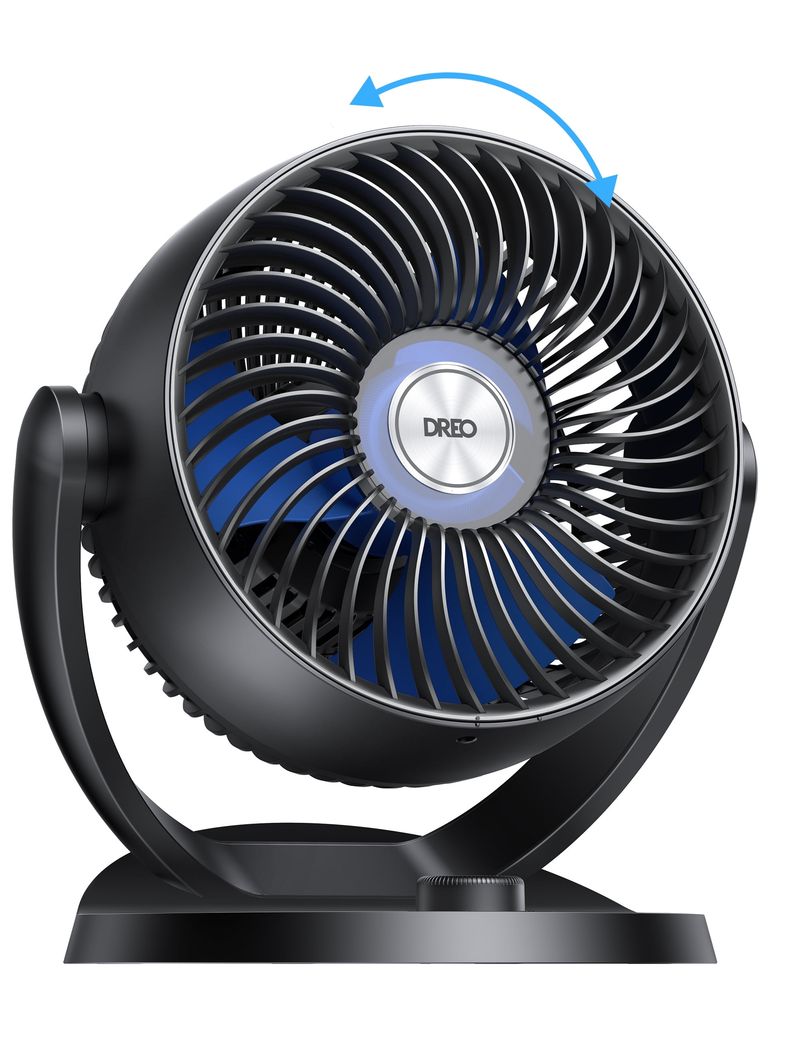
Moving air significantly reduces drying time by drawing moisture away from wet fabrics more effectively than still air. Place wet items near air vents, radiators, or windows with good air circulation.
Small portable fans work wonders when you travel frequently in winter conditions. Even opening windows slightly in cold weather can create beneficial air circulation that helps moisture evaporate from your equipment faster than expected.
7. Harness body heat for emergency drying
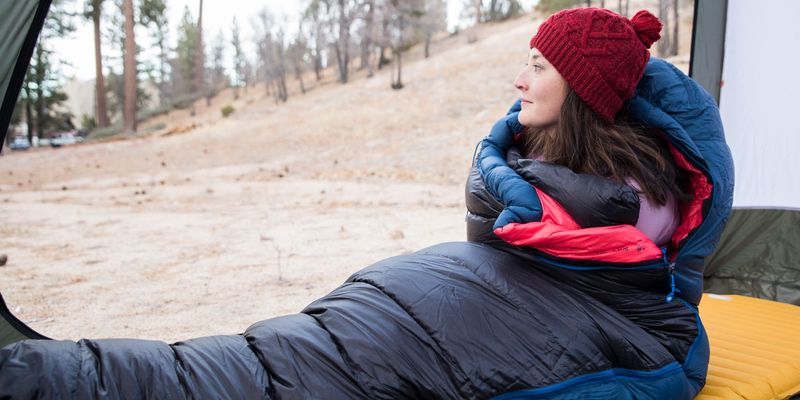
When no other options are available, your body heat can dry essential items like gloves and socks overnight. Place slightly damp items in your sleeping bag or between layers of clothing.
This method works best with thin materials and small accessories rather than thick coats or boots. Your natural heat gradually removes remaining moisture while you sleep, ensuring dry gear for morning activities.
8. Time your wash with weather windows
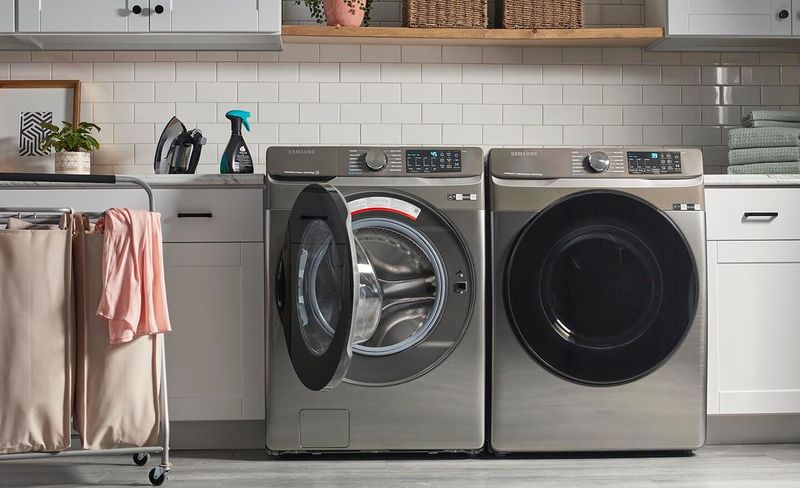
Strategic timing avoids the cycle of constantly wet clothes during long winter trips. Wash items during sunny periods or when staying indoors for several hours.
Check the weather forecast and schedule laundry during rest days or indoor activities. Starting the drying process early in the day allows maximum time to air dry before needing the gear again for outdoor adventures.