
Moving to another country is exciting, but bringing your furry friend along can seem overwhelming at first. The good news is that moving abroad with your pet in 2025 doesn’t have to be complicated or stressful. With proper planning, helpful resources, and a few smart strategies, you can make the journey easier for you and your beloved companion.
1. Research immigration and pet rules early
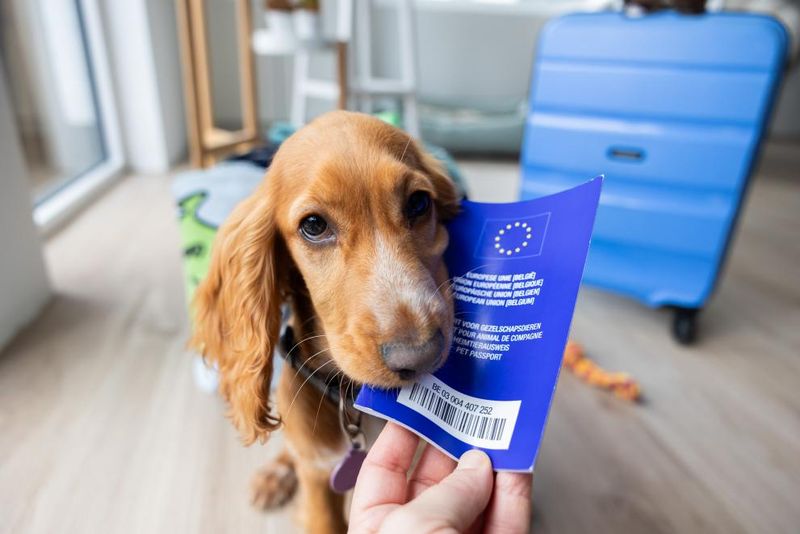
Each country sets its own rules for bringing pets across borders. Some require specific vaccinations, while others impose quarantine periods or even ban certain dog breeds. Microchip standards also vary, and health certificates often must meet exact specifications.
Starting your research months in advance gives you plenty of time to meet all the requirements. Check the official government or embassy websites of the destination country for the most accurate information. Missing even a small detail could delay your pet’s entry or cause big problems at customs.
2. Talk to your veterinarian and get health certificates in order
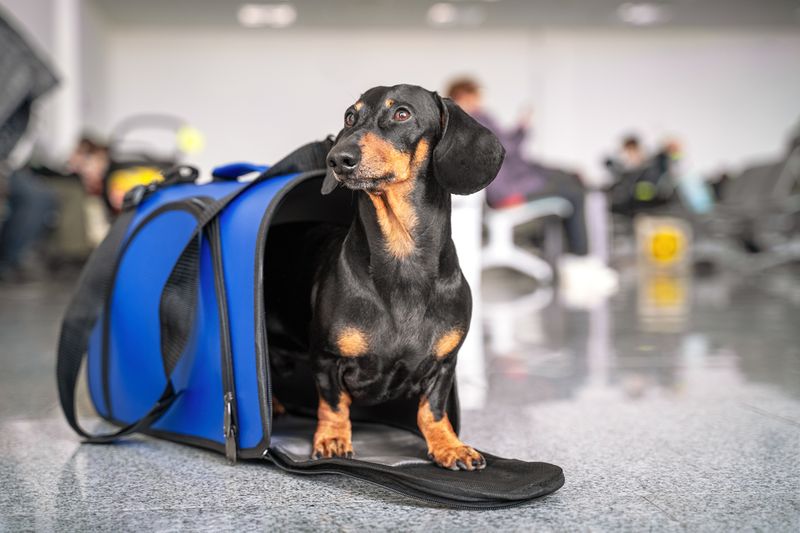
Booking a thorough veterinary exam is one of the smartest steps you can take. Your veterinarian must confirm that your pet is healthy, up to date on vaccinations and properly microchipped according to international standards. Many destinations also require blood tests to detect rabies antibodies.
Health certificates and pet passports generally need to be issued within a tight time frame before departure. Working with a veterinarian experienced in international pet travel makes this process much smoother. They know exactly what documents different countries need and can help you avoid costly mistakes.
3. Use a pet relocation service
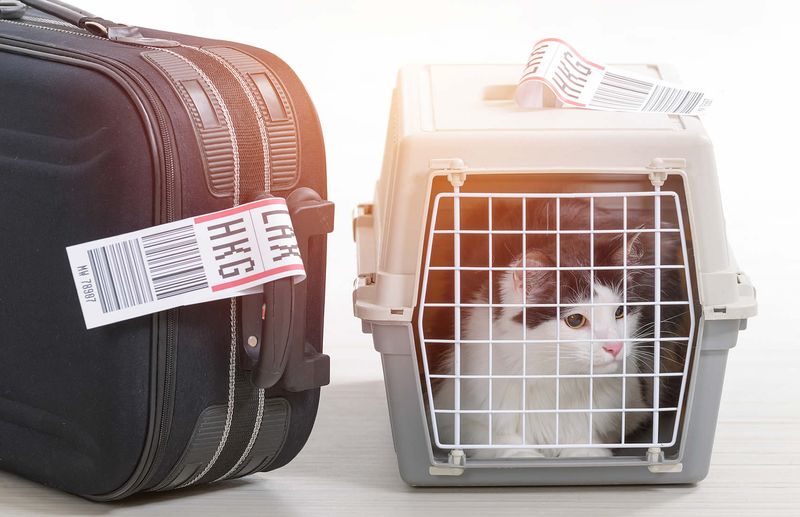
Professional pet movers specialize in handling all the delicate details of international pet transportation. They organize flights, prepare documentation, coordinate with airlines and ensure compliance with quarantine requirements. Some even offer door-to-door service.
Yes, hiring experts costs more upfront than doing everything yourself. However, the peace of mind and time saved are often worth it. These specialists avoid costly mistakes and know how to keep your pet comfortable throughout the trip, reducing stress for everyone involved.
4. Choose the right travel crate early and train your pet

An airline approved carrier that meets IATA standards is absolutely essential. Your pet needs enough space to stand up, turn around completely, and stretch out when lying down. Cramped quarters make traveling difficult, and airlines may refuse unsuitable crates.
Don’t wait until the last minute to introduce the carrier. Spend weeks letting your pet explore it as a safe and comfortable space. Add your favorite toys, comfy bedding, and special treats. Positive associations with the crate significantly reduce travel anxiety and help your companion feel safe during the flight.
5. Handle paperwork and permits in advance
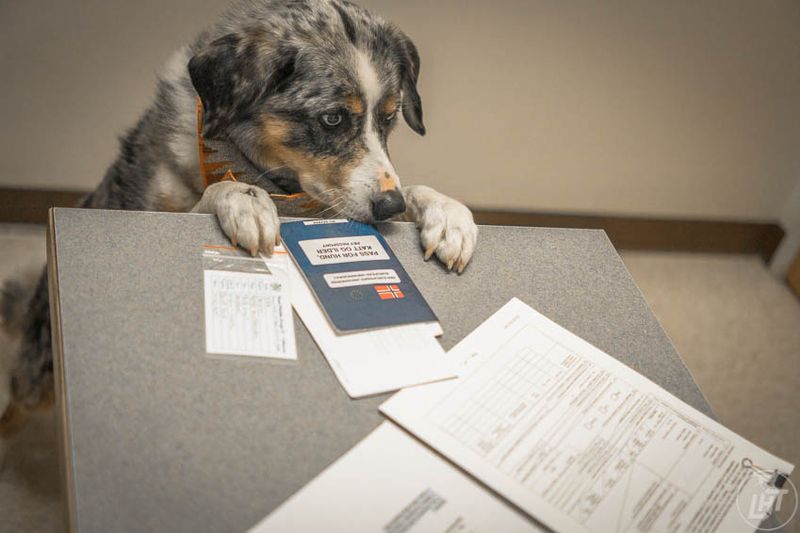
Import permits, vaccination records, pest control certificates and health documents all require careful timing. Some documents must be completed weeks or even months before your departure date. Accredited veterinarians are often required to sign specific forms in particular ways.
Late or incomplete documentation is the main reason why animals are held at customs or refused entry. Create a detailed schedule and checklist for each required document. Double-check submission deadlines and procedures to avoid last-minute panic and ensure everything arrives on time.
6. Maintain your pet’s routine and reduce stress beforehand
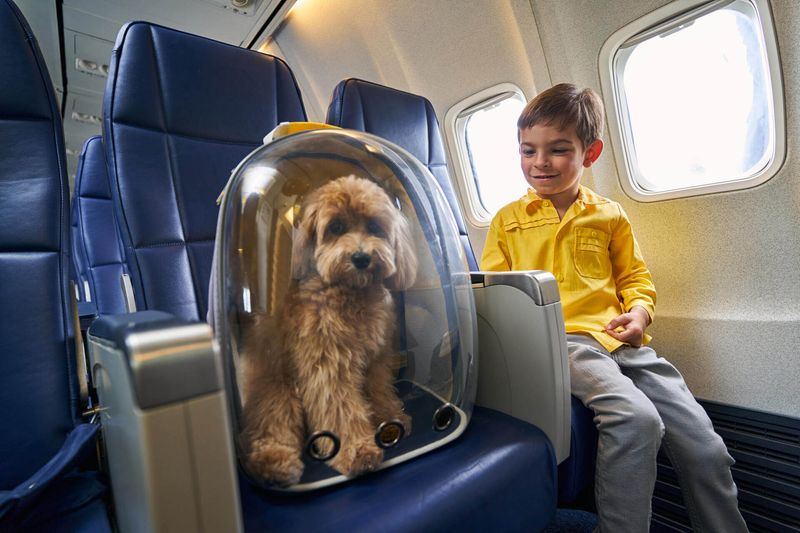
Animals are incredibly sensitive to changes in their environment and can sense your anxiety. Keeping feeding times, walks, and play sessions consistent helps your pet feel secure even if everything else around them changes.
Gradually expose your companion to travel-related experiences before the big day. Practice spending time in the crate, take short car rides, and introduce new sounds they might encounter. Becoming familiar with these situations prevents the travel day from feeling completely foreign and overwhelming for your four-legged friend.
7. Plan arrival logistics
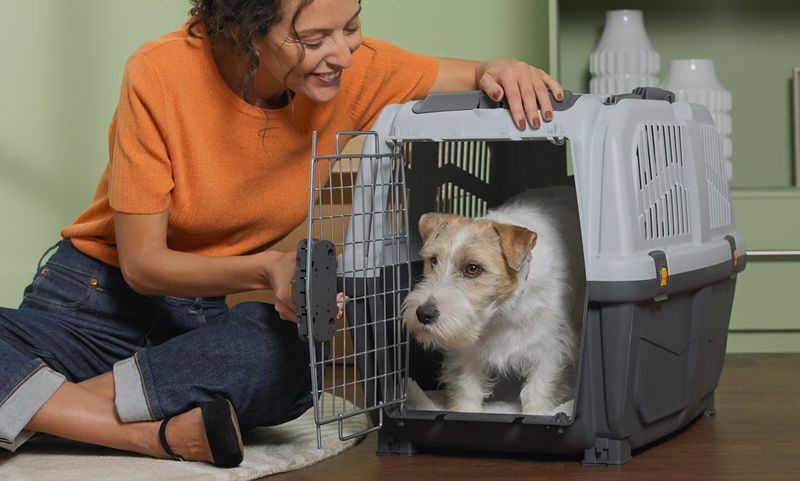
Landing in a new country is just the beginning. Before you arrive, find a trusted local veterinarian and research required pet licensing or registration procedures. Having familiar items within reach (favorite blankets, toys, or even something with your scent) helps your pet adapt more quickly.
If your permanent residence isn’t ready for immediate move-in, identify pet-friendly hotels or temporary housing nearby. Your companion needs time and a calm environment to decompress after the trip. Rushing this adjustment period can lead to unnecessary stress and long-term behavior problems.
8. Budget wisely and expect hidden costs
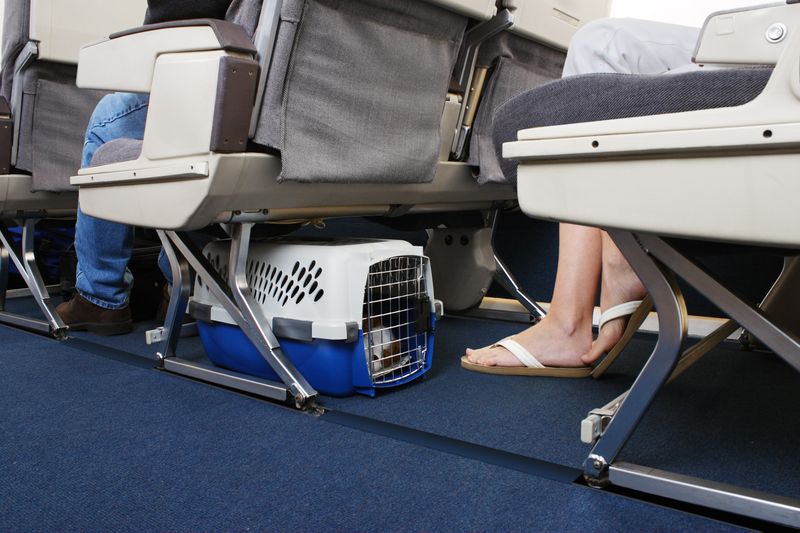
Relocating a pet internationally involves more expenses than most people initially expect. Pet fees, quarantine fees, import permits, customs inspections, veterinary visits and approved crates add up quickly. Some destinations also charge high processing fees.
Creating a realistic budget that includes a reserve for unexpected costs avoids financial surprises. Set aside an emergency fund for potential complications like an extended quarantine or additional health checks. Being financially prepared means you can focus on keeping your pet comfortable rather than scrambling to cover surprise expenses at the worst possible time.