
Traveling with kids doesn’t have to feel like herding cats at an airport. Smart families know that the secret isn’t luck: it’s about having the right systems in place before you leave home. When you plan ahead with proven strategies for safety, comfort and mental health, everyone arrives happier and more relaxed.
1. Seat and safety system (air days)
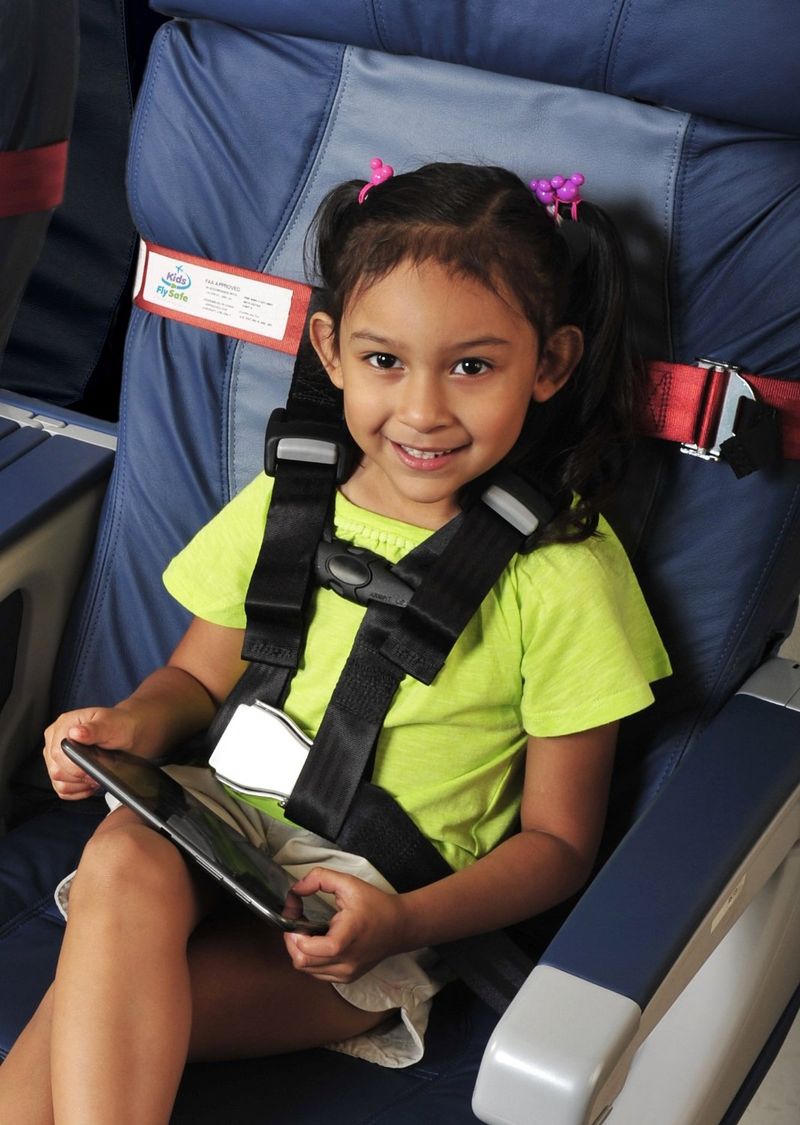
Reserving a separate seat for your children under two may seem like an extra expense, but safety experts are clear: turbulence doesn’t send warnings. An FAA-approved car seat, one with that red certification label, turns your child’s airplane seat into the safest place on board.
For children weighing 22 to 44 pounds who won’t need a car seat at their destination, a CARES harness offers a lighter alternative. It is the only harness-style restraint system approved by the FAA for airplane use, and it is small enough to fit in carry-on luggage.
Always check your child’s current weight and match it to the device label before flying.
2. Smooth-Pass Security System (TSA)
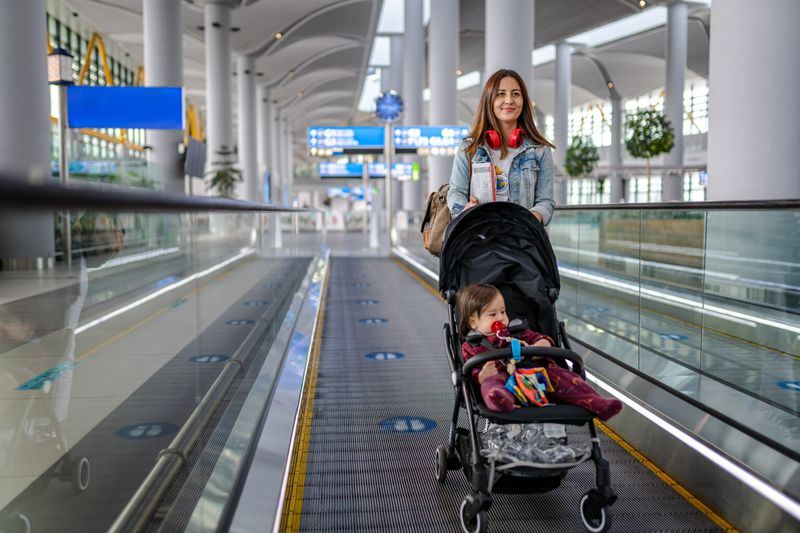
No one likes the security line, but families get a break that most travelers ignore. Breast milk, infant formula, baby food and medicines are exempt from the usual 3-1-1 rule for liquids, so you can carry reasonable amounts to the checkpoint.
The trap? These elements require separate consideration. Pack them together in an easy-access pouch and remove them before you reach the treadmill.
Having everything ready in your own bin speeds up the process and saves you from rummaging through your bag while a line forms behind you. A little preparation at home means a smoother start to your trip.
3. Sleep-Anywhere system (safe sleep on the road)
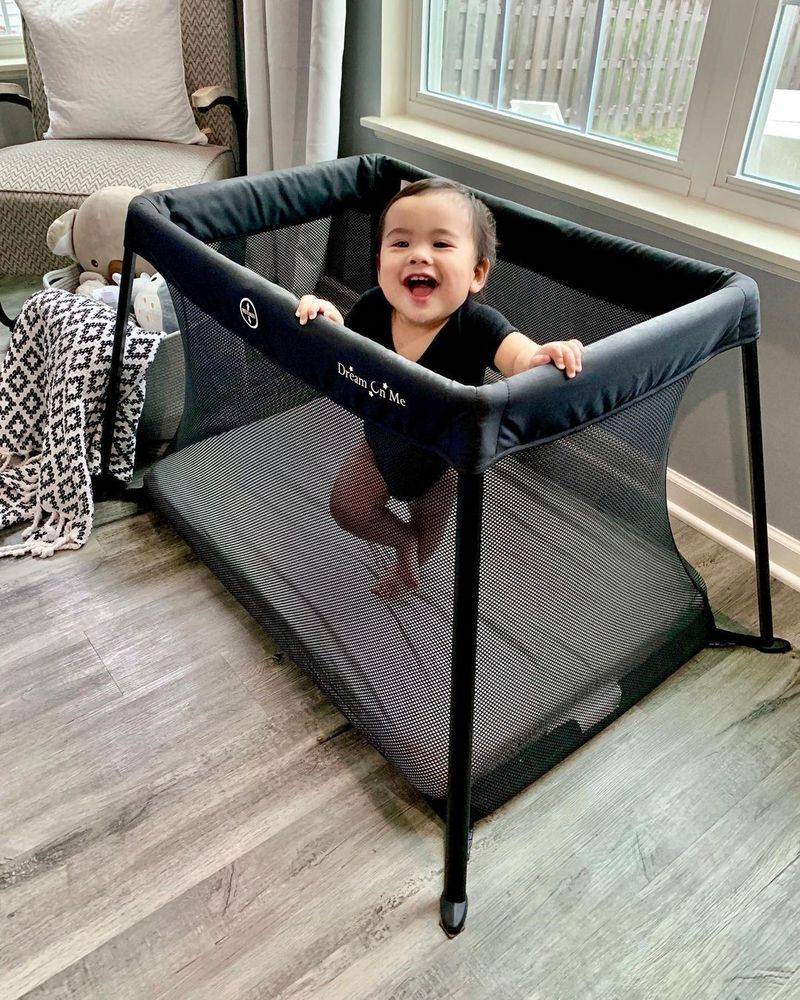
Good sleep on the road starts with recreating the safe environment your baby knows at home. Ask for or bring a portable crib with a firm, flat mattress and a fitted sheet – nothing else in the sleeping space.
White noise machines and blackout blinds work wonders for mimicking familiar conditions, especially in unfamiliar hotel rooms. Once you arrive at your accommodation, immediately move your baby from the car seat onto a flat sleeping surface.
The AAP and CDC guidelines are consistent: Babies sleep safest on their backs, alone, on a firm surface, not in car seats, swings, or reclining devices outside of travel time.
4. Packing-Cubes Command Center
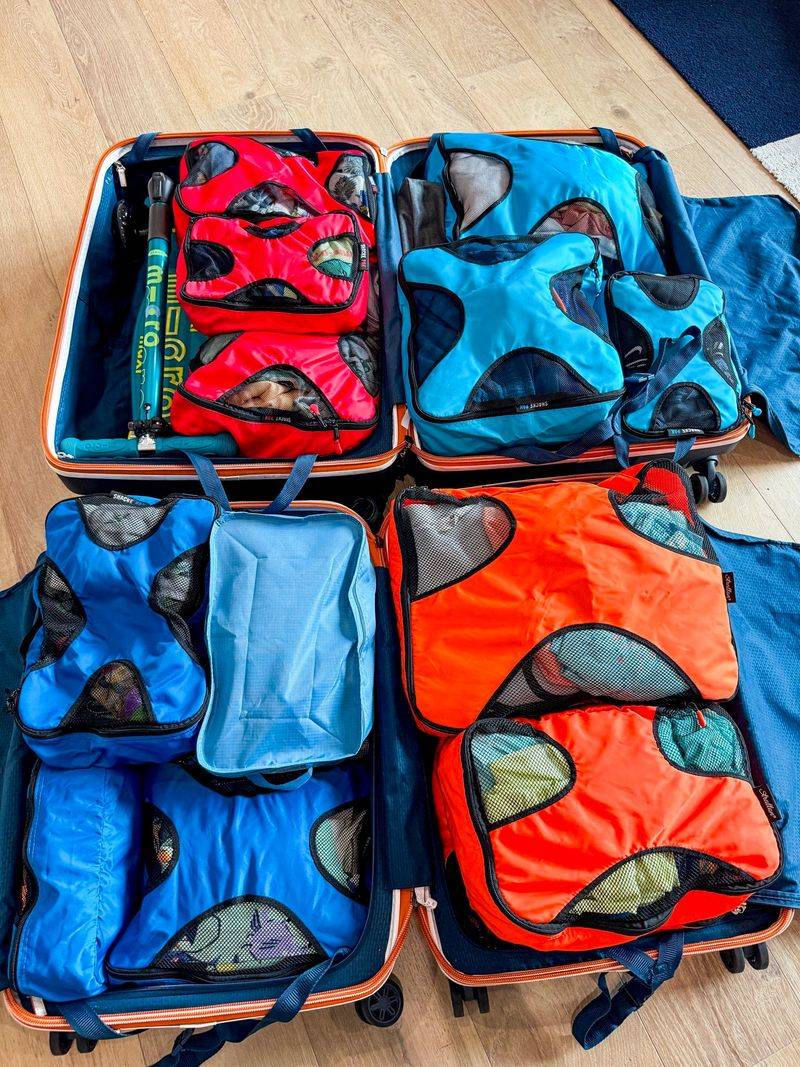
Assign each family member a color and dedicate cubes for specific purposes: one for pajamas, one for daytime outfits, one for swimsuits, and a grab-first cube containing tonight’s essentials. Put a small refillable diaper or cleaning pouch in your day bag for quick changes on the go.
This system reduces the frantic searches that occur with every hotel check-in or beach stop. You’ll know exactly where to find what you need without unpacking the entire suitcase.
Decision fatigue disappears when everything has a predictable home, leaving more energy to actually enjoy your vacation.
5. Snack and hydration system
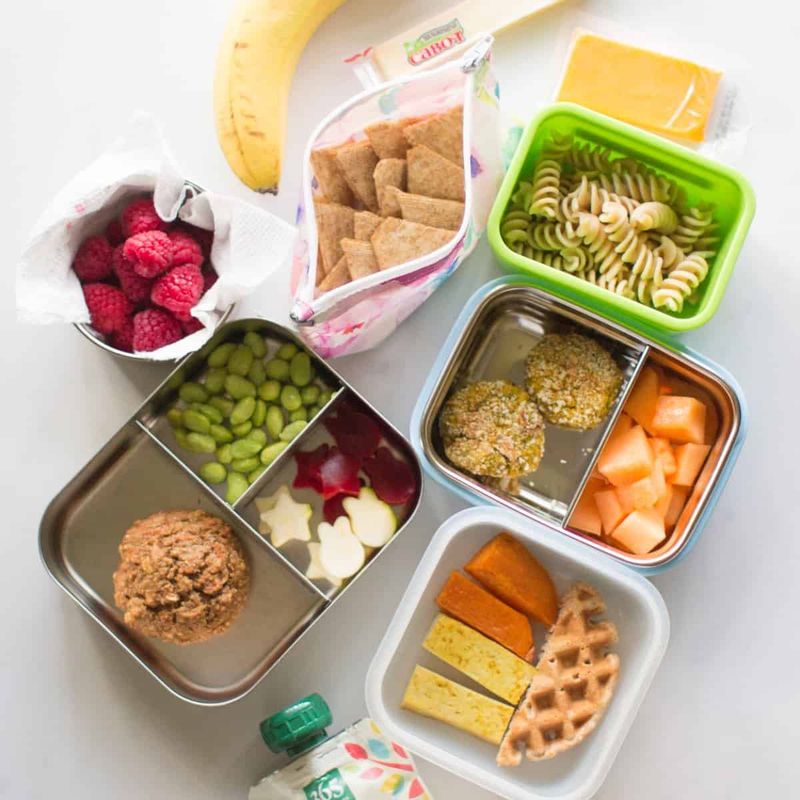
Prepare snacks in mess-friendly containers before leaving the house and pack refillable water bottles to refill after going through security. If you’re going to a hot place or a place where stomach upset is common, put oral rehydration salts in your kit.
Hunger and dehydration turn small tantrums into full-blown tantrums faster than any other travel stressor. Having the right snacks on hand keeps blood sugar levels stable and mood manageable.
CDC guidance recommends putting together a personalized travel health kit and planning for items that might be hard to find at your destination, so stock up before you go.
6. Entertainment scale (boredom → calm)
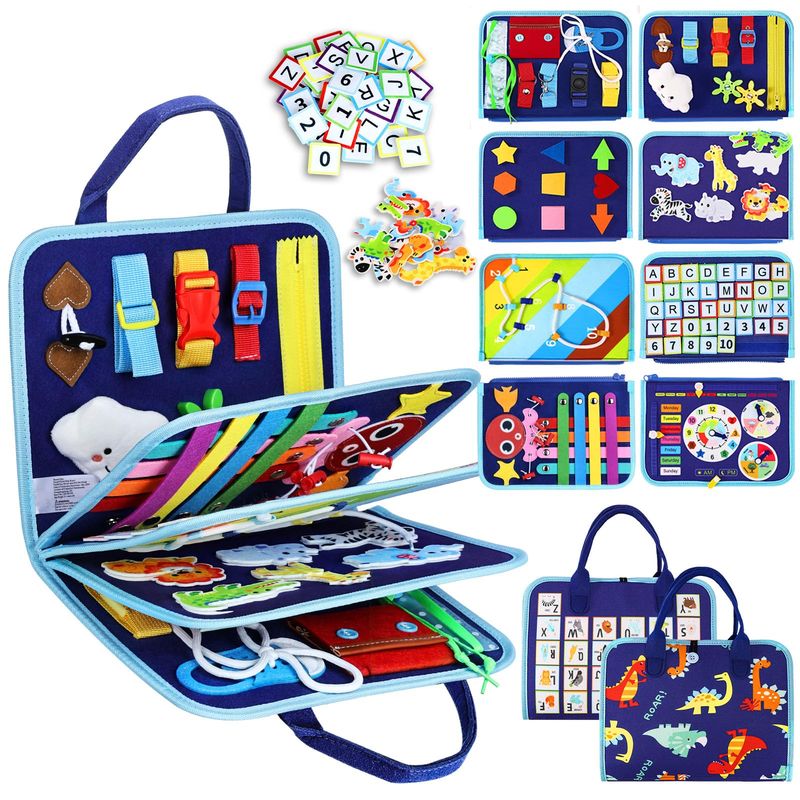
Think about entertainment in stages rather than throwing it all in at once. Start with new stickers or activity books, then introduce surprise mini toys, followed by offline shows, music or podcasts. Schedule walking breaks whenever possible.
For long-haul flights, planning departures around your child’s natural sleep window can make a huge difference. You won’t eliminate jet lag entirely, but age-appropriate planning and consistent routines soften the blow for young travelers.
Boredom escalates quickly in confined spaces, so having a thoughtful scale of distractions keeps kids occupied without overwhelming them (or yourself) all at once.
7. Land Transportation Safety System
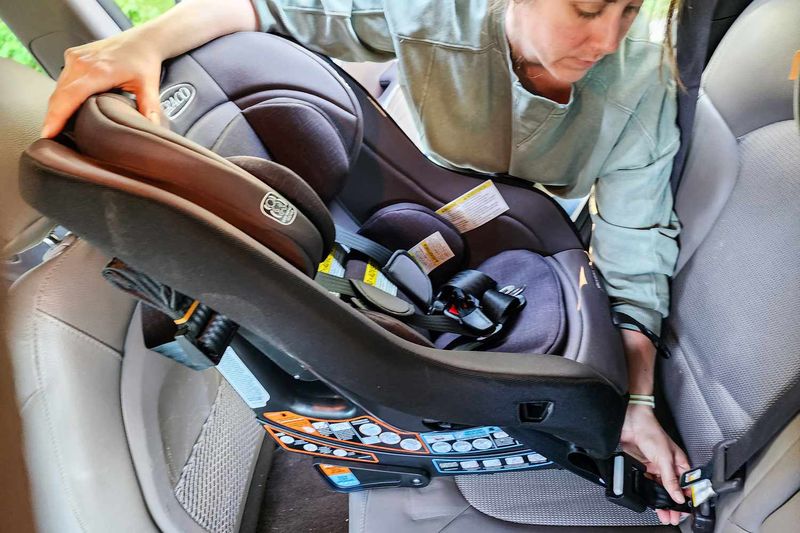
If driving is part of your trip, bring your own car seat or confirm that your rental company provides one and allow time for installation. Laws and availability vary wildly from place to place, so it’s risky to assume you’ll figure it out when you arrive.
For taxis or rideshares, research local regulations in advance and carry a lightweight travel seat or approved harness as a backup for eligible ages. Some cities require car seats; others do not apply it at all.
Planning your ground transportation safety strategy before you land avoids the nightmare of standing at the curb with no safe way to get your child to the hotel.
8. Docs & Consent System (especially for solo travel)
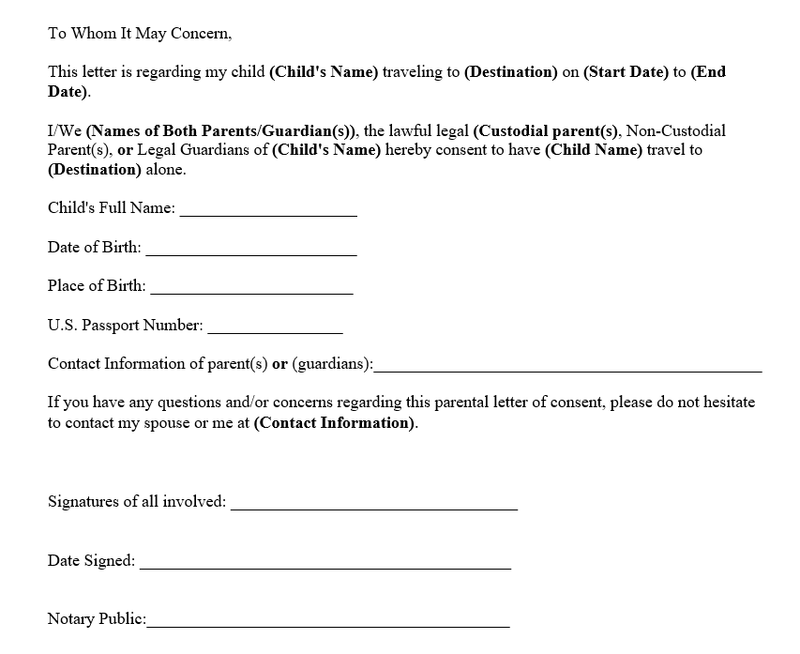
Keep passports, copies of birth certificates and, when traveling without both parents, a notarized letter of parental consent and any custody documents in a safe and accessible place. The United States does not require proof of both parents’ permission to travel, but many other countries do.
CBP, USA.gov, and the Department of State all recommend carrying a letter of consent whenever a child crosses the border without both parents present. Requirements change depending on the destination, so check the embassy website to find out where you’re going.
Getting stopped at immigration without the right papers can derail an entire trip, so deal with it before you pack your bags.