
Affiliate Disclosure:
As an Amazon Associate, I earn from qualifying purchases. Learn more
Compact cameras have made a comeback, offering photographers the perfect blend of portability and performance without the bulk of larger systems. Whether you’re a street photographer, travel enthusiast, or content creator, today’s compact cameras pack impressive technology into pocket-sized designs. From premium fixed-lens models to budget-friendly options, these brands are leading the charge in 2025 with innovations that prove you don’t need a massive camera to capture stunning images.
Fujifilm
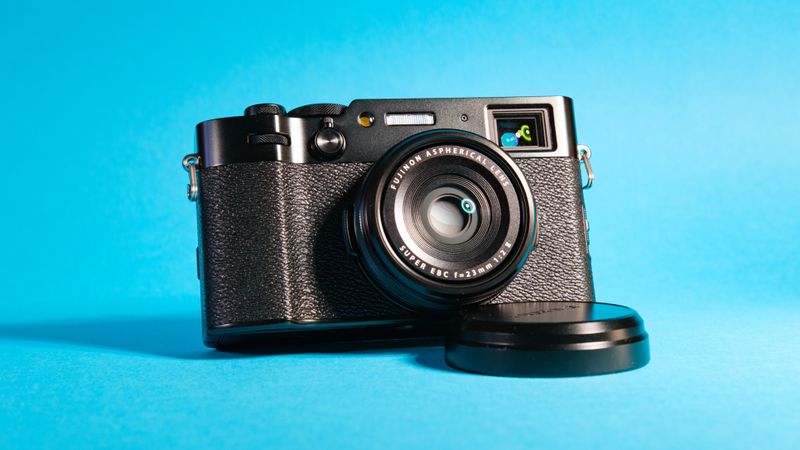
Fujifilm has captured the hearts of photographers around the world with its
What makes Fujifilm special is its legendary color science: these film simulations produce images straight out of the camera that appear to have been professionally retouched. The fixed-lens design means less handling and more shooting, perfect for everyday adventures.
Photographers love the premium feel of these cameras while remaining portable enough to carry them anywhere without thinking twice.
Leica
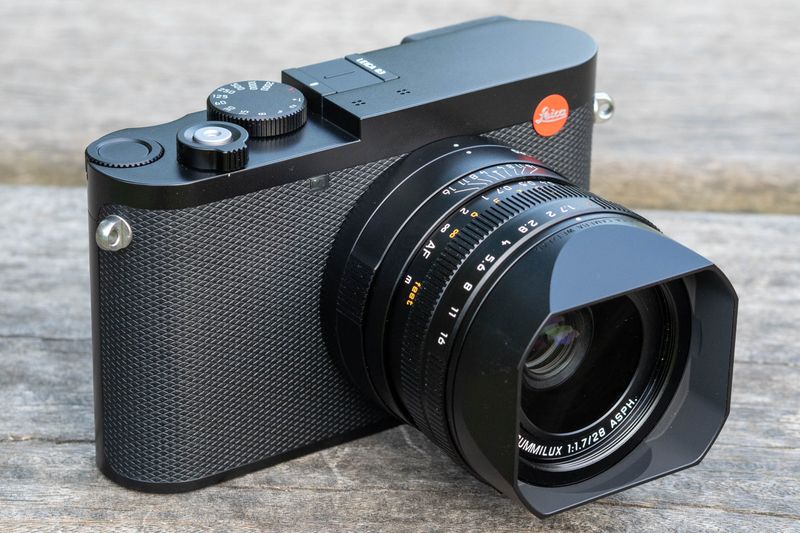
When money is no object and you want absolute perfection, Leica offers models like the Q3. This German manufacturer has built its reputation on uncompromising quality, packing a 60.3-megapixel full-frame sensor into a surprisingly compact body with a brilliant 28mm f/1.7 lens.
The build quality feels like a piece of precision engineering, because it is. Each dial clicks with satisfying precision and the images display a character that is difficult to describe but impossible to ignore.
Sure, the price makes your wallet cry, but serious photographers consider Leica compact for lifetime investments rather than just purchases.
Sony
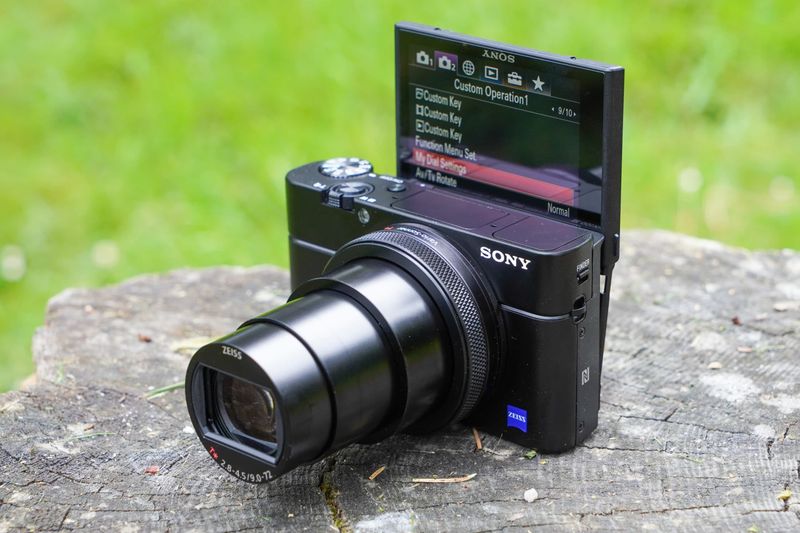
Sony’s RX100 series has dominated the premium compact sector for years, and 2025 will be no different. These pocket rockets pack incredible technology (think high-quality sensors, impressive zoom capabilities, and stabilization that actually works) into bodies small enough to slip into your jacket.
The ZV-1 II specifically targets vloggers and content creators with features designed for video work, including excellent autofocus that magically tracks faces. Sony understands that modern photographers need uncompromising versatility.
Whether you’re shooting landscapes, portraits, or YouTube content, Sony compacts deliver professional results without requiring a photography degree to use them effectively.
Ricoh
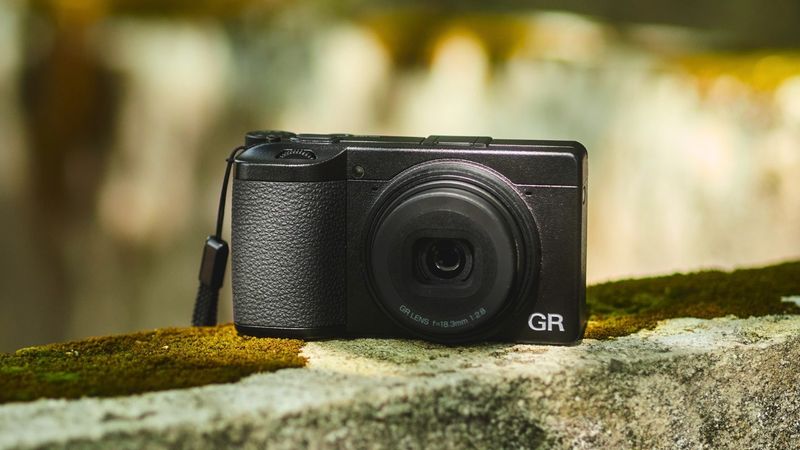
Street photographers swear by Ricoh’s GR series, and the GR IV continues that tradition with a 24-megapixel APS-C sensor packed into an incredibly small body. The fixed 28mm lens may seem limiting at first, but it forces you to think creatively and get your feet moving.
This camera disappears in your pocket but produces images that rival much larger systems. Its minimalist design means fewer buttons and menus to navigate, allowing you to focus on capturing moments rather than adjusting settings.
Ricoh has perfected the art of making cameras that feel like extensions of your vision rather than complicated gadgets.
Panasonic
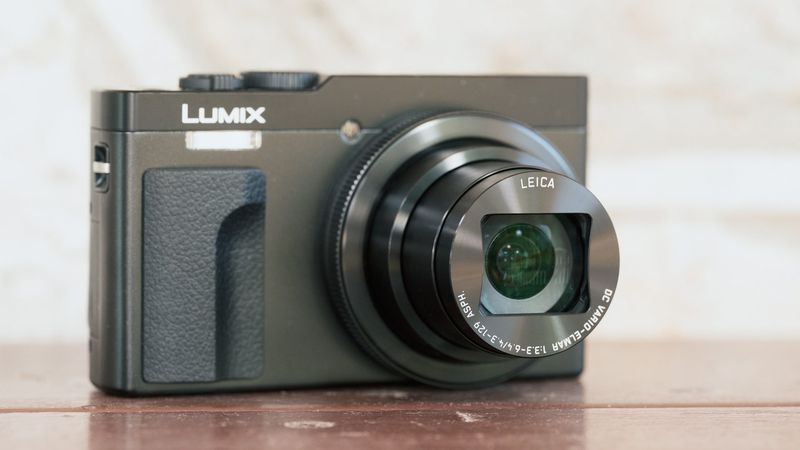
Panasonic’s compact Lumix line offers something many competitors don’t: serious zoom capabilities in truly portable bodies. Models like the ZS99 pack feature a 30x optical zoom, meaning you can shoot distant subjects without lugging around telephoto lenses that weigh more than small pets.
The controls feel intuitive, with thoughtful placement that makes sense even to beginners. Panasonic understands that travel photographers need versatility: one moment you’re shooting expansive landscapes, the next you’re zooming in on architectural details of the square.
These cameras handle a variety of situations with elegance, making them reliable companions for adventures where lightness matters as much as image quality.
Canon
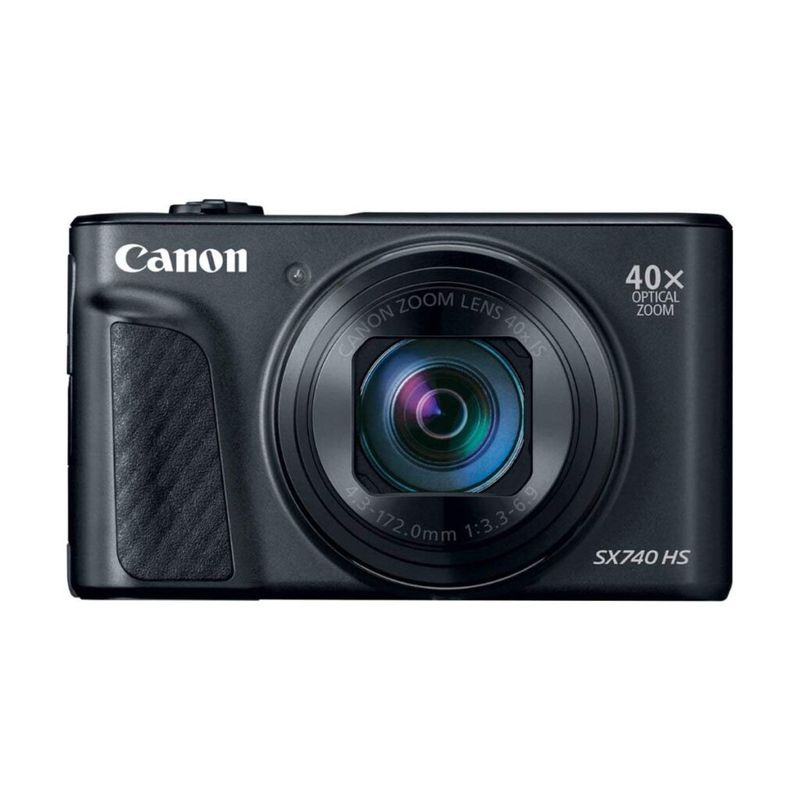
Canon remains a household name for good reason: its compact cameras like the PowerShot SX740 HS offer reliable performance without breaking the bank. With 20.3 megapixels and 40x optical zoom, these cameras handle everything from family reunions to wildlife viewing with surprising competence.
What Canon does brilliantly is make technology accessible. Their menus make sense, the automatic modes work well, and you can find these cameras at retailers everywhere, which means easy replacements or accessories.
For photographers who want reliable results without having to learn complicated systems, Canon compacts are smart choices that won’t disappoint when memories matter most.
Kodak
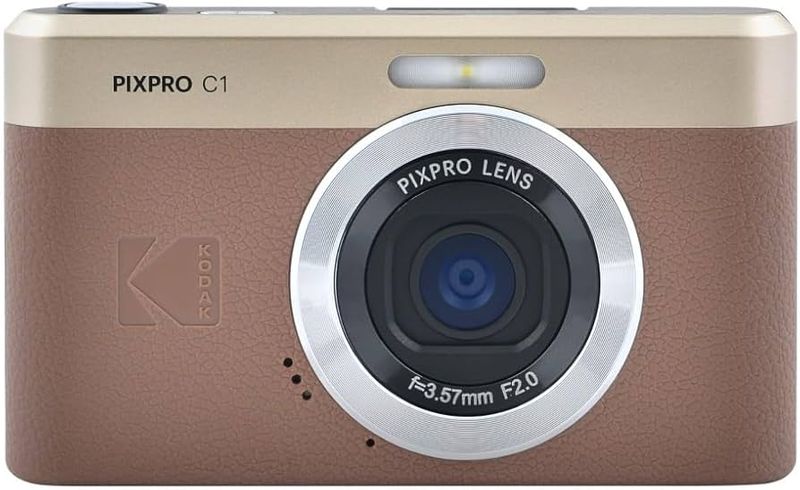
Not everyone needs pro features or wants to spend a lot of money on a camera. Kodak fills this budget niche perfectly with models like the PIXPRO C1, offering 13 megapixels and a 26mm wide lens for less than a hundred dollars.
These cameras won’t win any technical awards, but they accomplish something just as important: making photography accessible to everyone. Children learning photography, reversing cameras for travel or simple everyday snapshots: Kodak compacts handle these tasks without problem.
Sometimes simplicity trumps complexity, and Kodak proves that decent photography doesn’t require massive investments or complicated learning curves to produce memories worth keeping.
Olympus/OM system
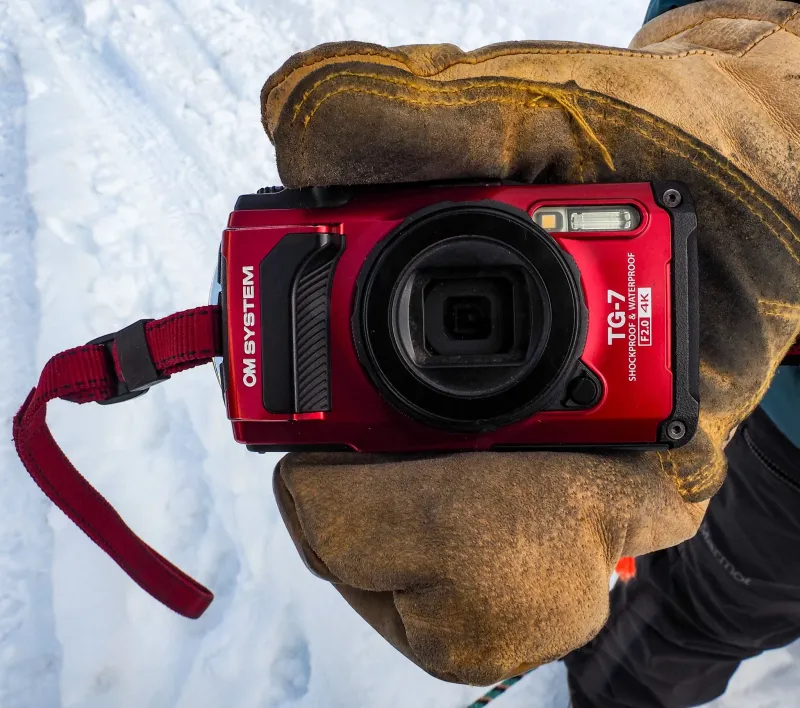
Adventure photographers face unique challenges: water, dust, drops and extreme temperatures that would destroy normal cameras. Olympus (now OM System) built its Tough series specifically for these brutal conditions, creating compacts that mock environments that would terrify other equipment.
These cameras can survive underwater adventures, mountain hikes, beach days, and construction sites without a protective case. The image quality doesn’t match the high-end models, but that completely misses the point: these cameras go where others simply can’t.
Families with young children, outdoor enthusiasts, and travelers visiting harsh environments find these rugged compacts invaluable for capturing moments without constantly worrying about damage.
Pentax
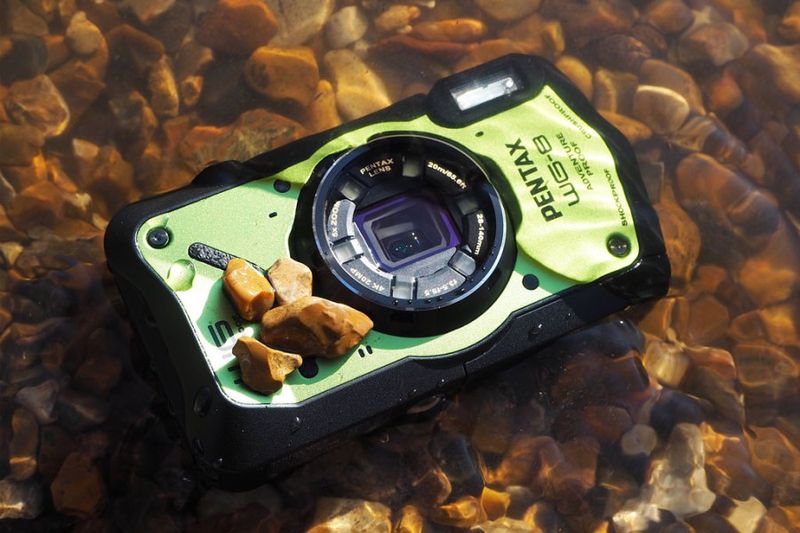
Pentax occupies an interesting place in the camera world, not as mainstream as Canon or Sony, but popular with photographers who appreciate unique features and solid construction. Their compact offerings emphasize durability and distinctiveness that sets them apart from their mass market competitors.
These cameras appeal to photographers tired of following the crowd, offering alternative approaches to design and functionality. Thanks to their weather resistance and sturdy construction, Pentax compacts hold up to rough treatment better than their polished appearance suggests.
Although you won’t find them in every store, Pentax compacts reward those willing to explore beyond the obvious choices with a reliability and personality that big brands sometimes sacrifice for mass appeal.