
Winter hiking with your four-legged friend opens up a magical world of snowy trails and peaceful landscapes. Cold weather brings unique challenges that require special preparation to keep your dog safe and comfortable. Smart planning and the right equipment make all the difference between a memorable adventure and a dangerous situation.
1. Check Your Dog’s Health Before You Leave
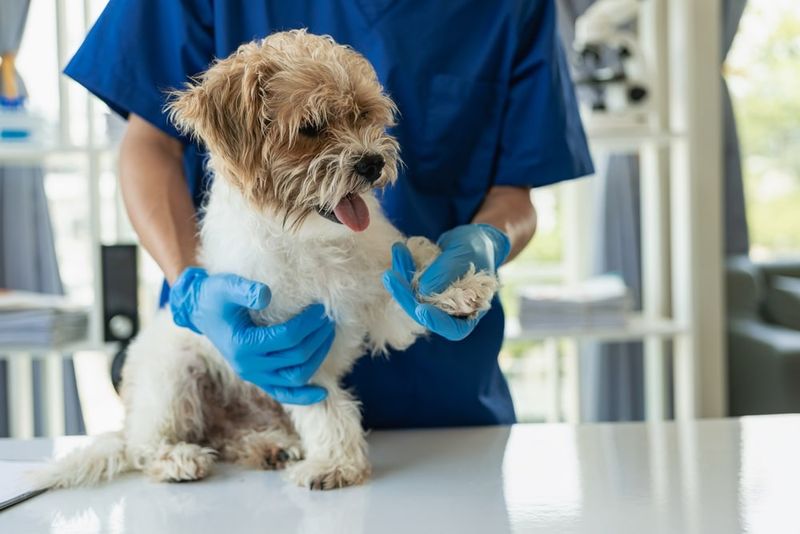
A vet visit before winter can save your hiking season from disaster. Your veterinarian will evaluate whether your dog’s heart, joints, and overall physical condition can handle exercise in cold weather.
Older dogs and puppies face higher risks in freezing weather. Breeds with respiratory or joint problems require very careful evaluation before tackling snowy trails.
Obtaining medical clearance gives you the confidence to safely explore winter wonderlands together.
2. Know Your Breed’s Cold Tolerance
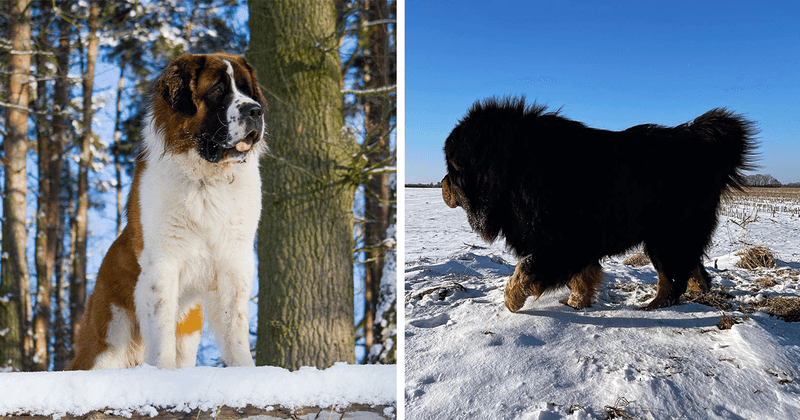
Huskies practically dance in blizzards while Chihuahuas shiver at the first snowflake. Understanding your dog’s natural cold resistance helps you plan appropriate adventures.
Double-coated breeds like Golden Retrievers tolerate moderate cold well. Single-coated dogs and small breeds need shorter trips and more equipment.
Body size also matters: larger dogs retain heat better than smaller companions who lose heat quickly.
3. Use an appropriate winter coat or sweater
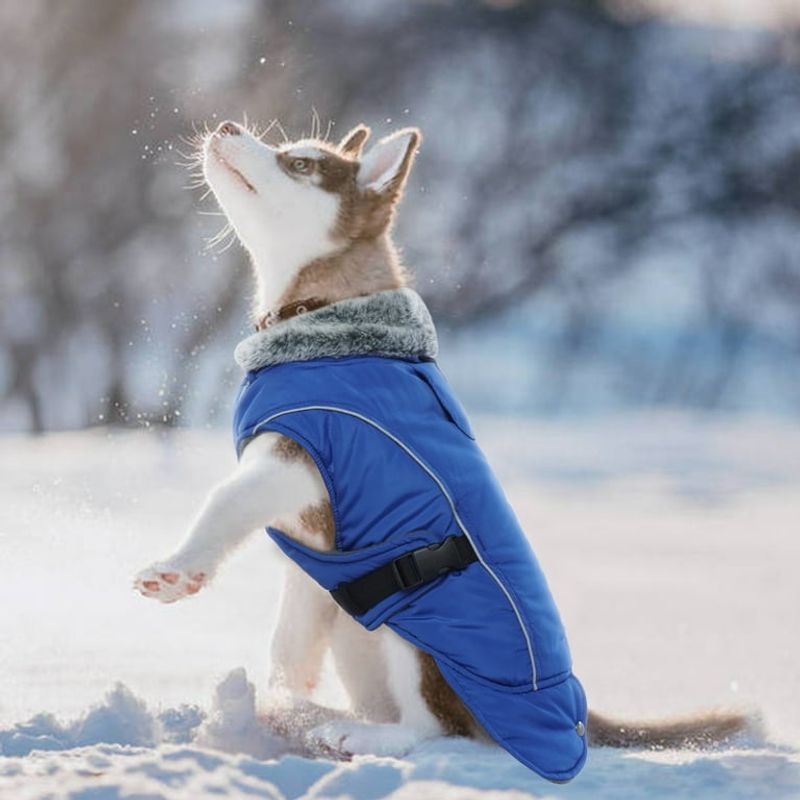
Waterproof insulation turns a miserable dog into an enthusiastic hiking companion. Look for jackets with reflective strips that help you spot your pet in dim winter light.
The coat should cover your dog’s chest and stomach without restricting movement. Avoid anything with dangling parts that catch on branches or attempt to chew them.
A well-fitting jacket keeps body temperature stable during long outdoor adventures.
4. Protect paws
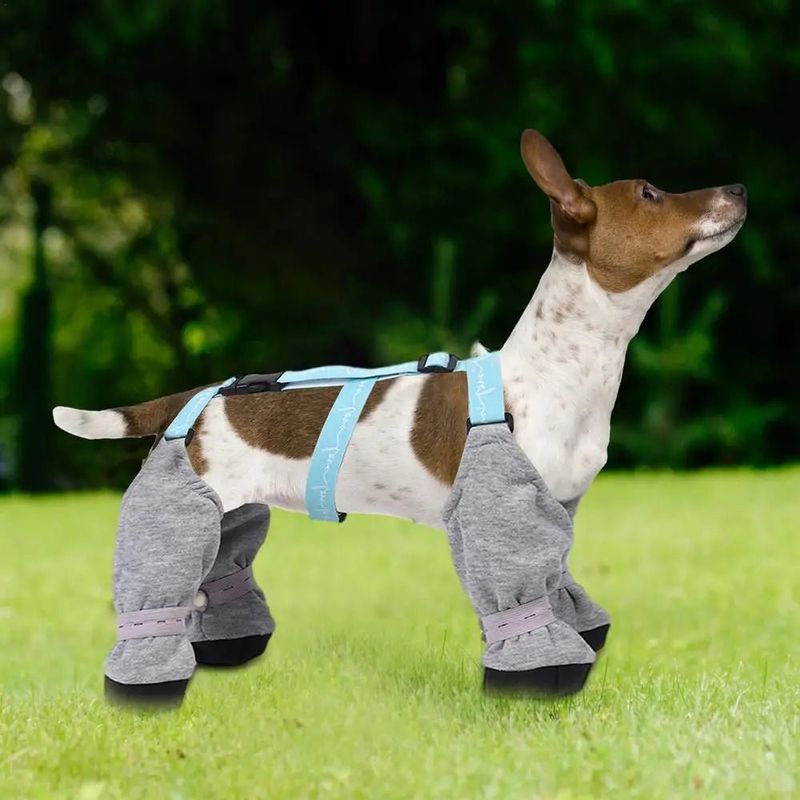
The pads were not designed for ice crystals and road salt. Booties offer the ultimate protection but require patience to get your dog used to wearing them.
Paw balm creates a protective barrier against aggressive elements. Apply it before you leave and again after you get home.
Check between your toes regularly for ice balls that form and cause painful limping on the trail.
5. Keep Them Hydrated
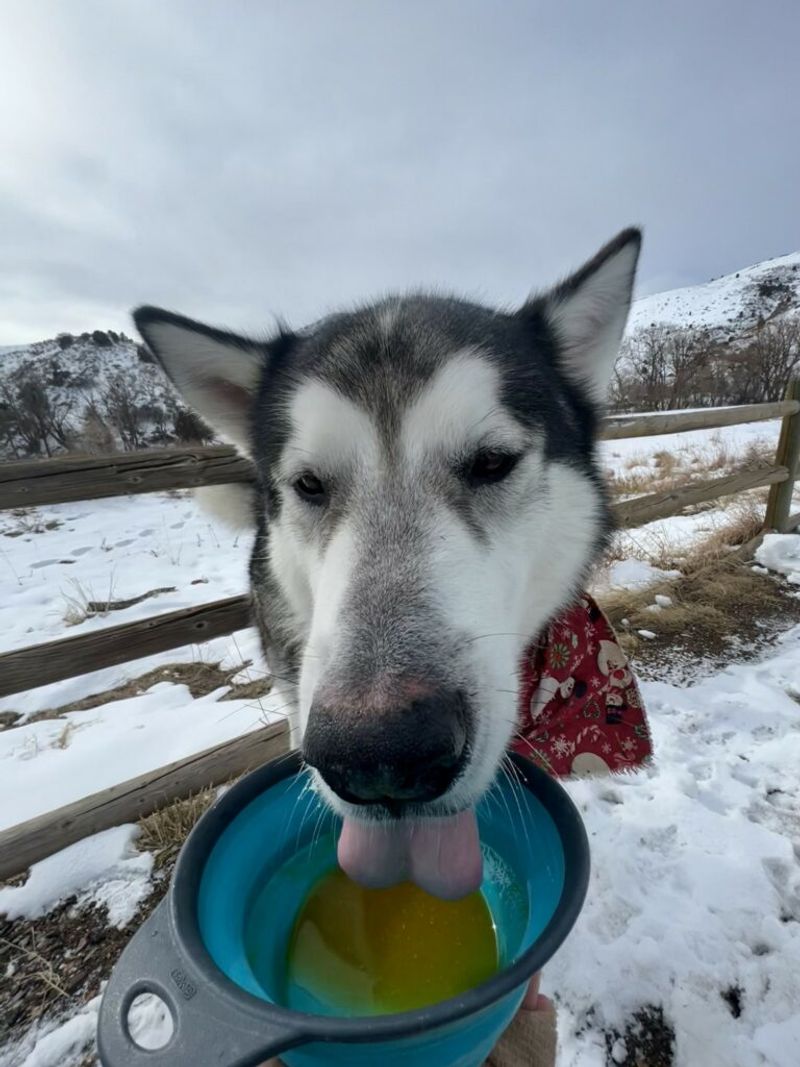
Cold air tricks you into thinking your dog needs less water, but winter dehydration happens more quickly than expected. The dry winter air constantly draws moisture from their bodies.
Pack extra water in an insulated container to prevent freezing. Offer frequent drink breaks, even when your dog isn’t panting much.
Eating snow looks refreshing, but actually lowers body temperature while providing minimal hydration benefits.
6. Watch for signs of hypothermia and frostbite
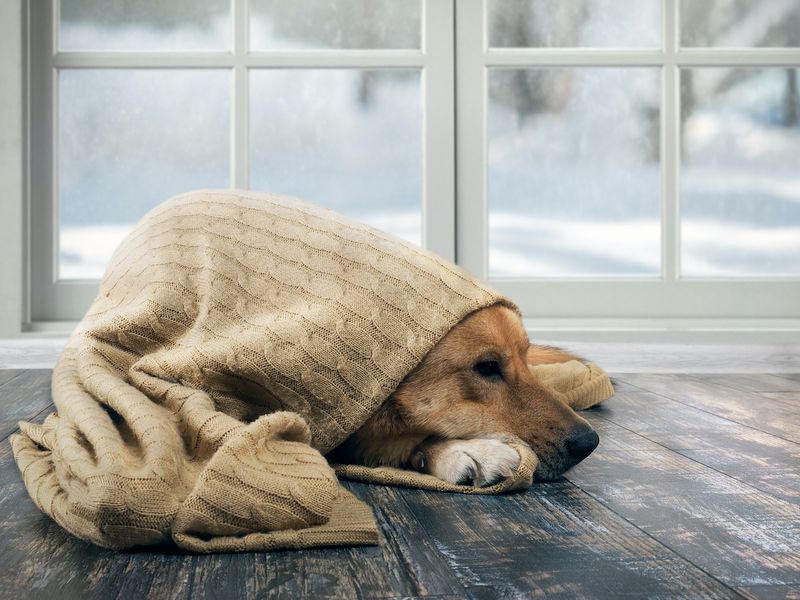
Shivering marks the beginning of your dog’s body losing its battle against the cold. Lethargy, pale gums and stiff movements signal serious problems ahead.
Frostbite first targets the tips of the ears, the ends of the tail and the pads of the paws. These areas may appear red, then pale, then potentially black.
When warning signs appear, wrap your dog warmly and take shelter immediately – don’t wait to see if things improve.
7. Use a sturdy leash and harness
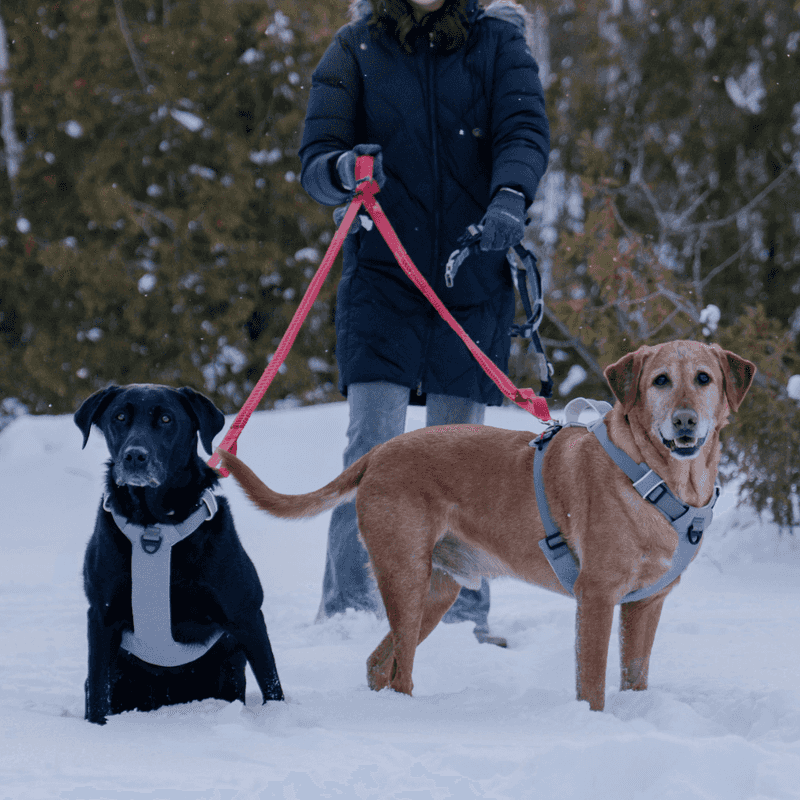
Snow masks the familiar scents that normally guide your dog’s navigational instincts. Even well-trained dogs can become disoriented in landscapes covered in white.
A harness distributes pressure better than collars when you have to hold your dog on icy areas. Bright colors help keep you both visible.
Retractable leashes become fragile in freezing weather – use standard six-foot leashes for reliable control and safety.
8. Plan shorter, safer routes
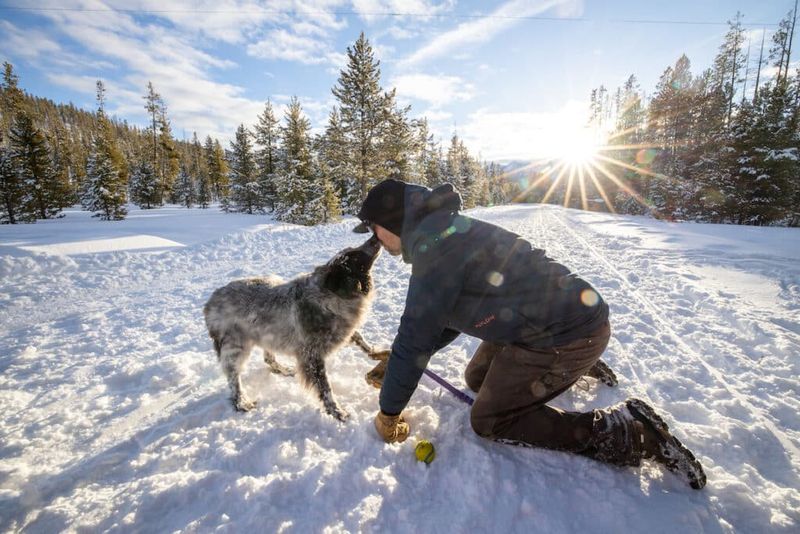
Winter conditions drain energy reserves much faster than summer hikes. Your usual five-mile adventure may become too difficult when the depth of the snow doubles the effort required.
Stick to well-marked trails where rescue teams can find you if needed. Share your planned route and return time with a reliable person.
Start with shorter distances to gauge your dog’s winter endurance before attempting longer wilderness adventures together.
9. Pack extra towels and blankets
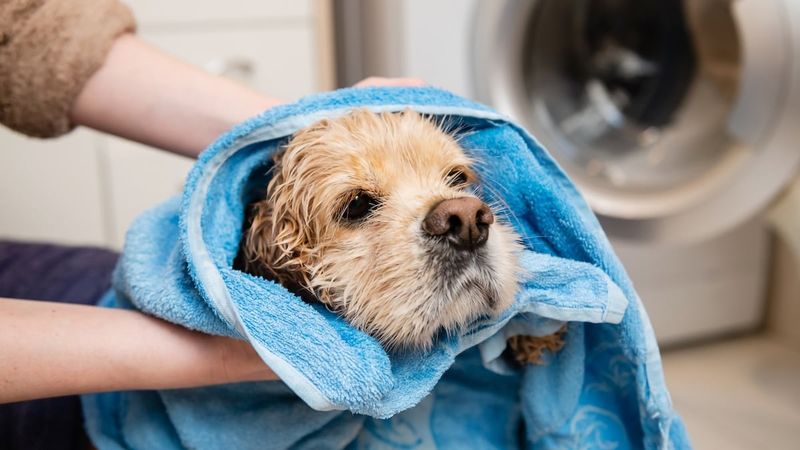
Wet fur against car seats creates a cold ride home that can undo all your warming efforts. Towels help remove snow and moisture before it penetrates deeper.
Concentrate drying efforts on your dog’s belly, paws and paws, where the snow clings most stubbornly. A warm blanket in the car provides immediate comfort.
This simple preparation prevents post-hike jitters and allows your adventure to end on a positive and comfortable note.