
Local markets are the heart of any destination’s culinary culture. Wandering through bustling stalls filled with colorful produce, aromatic spices and sizzling street food gives you a real insight into how locals live and eat. Following these wise tips will help you navigate the markets with confidence and discover amazing flavors you’ll never find in tourist restaurants.
1. Arrive early for the freshest choices
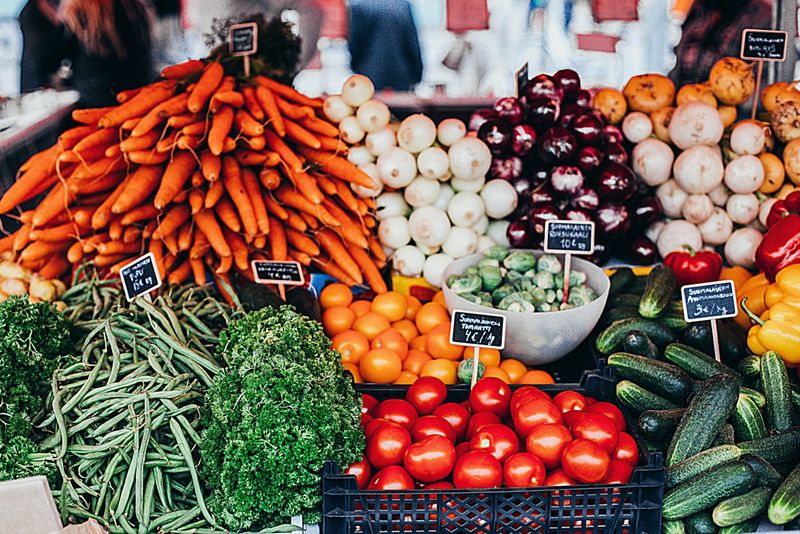
Smart locals know that the best produce, seafood and baked goods disappear quickly. Arriving early at the markets means you’ll find the freshest ingredients before they’re picked up.
Early mornings also bring cooler temperatures and fewer crowds. Vendors have more time to chat and share cooking tips when they’re not inundated with customers.
Most markets open at sunrise, so set your alarm for an authentic experience.
2. Bring local currency in small bills

Cash still reigns supreme in most markets, including Asia, South America and parts of Europe. Small notes and coins make transactions smoother and faster.
Sellers appreciate exact change because they often don’t have large amounts of cash to pay large bills. Having the correct faiths shows that you understand local customs.
Exchange money before you leave and keep small bills in an easily accessible pocket for quick purchases.
3. Learn basic local expressions
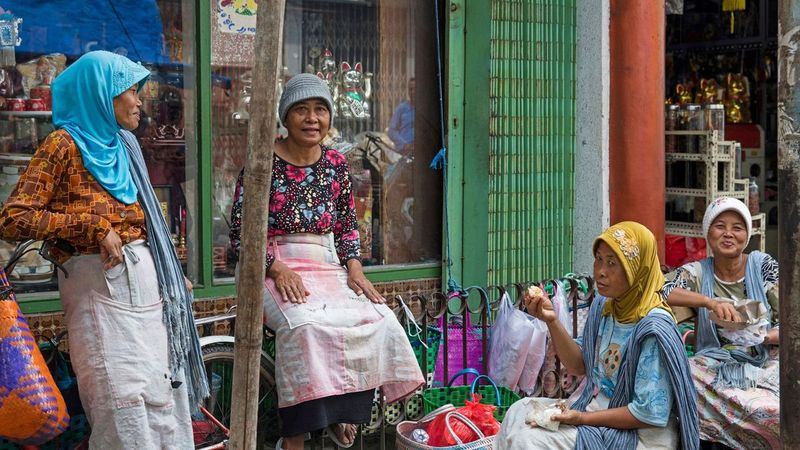
Even simple words like “hello,” “thank you,” and “how much” in the local language work like magic. Sellers in Morocco, Mexico or Thailand light up when travelers make an effort.
These small gestures show respect for the culture and often lead to better prices. Many sellers will teach you the pronunciation if you ask nicely.
Write down key phrases on your phone or carry a small translation card for quick reference during busy market visits.
4. Observe before you buy
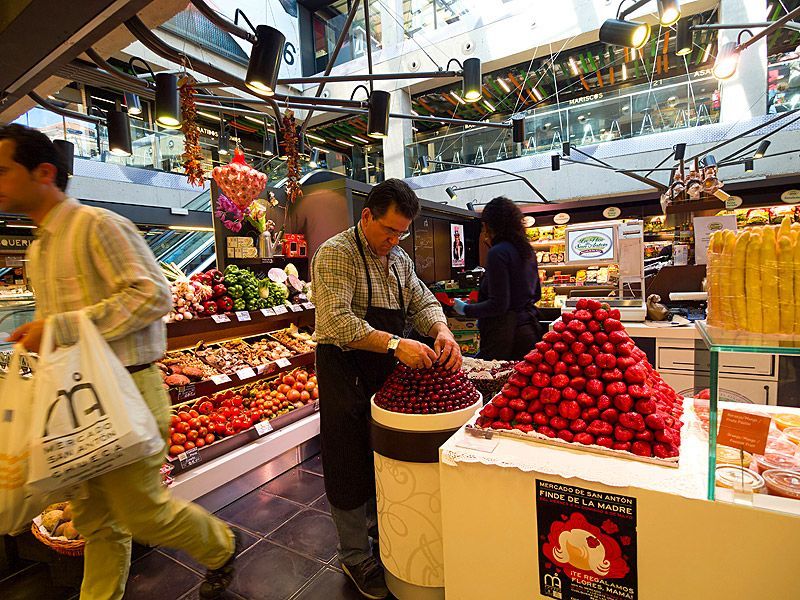
Spend several minutes walking around to see what the locals actually buy. This helps you spot the freshest produce, busiest food stalls and seasonal specialties.
Watch how locals examine the fruit, negotiate prices and choose their sellers. Their purchasing habits reveal the best quality items and fair prices.
Make mental notes on which stalls have the longest lines and most loyal customers for future reference.
5. Follow the Longest Food Lines
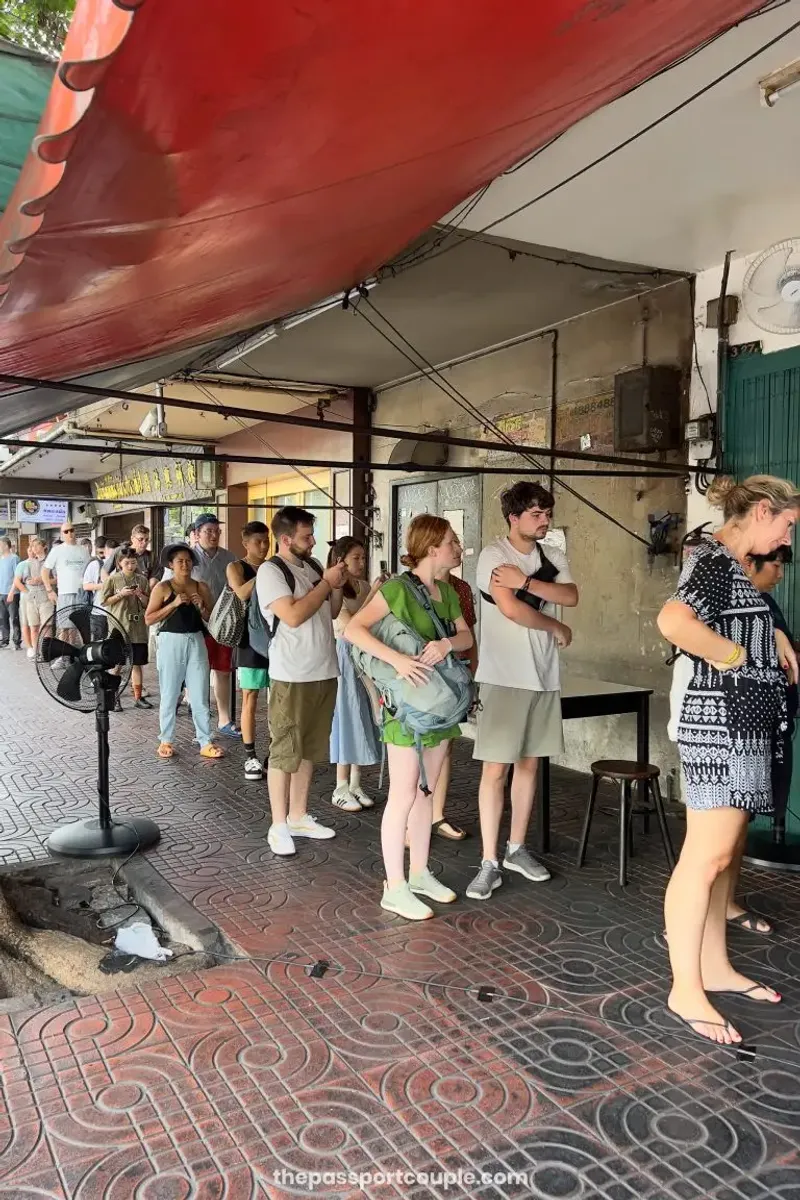
The busiest food stalls usually serve the most delicious dishes. When you see families or workers waiting in line, that’s a signal of high-quality, authentic food.
Local people know which vendors use the freshest ingredients and best cooking techniques. They won’t waste time or money on substandard meals.
Don’t worry about language barriers in line: pointing out what others have ordered usually works just fine for ordering your meal.
6. Accept sample offers graciously
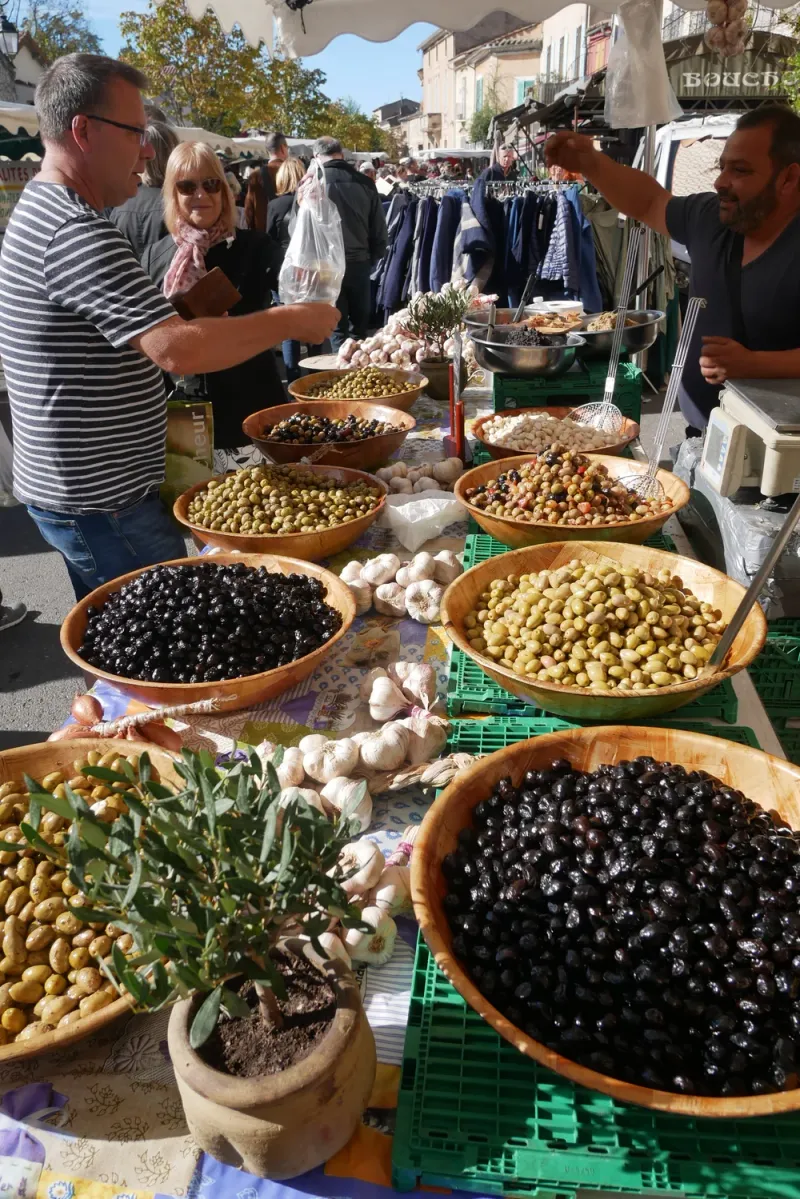
Vendors often offer small tastings of cheese, fruit, olives or cold meats. Sampling helps you decide what to buy and opens up wonderful conversations.
These tastings are part of the market culture and show the seller’s confidence in their products. Always thank them, even if you don’t buy anything right away.
Sampling also helps you discover flavors you’ve never tried before and learn about local food preferences and traditions.
7. Pack a reusable shopping bag
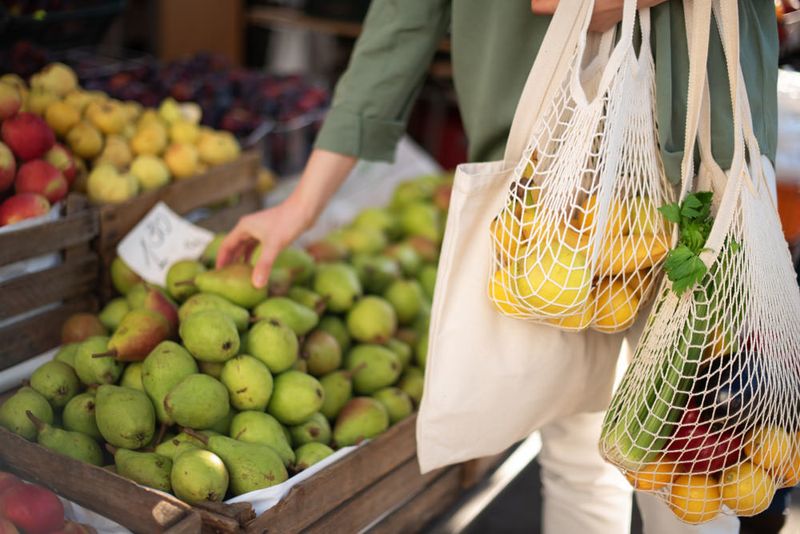
Locals always bring their own tote bags or baskets, and many markets are eliminating plastic bags. A lightweight reusable bag makes you look less like a tourist.
Having your own bag also means you can carry more gifts without struggling with flimsy plastic that could tear.
Choose a sturdy, compact bag that folds small but expands to hold plenty of fresh produce, spices and other market treasures.
8. Ask about seasonal specialties
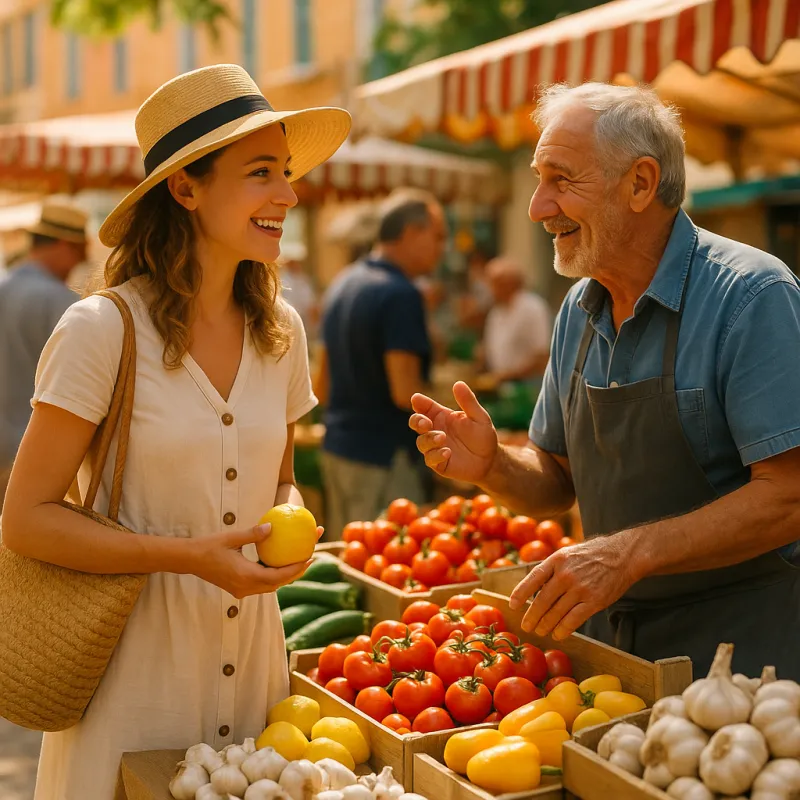
Each region has foods linked to specific harvests or festivals: truffles in Italy, mangoes in India, chestnuts in France. Asking sellers what season it is reveals hidden gems.
Seasonal produce is generally the freshest, tastiest and most affordable. Vendors love to share knowledge about their current best deals.
These conversations often lead to cooking tips, recipe suggestions, and stories about local food traditions that you’ll remember forever.
9. Respect local market etiquette
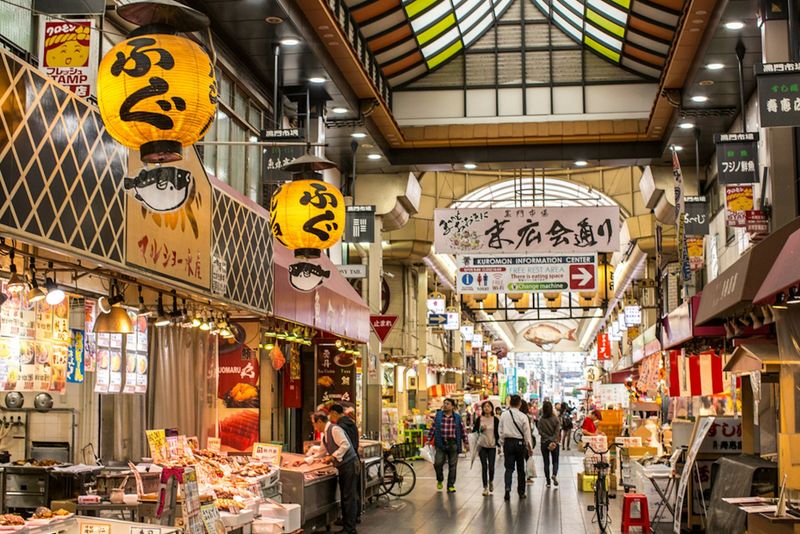
Market customs vary greatly around the world. Some markets are busy and noisy, while others maintain calmer, more formal atmospheres that require different behavior.
In Japan, eating while walking is often frowned upon. In Morocco, bargaining is an expected practice and part of the fun.
Observing the behavior of locals gives you important clues about appropriate conduct, helping you integrate and demonstrate cultural respect.