Affiliate Disclosure:As an Amazon Associate, I earn from qualifying purchases. Learn more
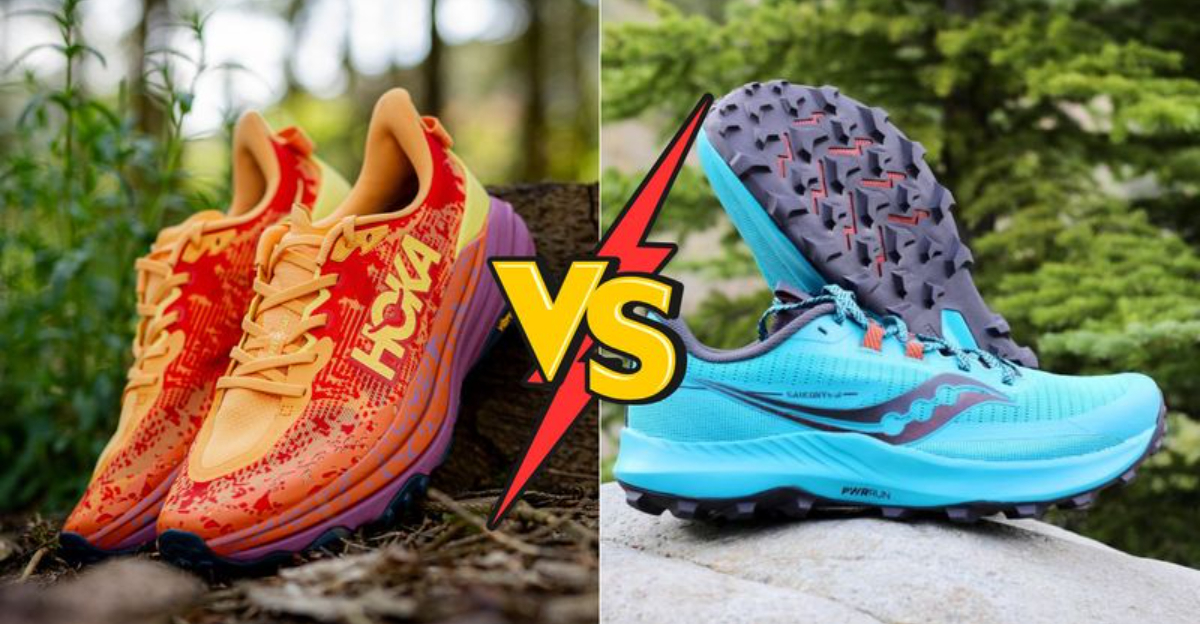
Choosing the right trail running shoe can make or break your outdoor adventures. Two popular options dominate the trails: the cushioned Hoka Speedgoat and the responsive Saucony Peregrine. Both shoes have loyal fans, but which one deserves a place in your wardrobe? Understanding their key differences will help you choose the one that perfectly matches your running style and trail preferences.
1. Cushioning Comfort Levels
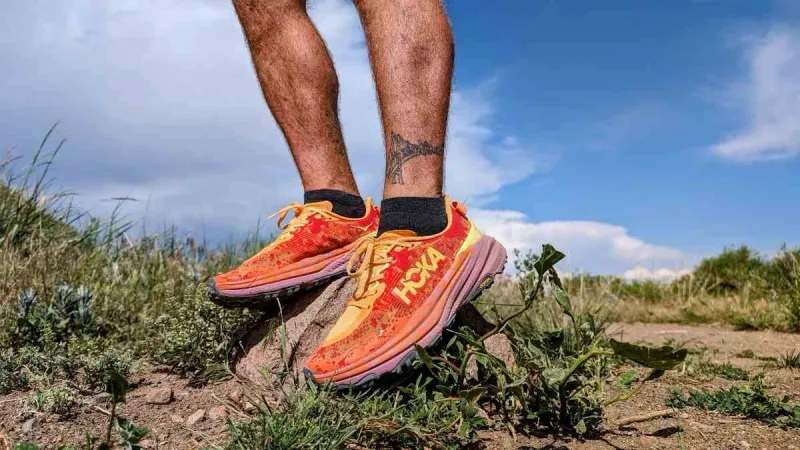
Maximum cushioning defines the Hoka Speedgoat experience. This shoe wraps your feet in plush comfort that feels like you’re running on clouds, even after hours on rocky terrain.
The thick midsole absorbs impacts perfectly, making it a favorite of ultra-marathoners and long-distance enthusiasts. Your joints will thank you on those grueling mountain climbs.
Meanwhile, the Saucony Peregrine takes a firmer approach with moderate cushioning. This design gives you a better connection to the ground and faster response times, perfect for technical trail navigation.
2. Weight and agility factors
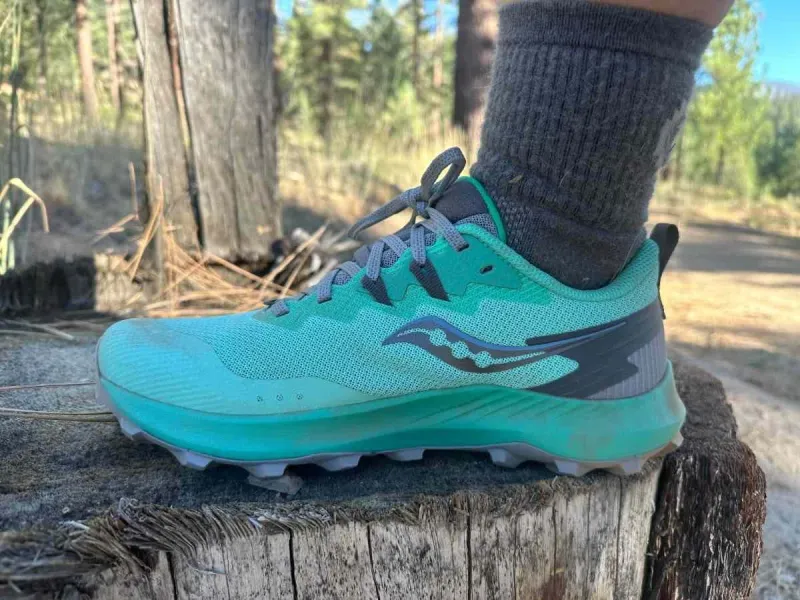
Every ounce counts when tackling steep switchbacks. The Saucony Peregrine weighs around 9.8 ounces for men, giving it a noticeable advantage in agility and speed.
This lighter construction translates to less fatigue during fast trail runs. Your legs stay fresh longer, especially on technical passages requiring rapid foot placement.
The Hoka Speedgoat tips the scales at 10.5 ounces, making it slightly bulkier. However, many runners are happy to accept this compromise because of the superior comfort and protection it offers in demanding terrain.
3. Analysis of traction performance
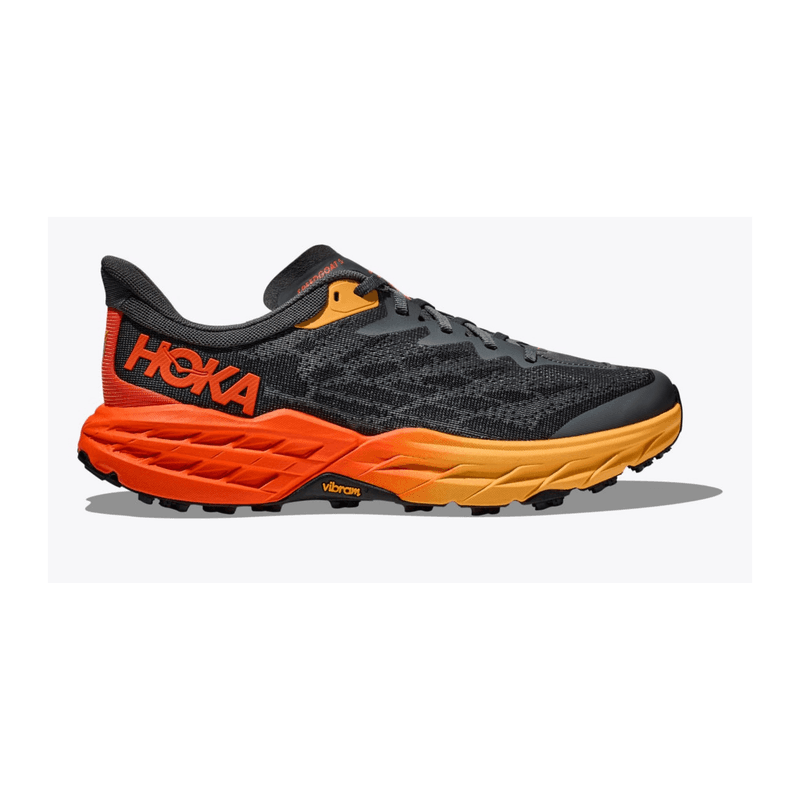
Grip can save you from embarrassing falls on slippery rocks. The Hoka Speedgoat features Vibram MegaGrip technology with aggressive 5mm paws that bite into wet and muddy surfaces like a hungry bear.
This outsole design excels in harsh conditions where other shoes might slip. Rain-soaked and gravelly trails become manageable obstacles rather than dangerous hazards.
Saucony’s PWRTRAC outsole on the Peregrine provides versatile traction on mixed terrain. The strategic lug pattern handles everything from dry dirt to rocky runs with secure grip and reliable performance.
4. Technical stability of the terrain
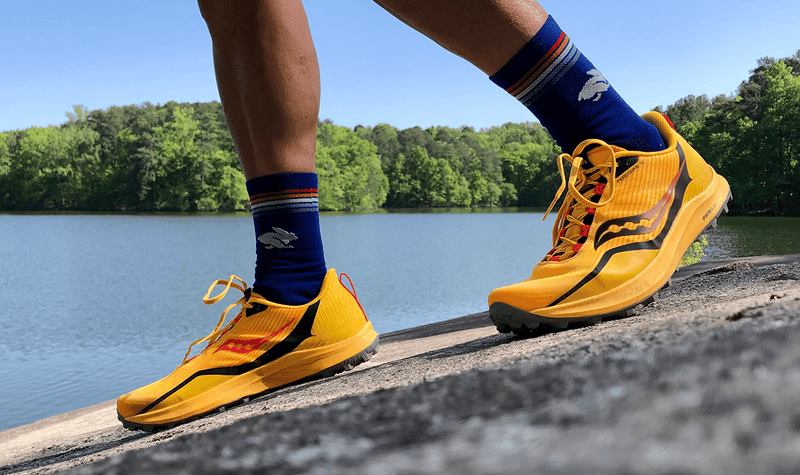
Navigating gnarly root sections and boulder fields requires different approaches to stability. The Speedgoat’s wider base and generous padding create a stable platform for long, rocky descents.
However, some runners feel disconnected from the trail due to the higher stack height. This elevated position can reduce proprioception on technical terrain.
The Peregrine’s lower profile keeps you closer to the ground, improving natural stability and control. This design philosophy allows for better feedback on trails and more precise foot placement on difficult sections.
5. Long-term durability testing
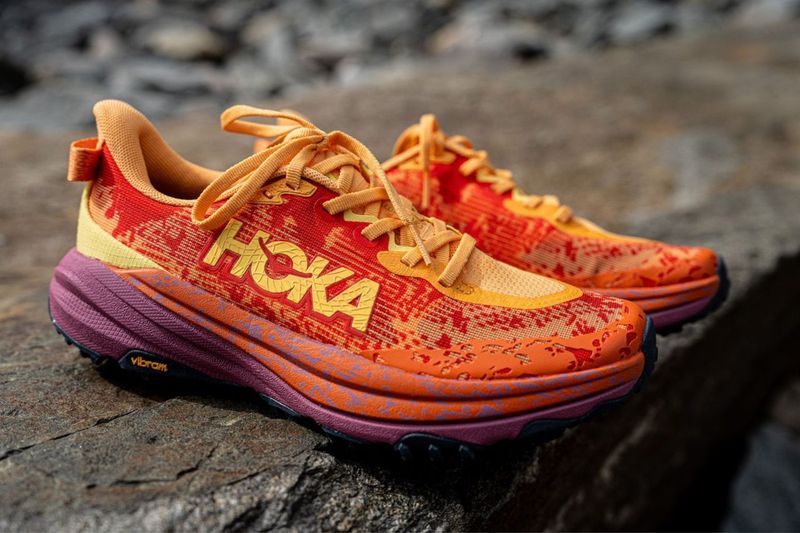
Nobody wants shoes that fall apart after a few hundred miles. The Hoka Speedgoat builds a reputation for durability through high mileage, often reaching 400 to 500 miles before replacement.
The sturdy construction holds up well to repeated rock impacts. However, the soft foam in the midsole gradually compresses over time, reducing the characteristic cushioned feel.
Saucony designs the Peregrine with reinforced skid plates and shanks for rugged durability. This rugged construction resists abrasion and punctures, making it excellent for sharp, rocky trails that destroy lesser quality shoes.
6. Ideal usage scenarios
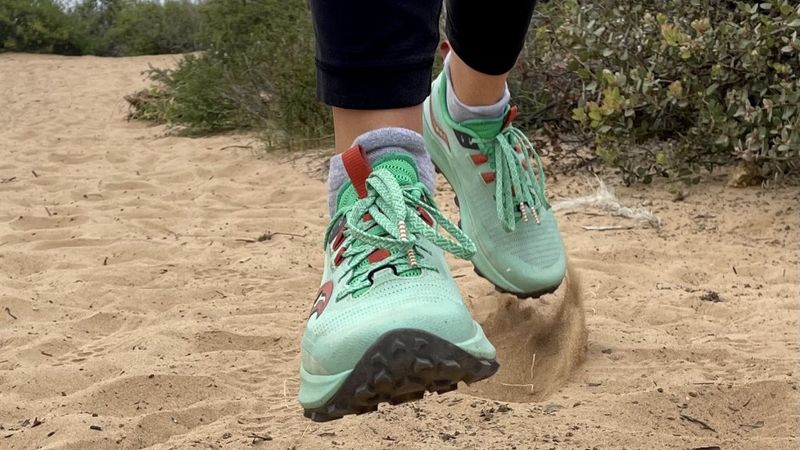
Matching shoes to your running goals avoids costly mistakes. Ultra-marathoners and long-distance hikers gravitate to the Speedgoat’s philosophy of comfort on all-day adventures.
The plush padding shines on long mountain crossings where comfort trumps speed. Full-day hikes become more enjoyable with reduced foot fatigue.
Speed-oriented runners and technical trail enthusiasts prefer the responsive nature of the Peregrine. Shorter runs, tempo runs and tough single track sections benefit from its agile, ground-connected feel that improves performance.
7. Price comparison
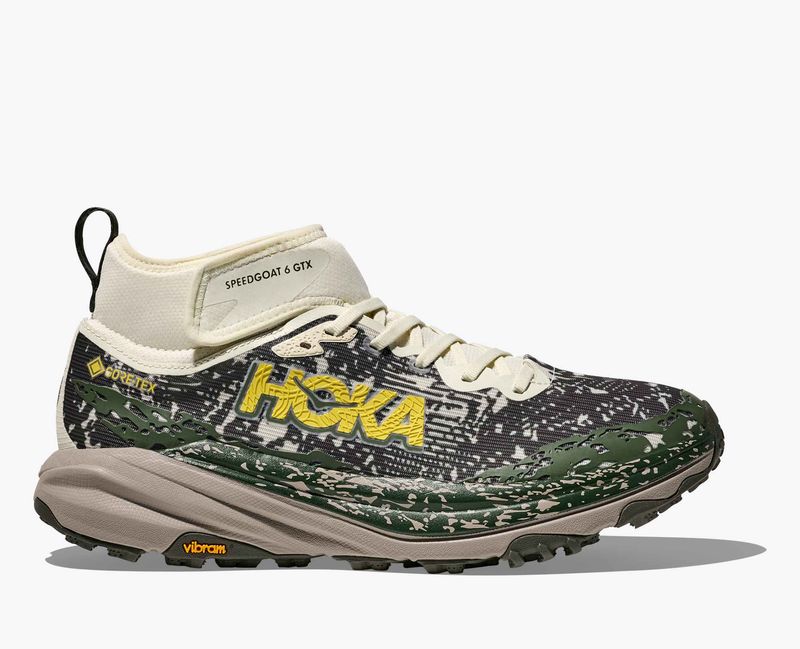
Budgetary considerations often influence final purchasing decisions. Both shoes sell in similar price ranges, typically between $140 and $155 depending on the specific model and colorway.
Seasonal sales and clearance events can drop prices to over $120, making either option more accessible. End of season deals offer the best value opportunities.
Cost per mile calculations favor the shoe that best suits your running style. A shoe that fits perfectly and lasts 500 miles offers better value than a cheaper option that causes discomfort or wears out quickly.
8. Fit and Sizing Features
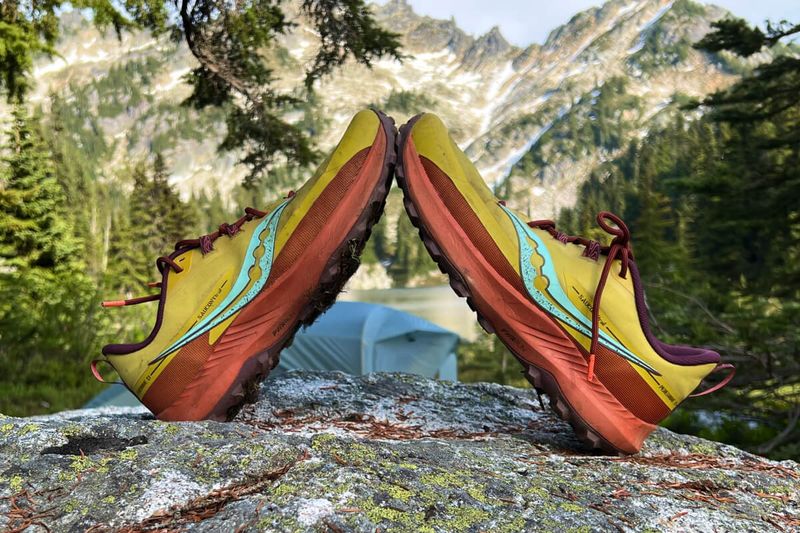
A good fit prevents blisters and hot spots on long trail adventures. Recent versions of the Speedgoat feature a roomier toe box that accommodates wider feet and a natural toe spread.
This generous fit is perfect for runners who need more room or prefer thicker trail socks. The overall volume is slightly higher than road running shoes.
The Peregrine hugs the feet better with a narrower profile that creates a locked-in feel. This secure fit improves control on technical terrain but may feel restrictive for runners with wider feet or high arches.
9. Final Verdict Decision
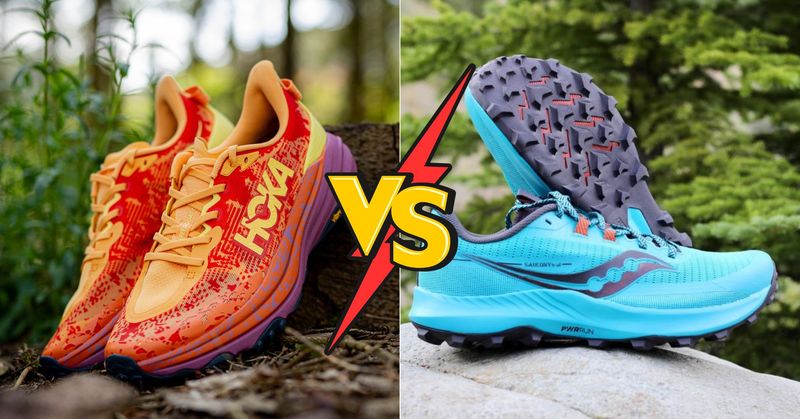
indefinite
Your running preferences ultimately determine the winner in this trail shoe showdown. Choose the Hoka Speedgoat when maximum comfort and cushioning are most important for long-distance adventures.
Ultra-marathons in the mountains and long hikes benefit from its soft protection. Superior grip helps handle tough conditions with confidence.
Choose the Saucony Peregrine for trail running focused on speed and technical mastery of the terrain. Its responsive design and agile handling excel during shorter, more intense trail sessions where agility trumps cushioning comfort.