Affiliate Disclosure:As an Amazon Associate, I earn from qualifying purchases. Learn more
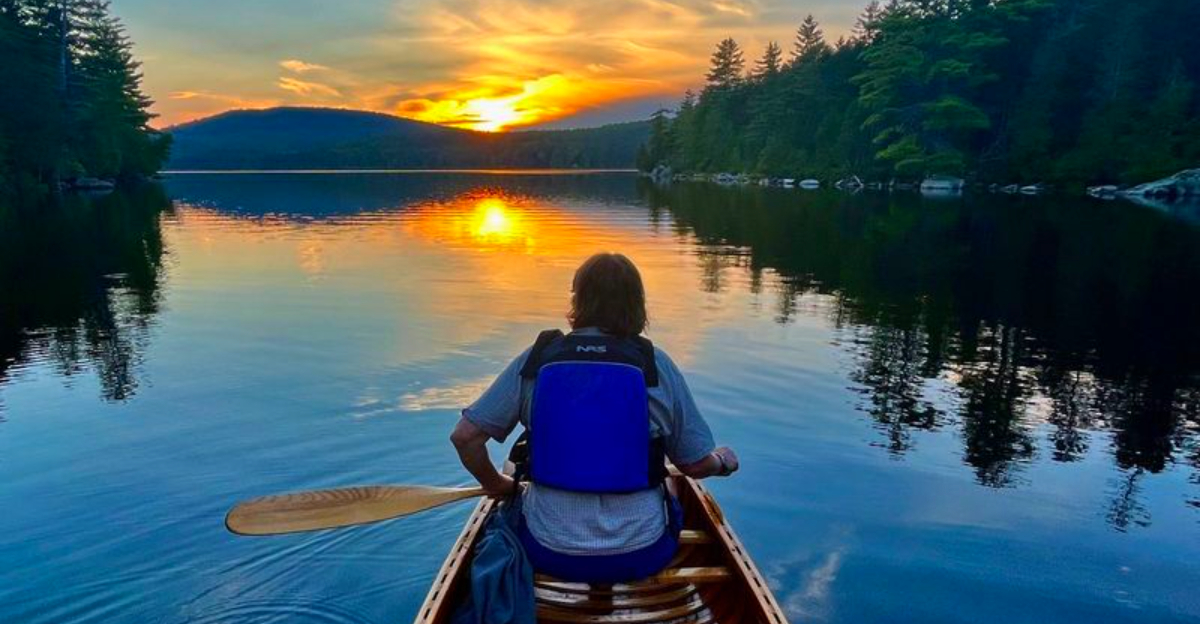
Canoe camping offers a unique way to explore wild places inaccessible to cars and hiking trails. Gliding across calm waters with everything you need in your boat brings a sense of freedom and adventure that’s hard to beat. Whether you’re planning your first night paddle or looking to improve your skills, these essential tips will help you stay safe, comfortable, and ready for the journey ahead.
1. Plan your route carefully
Choosing the right itinerary makes all the difference between a relaxing trip and a stressful ordeal. Beginners should stick to calm lakes or slow-flowing rivers that have easy-to-access campsites along the way. Research everything in advance: portage locations, typical weather conditions, current water levels, and any hazards like rapids or shallow areas.
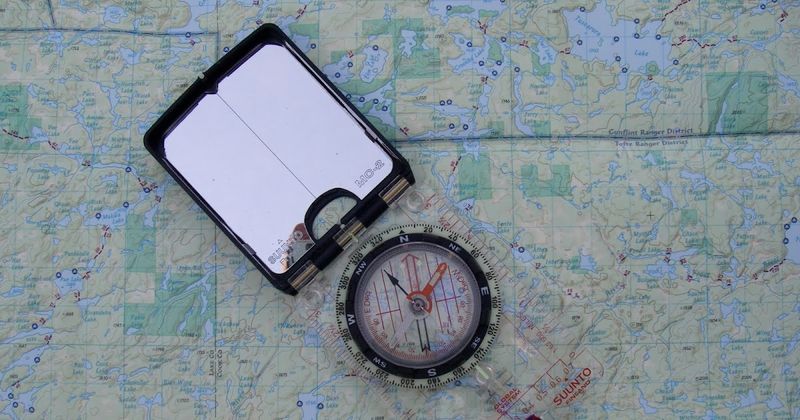
Always carry a paper map and compass as a backup. GPS devices are useful, but batteries die at the worst times. A good waterproof card never needs recharging and won’t leave you lost when technology fails you on the water.
2. Check local regulations
Before launching your canoe, take the time to understand the rules that govern your destination. Many waterways require prior permits or limit camping to specific designated areas only. Contact your local park services, forestry services, or conservation authorities for accurate, up-to-date information on your route.
Regulations often include fire restrictions, group size limits, or bear-proof food container requirements. Ignoring these rules can result in fines and, more importantly, harm the fragile ecosystems you benefit from. Compliance with regulations protects you and the wilderness from future adventurers.
3. Pack smart and light
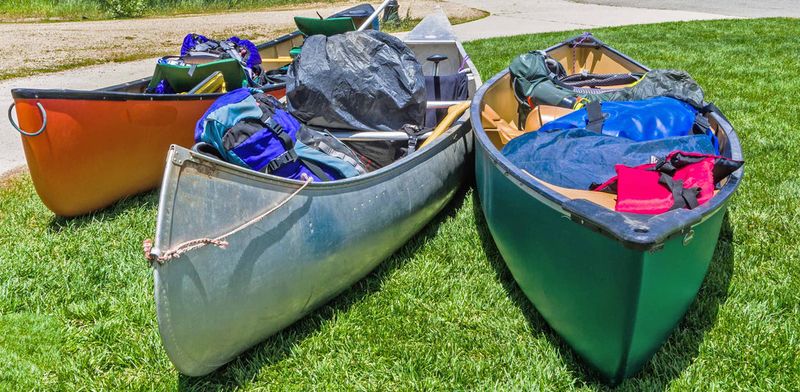
Every extra pound counts when you’re logging miles and carrying gear through portages. Focus on compact, versatile gear like lightweight tents, collapsible cooking utensils, and quick-dry clothing that serve multiple purposes. Resist the temptation to bring comforts that add unnecessary weight.
A practical approach: Pack everything you think you’ll need, then remove half of it. This forces you to prioritize essentials over luxury. Your shoulders will thank you during portages, and your canoe will sit higher and move faster through the water with a lighter load.
4. Use dry bags for everything
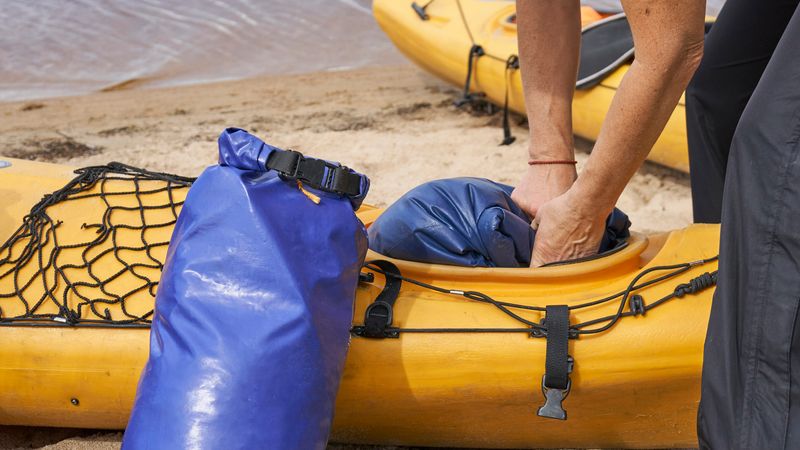
Even the calmest water can surprise you with unexpected waves, rain or an awkward moment. Protect your sleeping bags, clothing, electronics and food by storing them in quality waterproof dry bags. Once everything gets soaked, your trip can quickly become miserable.
The color coding of your waterproof bags makes life at camp easier: blue for clothes, red for food, yellow for kitchen utensils, for example. Keep a small dry bag handy for essentials like your phone, keys, wallet and licenses. This little bag can save your trip in case of disaster.
5. Balance your canoe correctly
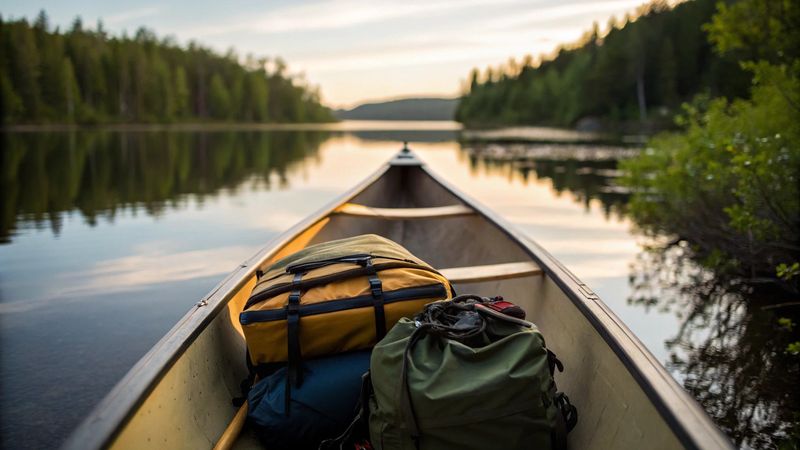
Proper weight distribution keeps your canoe stable and easier to control. Heavy objects like food barrels and water containers should sit low in the center of the boat, creating a stable base. Lighter equipment can go toward the ends, but avoid making either end too heavy.
Before setting off, both paddlers should test their balance, especially if wind conditions appear difficult. An unbalanced canoe tips more easily, tracks poorly and quickly exhausts paddlers. Spend a few minutes adjusting your load: this makes hours of paddling much more comfortable and safer.
6. Practice your paddling skills
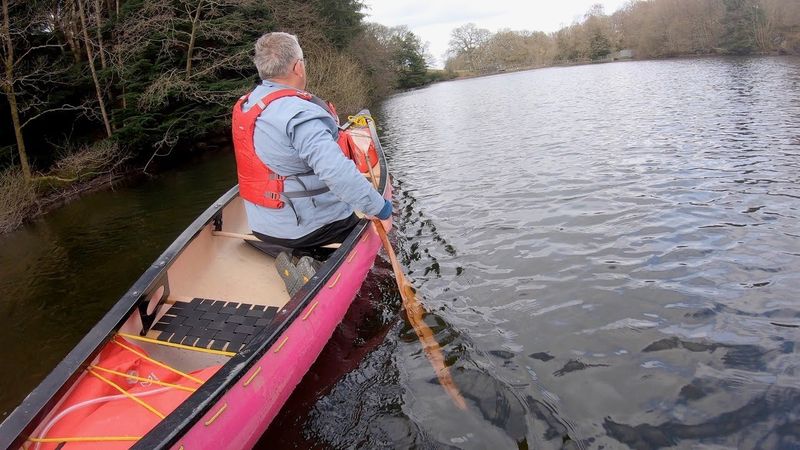
Strong paddling skills turn a grueling trip into an enjoyable adventure. Before your trip, practice the essential movements: the J-stroke allows you to move straight ahead without constantly changing sides, the reach stroke moves your canoe sideways, and the sweep stroke helps you turn efficiently.
Communication between paddling partners is just as important as technique. Develop cues and rhythms together so you work as a team rather than fighting. Smooth, coordinated paddling saves energy, covers more distance, and makes long days on the water almost effortless instead of exhausting.
7. Respect the portages
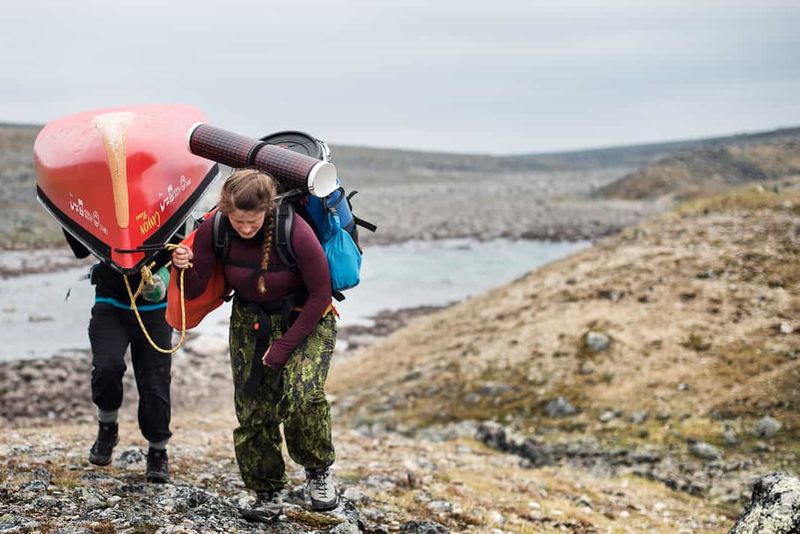
Portages—transporting your canoe and gear overland between bodies of water—test your strength and patience. They present a challenge, but they also provide gateways to more isolated and pristine areas than most people ever see. Accept them as part of the adventure rather than dreading them as obstacles.
Use a quality yoke to protect your shoulders and neck. Take breaks whenever you need them; pushing too hard results in injury. Research unfamiliar portage trails before setting out, especially if they appear rough or poorly maintained. Never overload your bag beyond what you can safely carry.
8. Choose campsites wisely
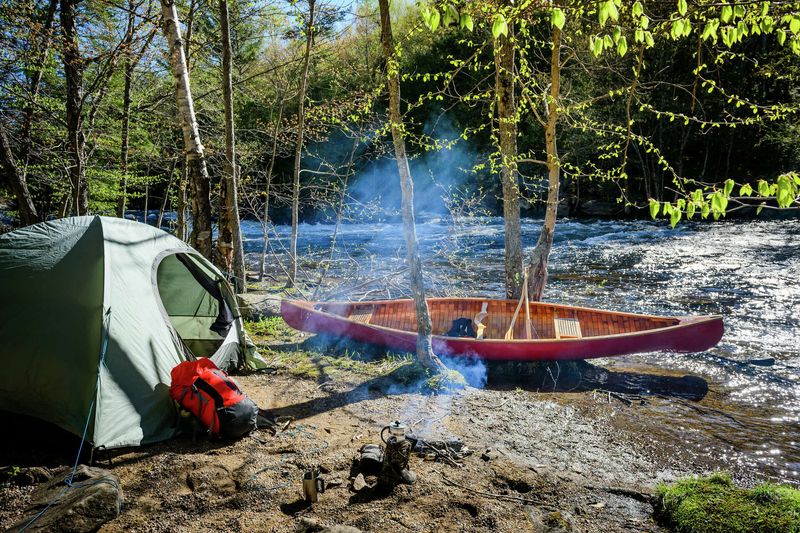
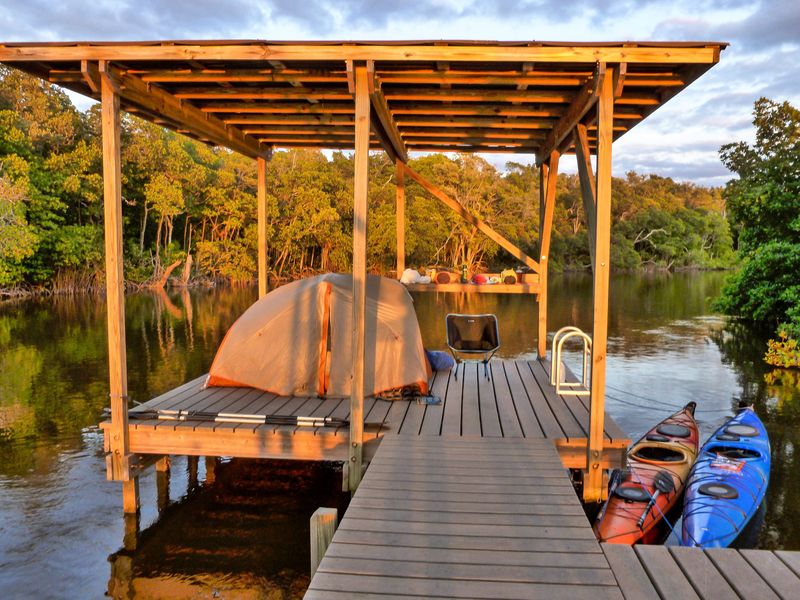
Arrive at your destination early enough to claim a safe, level campsite. Look for elevated sites above the waterline to avoid flooding if water levels rise overnight. Natural windbreaks like rock formations or dense trees provide shelter, but always check overhead for dead branches that may fall.
Established campsites minimize environmental impact and generally offer the best locations. Pitch your tent on durable surfaces rather than delicate vegetation. Always leave campsites cleaner than you found them: take away trash left by others if necessary. Future campers will appreciate your consideration.
9. Dietary planning is key
Prepare meals at home to save time and reduce waste at camp. Pack easy-to-cook foods like rice, couscous, pasta, or dehydrated camping meals that only need boiling water. Bring energy-rich snacks such as nuts, dried fruit, energy bars and jerky to get quick fuel during long days of paddling.
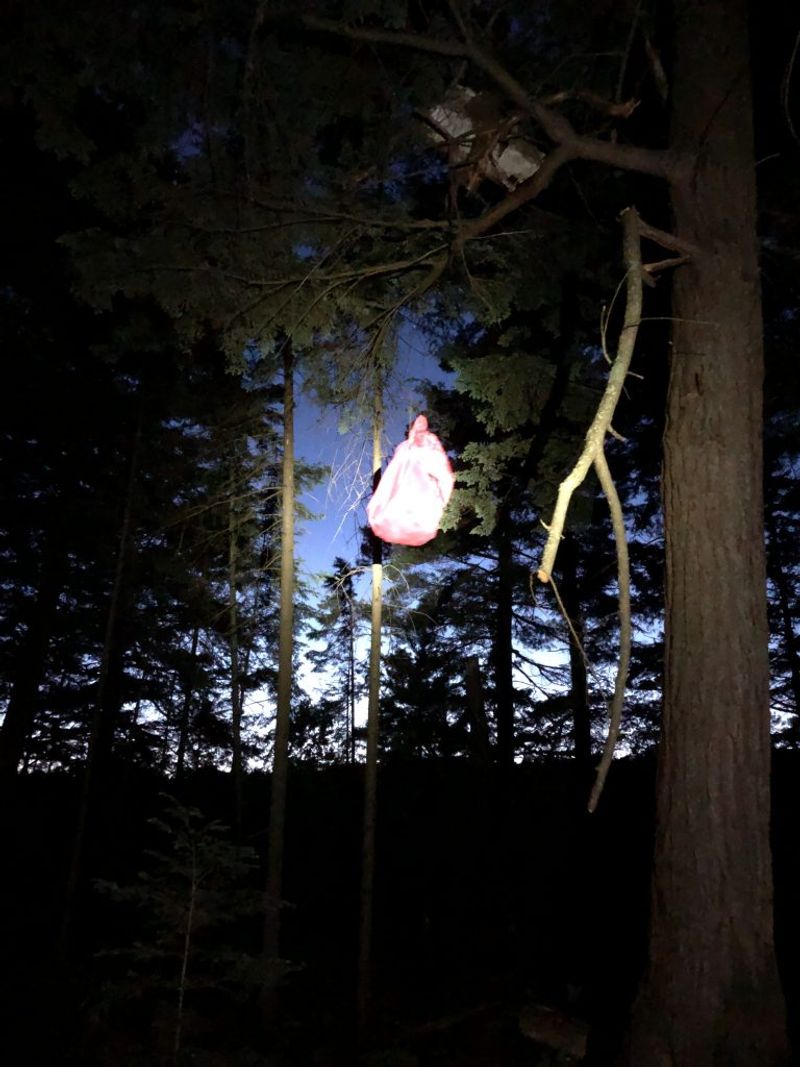
Store all food away from your tent using either a suitable tree or bear-resistant container. Even in bear-free areas, smaller animals like raccoons and mice raid improperly stored food. Protecting your food supply keeps wildlife safe and ensures you’ll have breakfast tomorrow morning.
10. Stay dry and warm
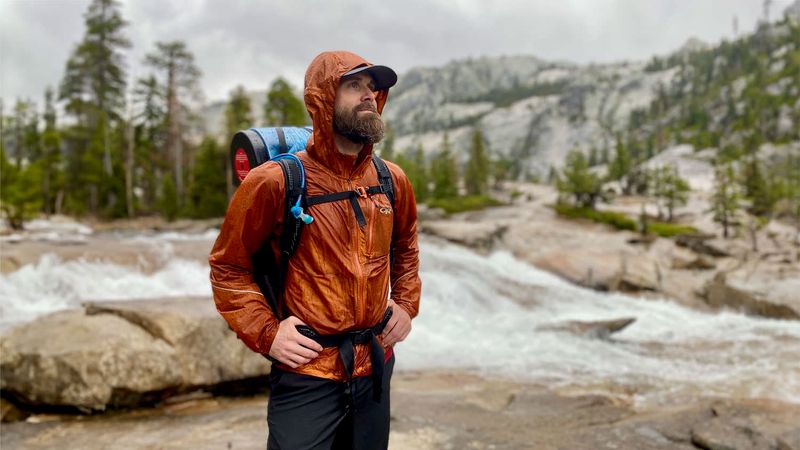
The weather changes quickly on the water and getting wet in cold weather can quickly become dangerous. Pack a moisture-wicking base layer, a well-ventilated waterproof jacket, and a full change of clothes sealed in a waterproof bag. These elements are not optional: they are essential elements for survival.
If you capsize or get caught in heavy rain, dry clothing can mean the difference between mild discomfort and hypothermia. Put on dry diapers immediately after getting wet, even if you feel fine. Your body loses heat much faster when wet, and prevention is always easier than treatment.
11. Leave no trace
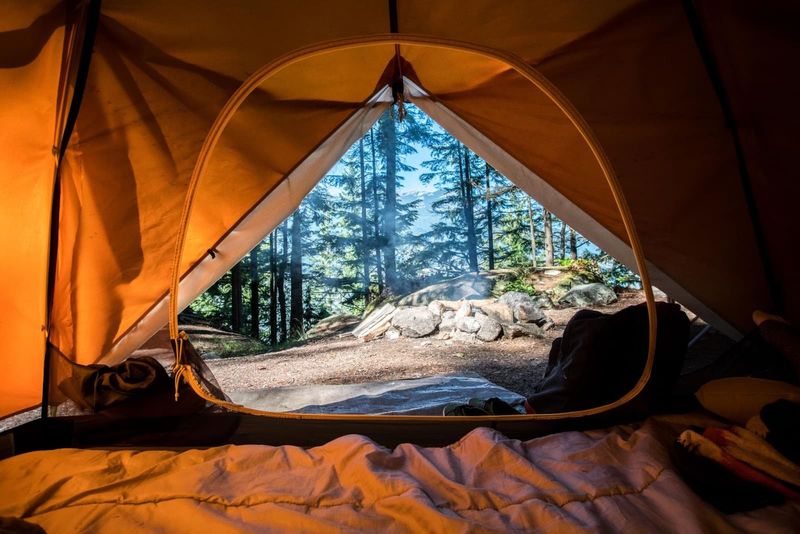
Canoe camping takes you into some of the most beautiful and unspoilt wilderness areas. Follow Leave No Trace principles religiously: pack absolutely everything you bring, including small pieces of trash like apple cores and orange peels. Properly bury human waste in burrows at least 200 feet from water sources.
Minimize the impact of the campfire by using existing fire rings and keeping fires small. Better yet, use a camping stove instead. Respect natural silence: loud music and shouting disturb both wildlife and other peace-seeking campers. The magic of the wilderness depends on everyone’s ability to protect it.
12. Enjoy the journey, not just the destination
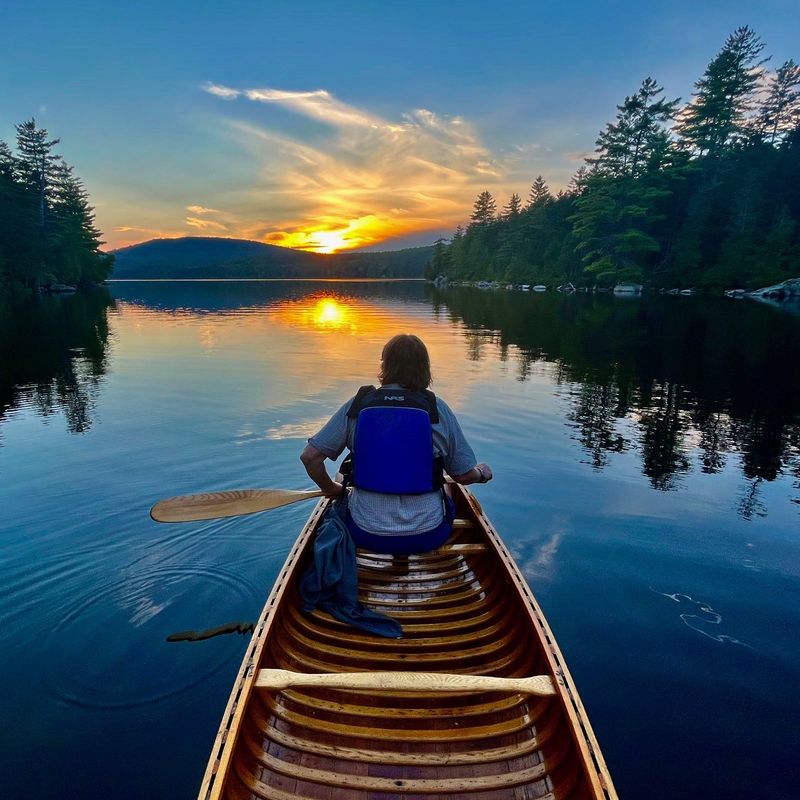
Canoe camping is not a race to cover as many miles as possible or reach specific destinations. Slow down and truly experience your surroundings: the mirror-smooth lakes at dawn, the loons calling on the water at dusk, the rich scent of pine forests, the stars so bright they reflect off the water.
Take breaks to swim, explore the shores or simply float and listen to the silence. These moments of connection with nature are what you will remember years later, not the miles you traveled. The peace and perspective that wilderness offers cannot be rushed: it must be absorbed slowly and gratefully.