
Have you ever wondered what it would be like to enter total darkness, deep beneath the surface of the Earth? Hidden just outside Mount St. Helens, Washington state’s Ape Cave is a natural wonder unlike any other: a two-mile lava tube carved out of molten rock thousands of years ago. Today, it’s one of the longest lava tubes in North America, and you don’t need any special equipment to explore it: just a flashlight, a sense of adventure, and maybe a warm jacket. From easy walks to challenging climbs, Ape Cave offers an unforgettable journey into the volcanic heart of the Pacific Northwest.
1. It is one of the longest lava tubes in North America
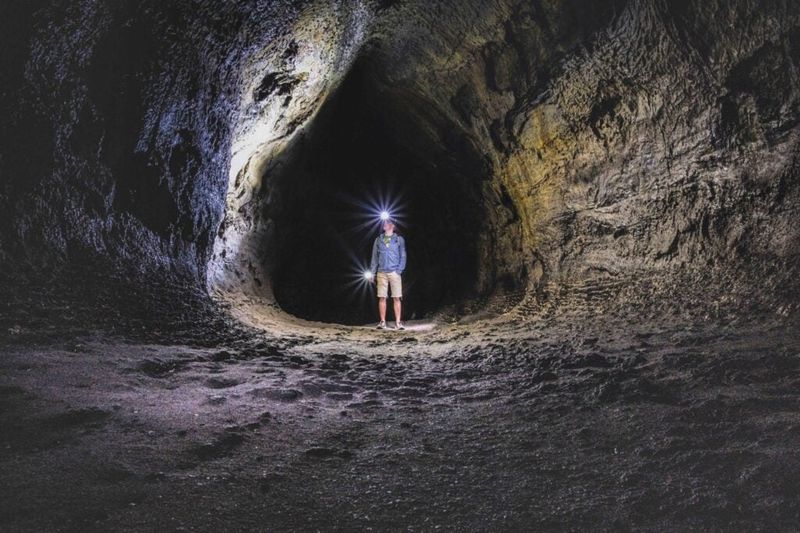
Ape Cave stretches over 3 km long, making it the third longest lava tube on the continent. Lava tubes of this size are relatively rare outside of volcanic regions like Hawaii or Iceland. Walking inside gives visitors the opportunity to imagine how molten rock once flowed in the same space. Its long, continuous tunnel shows how a single eruption can permanently alter a landscape. The length of the cave allows for both informal walks and serious exploration. Few places in the United States allow you to cross such an extensive volcanic formation.
2. The cave was formed by an eruption of Mount St. Helens
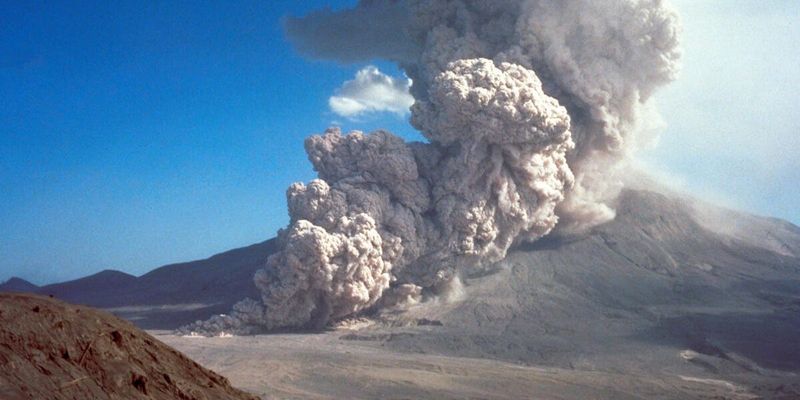
About 2,000 years ago, lava from Mount St. Helens carved out this underground passage. Lava tubes form when the outer surface of a lava flow cools and hardens while molten lava continues to flow inside. Once the eruption subsides, the molten rock flows out, leaving an empty tunnel. The size of Ape Cave tells geologists that the eruption was massive and sustained. Studying its walls helps scientists understand the behavior of volcanoes in the Cascade Range. It’s a living geology classroom, preserved beneath the forest floor.
3. There are two main routes to explore
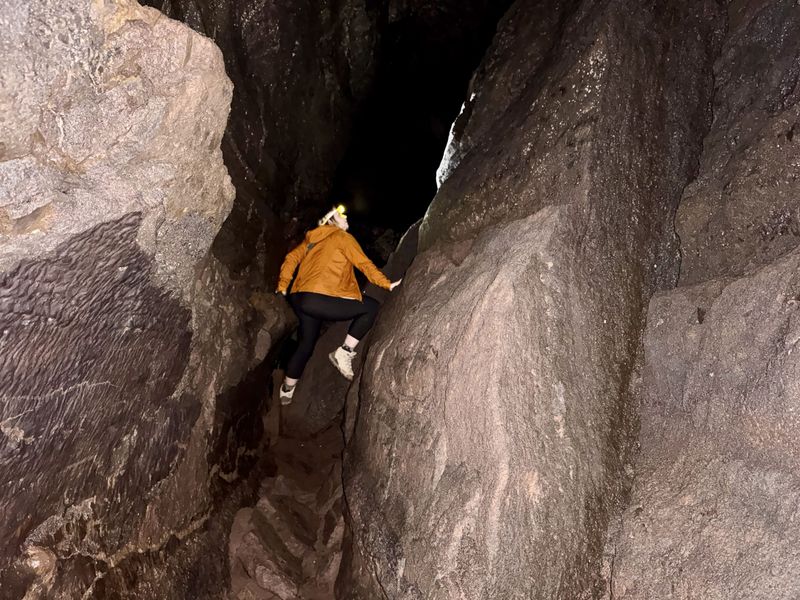
The cave offers two distinct experiences for hikers. The lower cave is relatively flat, making it accessible to families and beginning explorers. It’s about 1.5 miles round trip and offers the fun of being underground without the technical challenges. The Upper Cave, however, is much more rugged, with giant rock piles and narrow passages. At one point, adventurers must scale an 8-foot lava wall, adding a feeling of true expedition. These two routes demonstrate just how varied the interiors of lava tubes can be, from gentle paths to obstacle-filled mazes.
4. You’ll need a flashlight – or two
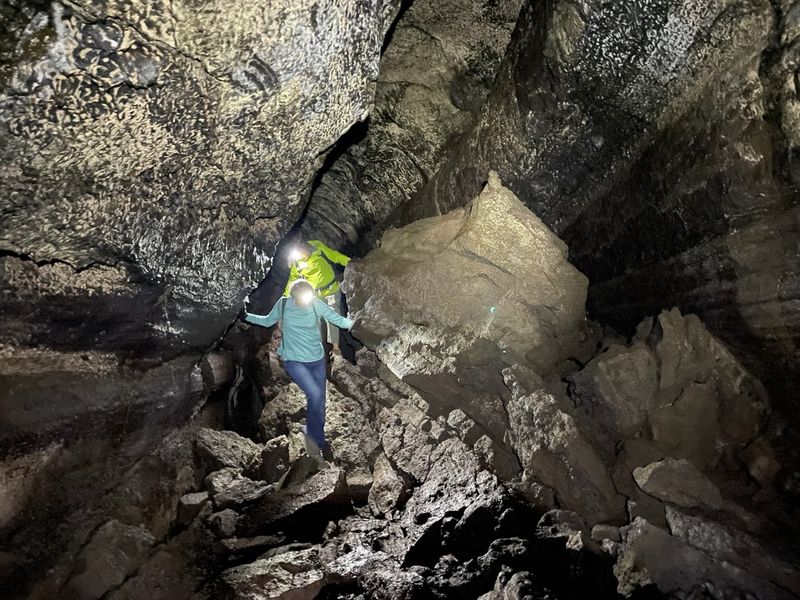
Inside Ape Cave, there is no natural light. Cell phone flashlights are too dim to safely navigate rough terrain. Rangers recommend bringing at least two reliable light sources, such as a headlamp and a sturdy flashlight. Spare batteries are also essential, as hikes can take longer than expected. Good lighting not only prevents trips and falls, but also reveals fascinating textures on the cave walls. Proper preparation turns the cave from a dangerous place into an awesome adventure.
5. Temperatures stay cold all year round
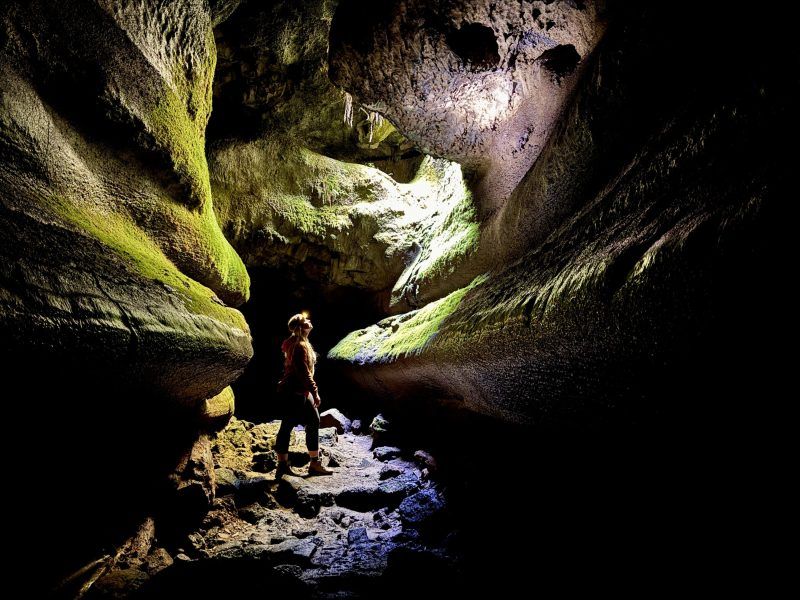
No matter the temperature outside, Ape Cave remains stable at 42°F. This constant cold is due to the fact that underground environments are isolated from the elements. Visitors are often surprised to see their breath in the middle of summer. Cold air preserves cave features and supports unique ecosystems. Dressing in warm layers and wearing sturdy shoes ensures a safe and comfortable experience. Exploring the cave without preparation can quickly become unpleasant, even on the sunniest of days.
6. The name has a fun origin story
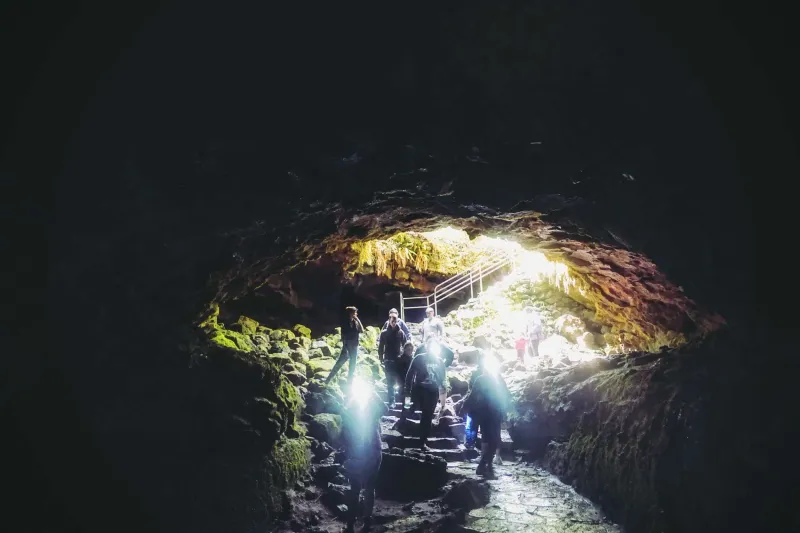
Despite local legends, Ape Cave is not named after Bigfoot. The name actually comes from the Mount St. Helens Apes, a local outdoors group from the 1950s. They were among the first to map and promote the cave as a natural wonder. Over time, the unusual name stuck and added to the mystery of the site. Bigfoot enthusiasts always enjoy visiting, as the area is steeped in Sasquatch folklore. This playful naming story adds an extra layer of charm to this already fascinating cave.
7. This is part of the Gifford Pinchot National Forest
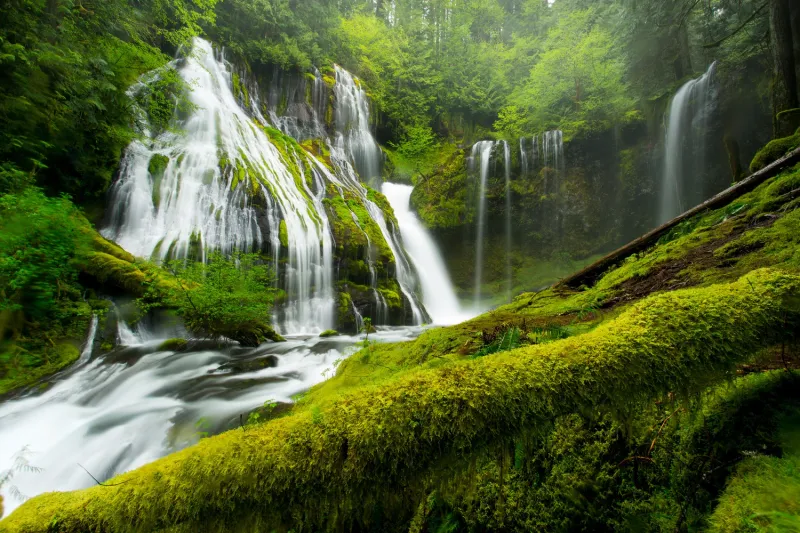
Ape Cave is within the sprawling Gifford Pinchot National Forest, one of the oldest national forests in the United States. The area covers more than 1.3 million acres of wilderness, rivers and volcanic landscapes. The cave is just one of many natural attractions, including ancient forests and alpine lakes. Because it is part of a protected area, the cave is carefully managed to balance tourism and conservation. Visitors are encouraged to explore responsibly, leaving the forest as they found it. The setting adds to the appeal of the cave, making it a gateway to countless outdoor adventures.
8. Reservations are required during high season
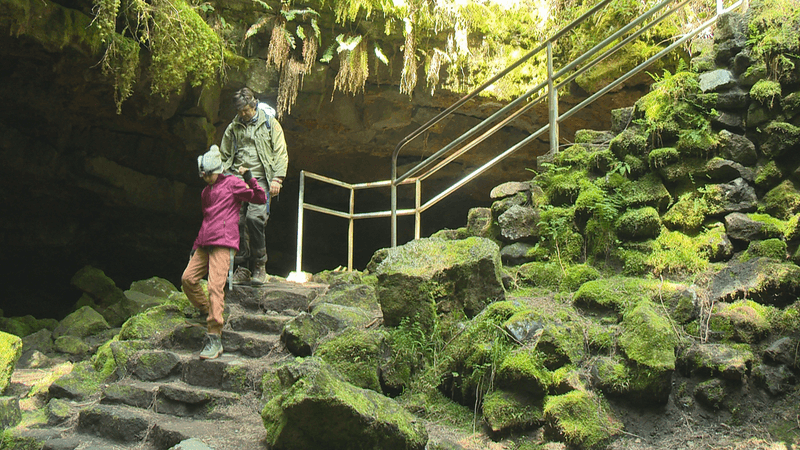
During the busy summer months, a permit is required to enter Ape Cave. This system was introduced to protect the cave and ensure a better experience for visitors. Overcrowding can damage delicate items and make navigation difficult. Reserving a timed entry pass in advance through Recreation.gov guarantees access. Limiting their numbers also helps preserve the fragile underground ecosystem. Although it requires planning, the system ensures that the cave remains an enduring attraction for generations.
9. Lava tubes are fragile ecosystems
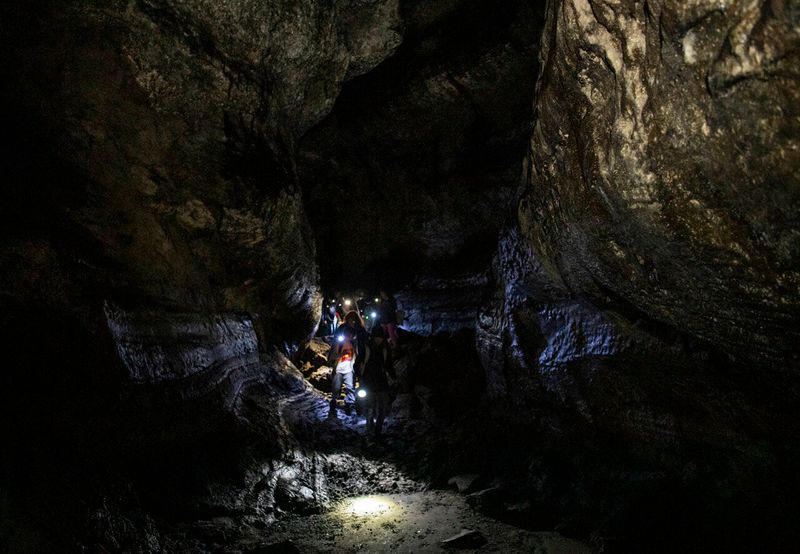
Although they appear sturdy, lava tubes are surprisingly delicate. Touching the walls can leave oils that damage or stain the rock. Small cave formations, like mineral deposits, can take thousands of years to form but seconds to destroy. Bats sometimes roost in the cave, relying on its stable temperatures to survive. Visitors are asked to follow Leave No Trace principles to protect these creatures. By respecting the rules of the cave, explorers help save a rare natural wonder.
10. It’s a must-do adventure for outdoor enthusiasts
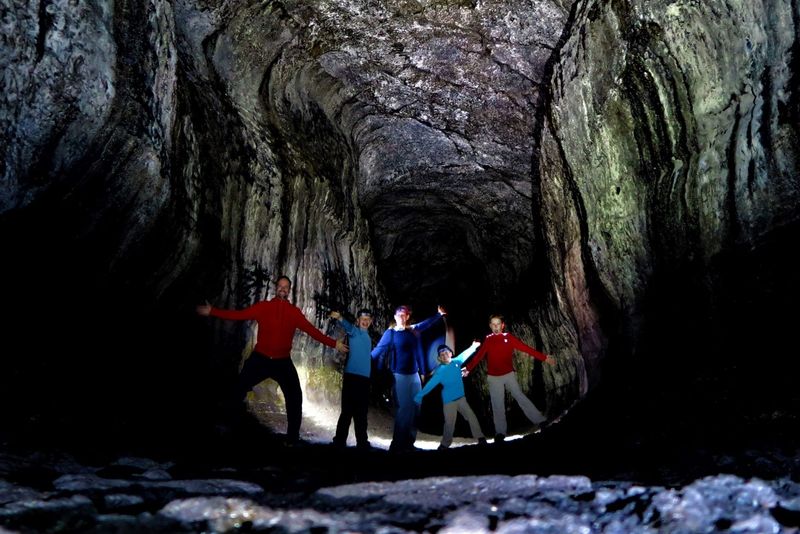
Exploring Ape Cave is unlike any other hike in Washington. It combines geology, adventure and history into an unforgettable experience. Walking through the tube feels otherworldly, like entering the hidden chambers of the Earth. The mix of easy and difficult routes means there is something for everyone. Beyond the cave, the Mount St. Helens area offers even more opportunities for learning and exploration. For travelers and locals alike, Ape Cave is a must-visit that leaves lasting memories.