
There are restaurants, and then there are shrines. Bertha’s Kitchen is not just a place to eat, but a living chronicle of Southern heritage, etched into every pot and pan. In Charleston, South Carolina, this modest cafe whispers stories of the past – of family, of perseverance, of flavors passed down with solemn care. Its collard greens are not just food; they are memory made edible.
1. It was founded by a Gullah-raised cook
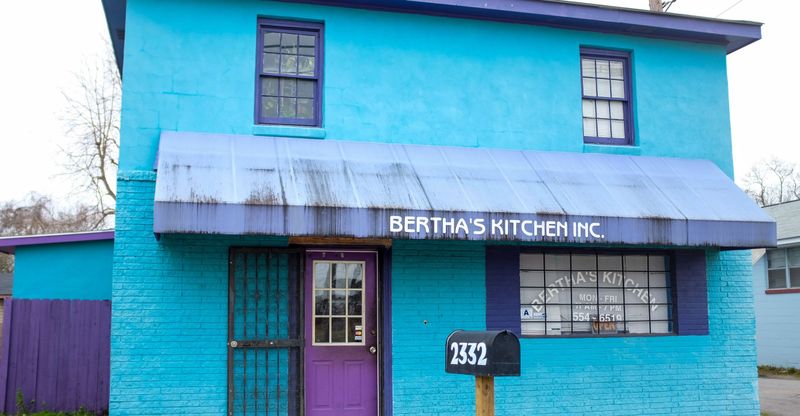
In the early 1980s, Albertha Grant, born and raised in the deep cultural traditions of the Gullah people, opened her cuisine to the world. What she brought to the table was not ambition for glory, but a quiet insistence that good food could speak for itself. Bertha’s became her canvas, and the green cabbage, her brushstrokes – covered in smoke, salt and the soul of the earth. You can taste the Gullah influence in every bite: unpretentious, honest, and rooted in history. The restaurant today stands as a monument to that vision, a testament to how one woman’s pots and pans were able to shape the culinary legacy of an entire city.
2. Now led by his daughters, keeping the legacy alive
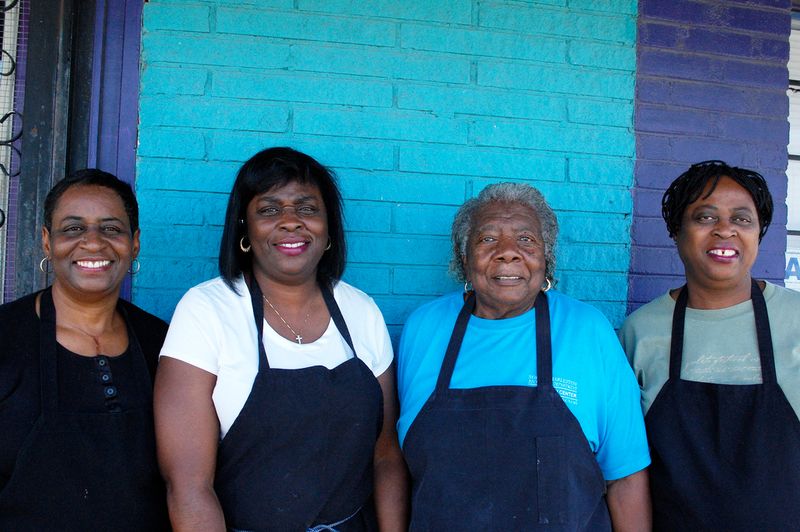
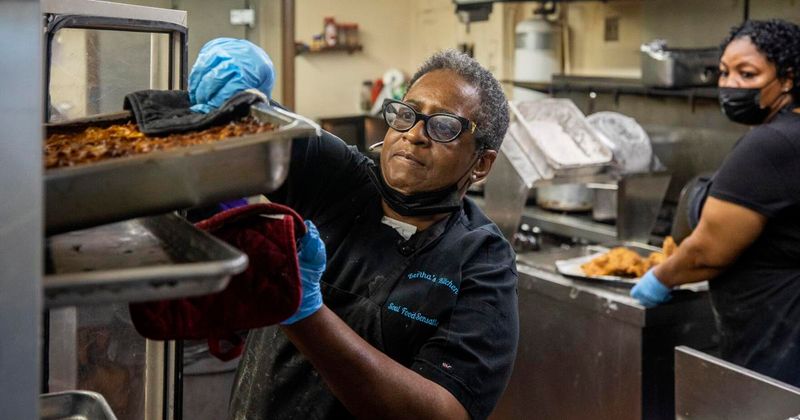
When Albertha passed away in 2007, her daughters – Julia, Linda and Sharon – took over the reins with dignity and dedication. They didn’t try to modernize or reinvent, because they understood the sacredness of what their mother had created. Instead, they continued the ritual, stirring the greens with the same patience, frying the chicken with the same expert hand. It’s rare to see such loyalty in the restaurant world, where trends and novelty often drown out tradition. At Bertha, continuity is not simply a business decision: it is an act of love, a promise kept every day.
3. It’s an “American Classics” winner
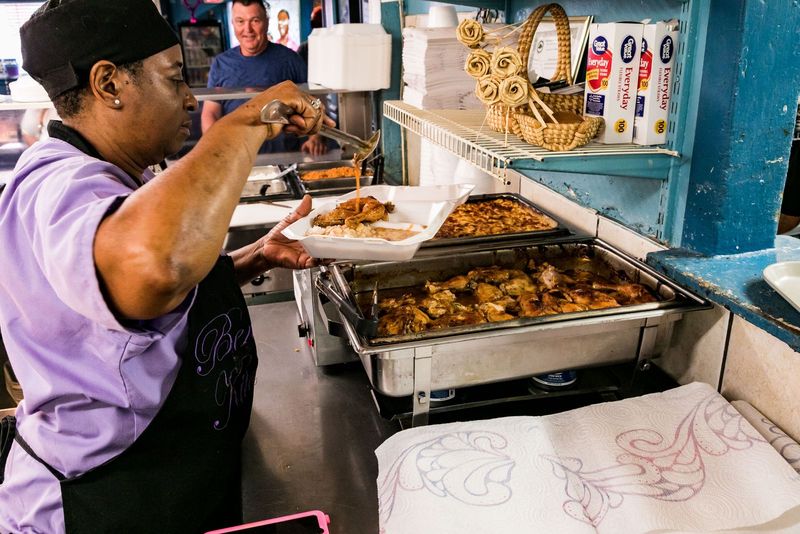
In 2017, the James Beard Foundation awarded Bertha’s Kitchen the coveted America’s Classics Award, placing it among the nation’s most sought-after restaurants. This is no small honor: it is a recognition reserved for establishments that embody the very spirit of American cuisine. And what belongs to Bertha, if not this? A family kitchen, preserved from change, where greens are timeless like an anthem. To step inside is to step into the living definition of classic, where each dish is designed not for novelty, but for permanence.
4. Its collard greens are a menu mainstay
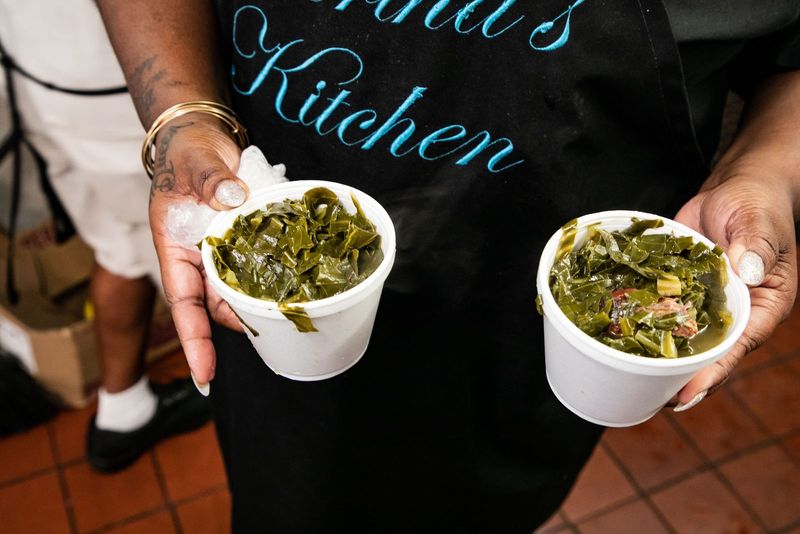
The collard greens at Bertha’s are not a side dish. They are the foundation on which everything else rests. Simmered slowly and gently, they arrive at the table tender, bright and fragrant with the incomparable essence of smoked meat. Potlikker, that sacred broth left at the bottom, is as precious as the greens themselves – an elixir that locals sip with reverence. To eat them is to participate in something older than yourself: the Southern tradition of bringing magnificence out of humble leaves.
5. Atmosphere: portraits, murals and family touches
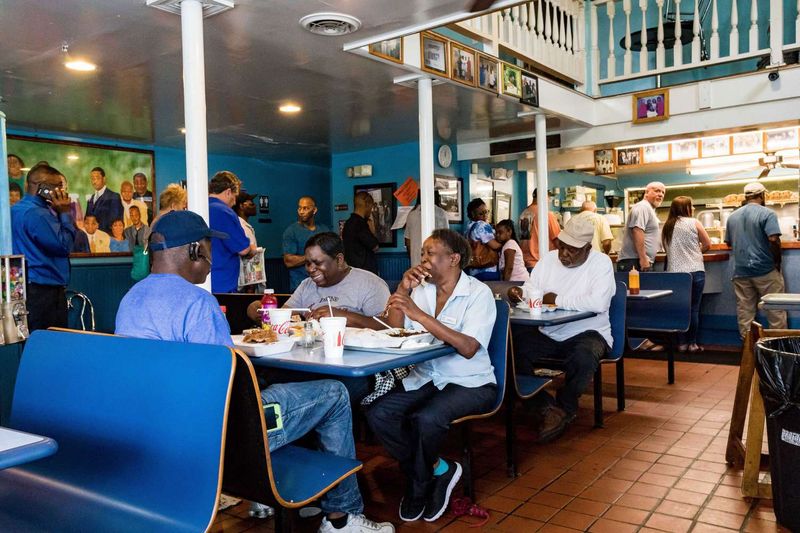
Bertha’s walls are not bare; they are the guardians of memory. Family portraits, hand-painted murals and framed photographs line the space, reminding diners that this is more than a restaurant: it’s a living family album. The tables are simple, the lighting unpretentious and the chairs robust but sober. And yet there is a dignity in this simplicity, as if to say, “Food is the centerpiece. Nothing else is required.” One can’t help but feel that they have been invited, not as customers, but as guests into a home that has stood the test of time.
6. Generosity and soul are in every portion
At Bertha, the plates are not measured with avarice or precision; they are filled with the kind of abundance only a grandmother would dare. The collard greens overflow from the plate, resting on the cornbread and meats with a feeling of abundance that defies calculation. It is a food intended not only to nourish the body, but also to reassure the mind. Each spoonful seems to say: “Eat and eat well, you are here with family. » It is this generosity, more than any recipe, that keeps people coming back again and again.
7. He has deep ties to the community
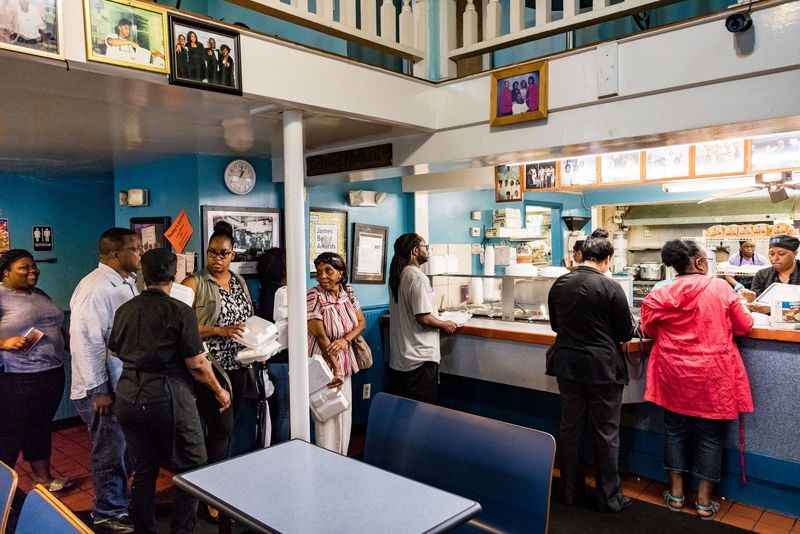
Bertha’s Kitchen is not a business, it’s a home. For decades, Charlestonians have gathered here, not only for lunch, but also for communion. Neighbors greet each other, children sit next to elders and conversations drift across the tables like smoke from a Sunday roast. The restaurant has become an integral part of the community, just like the church, the school or the convenience store. And in this way, Bertha’s transcends commerce: it becomes part of the very fabric of Charleston’s soul.
8. Recipes stay close to home
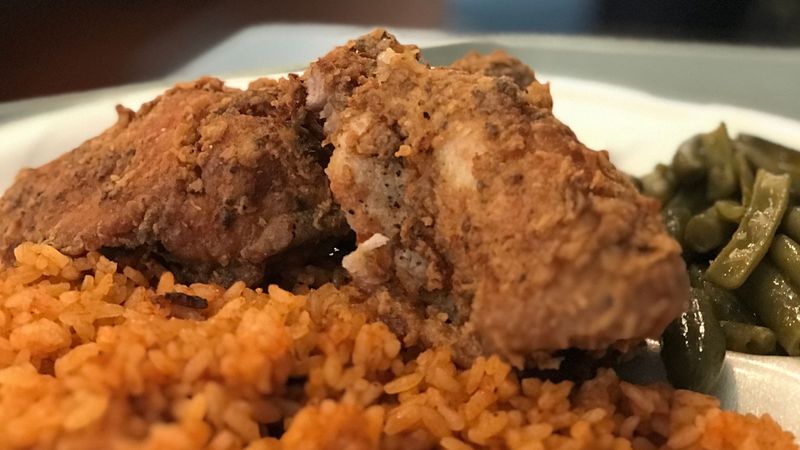
Here, no fuss, no molecular gastronomy or “deconstructed” plates. At Bertha’s, the recipes remain rooted in the soil from which they came: greens, fried chicken, lima beans, red rice and cornbread. Each dish tastes like it was prepared in the calm of a family kitchen, with patience and care. There is humility in such cooking, but also great strength: it takes confidence to let the food speak clearly, without adornment. And with Bertha, that says a lot.
9. It brings tourists to local cuisines
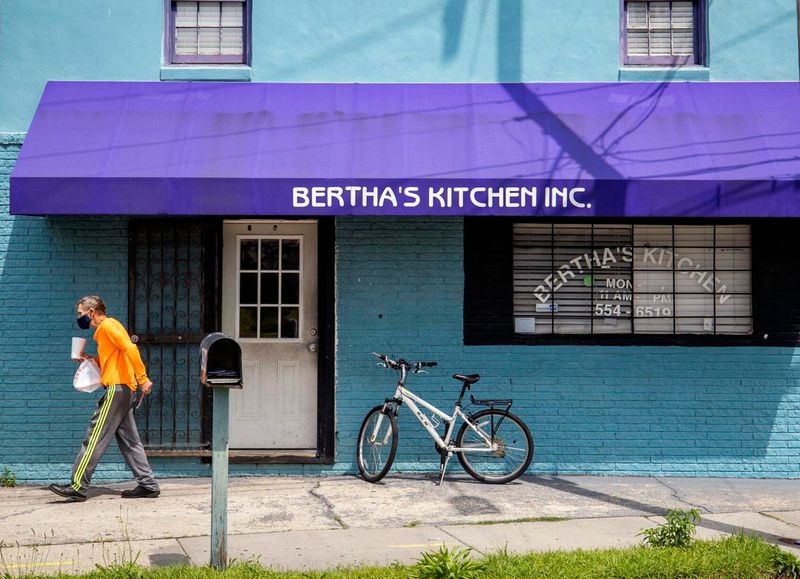
Travelers come to Charleston for its beauty, its history, its architecture. Yet many leave talking only about Bertha. They come looking for authenticity and find it here, on plates bursting with greens and pork chops. In the cramped dining room, foreigners and locals eat elbow to elbow, united by the quiet ecstasy of flavors. For visitors, it is an initiation; for the locals, a reaffirmation. Both leave changed, linked by the memory of a meal that tastes like home.
10. Every bite tells a story

There’s something almost theatrical about a meal at Bertha’s, as if each bite were a line from a play older than you. The cabbage leaves whisper the fields and the harvests, the mothers and daughters standing in front of the stove. Cornbread brings to mind kitchens lit by lamplight, laughter spilling into humid nights. Each dish is a memory, carried by hands that refuse to let it die. Thus, with each spoonful, the guest participates in a story that is both intimate and grandiose: the history of Southern cuisine, preserved and transmitted, leaf by leaf, mouthful by mouthful.