
Choosing the right hiking shoe can make or break your outdoor adventure. Whether you’re hiking rocky mountain trails or strolling forest trails, your feet deserve shoes that keep them comfortable, protected, and ready for anything. Understanding which features are most important will help you find a shoe that matches your hiking style and allow you to move forward with confidence on every trail.
1. Fit and comfort
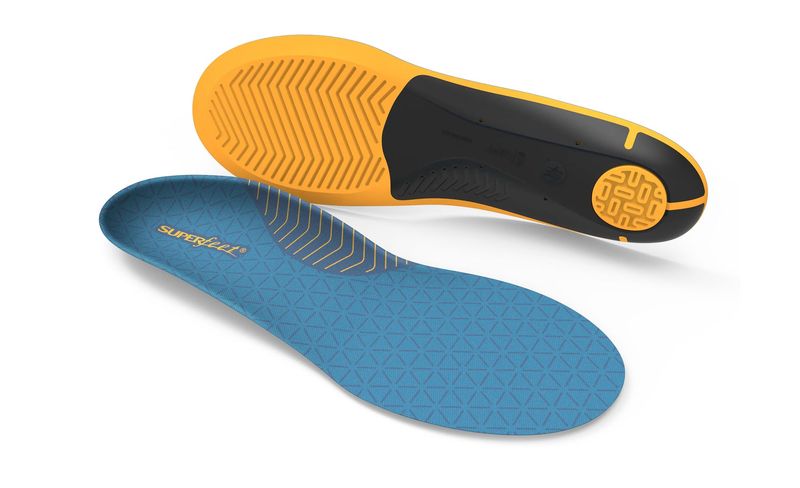
Finding the right fit makes all the difference between a great hike and painful blisters. Your longest toe needs about half an inch of breathing room from the end of the shoe, while your heel should fit snugly without slipping.
Pressure points are your enemy, so walk around and pay attention to uncomfortable spots. Here’s a pro tip: Buy hiking shoes later in the afternoon or evening, when your feet naturally swell a little.
This timing ensures that you get a precise fit that won’t be too tight when you spend hours on a trail with tired, swollen feet.
2. Suitability of the land
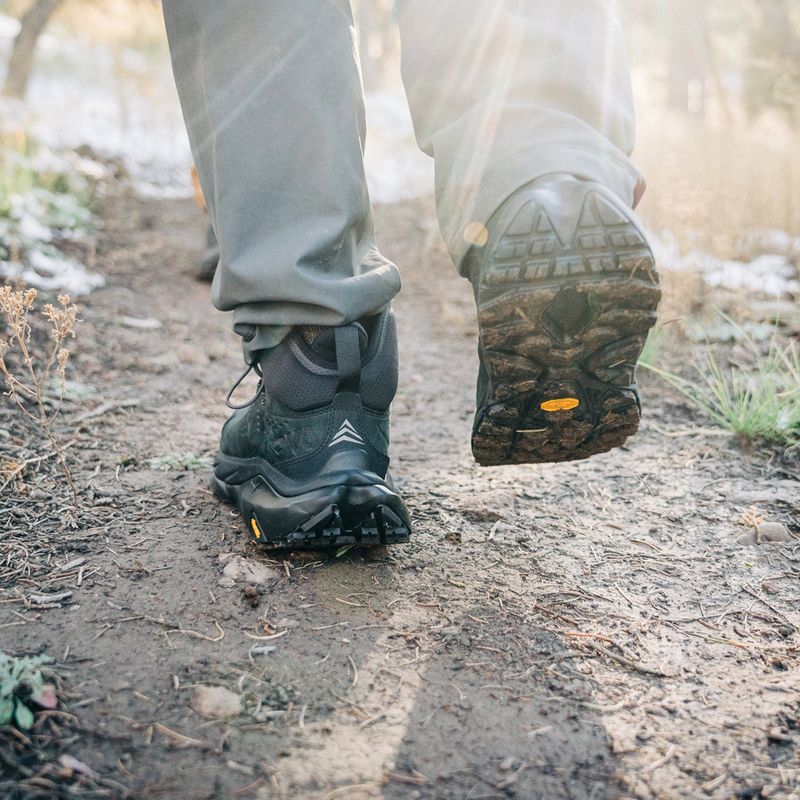
Not all trails are equal, and neither should your shoes. Rocky or technical trails require shoes with a firmer midsole and stiffer construction to keep your feet stable on uneven ground.
Meanwhile, smooth or gentle trails allow you to escape with more flexible shoes that enhance your agility and natural foot movements. Think about where you usually hike most often.
Are you climbing rocks or wandering through meadows? Adapt your shoe design to your preferred terrain and you will immediately notice the difference in comfort and confidence.
3. Weight
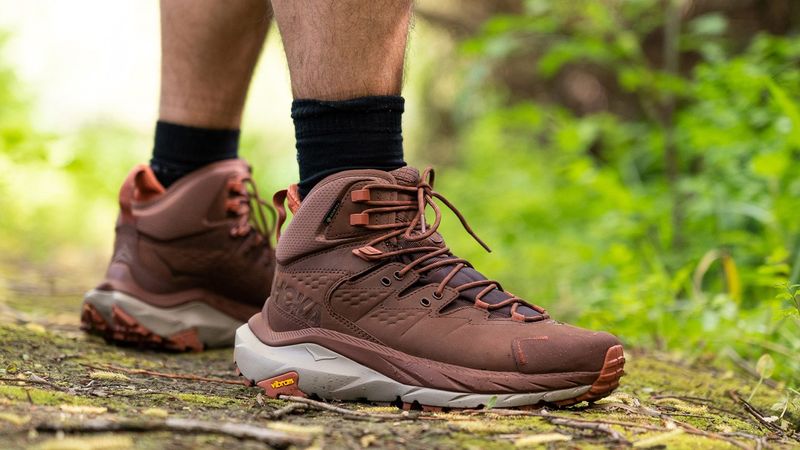
Every ounce on your feet equals five pounds after miles on the trail. Lighter shoes mean less fatigue, which translates into more energy to enjoy the view instead of dragging yourself forward.
Trail shoes and lightweight hiking shoes are fantastic for hikers who value speed and agility of movement. The compromise? They generally offer less ankle support than their heavier boot cousins.
If you’re hiking well-maintained trails without a heavy backpack, it makes sense to opt for a lighter pack. But for rough terrain with a loaded backpack, you may want a little more weight for added stability.
4. Waterproofing
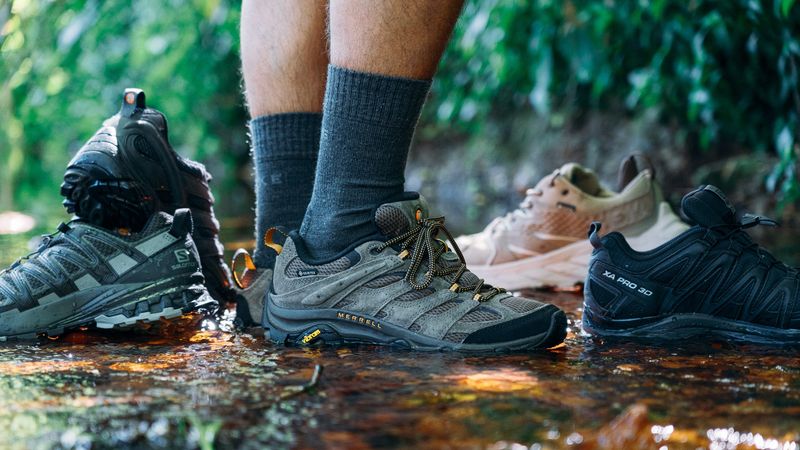
Wet feet are miserable feet, but waterproof shoes aren’t always the answer. Shoes with waterproof membranes keep moisture out when crossing streams or hiking in rainy climates, which sounds perfect until you consider breathability.
Waterproof materials trap heat and sweat inside, which can make your feet uncomfortable on hot, dry days. If you primarily hike in sunny, arid conditions, shoes that are breathable, not waterproof, might actually keep your feet happier.
Consider your usual weather conditions carefully. Hikers in humid climates should prioritize waterproofing, while desert travelers benefit more from maximum airflow and quick-drying materials.
5. Traction
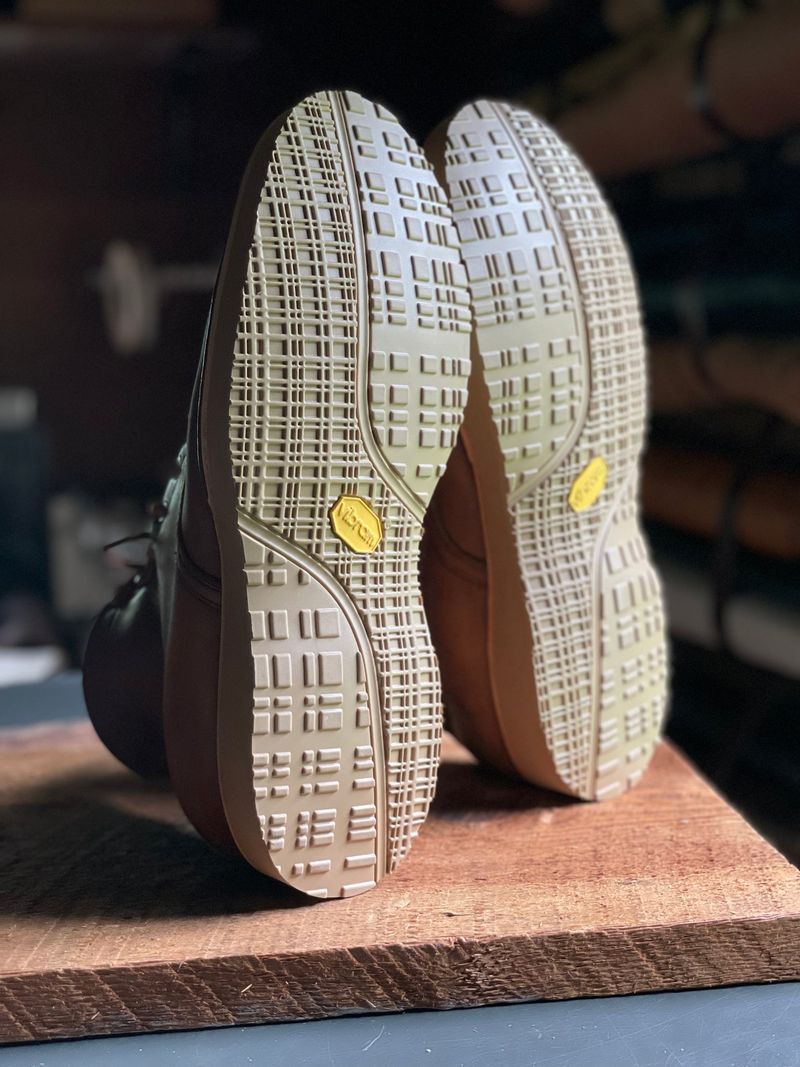
Slipping on a steep trail is not only embarrassing, it’s dangerous. Quality traction starts with aggressive tread patterns that bite through dirt, mud and rocks like teeth gripping the ground.
The rubber compound matters just as much as the pattern. High-end brands like Vibram and Continental have outsoles specifically designed for grip on slippery or uneven surfaces, and the difference is noticeable.
Look closely at the studs (those raised bumps on the sole). Deeper, more widely spaced lugs excel in mud, while tighter patterns work better on rock. The grip of your shoe literally keeps you upright.
6. Sustainability
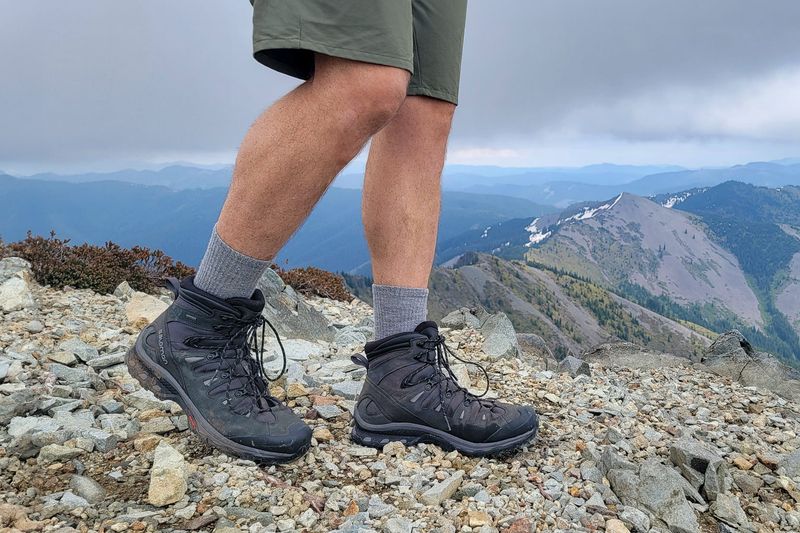
No one wants shoes that fall apart after a season of hiking. Construction quality and material choice determine whether your shoes will last for years or months, so choose wisely based on your hiking frequency.
The leather uppers are tough as nails and can withstand serious abuse, even if they add weight to your feet. Synthetic materials keep things lighter and often cost less, but they can wear out more quickly with heavy use.
If you’re a weekend warrior and planning occasional hikes, synthetics work great. Trail running enthusiasts who log hundreds of miles each year should invest in shoes that are known to go the distance.
7. Support
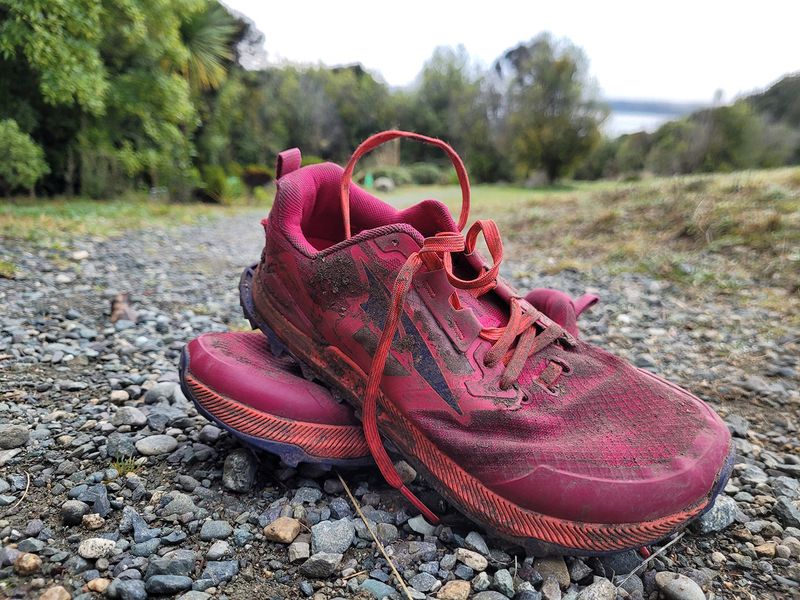
Your feet carry all your weight mile after mile, so they need some serious support. Proper arch and ankle support prevents common hiking injuries, such as rolled ankles and plantar fasciitis flare-ups.
If you already suffer from foot problems, look for shoes that offer extra cushioning and targeted support features. Many quality hiking shoes come with removable insoles, which is great news for anyone using custom orthotics.
Don’t underestimate the difference good support can make. The right shoe structure keeps your feet properly aligned, reducing strain on your knees, hips and back during long hikes over difficult terrain.
8. Breathability

Moisture trapped inside your shoes creates the perfect recipe for blisters and discomfort. Shoes designed with mesh uppers or strategic ventilation holes allow air to flow freely, keeping your feet cool all day long.
This feature becomes absolutely essential in warmer climates or during intense hikes where you sweat a lot. Good air circulation helps moisture evaporate quickly instead of building up around your toes.
Think of breathability as your shoe’s cooling system. In hot weather or on tough climbs, well-ventilated shoes can avoid that swampy feeling and reduce the chances of developing painful hot spots.
9. Break-in period
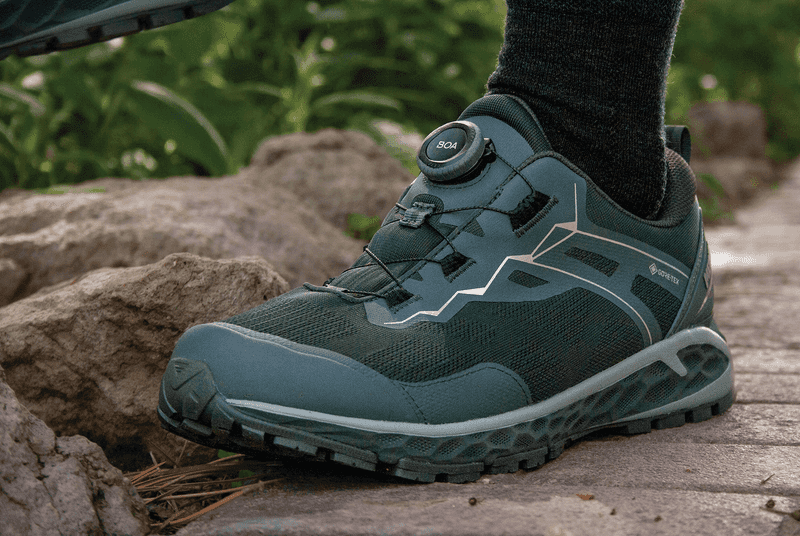
Even high-end hiking shoes need time to adapt to your unique feet. Skipping the break-in period is a beginner’s mistake that leads to avoidable pain on the trail when it’s too late to turn around.
Start by wearing your new shoes around the house for short periods of time, then move on to quick walks around the neighborhood. This gradual process allows the materials to soften and adapt to the shape of your foot without causing major discomfort.
Give yourself at least a few weeks before attempting any serious hikes. Your feet will thank you when your shoes feel like natural extensions rather than stiff strangers on that first big adventure.
10. Price and value
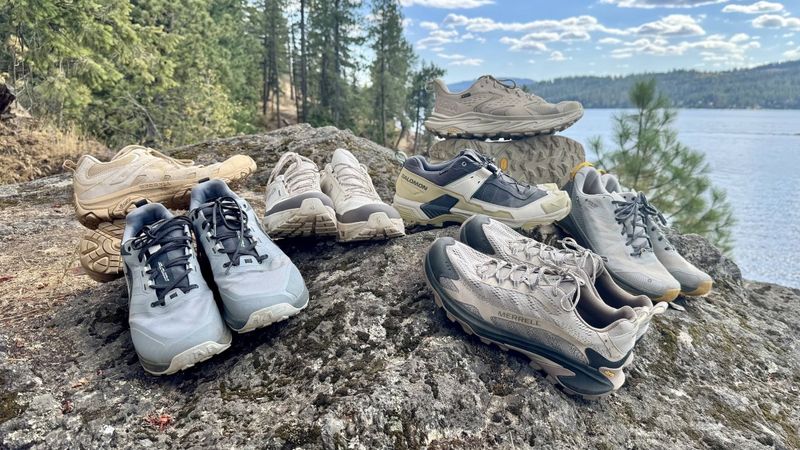
Expensive doesn’t automatically mean better, although quality hiking shoes are a worthwhile investment in your outdoor comfort. High-end models often include advanced features such as higher-quality materials, better construction, and innovative technologies that improve performance.
However, reliable options exist in different price ranges. Consider how often you will actually use these shoes before spending a lot of money on high-end models.
Weekend hikers can find excellent mid-range shoes that perform wonderfully without breaking the bank. Frequent trail riders could justify higher prices with extended use. Remember that the best value for money is to tailor your purchase to your actual hiking habits and needs.