
The digital nomad lifestyle is rapidly transforming and 2025 is a pivotal year for this global movement. With technological advancements, changes in work culture, and new opportunities around the world, digital nomadism has entered a new era. In this blog post, we explore eight compelling reasons why 2025 is being celebrated as the year of the digital nomad, reflecting on the diverse and dynamic developments shaping this lifestyle.
1. Digital nomads are going mainstream

In 2025, digital nomadism is a mainstream movement. Millions are embracing this lifestyle, designed by Wanderlust and new work structures. The shift from alternative to mainstay lifestyle reflects global adoption, with an estimated 40 to 50 million nomads.
The rapid growth observed in just two years illustrates the evolution of professional landscapes. People prioritize flexibility, mixing career stability with mobility. Nomadism, once a fringe, now sums up global trends in professional life.
From tech hubs to remote retreats, the world is opening up to digital nomads seeking freedom. As connectivity becomes ubiquitous, this lifestyle is more accessible than ever. Digital nomadism, a defining trend, blends work with exploration seamlessly. 2025 is the historic year for the evolution of this movement.
2. Visa Programs Opening the Doors

Visa programs are the key to nomadic freedom. By 2025, more than 40 countries will offer digital nomad visas. These initiatives simplify the legalities, allowing longer stays, with places like Slovenia and New Zealand leading the way.
Governments recognize the economic potential, creating policies that attract nomads. These visas facilitate global mobility, legally supporting nomadic lifestyles.
This development marks a central shift in how countries view digital nomadism. The ease of international movement reflects growing global acceptance, transforming the world into a more accessible playground for digital explorers. As legal frameworks develop, the digital nomad’s journey becomes smoother. 2025 is a historic year for such initiatives.
3. Infrastructure is catching up
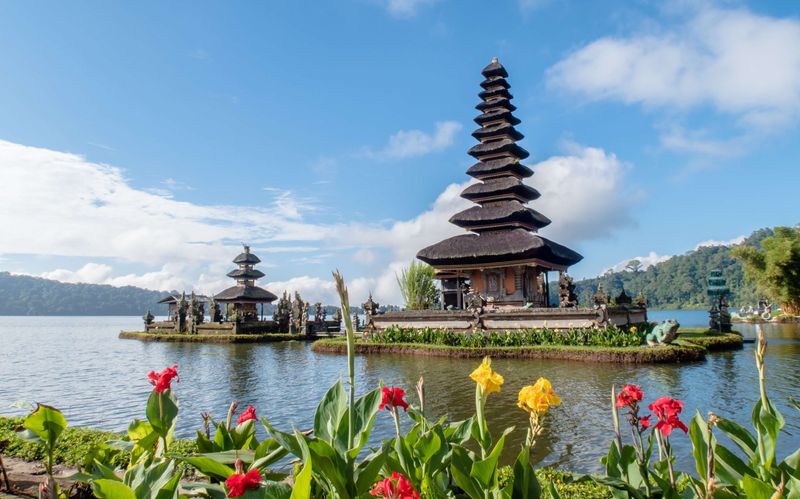
The infrastructure now supports digital nomad dreams. Ultra-fast internet, cloud platforms and VR tools align with lifestyle ambitions.
Advancements ensure connectivity from virtually anywhere, enabling seamless global collaboration. Professionals focus on outcomes, not connectivity issues, with robust technology frameworks.
In 2025, technology aligns with nomadic aspirations. Workers benefit from reliable connections across continents, enabling productive mobile lifestyles. This year symbolizes the fusion of technological and nomadic aspirations. As infrastructure evolves, nomads are empowered to create without boundaries. The synergy between technology and lifestyle is a hallmark of this era.
4. New destinations on the map

2025 will see new nomadic hubs emerge. While classics like Bali remain, places like Georgia, Hungary and Medellín are rising. These destinations offer affordability and connectivity.
The United Arab Emirates, ranking highly, attracts nomads with its infrastructure and diverse culture. This diversification reflects global competition to attract mobile professionals.
Emerging centers cater to convenience and convenience, offering unique experiences. The global nomad map is expanding, making the world more accessible. 2025 is the year of diverse options, allowing nomads to explore new cultures while thriving professionally.
5. A more diverse community
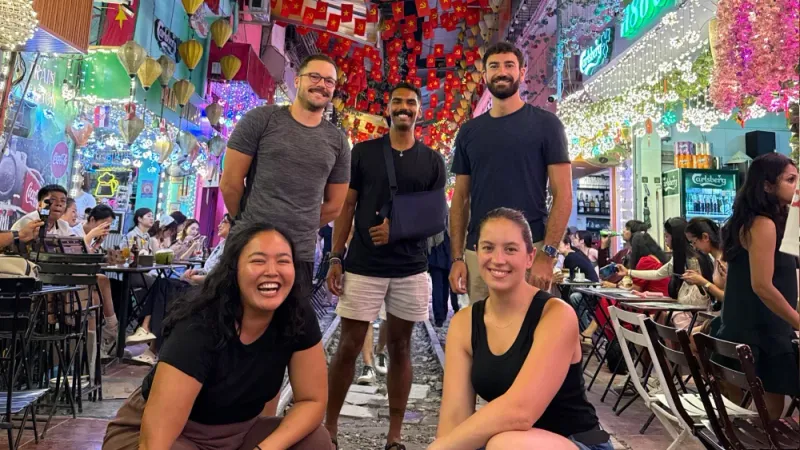
The Digital Nomad community is more diverse in 2025. Not just young freelancers, it now includes educators, marketers, and consultants. The average age is 36, with 90% having diplomas.
This demographic shift reflects a mature movement, with professionals from every continent. The global nature of the community reflects the interconnectedness of the world.
The diversity of profession and geography enriches the nomadic experience. 2025 marks a departure from stereotypes, showing that location independence suits various stages and careers. This shift in demographics highlights a mature movement.
6. Remote work as an enabler

Remote work is essential for the explosion of digital nomads. Post-pandemic, companies are adopting flexible policies, incorporating “work from anywhere” strategies. For professionals, the choice between career and mobility dissolves.
Remote work offers stability and freedom, making nomadism a viable career path. The universal acceptance of remote work has transformed digital nomadism from experiment to mainstream.
With technology facilitating seamless communication, individuals can engage globally while enjoying personal freedom. The catalyst for change, remote work is reshaping professional landscapes, allowing individuals to pursue dreams without constraints. This transformation in work culture has propelled digital nomadism to unprecedented heights.
7. Economic impact and sustainability

Digital nomads are driving significant economic impact. Contributing billions, they are boosting the housing, coworking and hospitality sectors. Sustainability is emerging, with an emphasis on “slow travel” and deep local connections.
Nomads stay longer, reducing environmental impact while promoting economic ties. Global conversations about responsible travel echo these changes.
2025 sees digital nomads shaping sustainable trends. Economically dynamic, they redefine travel standards, balancing mobility with environmental stewardship. This impact is transforming local economies and global travel prospects, making nomads pivotal economic players.
8. Longer, intentional stays

Nomads in 2025 prefer longer stays. Instead of short visits, they dive into destinations, spending weeks or months. This shift improves cultural integration and reduces the exhaustion of constant travel.
Longer remains to foster lasting relationships with host communities. Nomads engage deeply, contributing to local economies while enjoying meaningful experiences.
This intentional journey reflects maturity in lifestyle. The emphasis is on depth of quantity, allowing nomads to thrive personally and professionally. In 2025, this trend illustrates a mature and sustainable approach to global exploration.