
Ski resorts across the country are facing a serious problem: not enough natural snow to keep their slopes open. Climate change has warmed winters and shortened ski seasons, forcing resorts to make artificial snow using enormous amounts of water. Now, some resorts have come up with a surprising solution: turning treated wastewater into snow, but the idea has sparked heated debates about safety, respect for sacred lands and whether it’s the right thing to do.
1. The case that launched the debate
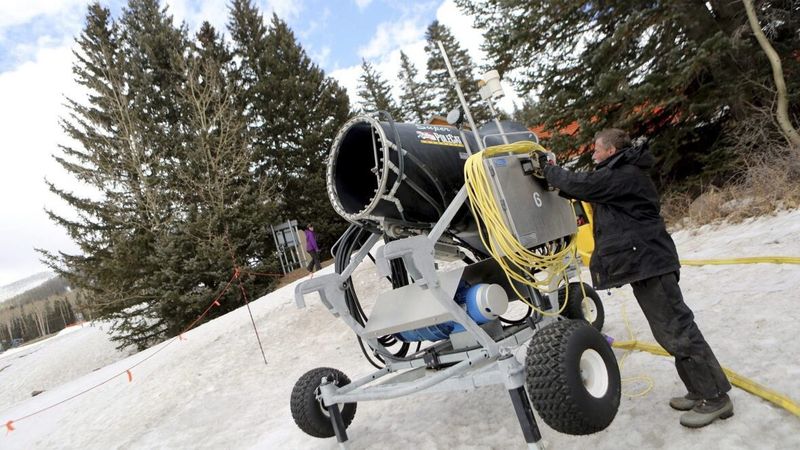
Between 2009 and 2011, the Hopi Tribe sued the Arizona Snowbowl and the city of Flagstaff over a controversial project. The station wanted to spray treated wastewater in the form of snow on San Francisco’s sacred peaks, which hold deep spiritual significance for indigenous people.
The tribe argued that this would cause both spiritual harm and environmental damage to the lands they consider holy. After years of legal battles and appeals, the Arizona Supreme Court ruled against the tribe, saying it had failed to prove special harm under the public nuisance law.
This decision set a powerful legal precedent that still affects decisions today. When climate adaptation conflicts with sacred land rights, courts have sided with recreation and the regulation of cultural sovereignty, leaving indigenous communities frustrated and ignored.
2. Why stations are turning to wastewater
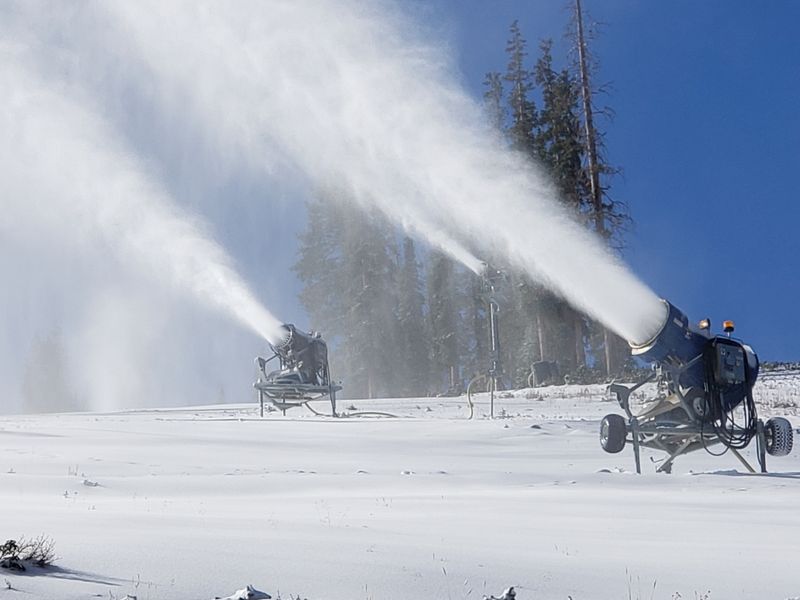
Ski seasons have become shorter since the 1970s due to climate change, and today about 87 percent of U.S. ski areas rely on artificial snow to stay open. Making all that fake snow requires huge amounts of fresh water, often pumped from rivers and underground aquifers already stressed by drought.
Reclaimed water offers stations a smart alternative that solves several problems at once. Treated wastewater is abundant and often goes unused, making it an abundant resource.
When sprayed as snow, freezing and melting cycles can filter it even more naturally. As the snow melts in the spring, this water returns to underground streams and aquifers, essentially recycling the waste into a valuable resource that helps recharge local water supplies instead of drying them up.
3. Wastewater Snow Pioneers
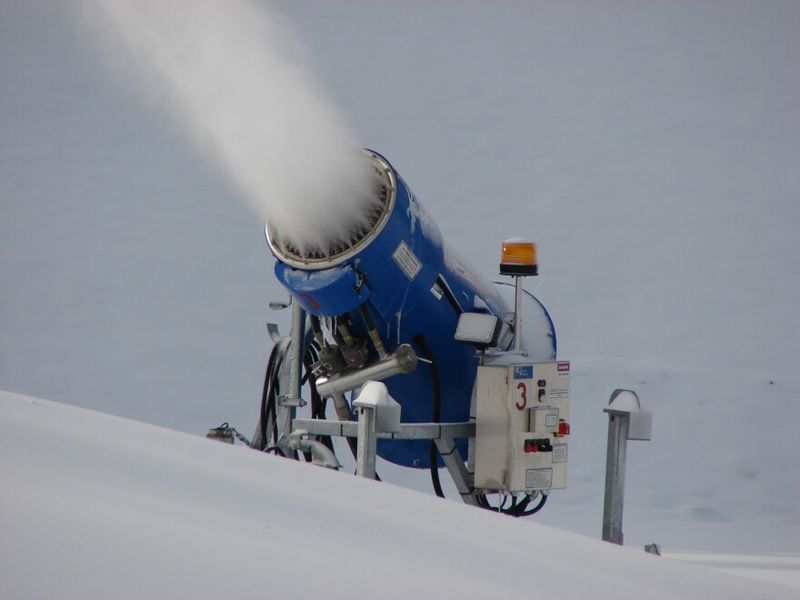
Arizona Snowbowl made history in 2012 by becoming the first resort to use 100% reclaimed water for all of its snowmaking operations. Despite ongoing protests and legal challenges, the station has continued this practice for more than a decade.
The Yellowstone Club in Montana joined the movement during the 2023-2024 season, becoming the first station in Montana to spray treated wastewater into snow. They plan to use up to 25 million gallons of reclaimed water each year to improve early season coverage.
The Spanish Peaks Mountain Club, also in Montana, is currently seeking permits to turn wastewater into snow on new slopes, planning to use about 23 million gallons each year. These early adopters are testing both the technical possibilities and public acceptance of an idea that many find uncomfortable.
4. Objections: why many push back
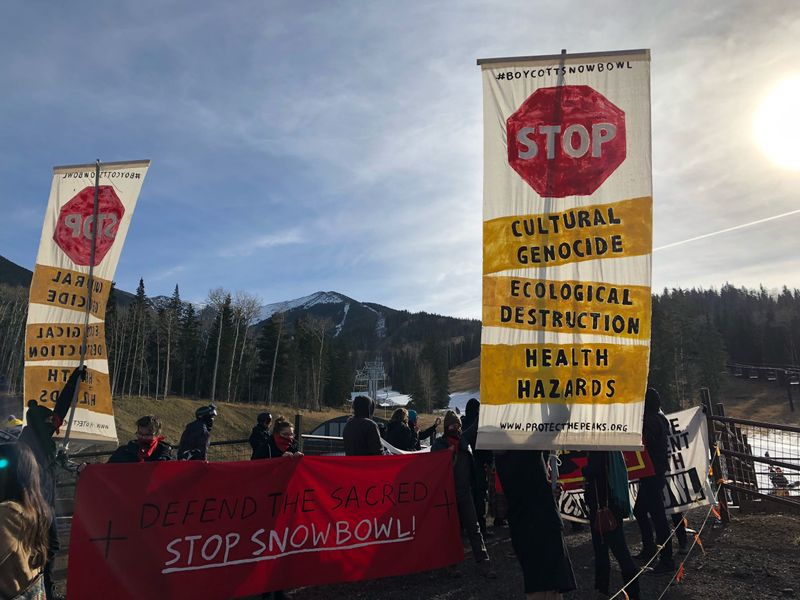
Indigenous groups view snow drift as a desecration of sacred landscapes that dishonors their spiritual traditions and ancestral connections to the mountains. Environmental groups worry that even carefully treated effluent can contain pharmaceuticals, excess nitrogen, microplastics and other contaminants that can harm ecosystems.
Snowmaking machines consume huge amounts of electricity, which can increase carbon emissions and run counter to climate protection goals. Building the infrastructure needed to treat and transport reclaimed water costs millions of dollars, and obtaining permits requires complying with strict regulations that many resorts cannot afford.
Perhaps the biggest barrier is public perception: The phrase skiing on wastewater creates powerful negative reactions that are extremely difficult to overcome, no matter how safe the treated water is.
5. A climate imperative?
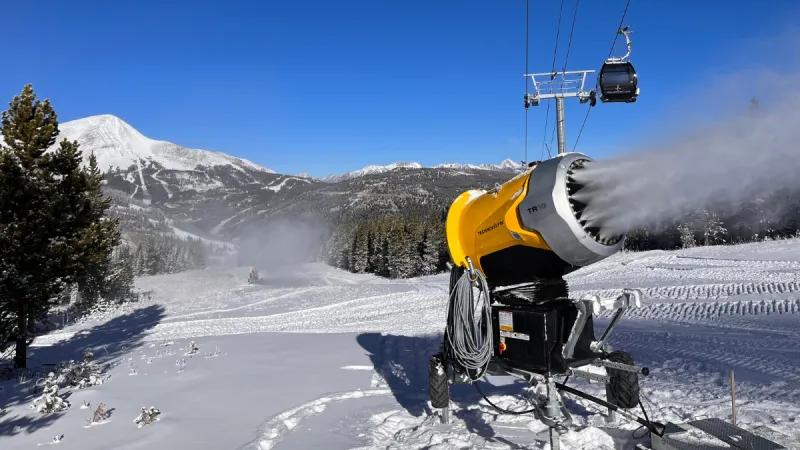
Warming trends are accelerating faster than scientists predicted, threatening the very existence of mid-altitude ski resorts that can no longer rely on natural snowfall. Artificial snow may be the only way these resorts can survive in the coming decades as winters become warmer and shorter.
Using wastewater for snowmaking could significantly reduce pressure on freshwater supplies, improve natural water cycles and help stabilize ski seasons for communities that are economically dependent on winter tourism.
But this solution raises a fundamental ethical question that divides communities: at what cost should we save the ski industry? Striking a balance between economic survival, environmental responsibility, and cultural respect has proven nearly impossible, leading everyone to wonder whether technological solutions create more problems than they solve.
6. What to watch in 2025 and beyond
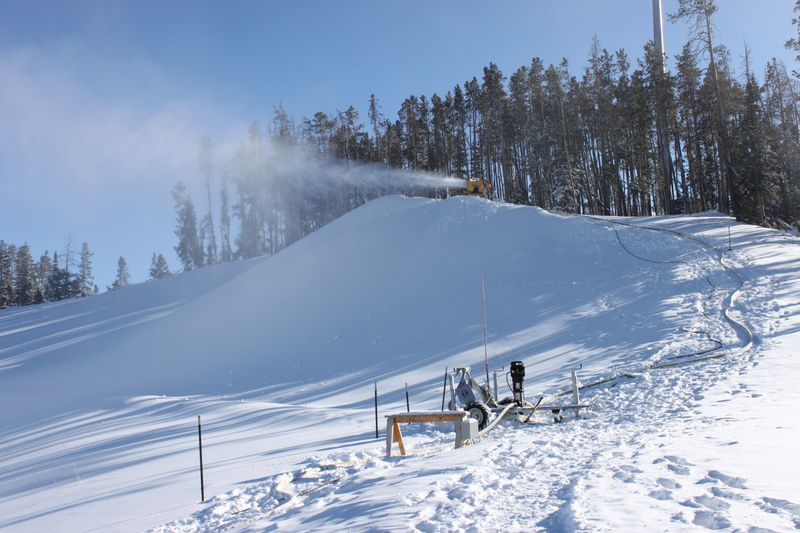
Ongoing protests and new litigation continue to target the Arizona Snowbowl, with indigenous activists refusing to accept the court’s previous rulings as the final word. Reviewing Spanish Peaks Mountain Club permits in Montana will test whether other states are following Arizona’s path or charting different paths.
State laws such as Utah’s 2023 restrictions could expand, potentially banning harvested snow in places where cultural or environmental concerns outweigh economic arguments.
Emerging low-energy treatment technologies promise to make wastewater reuse safer, cheaper and more environmentally friendly, which could change the entire debate. Scientific studies examining the long-term environmental effects of wastewater snowpack are only beginning, and their results will likely influence policy decisions in the years to come as more data becomes available.
7. The big question: can or should
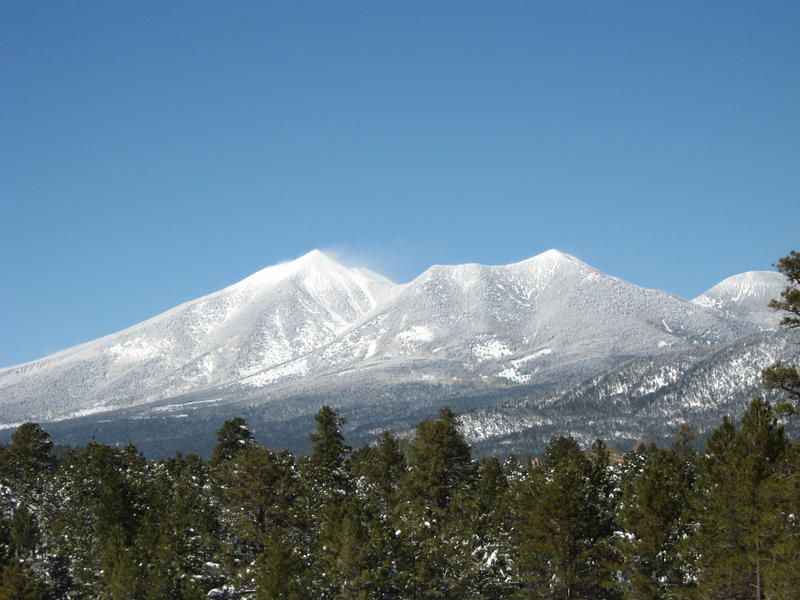
Courts have ruled that making snow from treated wastewater is legally permitted under current environmental regulations, but moral and cultural debates rage with no solution in sight. For Indigenous nations, these mountain slopes represent sacred territory where ancestors walked and spirits dwell – places that deserve protection and respect.
For ski resorts, these same slopes mean economic survival, jobs for local communities, and traditions that families have enjoyed for generations.
As climate change deepens and water scarcity worsens, this tension will only intensify, forcing difficult discussions about the values that should shape our mountains. Will we prioritize recreation, ecological sustainability, or cultural preservation? The answer could determine not only the future of skiing, but also how we balance competing needs in a warming world.