
When you’re rushing through an airport, it’s easy to forget how vulnerable your smartphone can be. The Transportation Security Administration (TSA) warns travelers to be careful: Cybercriminals know that airports are prime places to target personal data. Here are seven habits that could put your information at risk.
1. Use public USB charging stations
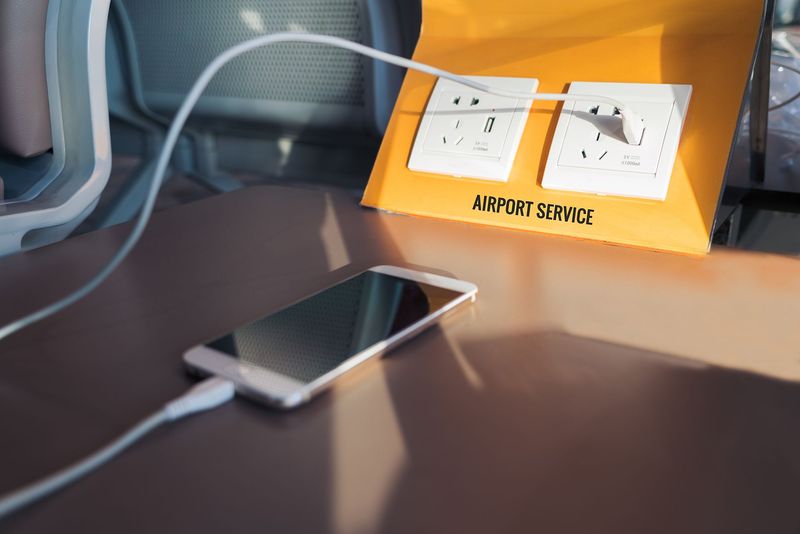
It can be hard to resist the lure of public USB charging stations, especially when your phone battery is low. Yet these seemingly useful ports can be manipulated by hackers to install malware on your device. In just a few moments, your phone can become a gateway for cybercriminals. Carrying your own charger and cable is a simple step that can save you a lot of trouble. Imagine the peace of mind knowing your device is safe from tampering. Also consider investing in a portable battery. With these precautions, you stay in control of your phone’s security, even in the busy chaos of an airport.
2. Ignore Bluetooth Settings
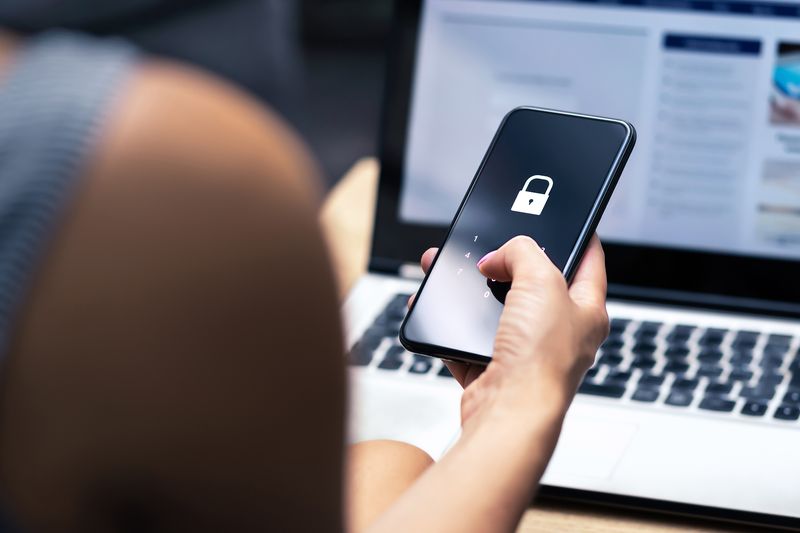
Bluetooth connectivity is a modern marvel, but leaving it on in airports can be a vulnerability. Cybercriminals can exploit this open connection to access your device without your knowledge. The TSA advises turning Bluetooth off unless you’re actively using it. This simple change significantly reduces your exposure to potential hacks. Imagine the stealth of a thief who needs no physical contact to infiltrate your digital life. By actively managing your Bluetooth settings, you take a crucial step in protecting your personal information. This is a subtle but powerful defense against unwanted access and data theft in busy endpoints.
3. Leaving your phone unattended at security or boarding gates
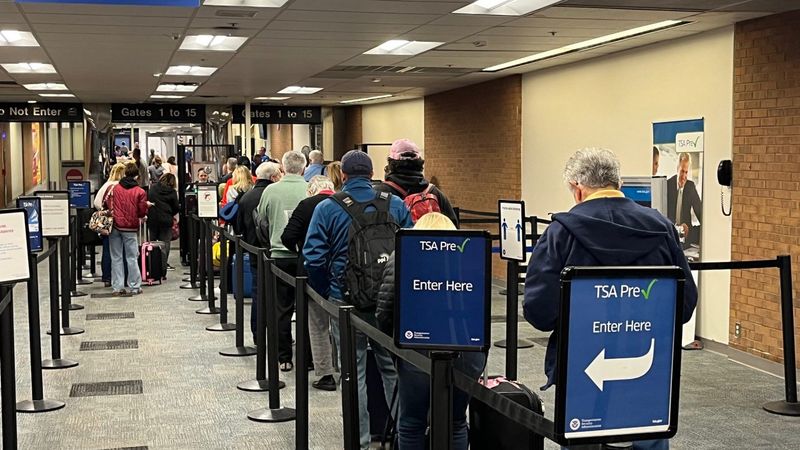
The hustle and bustle of airport security can lead to distracted moments, perfect for opportunistic thieves. Leaving your phone unattended, even briefly, could result in it being stolen or tampered with. Always keep your phone within sight, especially during security checks. Consider using a secure, easily accessible pocket or bag to store it. Establishing a routine for handling your phone during these transitions can prevent loss and protect your digital information from prying eyes.
4. Downloading unknown apps while traveling
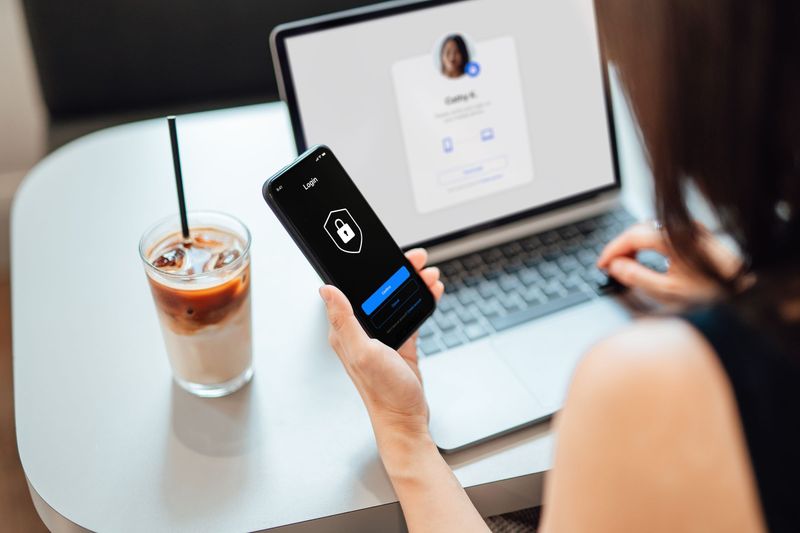
Traveling often prompts us to download apps for convenience, such as navigation or entertainment. However, not all apps are secure and malicious apps can harvest sensitive data. It’s essential to verify apps before downloading them, making sure they come from trusted sources. Always check app permissions and reviews to assess their legitimacy. By being careful when downloading apps, you protect your privacy and maintain control over your data. Travel should be an adventure, not a looming cyber risk.
5. Connecting to the free airport Wi-Fi without protection

The convenience of free airport Wi-Fi can be a tempting deal while you wait for your flight. However, these networks often lack encryption, leaving your data exposed to prying eyes. Logging into banking apps or entering passwords becomes a gamble that many are unaware of. A virtual private network (VPN) can act as your digital shield, encrypting your data even on insecure networks. Why take unnecessary risks when a VPN can provide security? Make sure your sensitive information remains private while you browse. Take this protective measure and travel with peace of mind, knowing that your online activities are secure.
6. Not updating software before traveling
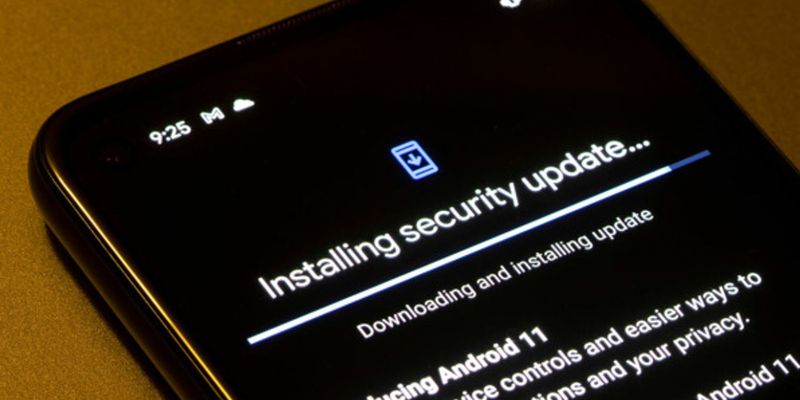
Software updates are more than just new features; These are critical security enhancements. Traveling with outdated software makes your device an easier target for hackers. Updating before your trip ensures you have the latest defenses against potential threats. Think of your phone as a fortress; outdated software leaves its doors wide open. Keeping your apps and operating system up to date fills these gaps, strengthening your device. This proactive measure helps protect your data from unauthorized access and potential breaches. Don’t let negligence be your downfall; Update regularly for peace of mind while traveling.
7. Oversharing travel details on social media
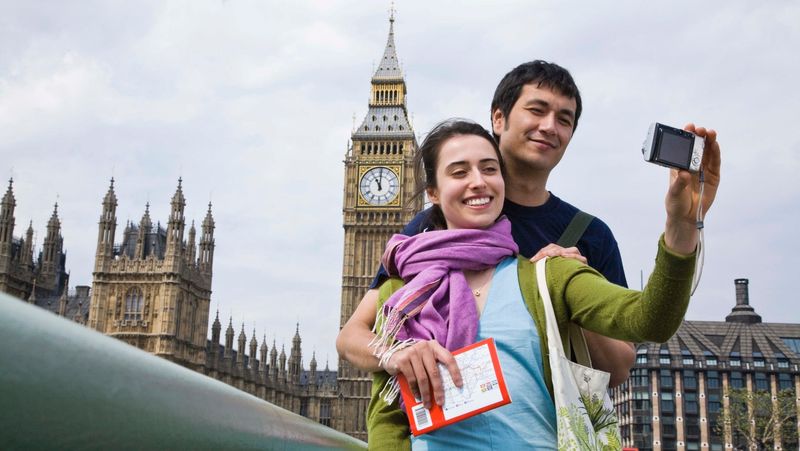
The excitement of travel often leads to sharing every detail online. However, announcing your itinerary, boarding passes or flight details can leave you vulnerable to scams or identity theft. Cybercriminals monitor social networks for such opportunities. Consider the implications of oversharing; even a photo of a boarding pass can be misused. Protect your privacy by keeping your travel details off public platforms. By exercising discretion, you protect yourself from unnecessary risks and enjoy a safer, more secure trip. Remember, it’s best to keep certain moments private for your peace of mind.